Loading subject page…
- Microbiology
- Microbial Cell Structure and Function
- Surface Appendages of Archaea
Micro-course: Microbial Cell Structure and Function
14,632 views
Learn key concepts and earn your certificate.

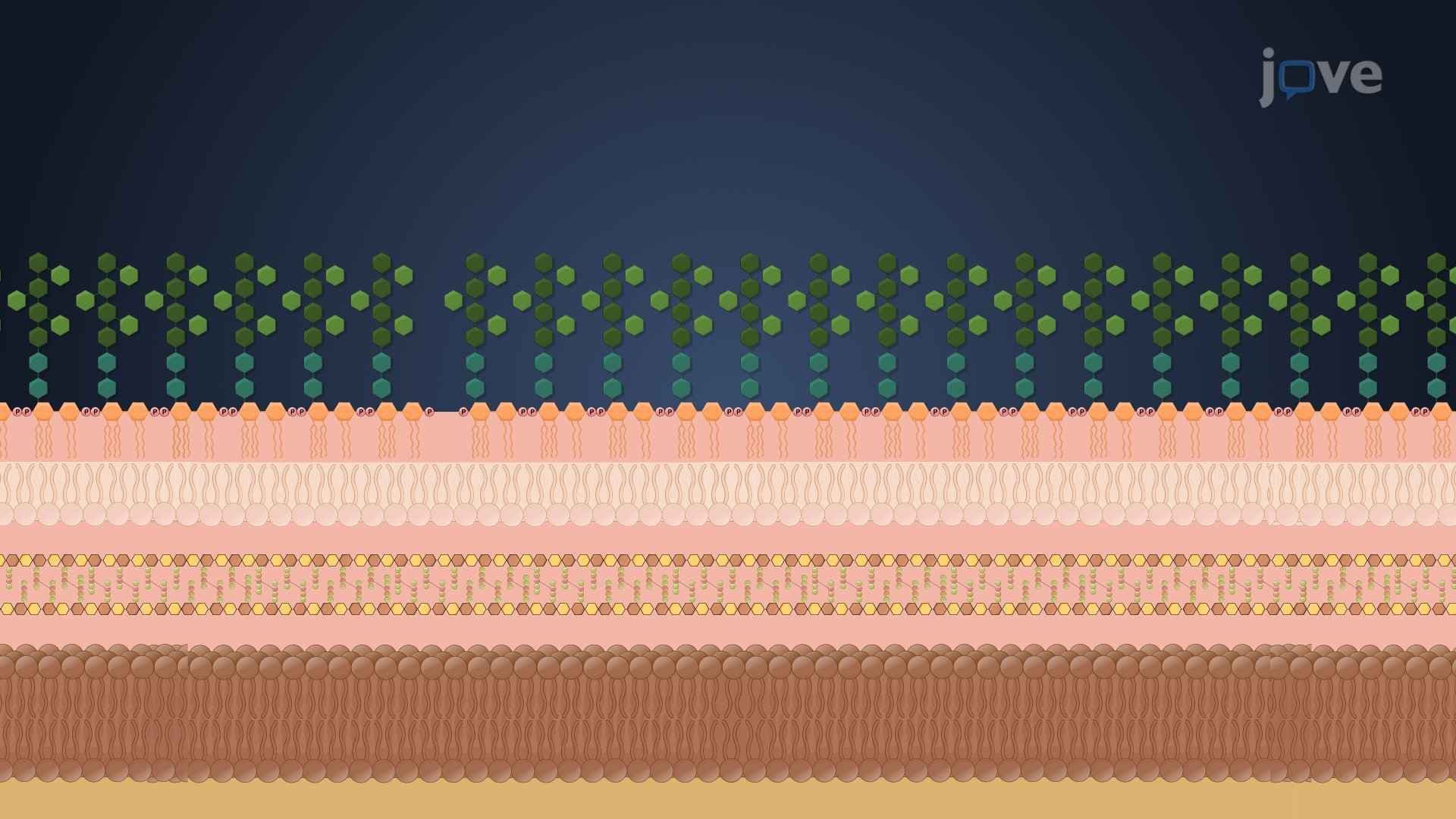
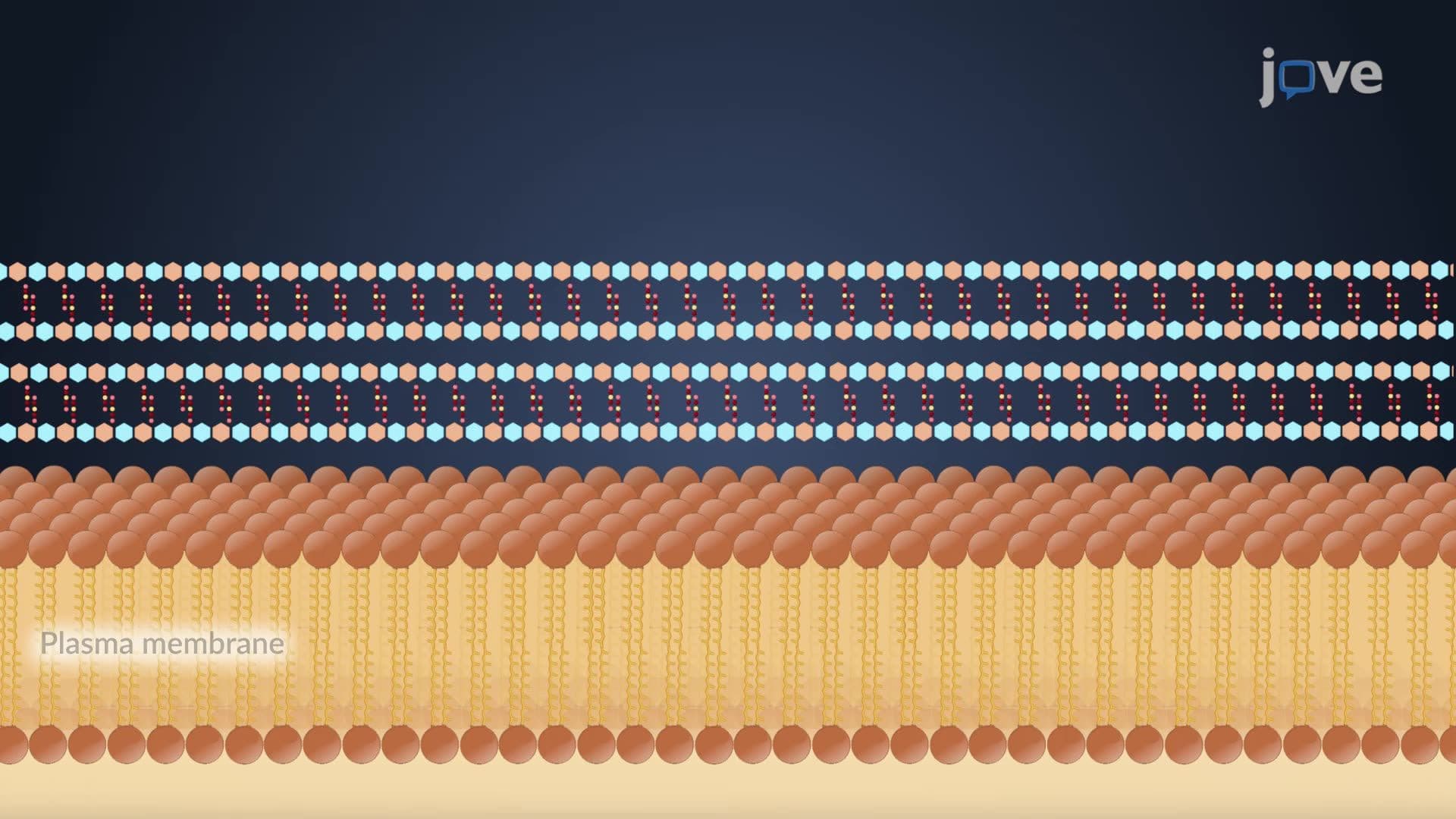
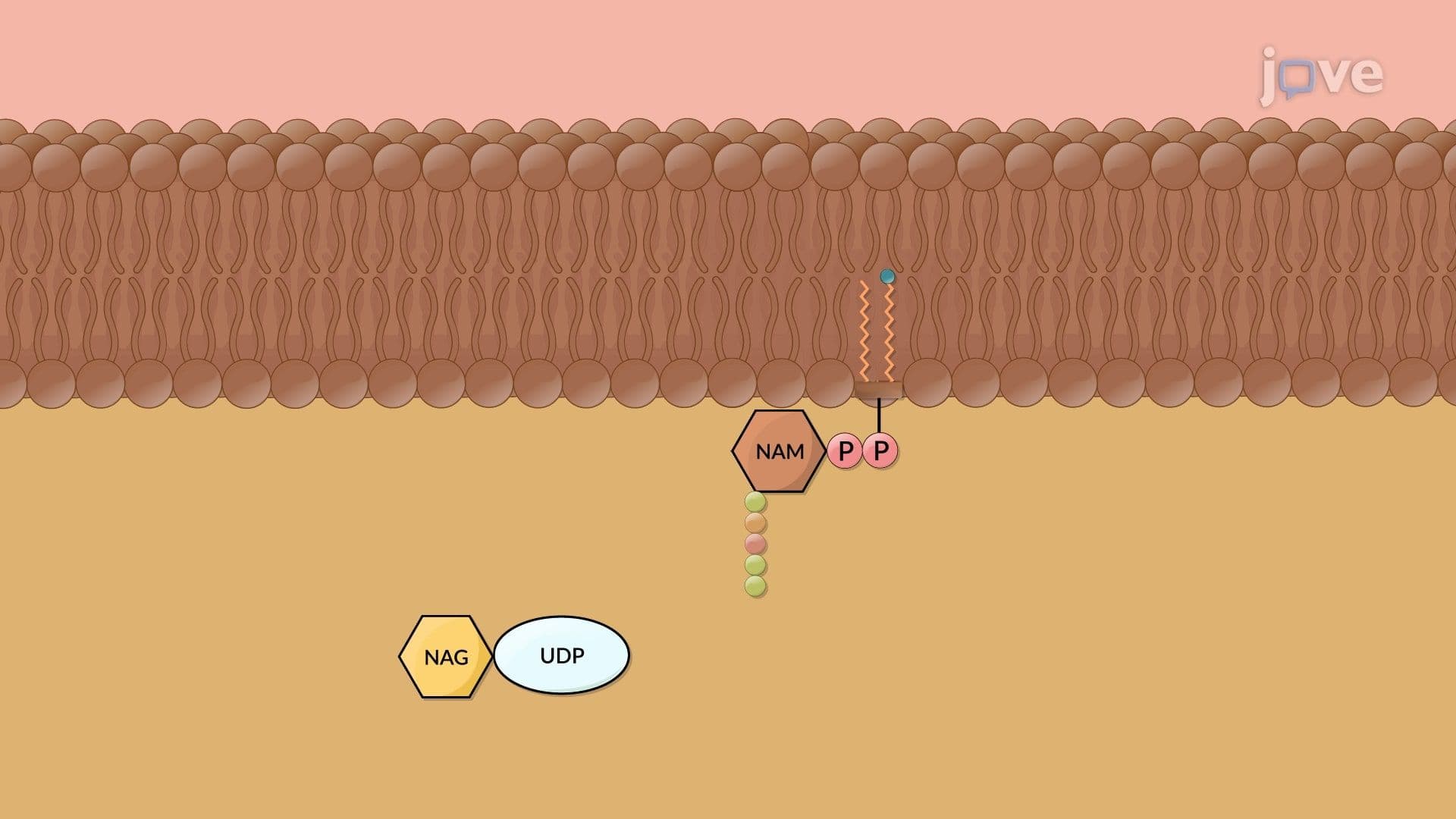
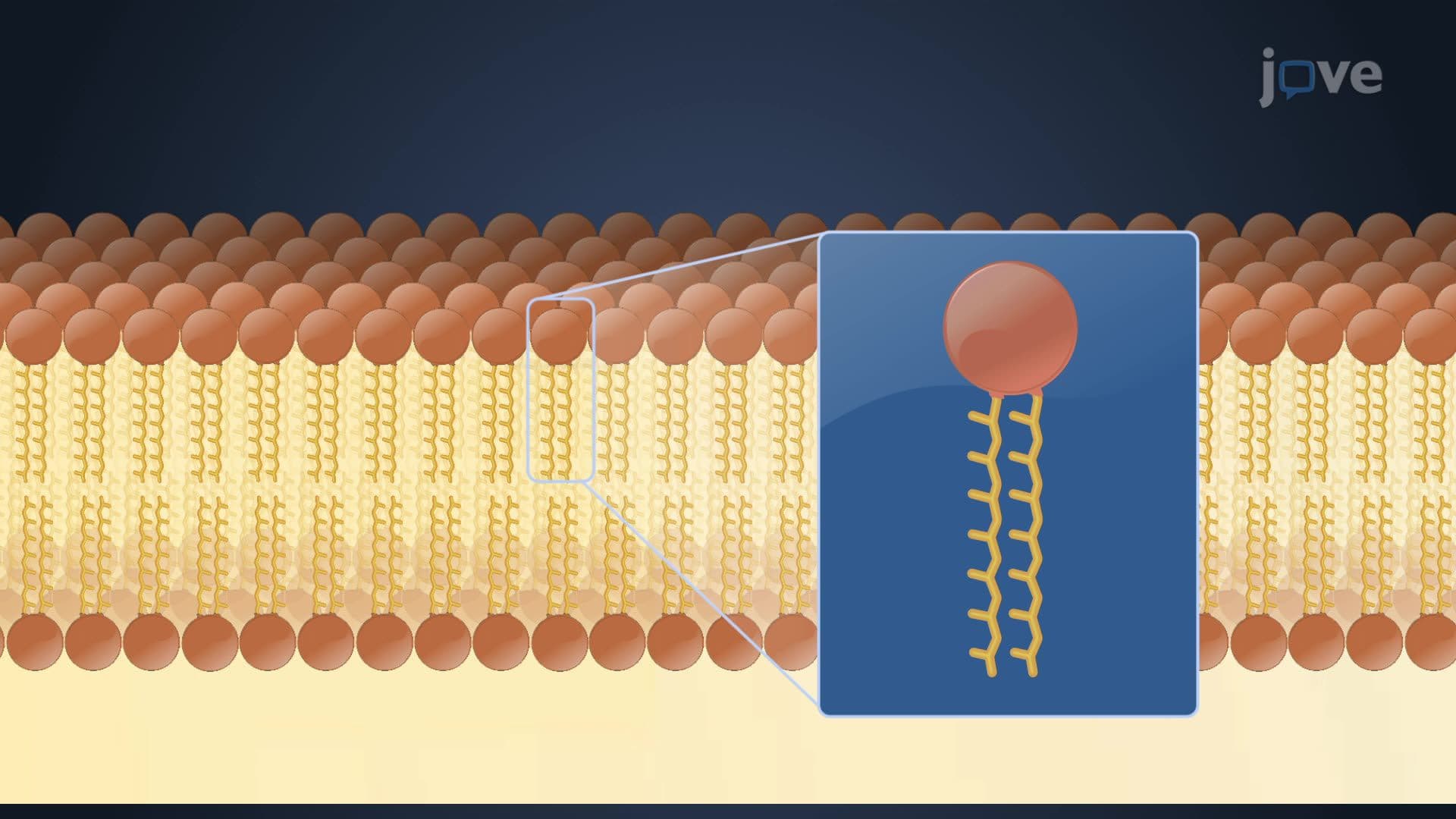



Surface Appendages of Archaea

00:00
01:23
Video Summary: What Is Surface Appendages of Archaea
Did you know that some of Earth's most ancient microorganisms use molecular grappling hooks to survive in boiling hot springs like those found in Yellowstone National Park? Surface appendages archaea possess remarkable structures including pili, archaella, and specialized attachments that enable these extremophiles to thrive where other life forms cannot. These surface appendages of archaea represent evolutionary marvels that allow adhesion, movement, and biofilm formation in harsh environments. Watch the full video on JoVE Coach to master this concept with expert-led visuals and step-by-step explanations.
- Understand what surface appendages of archaea are and distinguish between different types including pili, archaella, cannulae, and hami
- Identify the structural components and protein composition of archaeal pili and their role in biofilm formation
- Analyze how archaella differ from bacterial flagella in structure, composition, and energy requirements
- Compare the functions of specialized appendages like cannulae in thermophilic species and hami in extreme adhesion
- Evaluate the evolutionary significance of surface appendages in archaeal survival strategies
- Apply knowledge of surface appendage mechanics to understand archaeal motility patterns
- Recognize the role of ATP hydrolysis in powering archaella rotation and directional movement
- Explore how surface appendages contribute to archaeal success in extreme environments
Understanding Surface Appendages of Archaea: An Overview
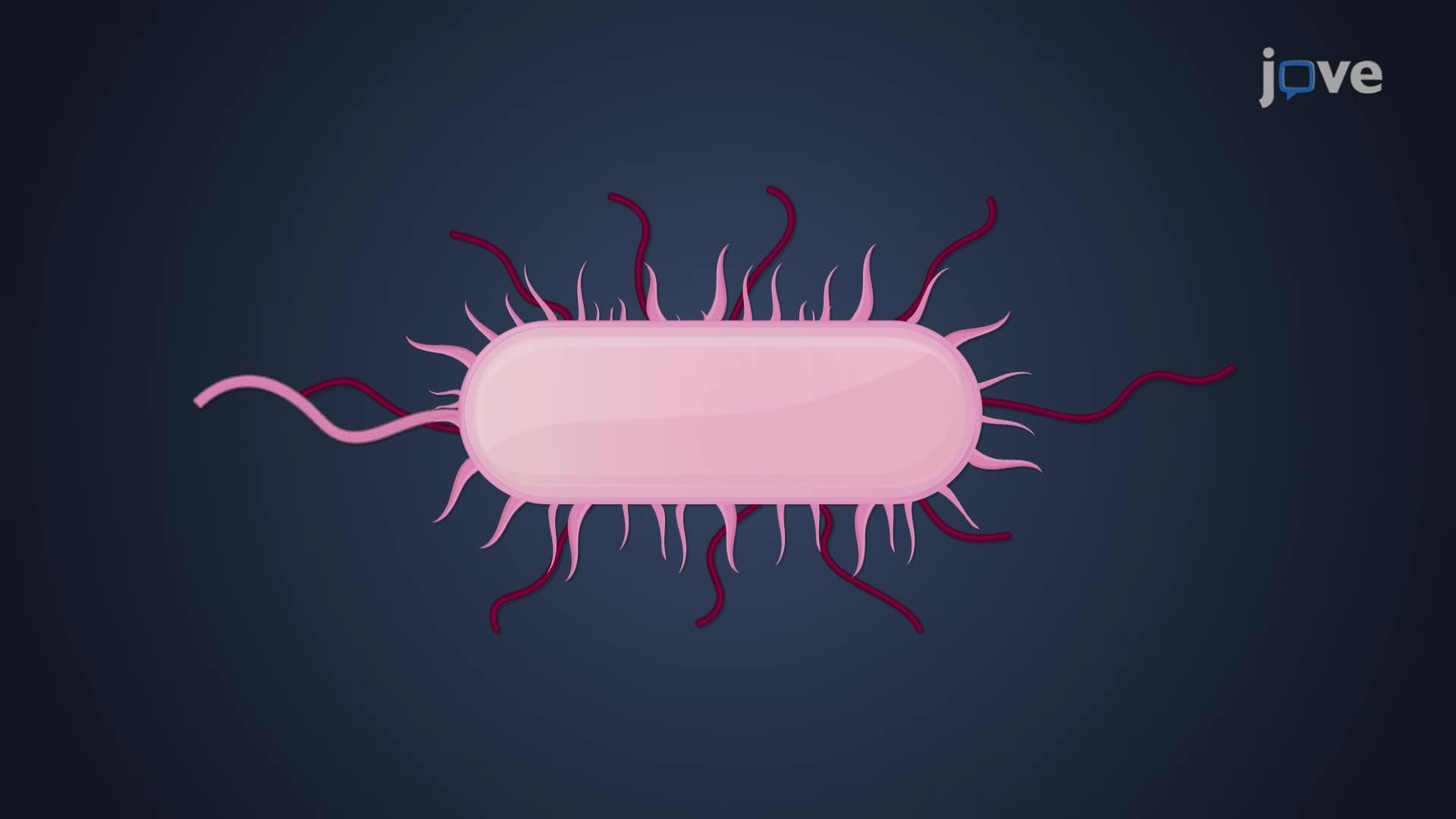
Surface appendages of archaea represent sophisticated molecular machinery that enables these ancient microorganisms to interact with their environment in remarkable ways. Unlike their bacterial counterparts, archaeal surface structures have evolved unique characteristics that reflect their distinct evolutionary lineage and adaptation to extreme conditions. These appendages serve critical functions in cellular adhesion, community formation, and locomotion, making them essential for archaeal survival in diverse ecosystems from deep-sea hydrothermal vents to acidic hot springs.
Pili: The Adhesion Specialists
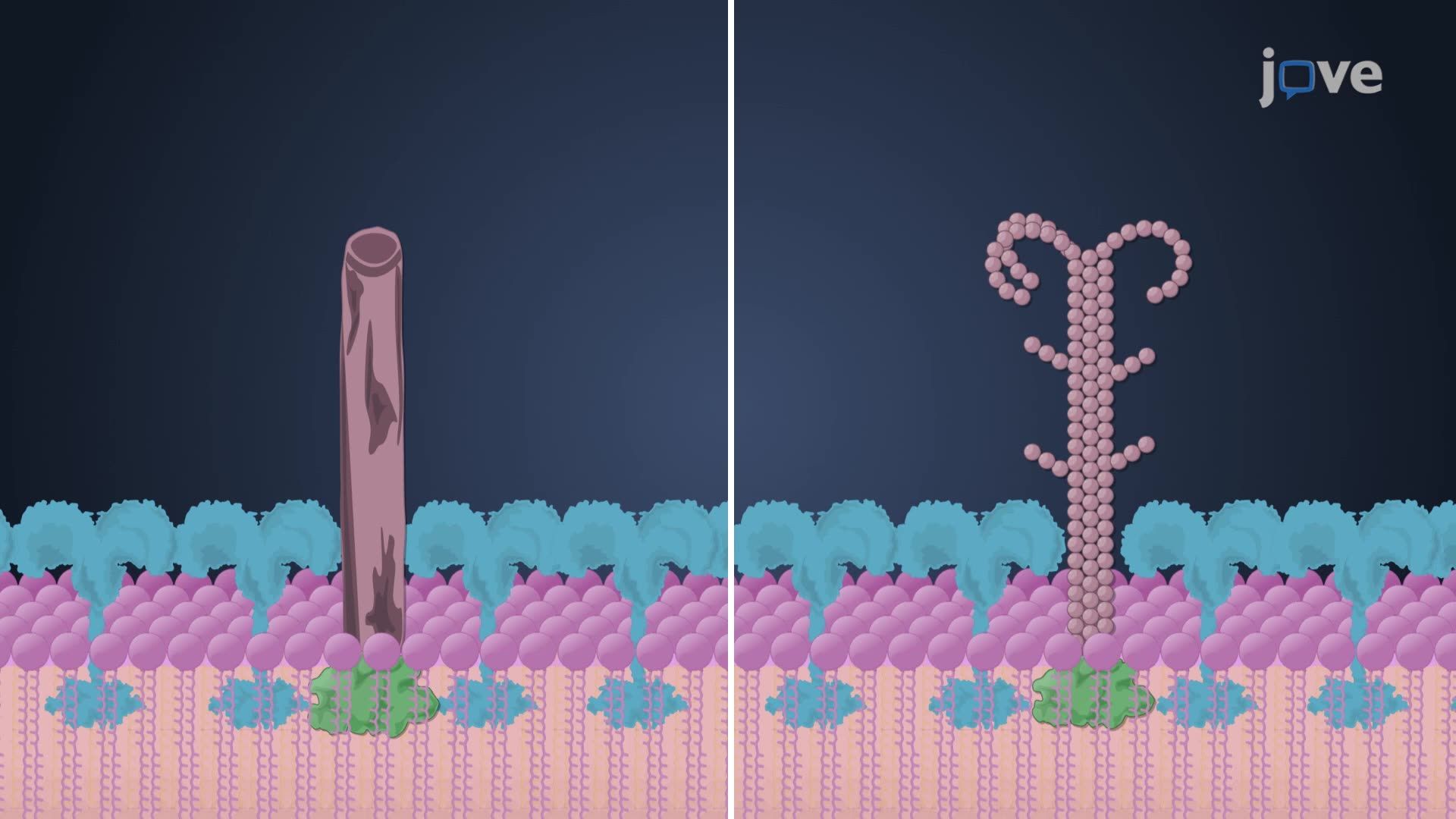
Archaeal pili function as primary adhesion structures, resembling bacterial type IV pili but with distinct molecular characteristics. These filamentous appendages consist of pilin protein subunits arranged in helical patterns, creating flexible yet strong structures capable of withstanding extreme environmental conditions. In laboratory studies at institutions like Stanford University and UC Berkeley, researchers have observed how archaeal pili facilitate biofilm formation by creating interconnected networks between cells. This adhesion capability proves crucial for archaeal communities in environments like the geothermal features of Yellowstone, where strong water currents could otherwise disperse individual cells. Students preparing for AP Biology or college microbiology courses should understand that pili-mediated biofilms provide protection against environmental stresses and enable efficient nutrient sharing within archaeal communities.
Archaella: Unique Motility Engines
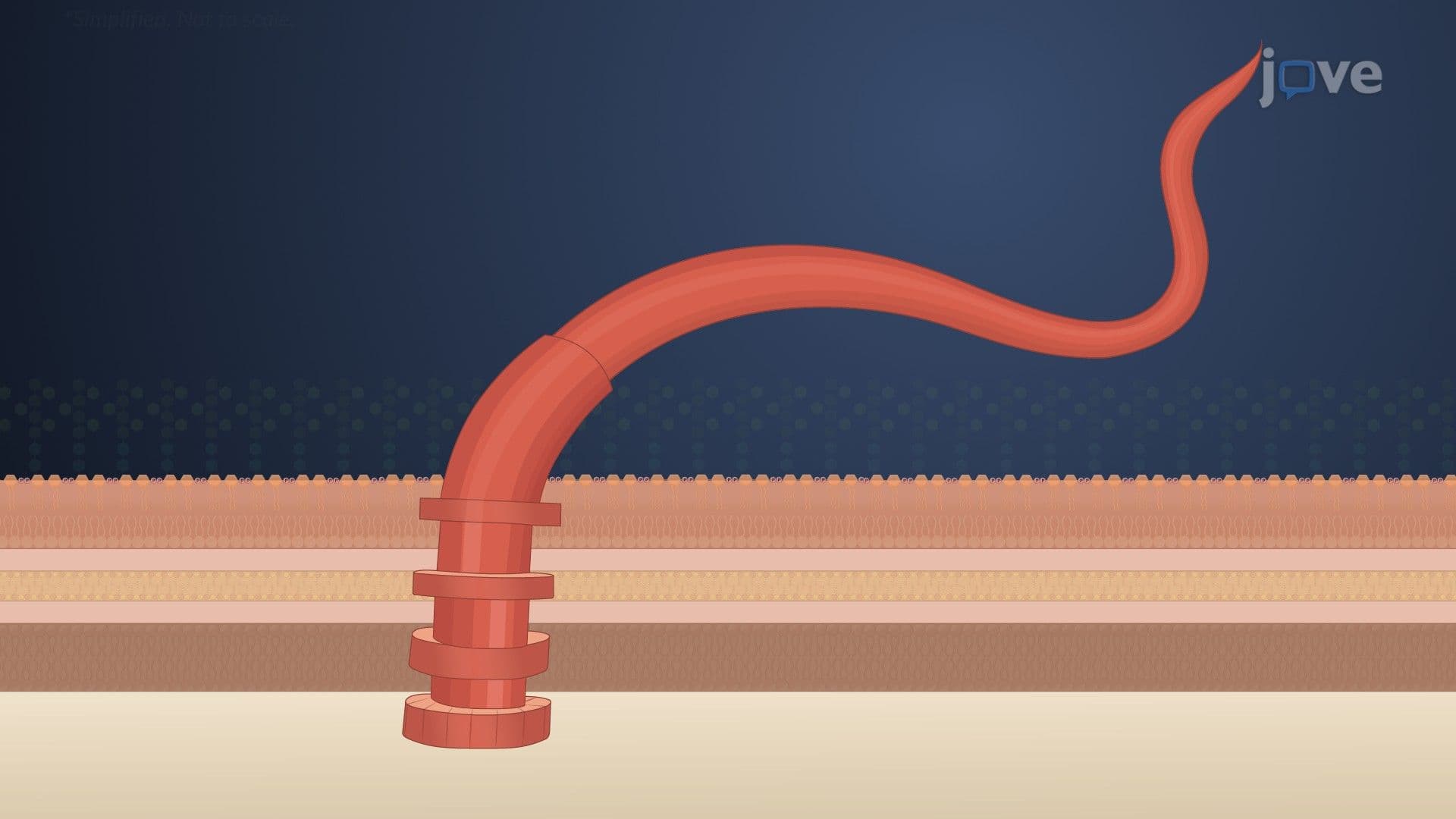
Archaella represent one of the most fascinating examples of convergent evolution in microbiology. While superficially similar to bacterial flagella in function, archaella operate through fundamentally different mechanisms. These structures consist of multiple protein subunits anchored within the archaeal cell envelope and powered by ATP hydrolysis rather than proton gradients. The bidirectional rotation of archaella-both clockwise and counterclockwise-enables precise directional control, allowing archaea to navigate toward favorable conditions or away from harmful stimuli. For MCAT preparation, students should note that this ATP-dependent mechanism distinguishes archaeal motility from bacterial systems and reflects the unique metabolic characteristics of the archaeal domain.
Specialized Attachment Structures: Cannulae and Hami
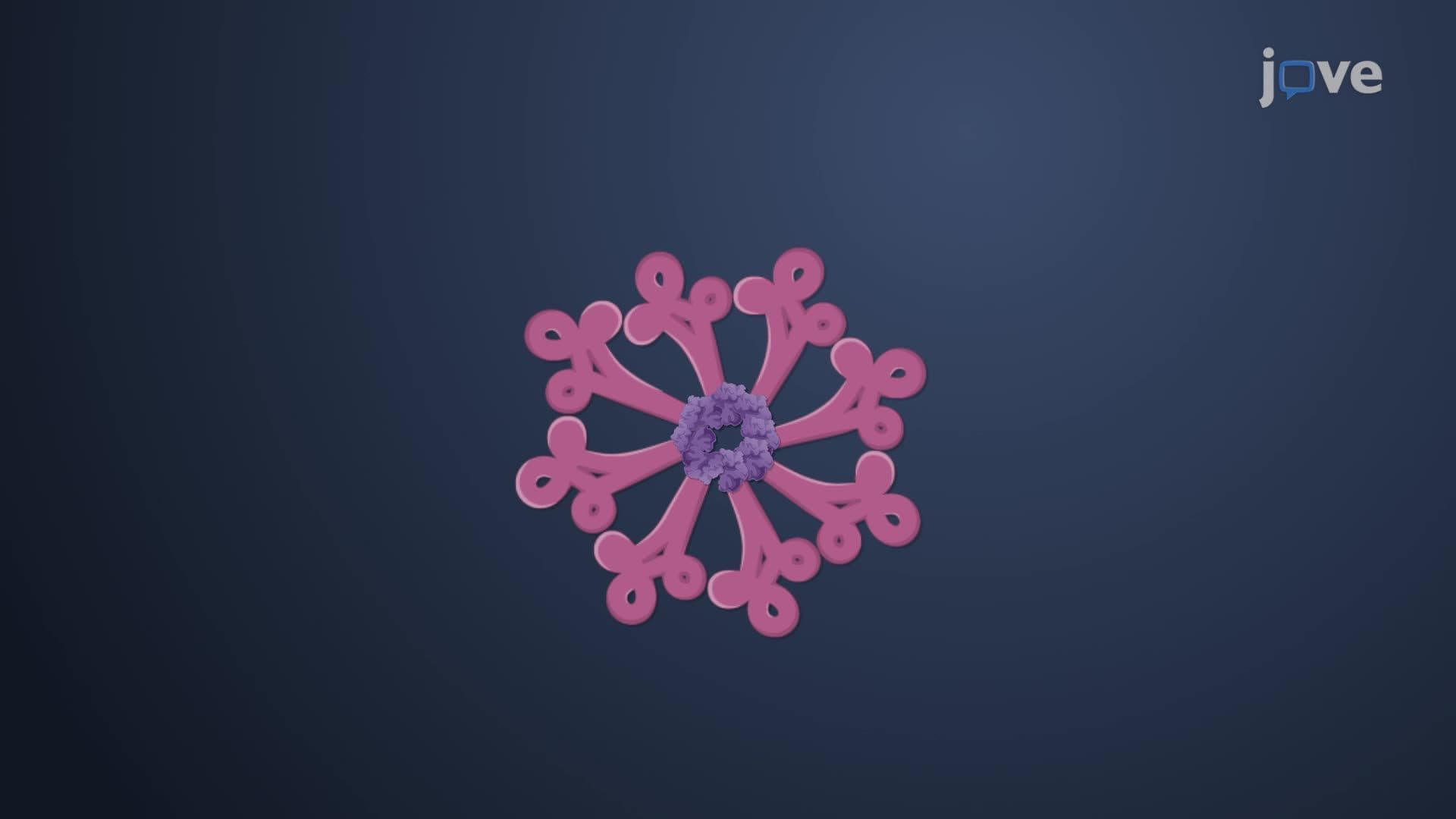
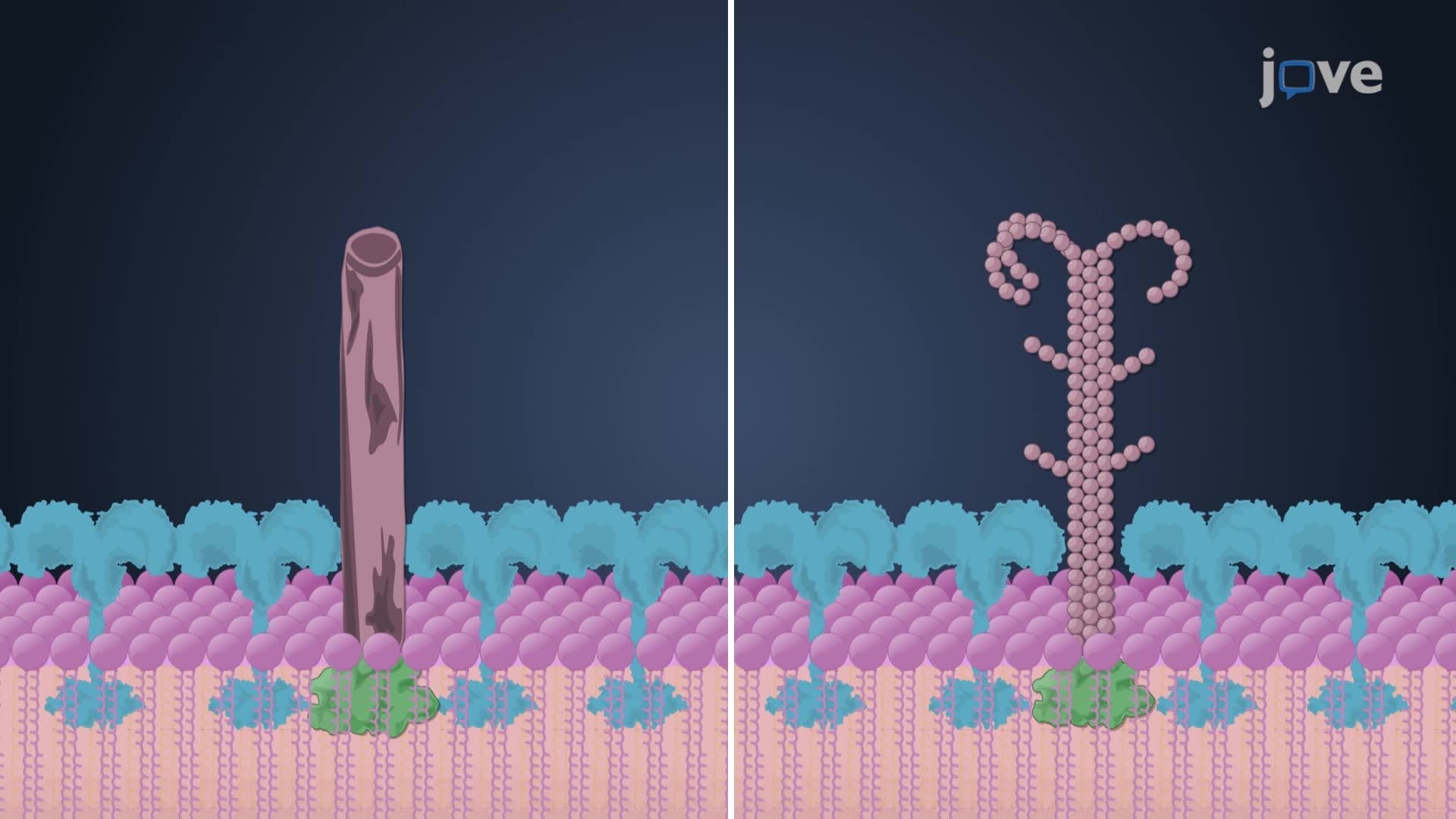
Beyond standard pili and archaella, some archaea possess highly specialized surface appendages adapted for specific environmental challenges. Cannulae, observed in thermophilic genera like Pyrodictium found in deep-sea volcanic environments, form hollow tubular connections between daughter cells following division. These structures create dense cellular networks that may facilitate resource sharing and environmental resistance. Even more remarkable are hami-hook-like structures that function as molecular grappling systems. These appendages provide exceptionally strong surface adhesion, enabling archaea to maintain position in turbulent environments such as those found in geothermal systems throughout the western United States. Understanding these specialized structures helps students appreciate the incredible diversity of archaeal adaptations and their relevance to astrobiology research conducted at NASA facilities.
Frequently Asked Questions
Surface appendages of archaea are external structures that help these ancient microorganisms move, stick to surfaces, and form communities. These include pili for adhesion, archaella for swimming, and specialized structures like hami that work like molecular hooks. Think of them as the archaea's tools for interacting with their environment.
MCAT questions often compare archaeal and bacterial appendages, focusing on energy requirements and structural differences. College microbiology exams typically test identification of appendage types and their functions. You might encounter diagrams asking you to label pili, archaella, or specialized structures, or questions about biofilm formation mechanisms.
Archaella use ATP for rotation while bacterial flagella use proton gradients, representing a key distinction between domains. AP Biology emphasizes this as evidence of archaeal uniqueness and evolutionary divergence. Both enable motility but through completely different energy mechanisms, making them excellent examples of convergent evolution.
Yellowstone National Park's hot springs contain archaea with various surface appendages, particularly in Grand Prismatic Spring and other geothermal features. Deep-sea research stations off the California and Oregon coasts study archaea from hydrothermal vents where specialized appendages like cannulae and hami are common.
Basic understanding of proteins and ATP is sufficient for most high school and introductory college courses. The concepts focus more on structure-function relationships than complex biochemistry. If you know that proteins have specific shapes and ATP provides energy, you're ready to tackle this topic successfully.
Create comparison charts between different appendage types, focusing on structure, function, and energy requirements. Practice drawing and labeling diagrams, especially for practical exams. Focus on understanding how each appendage helps archaea survive in extreme environments, as this connection frequently appears in test questions.
Explore archaeal metabolism and extremophile adaptations to understand why these appendages evolved. Study bacterial surface structures for comparison, then investigate biofilm formation mechanisms across all domains. This knowledge connects to broader topics in environmental microbiology and astrobiology.
These structures provide evidence for the three-domain system and demonstrate how similar environmental pressures can lead to different molecular solutions. They're crucial for understanding how life adapts to extreme conditions and inform our search for life on other planets, making them relevant to both evolutionary biology and astrobiology research.
Related Micro-courses