Loading subject page…
- Microbiology
- Viruses
- DNA Bacteriophages
Micro-course: Viruses
4,576 views
Learn key concepts and earn your certificate.


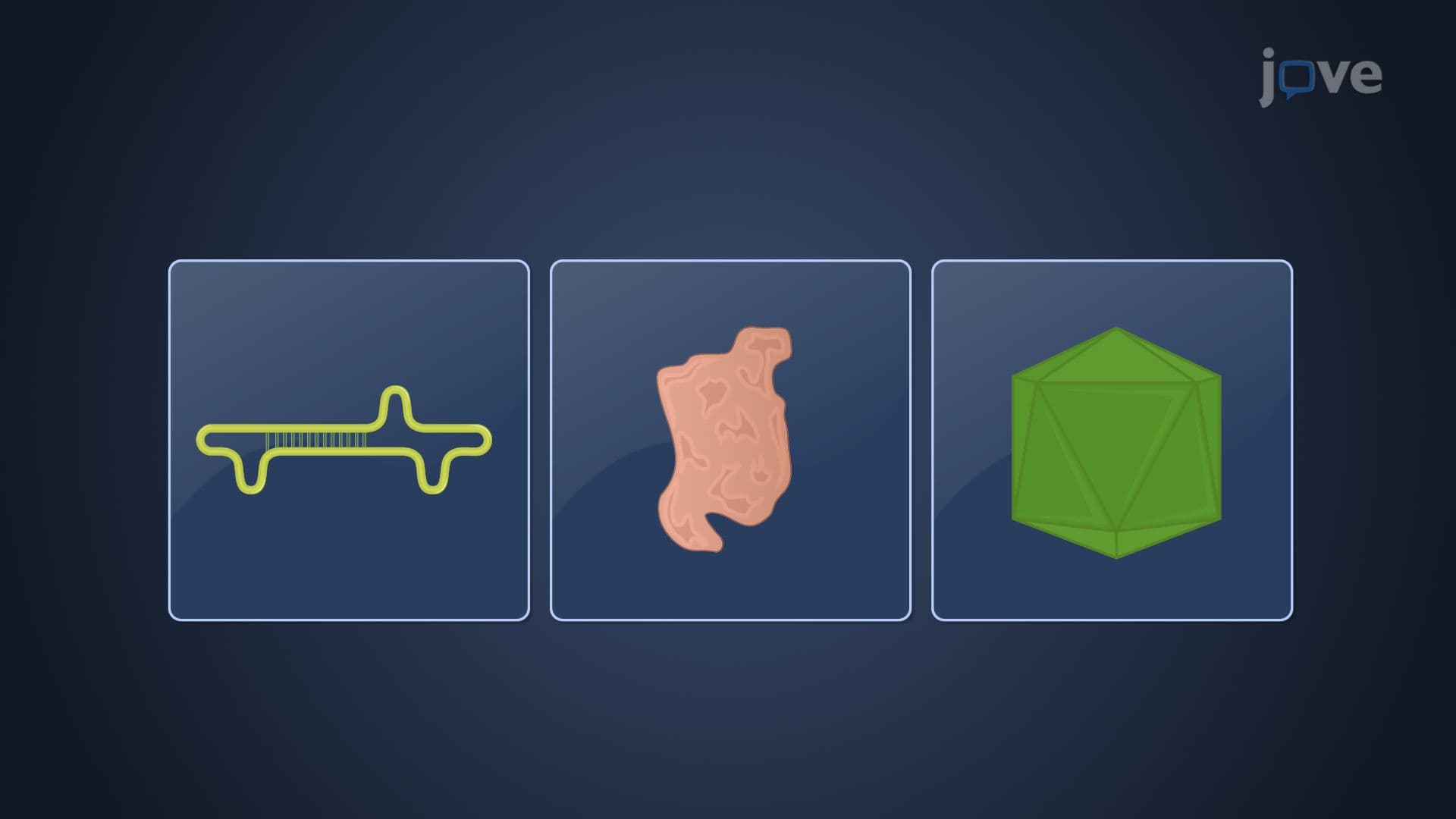
DNA Bacteriophages

00:00
01:26
Video Summary: What are DNA Bacteriophages
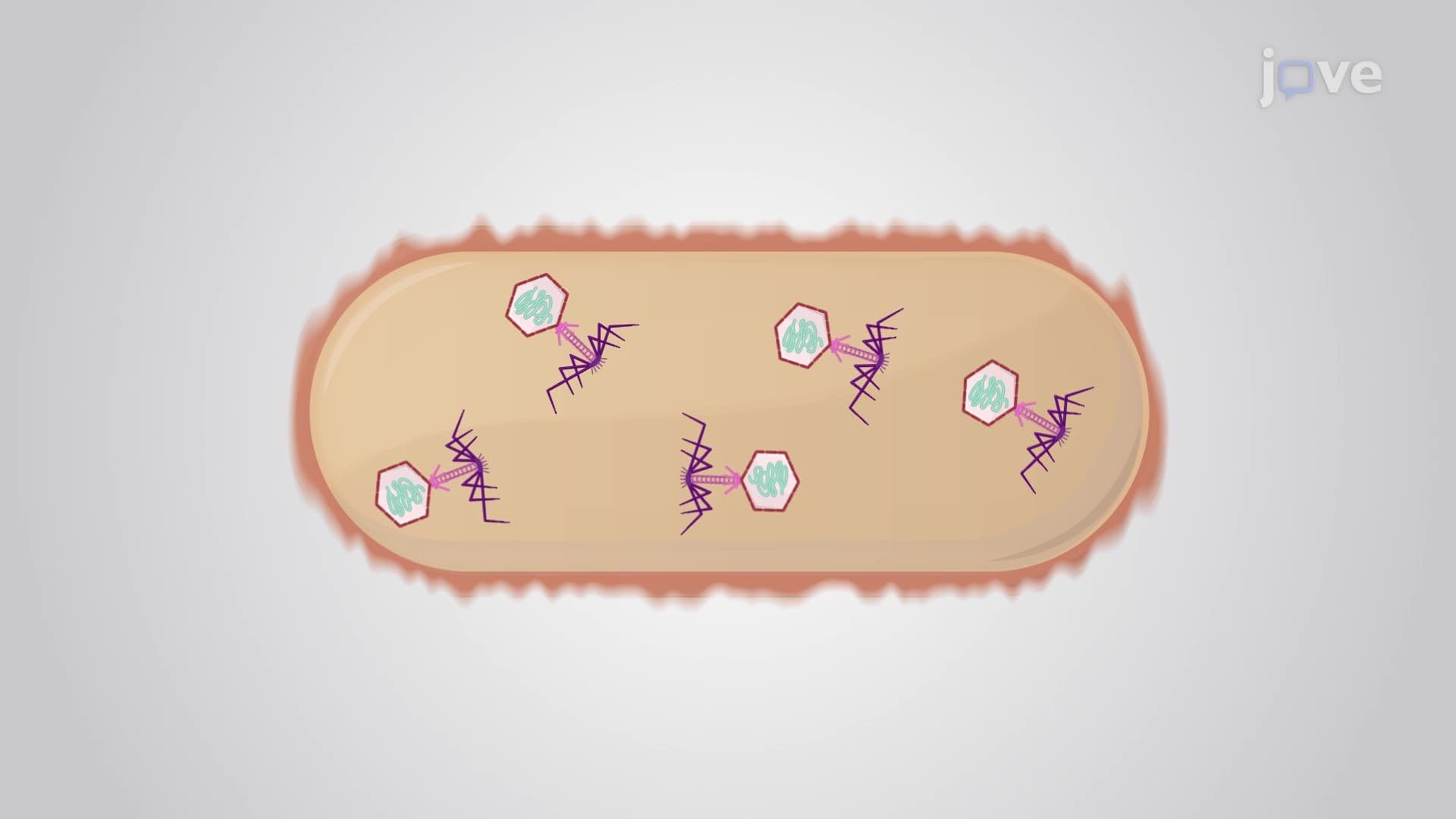
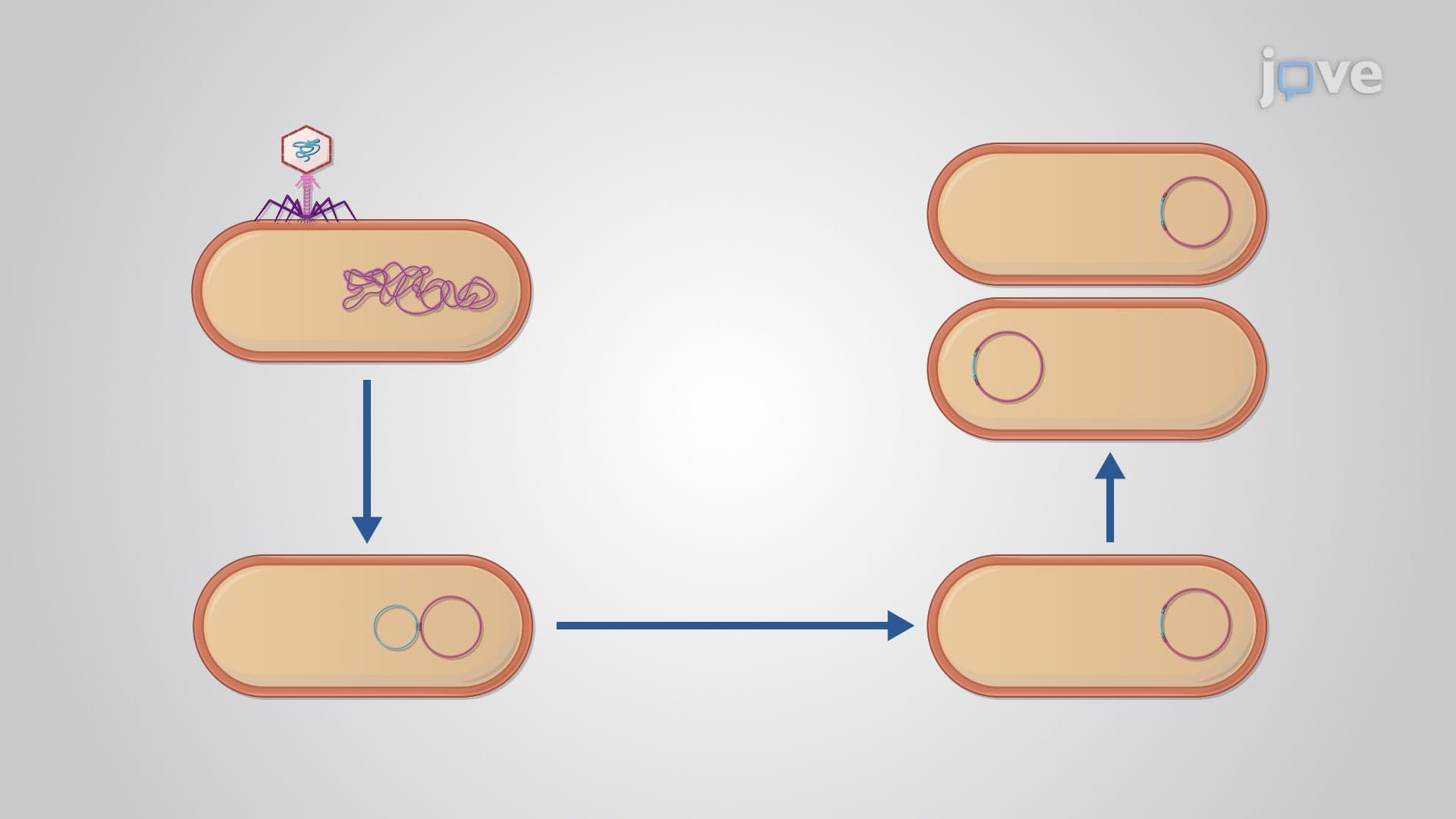
Did you know that viruses can actually infect bacteria, just like how the flu virus infects humans? DNA bacteriophages are specialized viruses that target bacterial cells by injecting their genetic material directly into the host. For instance, researchers at Johns Hopkins University use DNA bacteriophages like T7 phage to study gene expression in E. coli bacteria. These fascinating viral entities come in two main genetic forms: single-stranded DNA (ssDNA) and double-stranded DNA (dsDNA), each with unique replication strategies and host interaction mechanisms. Watch the full video on JoVE Coach to master this concept with expert-led visuals and step-by-step explanations.
- Understand what are DNA bacteriophages and their fundamental role as bacterial viruses that inject DNA into host cells
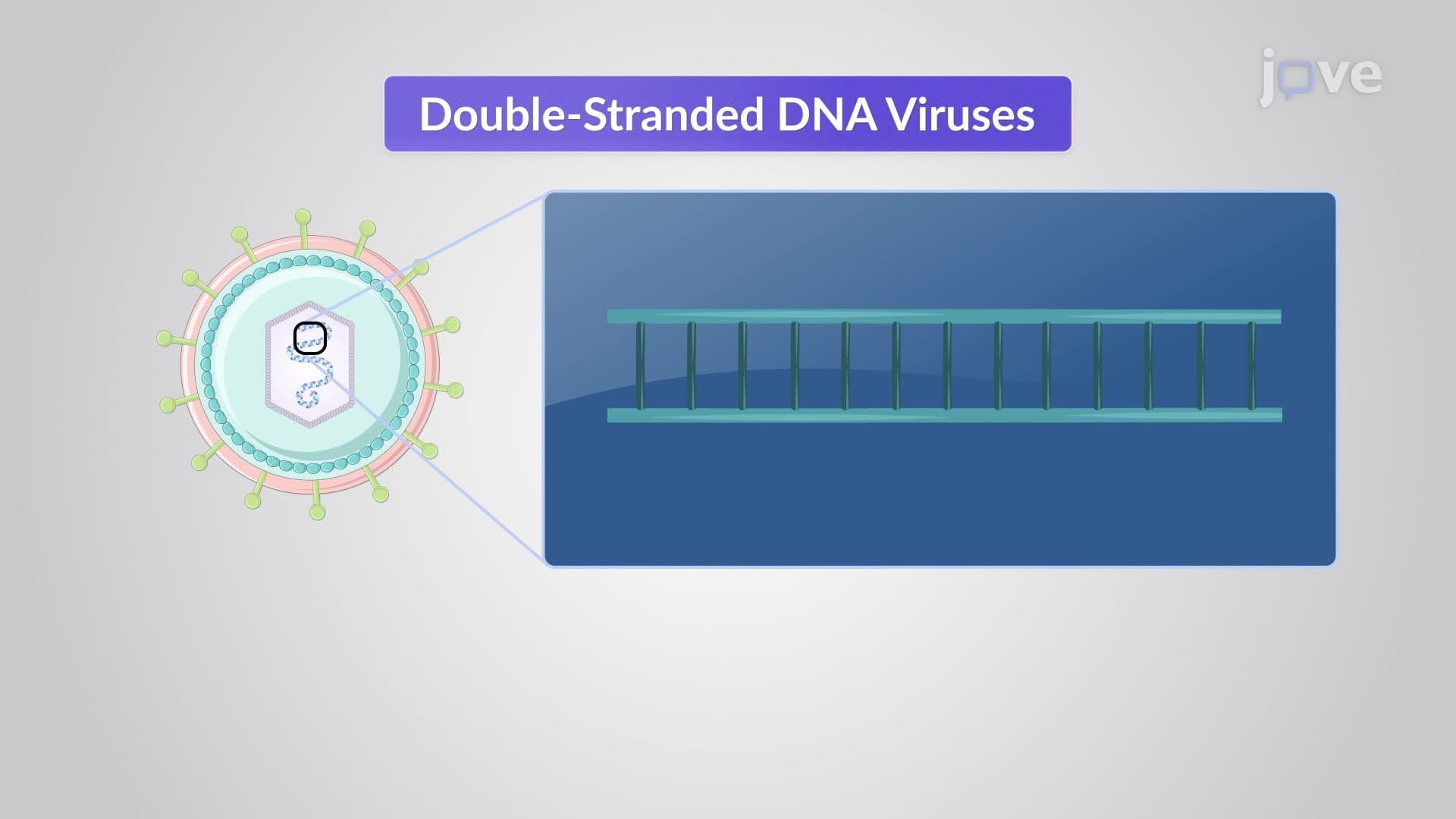
- Identify the two main types of DNA bacteriophage genomes: single-stranded DNA (ssDNA) and double-stranded DNA (dsDNA)
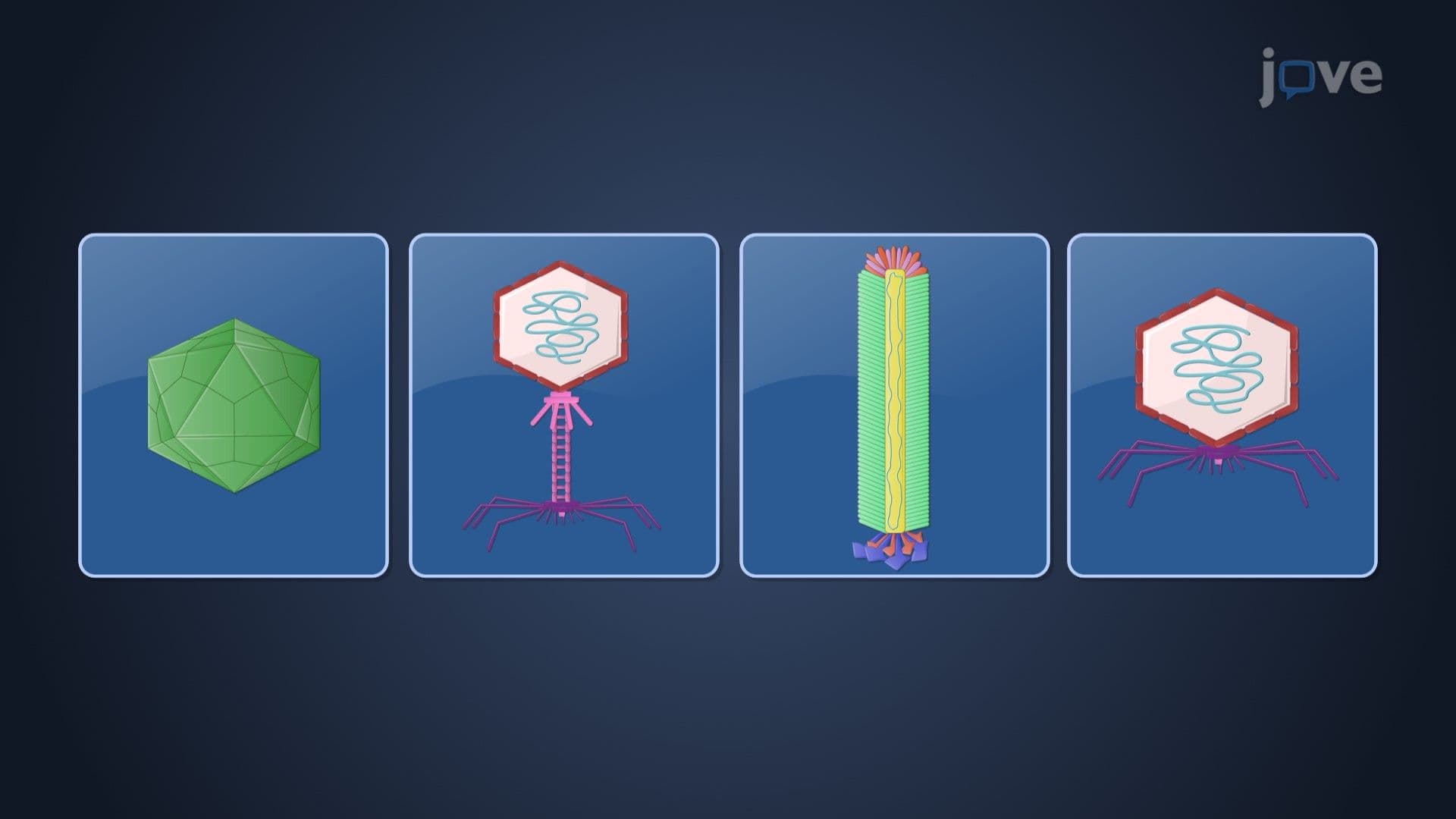
- Compare different replication strategies used by ssDNA phages, including rolling circle replication in φX174 and extrusion mechanisms in M13
- Analyze how dsDNA phages like T7 utilize bidirectional replication and terminase enzymes for genome packaging
- Evaluate the transposition-based replication mechanism employed by Mu phage and its integration into host genomes
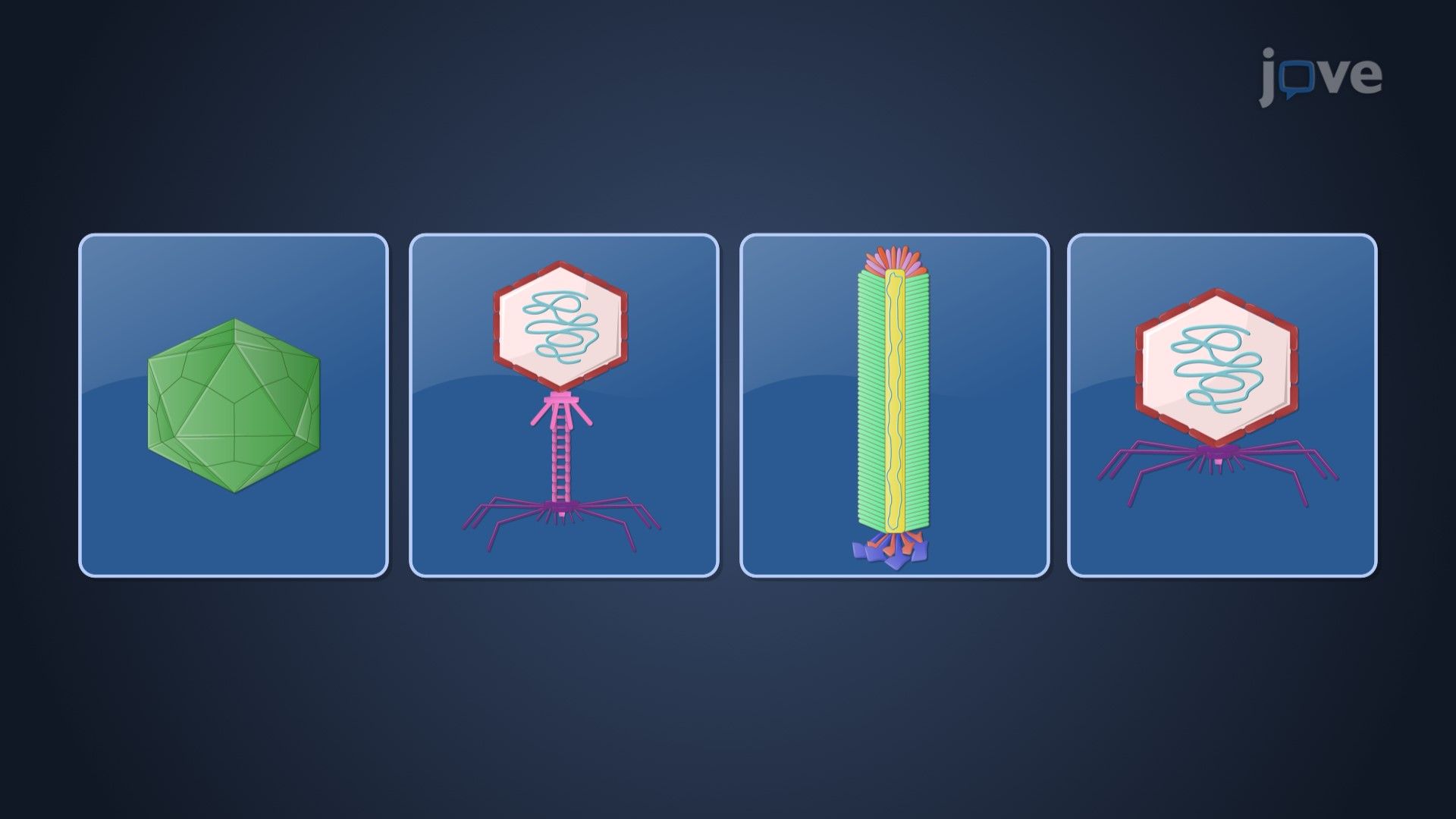
- Recognize the structural differences between icosahedral phages (φX174) and filamentous phages (M13)
- Apply knowledge of bacteriophage life cycles to distinguish between lytic and lysogenic infection patterns
- Explore real-world applications of DNA bacteriophages in biotechnology, gene therapy, and bacterial control
Understanding DNA Bacteriophages: Nature's Bacterial Hunters
DNA bacteriophages represent one of nature's most efficient bacterial control mechanisms. These viruses specifically target bacterial cells, making them invaluable tools in both research and therapeutic applications. Unlike RNA viruses, DNA bacteriophages carry their genetic instructions in DNA form, allowing for more stable genetic manipulation and predictable replication patterns.
The Centers for Disease Control and Prevention (CDC) has increasingly recognized bacteriophages as promising alternatives to antibiotics, particularly given the rise of antibiotic-resistant bacterial infections in US hospitals. This makes understanding their mechanisms crucial for students pursuing careers in medicine, biotechnology, or microbiology.
Single-Stranded DNA Bacteriophages: Compact and Efficient
Single-stranded DNA (ssDNA) bacteriophages demonstrate remarkable genetic efficiency through overlapping genes and multiple reading frames. The φX174 phage, extensively studied at Stanford University's microbiology department, contains only 5,386 nucleotides yet encodes 11 proteins through cleverly overlapping genetic sequences.
This phage employs rolling circle replication, a mechanism where the circular ssDNA genome serves as a template for continuous DNA synthesis. The process creates a double-stranded intermediate, essential for transcription and translation of viral proteins. Students encountering this concept in AP Biology or college-level microbiology courses should note how this efficient replication strategy maximizes genetic output from minimal DNA input.
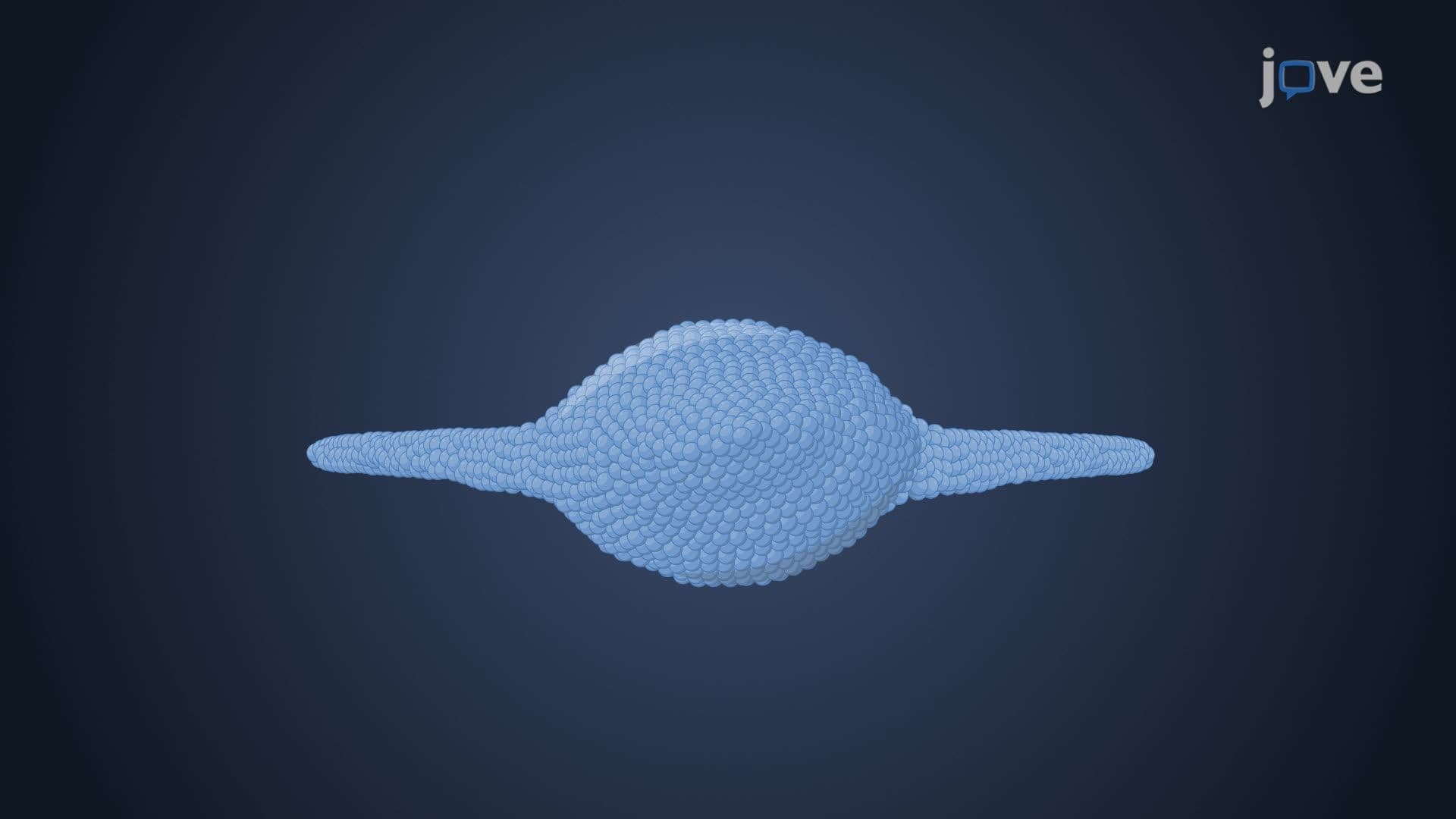
The filamentous M13 phage presents a contrasting strategy. Instead of destroying the host cell through lysis, M13 continuously extrudes new viral particles through the bacterial cell wall. This allows sustained phage production while maintaining host viability-a strategy particularly valuable in laboratory settings where researchers at institutions like MIT use M13 for phage display technologies.
Double-Stranded DNA Bacteriophages: Complex Replication Machinery
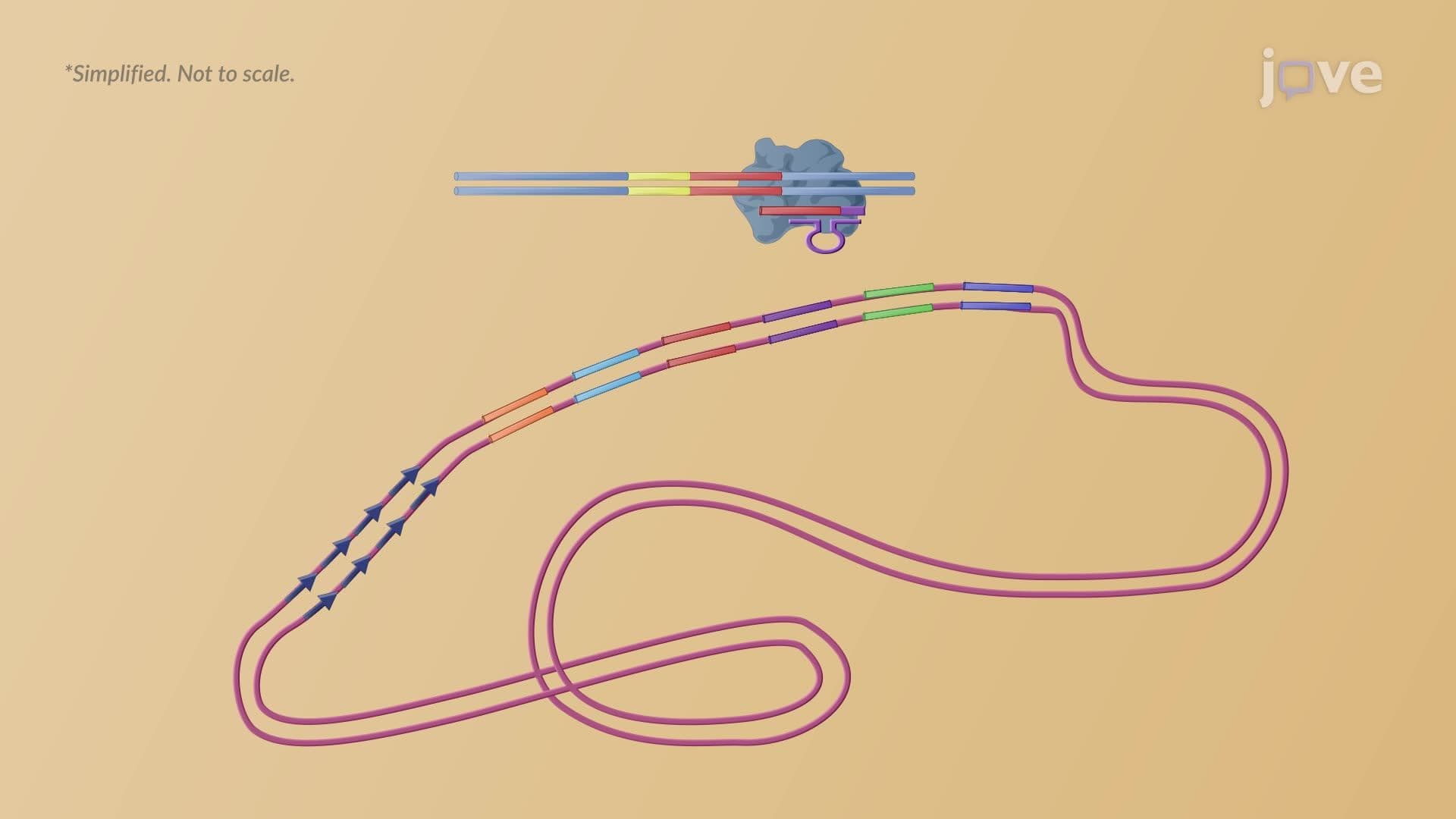
Double-stranded DNA (dsDNA) bacteriophages employ more sophisticated replication mechanisms. The T7 phage, commonly used in molecular biology laboratories across US universities, initiates bidirectional replication from its origin. This creates long concatemeric DNA molecules that must be precisely processed by terminase enzymes for proper packaging into viral capsids.
The Mu phage represents an entirely different approach, utilizing transposition for replication. This "jumping gene" mechanism allows Mu to insert copies of itself throughout the host chromosome, effectively turning the entire bacterial genome into a replication factory. This transposition-based strategy has provided researchers at Harvard Medical School with insights into genetic mobility and chromosome rearrangement mechanisms.
Students preparing for the MCAT should understand how these different replication strategies reflect evolutionary adaptations to various ecological niches and host interactions.
Frequently Asked Questions
DNA bacteriophages are viruses that specifically infect bacterial cells by injecting their DNA genetic material into the host. They exist as either single-stranded DNA (ssDNA) or double-stranded DNA (dsDNA) forms, each with unique replication strategies. These viral entities play crucial roles in bacterial ecology, biotechnology applications, and emerging antimicrobial therapies.
AP Biology often includes DNA bacteriophages in questions about viral replication mechanisms, host-pathogen interactions, and biotechnology applications. Students should focus on comparing lytic versus lysogenic cycles, understanding different DNA replication strategies, and recognizing their roles in genetic engineering. Practice identifying structural differences between icosahedral and filamentous phage types for exam success.
The MCAT frequently tests bacteriophage replication mechanisms, particularly rolling circle replication and transposition processes. Students should understand how phages manipulate host cellular machinery, their applications in molecular cloning, and their potential as antibiotic alternatives. Focus on connecting bacteriophage biology to broader themes in genetics, molecular biology, and medical applications.
DNA bacteriophages are extensively covered in microbiology, virology, molecular biology, and biotechnology courses at US universities. Students in pre-med tracks encounter them in introductory biology, genetics, and advanced molecular biology classes. They're also important in bioengineering and pharmaceutical science programs for understanding gene therapy vectors and antimicrobial development.
US hospitals and research institutions increasingly use bacteriophage therapy to treat antibiotic-resistant infections, particularly in cases involving MRSA and other superbugs. The FDA has approved several phage-based treatments, and companies like Adaptive Phage Therapeutics develop personalized phage cocktails. They're also used extensively in gene therapy research and as molecular biology tools in laboratories nationwide.
Understanding DNA bacteriophages primarily requires solid foundations in basic biology and genetics rather than advanced chemistry. Students comfortable with DNA structure, protein synthesis, and cellular processes can grasp these concepts effectively. The molecular mechanisms involve straightforward biochemical processes that build naturally on high school biology knowledge.
Create comparative diagrams showing different replication strategies side-by-side, focusing on rolling circle replication, bidirectional replication, and transposition mechanisms. Practice drawing these processes from memory and connecting each strategy to specific phage examples. Use active recall techniques and explain each mechanism aloud to solidify understanding for exam performance.
Expand your knowledge to RNA bacteriophages, temperate phages and lysogeny, and CRISPR-Cas systems derived from bacteriophage immunity. Advanced topics include phage display technology, synthetic biology applications, and emerging phage-based therapeutics. These connections will deepen your understanding of viral-bacterial interactions and biotechnology applications.
Related Micro-courses
11 Concepts

13 Concepts
26 Concepts