Loading subject page…
- Microbiology
- Viruses
- CRISPR/Cas9 Genome Editing
Micro-course: Viruses
4,576 views
Learn key concepts and earn your certificate.
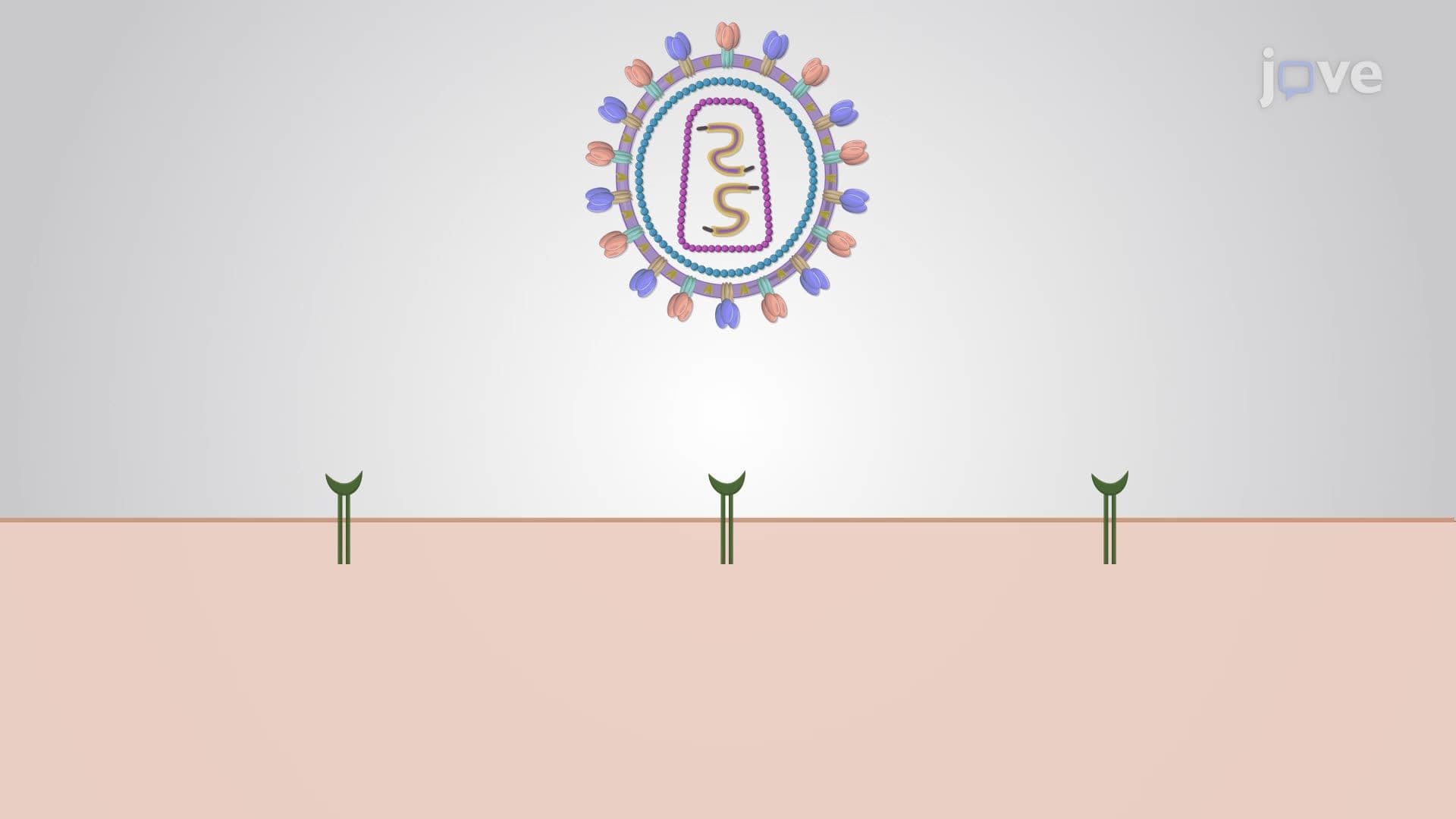

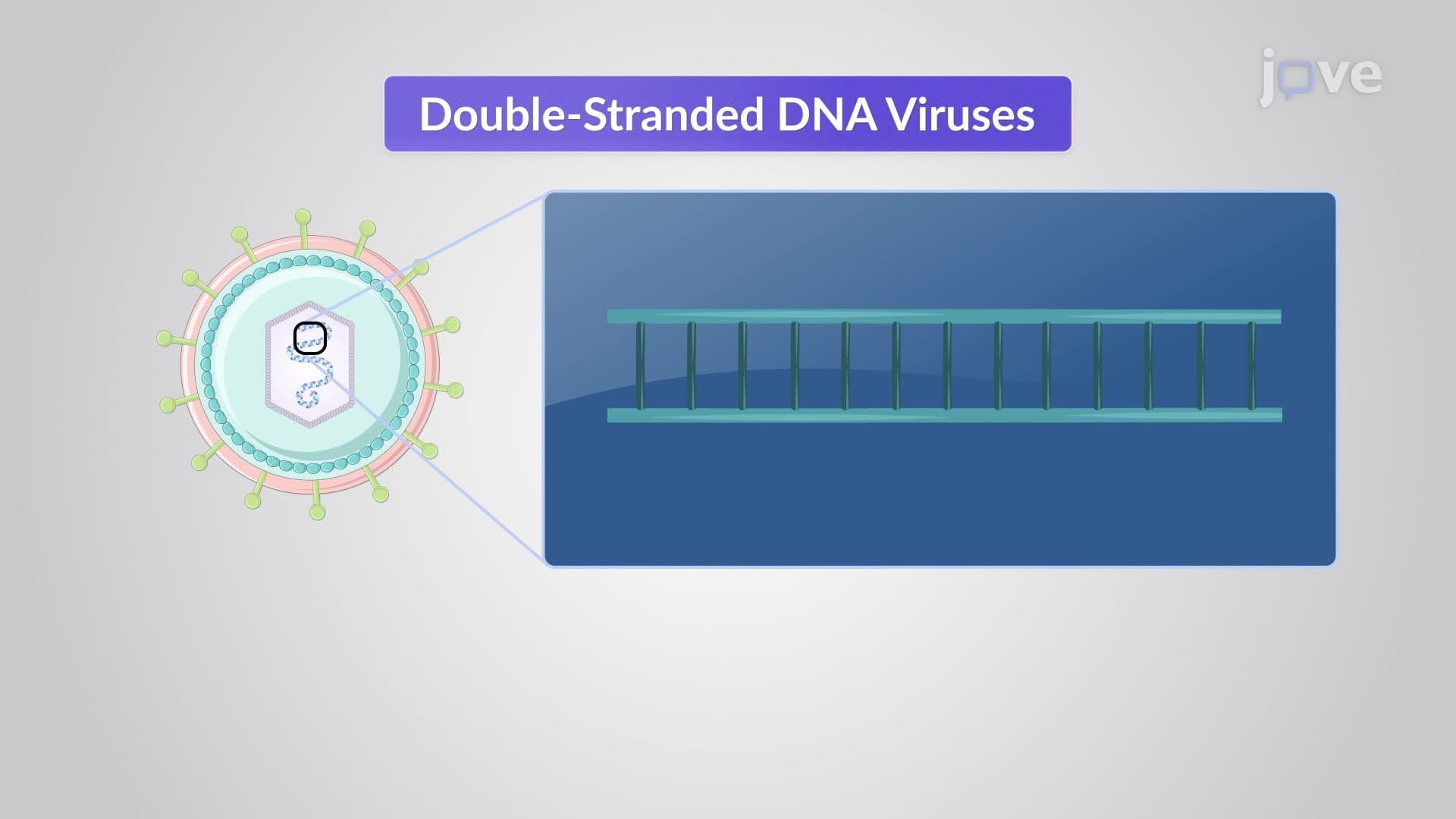
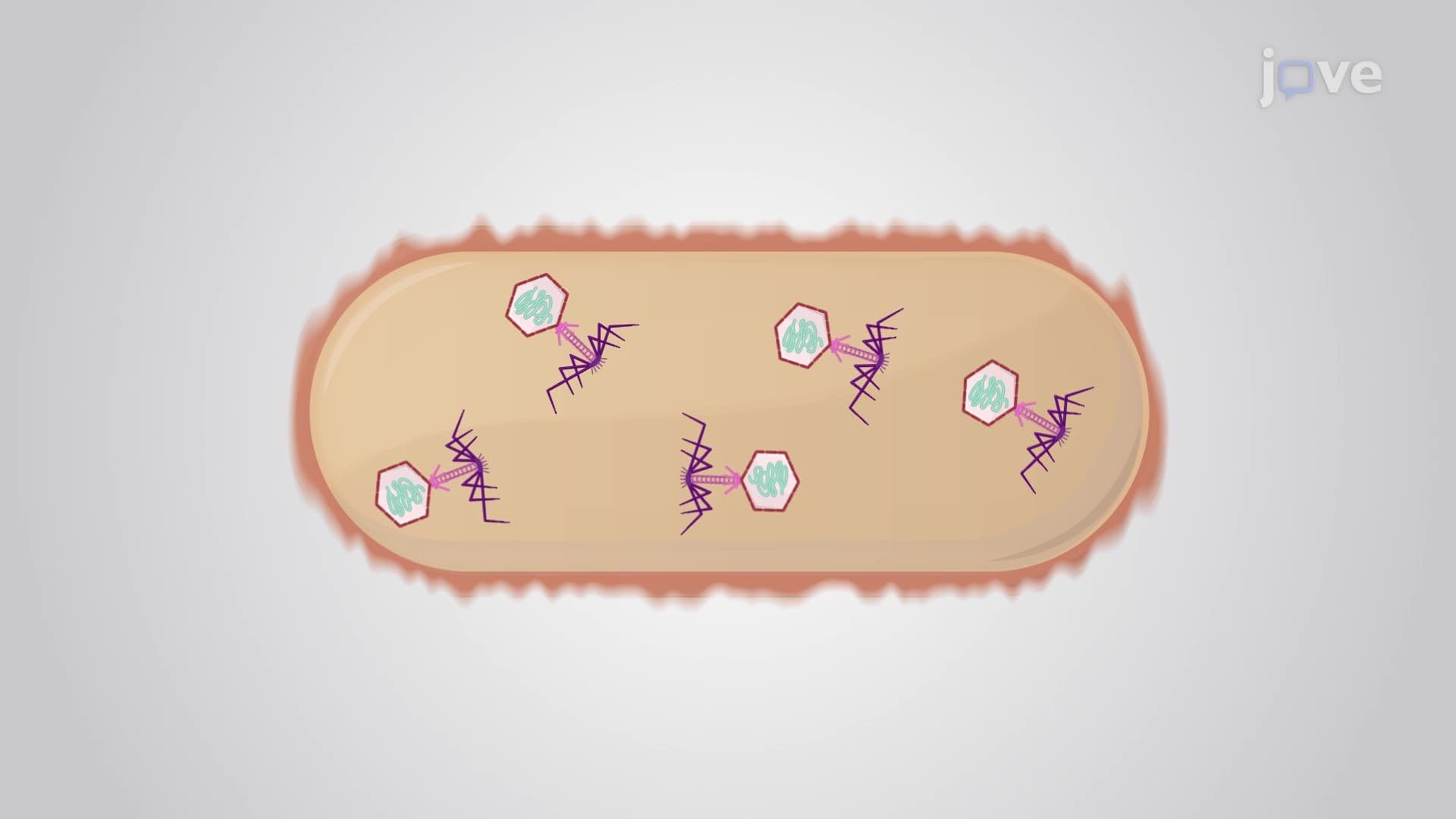


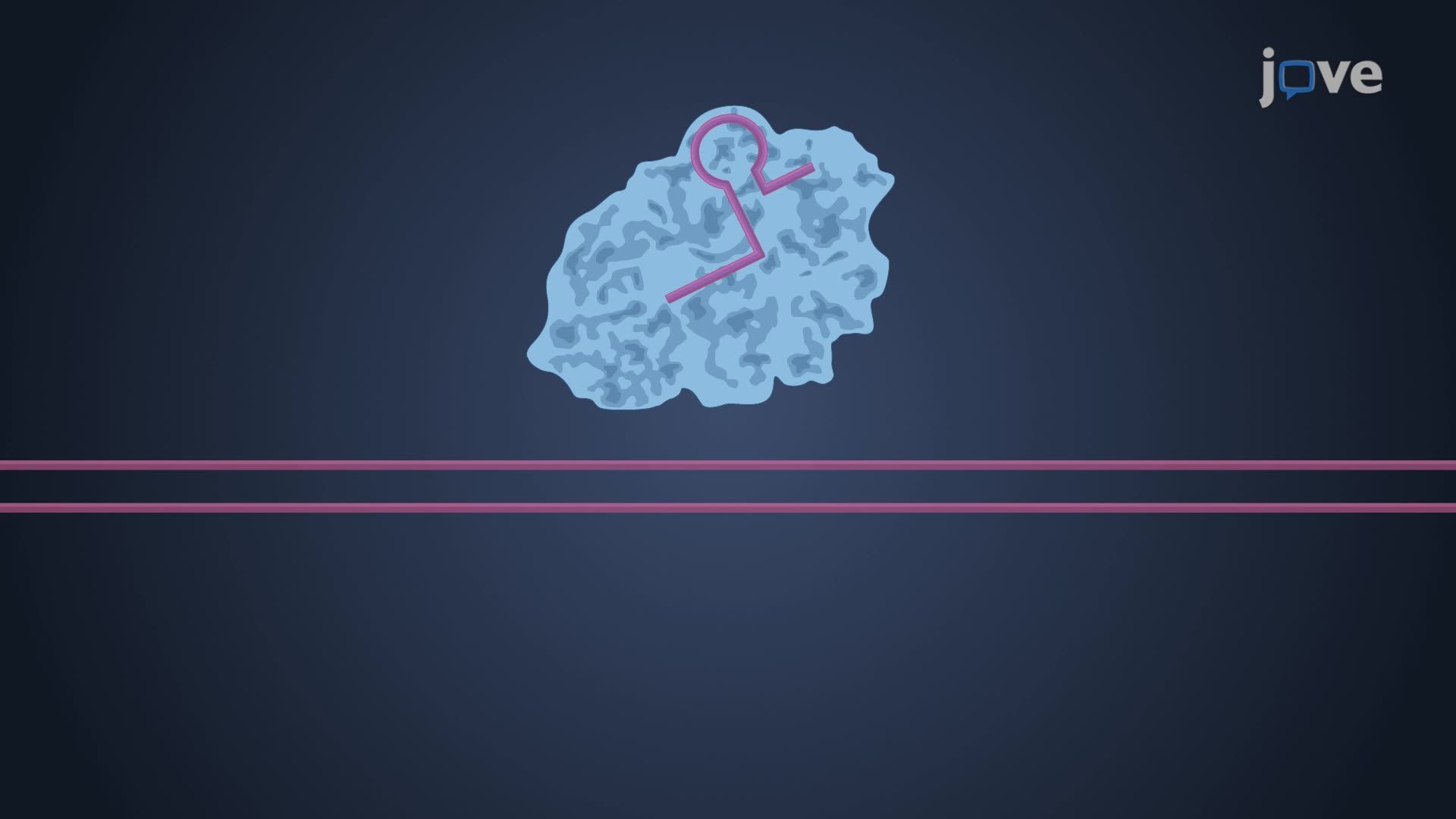
CRISPR/Cas9 Genome Editing
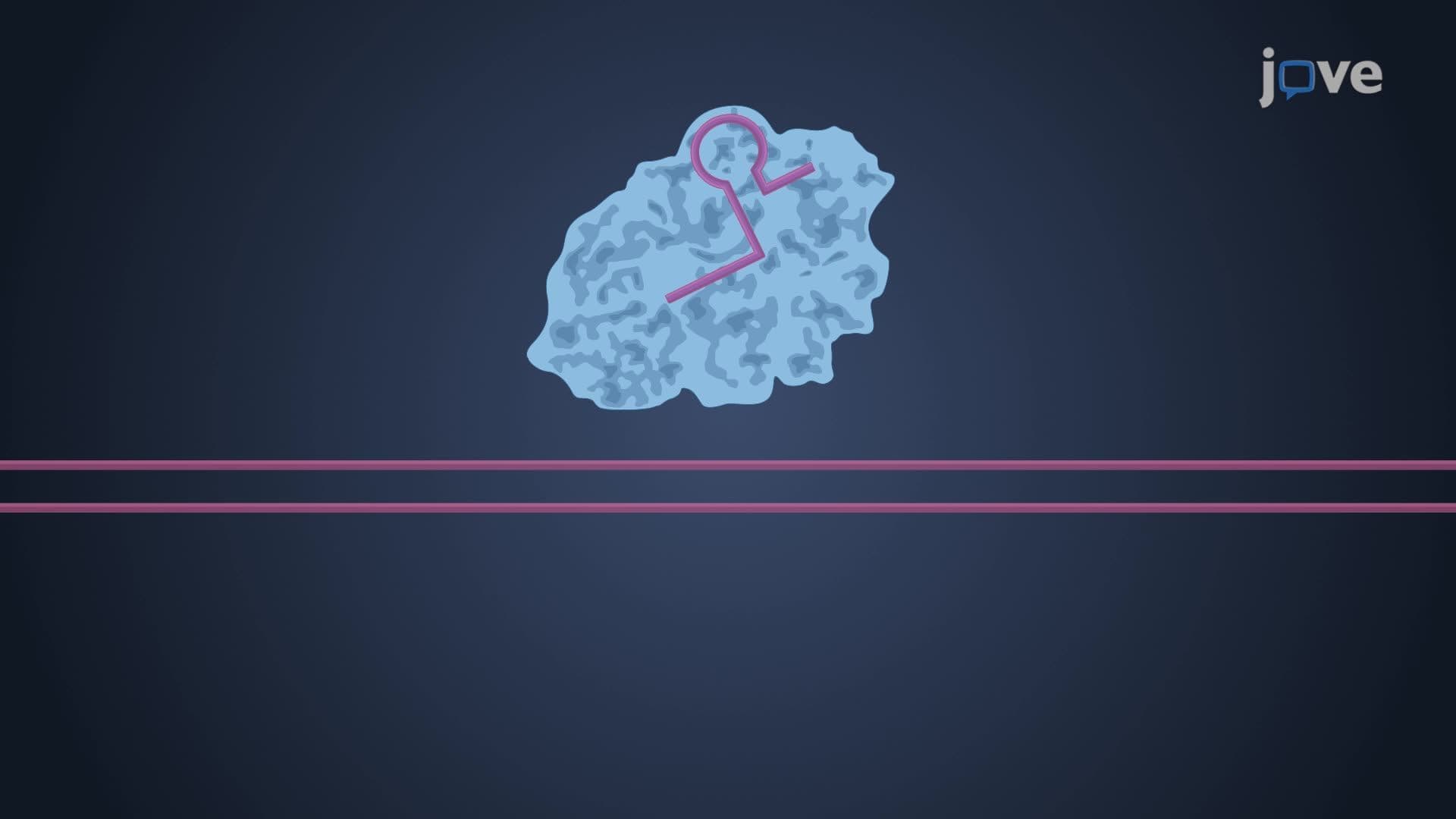

00:00
01:28
Video Summary: What Is Crispr Cas9 Genome Editing
Did you know that scientists can now edit DNA with the precision of a word processor? CRISPR CAS9 genome editing has revolutionized molecular biology by allowing researchers to cut, modify, and replace specific genes with unprecedented accuracy. This powerful technology, originally discovered as a bacterial immune system, is currently being tested in clinical trials at institutions like the University of Pennsylvania to treat sickle cell disease and cancer. Understanding what is CRISPR CAS9 genome editing opens doors to comprehending modern biotechnology and therapeutic development. Watch the full video on JoVE Coach to master this concept with expert-led visuals and step-by-step explanations.
- Understand what is CRISPR CAS9 genome editing and how it functions as a programmable molecular scissors system
- Identify the key components including Cas9 endonuclease, guide RNA (sgRNA), and Protospacer Adjacent Motif (PAM) sequences
- Analyze the two primary editing mechanisms: gene insertion through homologous recombination and gene deletion through targeted excision
- Compare single-locus editing versus multiplex genome editing capabilities for treating complex genetic disorders
- Evaluate real-world applications in treating HIV, cancer, and inherited diseases through therapeutic genome modification
- Apply knowledge of CRISPR mechanics to predict editing outcomes in laboratory and clinical scenarios
- Recognize the bacterial origins of CRISPR as an adaptive immune system that inspired biotechnology development
- Explore advanced engineering approaches like Csy4 systems for targeting RNA molecules in therapeutic applications
Understanding CRISPR CAS9 Genome Editing Fundamentals
CRISPR CAS9 genome editing represents one of the most significant breakthroughs in modern molecular biology. Originally evolved as a bacterial defense mechanism against viral infections, this system has been ingeniously repurposed to enable precise DNA modifications in virtually any organism. The acronym CRISPR stands for Clustered Regularly Interspaced Short Palindromic Repeats, which describes the unique DNA sequences that bacteria use to store memories of past viral encounters.
The Molecular Machinery Behind Gene Editing
The CRISPR CAS9 system operates through a sophisticated partnership between two main components. The Cas9 protein, derived from Streptococcus pyogenes, functions as programmable molecular scissors capable of cutting DNA at specific locations. The second component, a synthetic guide RNA (sgRNA), acts as a GPS system that directs Cas9 to the precise genomic target. This guide RNA must find a complementary DNA sequence adjacent to a Protospacer Adjacent Motif (PAM), typically a short NGG sequence that serves as a molecular landmark for Cas9 recognition.
Gene Insertion and Deletion Mechanisms
CRISPR technology enables two primary types of genetic modifications that are frequently tested on AP Biology exams and college biochemistry courses. For gene insertion, researchers design a single sgRNA that guides Cas9 to create a double-strand break at the target site. The cell's natural repair machinery then incorporates a desired DNA sequence through homologous recombination, effectively installing new genetic information. Gene deletion requires a more complex approach using two sgRNAs that direct Cas9 to cut at both ends of the target region. The unwanted DNA segment is excised, and cellular repair systems join the remaining ends, permanently removing the targeted sequence.
Clinical Applications and Future Prospects
The therapeutic potential of CRISPR CAS9 genome editing is being actively explored in numerous US clinical trials. Researchers at institutions like the National Institutes of Health and major medical centers are investigating treatments for sickle cell disease, beta-thalassemia, and certain cancers. One particularly promising application involves excising HIV DNA from infected T-cells, potentially offering a functional cure for AIDS patients. Advanced systems like Csy4 are being developed to target viral RNA molecules, expanding the toolkit beyond DNA editing to include RNA-based therapeutics.
Frequently Asked Questions
CRISPR CAS9 genome editing is a revolutionary molecular tool that allows scientists to make precise changes to DNA sequences in living cells. It works by using a guide RNA to direct the Cas9 protein to cut specific DNA locations, enabling researchers to add, remove, or modify genes with unprecedented accuracy and efficiency.
Yes, CRISPR technology frequently appears on both MCAT and AP Biology exams as it represents cutting-edge molecular biology. You should understand the basic mechanism, components (Cas9, sgRNA, PAM sequences), and applications for gene insertion and deletion. Focus on how it relates to DNA repair mechanisms and biotechnology applications.
CRISPR concepts are very manageable for high school students with basic biology knowledge. If you understand DNA structure, protein function, and cellular processes, you have the foundation needed. The key is focusing on the main components and their roles rather than getting overwhelmed by technical details.
US researchers are using CRISPR to treat sickle cell disease at Boston Children's Hospital, develop cancer therapies at Memorial Sloan Kettering, and create disease-resistant crops through agricultural biotechnology companies. Clinical trials are ongoing for treating inherited blindness, muscular dystrophy, and HIV infection.
Create a flowchart showing the step-by-step process from sgRNA design to DNA cutting and repair. Practice drawing the molecular interactions and memorize the key components. Focus on comparing insertion versus deletion mechanisms, and be able to predict outcomes when given different sgRNA configurations.
Absolutely! CRISPR knowledge connects to DNA repair mechanisms, gene regulation, biotechnology applications, and therapeutic development. It's an excellent foundation for understanding modern genetic engineering, synthetic biology, and personalized medicine approaches that are transforming healthcare and research.
Explore advanced gene editing techniques like base editing and prime editing, which offer even more precise modifications. Study gene therapy delivery systems, regulatory approval processes for genetic medicines, and ethical considerations in human genome editing to build comprehensive expertise in modern biotechnology.
USMLE questions often focus on CRISPR's therapeutic applications, mechanism of action, and potential side effects. You should understand how it compares to traditional gene therapy approaches, its use in creating disease models, and current clinical applications for treating genetic disorders and cancers.
Yes, multiplex editing allows CRISPR to modify several genes at once by using multiple sgRNAs in the same experiment. This capability is particularly valuable for treating complex genetic diseases, removing multiple viral insertions, or engineering organisms with multiple desired traits for research or therapeutic purposes.
Related Micro-courses

11 Concepts

13 Concepts
26 Concepts