Loading subject page…


4,576 views


Video Summary: What Is Viruses of Archaea
Did you know that viruses can survive in boiling water and acid environments that would instantly kill most life forms? Viruses of archaea represent some of nature's most extreme survivors, infecting ancient microorganisms called archaea in places like Yellowstone National Park's hot springs. These remarkable viral entities display unique structures-from spindle shapes to lemon forms with tails-and possess extraordinary heat resistance that challenges our understanding of life's limits. Watch the full video on JoVE Coach to master this concept with expert-led visuals and step-by-step explanations.
Viruses of archaea represent a fascinating intersection of virology and extremophile biology, infecting some of Earth's most ancient and resilient microorganisms. Unlike conventional viruses that target bacteria or eukaryotes, these specialized pathogens have evolved to thrive alongside their archaeal hosts in environments that mirror early Earth conditions-scalding hot springs, acidic pools, and hypersaline lakes found across the American West.
The genomic architecture of archaeal viruses demonstrates remarkable diversity. Most possess double-stranded DNA genomes, but single-stranded DNA and RNA variants exist, reflecting millions of years of co-evolution with their hosts. The Sulfolobus spindle-shaped virus (SSV) exemplifies this adaptation with its compact 15-kilobase circular genome encoding essential replication and structural proteins. This streamlined genetic package enables rapid reproduction in the extreme conditions of places like Yellowstone's sulfur springs.
The morphological diversity of these viruses surpasses that of most viral families. SSV virions form distinctive rosette clusters of spindle-shaped particles, while Sulfolobus filamentous viruses maintain rigid, rod-like structures despite extreme heat exposure. Perhaps most intriguing is the Acidianus two-tailed virus, which undergoes dramatic structural changes post-release, developing characteristic tail appendages that may facilitate host recognition or environmental survival.
The heat resistance capabilities of archaeal viruses present significant implications for both basic science and biotechnology. PAV1's ability to remain viable at 100°C (212°F) demonstrates protein stability mechanisms that could revolutionize enzyme design for industrial applications. This thermal tolerance, common among archaeal viruses, reflects sophisticated protein folding patterns and genomic stability mechanisms that maintain viral integrity under conditions lethal to most biological systems.
For students preparing for advanced placement biology or college microbiology courses, understanding archaeal viruses provides insight into the limits of life and the diversity of viral strategies. These concepts frequently appear in MCAT biological foundations questions, particularly regarding extremophile adaptations and viral classification systems.
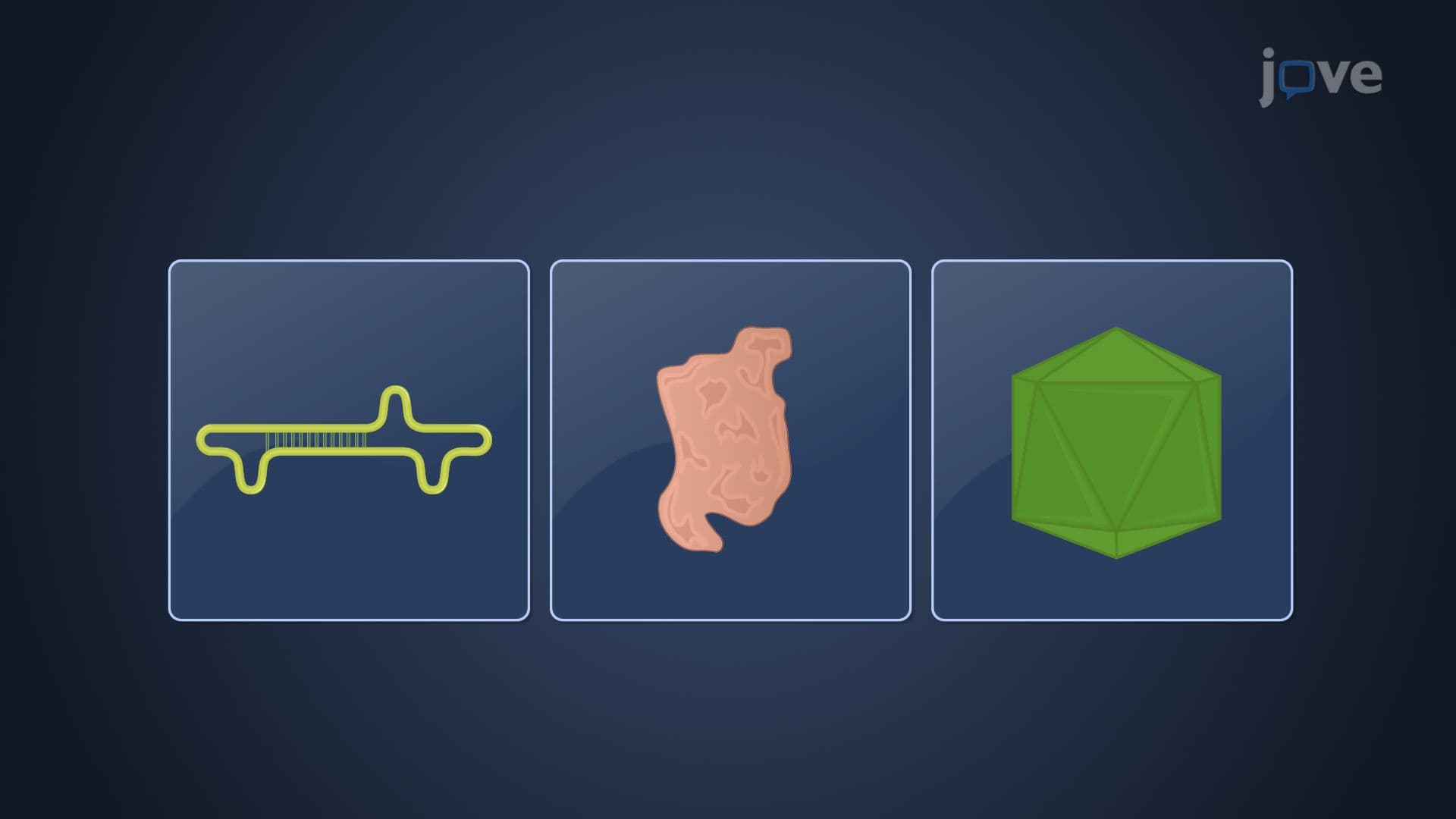
Metagenomic analyses of extreme environments continue revealing new archaeal virus diversity, particularly RNA viruses in acidic geothermal features throughout the Rocky Mountain region. While none have been successfully cultured, their genetic signatures suggest novel replication strategies and host interaction mechanisms that could expand our understanding of viral evolution and early life processes.
Related Micro-courses