Loading subject page…
- Microbiology
- Control of Microbial Growth
- Physical Methods for Controlling Microbial Growth: Temperature
Micro-course: Control of Microbial Growth
4,239 views
Learn key concepts and earn your certificate.




Physical Methods for Controlling Microbial Growth: Temperature

00:00
01:23
Video Summary: Using Temperature as a Physical Method to Control Microbial Growth
Ever wonder why your grandmother's pressure cooker can sterilize medical instruments while regular boiling water cannot? Physical methods controlling microbial growth through temperature manipulation is a cornerstone of food safety and medical sterilization. From the autoclave systems used in every US hospital to the HTST pasteurization process that makes your morning milk safe to drink, Using Temperature as a Physical Method to Control Microbial Growth governs countless applications in healthcare and food production. Watch the full video on JoVE Coach to master this concept with expert-led visuals and step-by-step explanations.
- Understand how Using Temperature as a Physical Method to Control Microbial Growth functions through protein denaturation and cellular damage mechanisms
- Identify key temperature-based parameters including thermal death time (TDT), thermal death point (TDP), and decimal reduction time (D-value)
- Compare the effectiveness of moist heat versus dry heat sterilization methods and explain why pressurized steam achieves superior microbial kill rates
- Analyze the relationship between temperature, time, and microbial destruction in various sterilization protocols
- Evaluate different pasteurization methods (HTST vs UHT) and their applications in food safety
- Apply temperature-based sterilization principles to predict treatment outcomes for different microbial species
- Recognize the critical role of pressure in achieving temperatures above 100°C for spore destruction
- Explore real-world applications in healthcare settings, food processing, and laboratory sterilization procedures
Understanding Temperature-Based Microbial Control
Using Temperature as a Physical Method to Control Microbial Growth represents one of the most fundamental and widely applied sterilization approaches in modern healthcare and food safety. This method works by disrupting essential cellular proteins through thermal denaturation, effectively destroying the microorganism's ability to maintain vital functions. Unlike chemical methods, temperature-based control offers predictable, quantifiable results that form the backbone of sterilization protocols worldwide.
Critical Temperature Parameters and Measurements
Understanding the quantitative aspects of thermal sterilization is essential for both academic success and practical applications. The thermal death time (TDT) represents the duration required to achieve complete sterilization at a specific temperature, while the thermal death point (TDP) identifies the minimum temperature needed to kill all microorganisms within exactly 10 minutes. These parameters appear frequently on AP Biology exams and college microbiology assessments.
The D-value or decimal reduction time provides perhaps the most practical measurement for sterilization planning. This parameter indicates the time required to reduce a bacterial population by 90% (one log reduction) at a specific temperature. For example, if Clostridium botulinum spores have a D-value of 12 minutes at 121°C, it would take 72 minutes to achieve a 6-log reduction (99.9999% kill rate), the standard for commercial food sterilization.
Moist Heat vs. Dry Heat: Why Water Makes the Difference
The superior effectiveness of moist heat over dry heat sterilization stems from water's ability to penetrate microbial cells and denature proteins more efficiently. Steam carries significantly more energy than dry air at equivalent temperatures, leading to faster protein coagulation and cell death. This principle explains why autoclaves, used in every US hospital and dental office, utilize pressurized steam rather than dry heat.
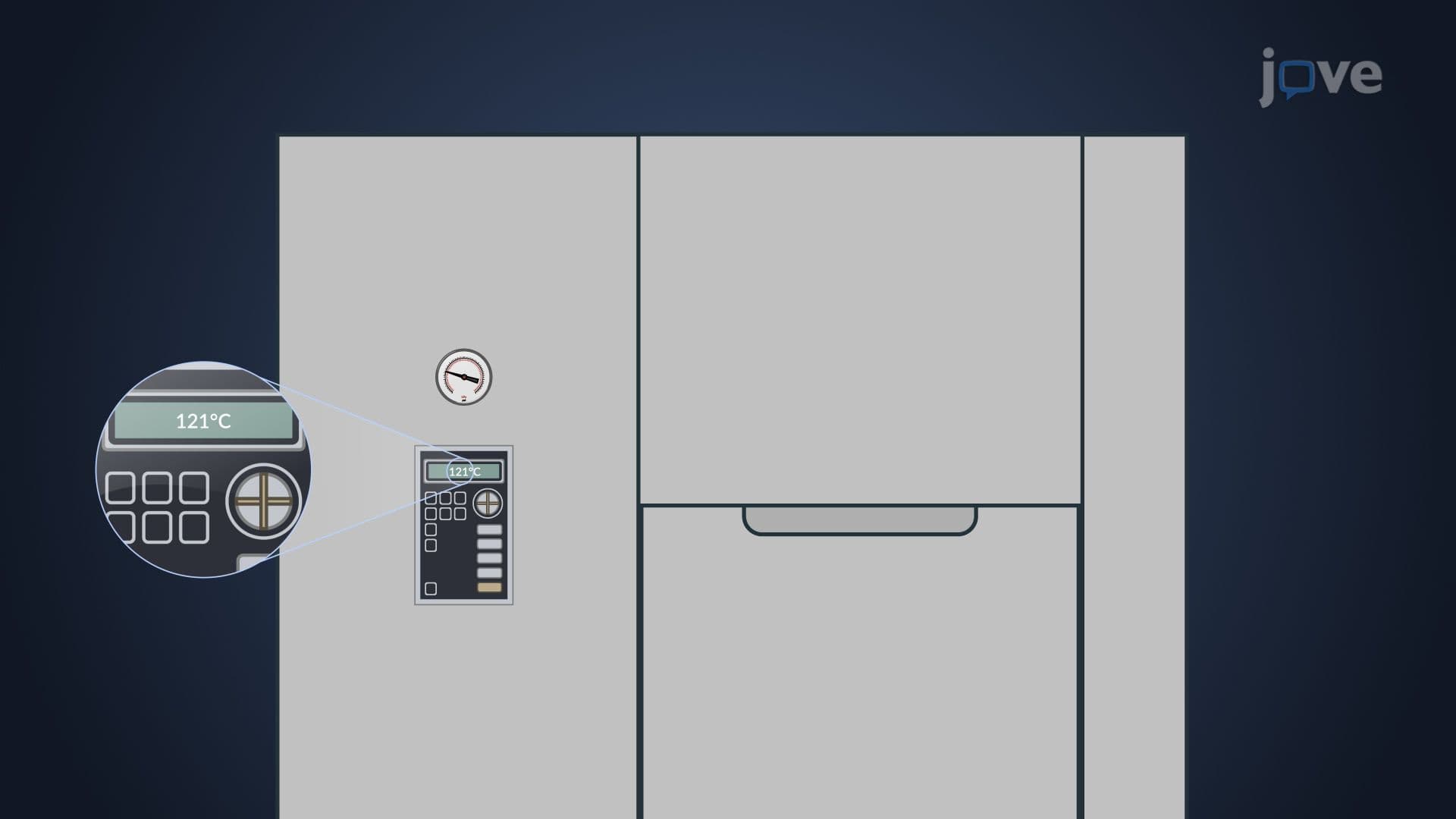
Autoclaves achieve temperatures of 121°C (250°F) under 15 psi pressure, conditions impossible with standard boiling water. This temperature-pressure combination destroys even the most heat-resistant bacterial endospores, including those of Bacillus and Clostridium species that routinely survive 100°C boiling temperatures.
Modern Pasteurization: Balancing Safety and Quality
Contemporary food safety relies heavily on optimized temperature treatments that maximize microbial reduction while preserving nutritional and sensory qualities. High-Temperature Short-Time (HTST) pasteurization heats milk to 72°C for exactly 15 seconds, eliminating pathogenic bacteria while maintaining taste and nutritional value. This process, standard across US dairy operations, demonstrates how precise temperature-time relationships achieve specific safety outcomes.
Ultra-High Temperature (UHT) processing pushes temperatures to 135°C for 1-2 seconds, creating shelf-stable products that require no refrigeration until opened. These applications frequently appear in MCAT passages and food science coursework, emphasizing the practical importance of understanding temperature-based microbial control.
Frequently Asked Questions
Using Temperature as a Physical Method to Control Microbial Growth involves applying heat to destroy microorganisms by denaturing essential proteins and disrupting cellular functions. This approach includes sterilization methods like autoclaving, pasteurization, and dry heat treatment. It's one of the most reliable and widely used sterilization techniques in healthcare and food safety.
MCAT and AP Biology exams frequently test thermal death parameters, D-values, and comparisons between moist and dry heat sterilization. Expect questions about autoclave conditions (121°C, 15 psi), pasteurization temperatures, and calculations involving log reductions. Practice problems often involve determining sterilization times or comparing treatment effectiveness between different organisms.
Yes, temperature-based microbial control is a core topic in college microbiology courses and appears on virtually every midterm exam. Students must understand TDT, TDP, and D-value calculations, plus be able to explain why pressurized steam sterilizes more effectively than boiling water. Many professors include practical scenarios involving hospital sterilization or food processing applications.
Every US hospital uses autoclaves operating at 121°C under pressure to sterilize surgical instruments, laboratory equipment, and medical waste. Dental offices employ similar systems for instrument sterilization, while pharmaceutical companies use validated thermal processes for drug manufacturing. Even tattoo parlors must follow state-mandated autoclave protocols for equipment sterilization.
No advanced chemistry background is required to master temperature-based microbial control. The concept relies on understanding protein denaturation, essentially that heat changes protein shapes, making them non-functional. Basic biology knowledge of proteins and cellular functions provides sufficient foundation. High school chemistry concepts about molecular motion and energy transfer enhance understanding but aren't prerequisites.
Create flashcards linking specific temperatures to applications: 121°C for autoclave sterilization, 72°C for HTST pasteurization, 100°C for standard boiling. Practice D-value calculations using realistic scenarios like food processing or laboratory sterilization. Make connections between temperature-time relationships, higher temperatures require shorter treatment times for equivalent microbial kill rates.
Progress to chemical sterilization methods (disinfectants, antiseptics) and radiation-based sterilization (UV, gamma rays) to understand the complete spectrum of microbial control. Study filtration methods for heat-sensitive materials, then explore preservation techniques combining multiple approaches. Understanding antimicrobial resistance mechanisms provides valuable context for why physical methods remain essential in modern healthcare.
Related Micro-courses