Loading video…

 6 Concepts
 4.2K views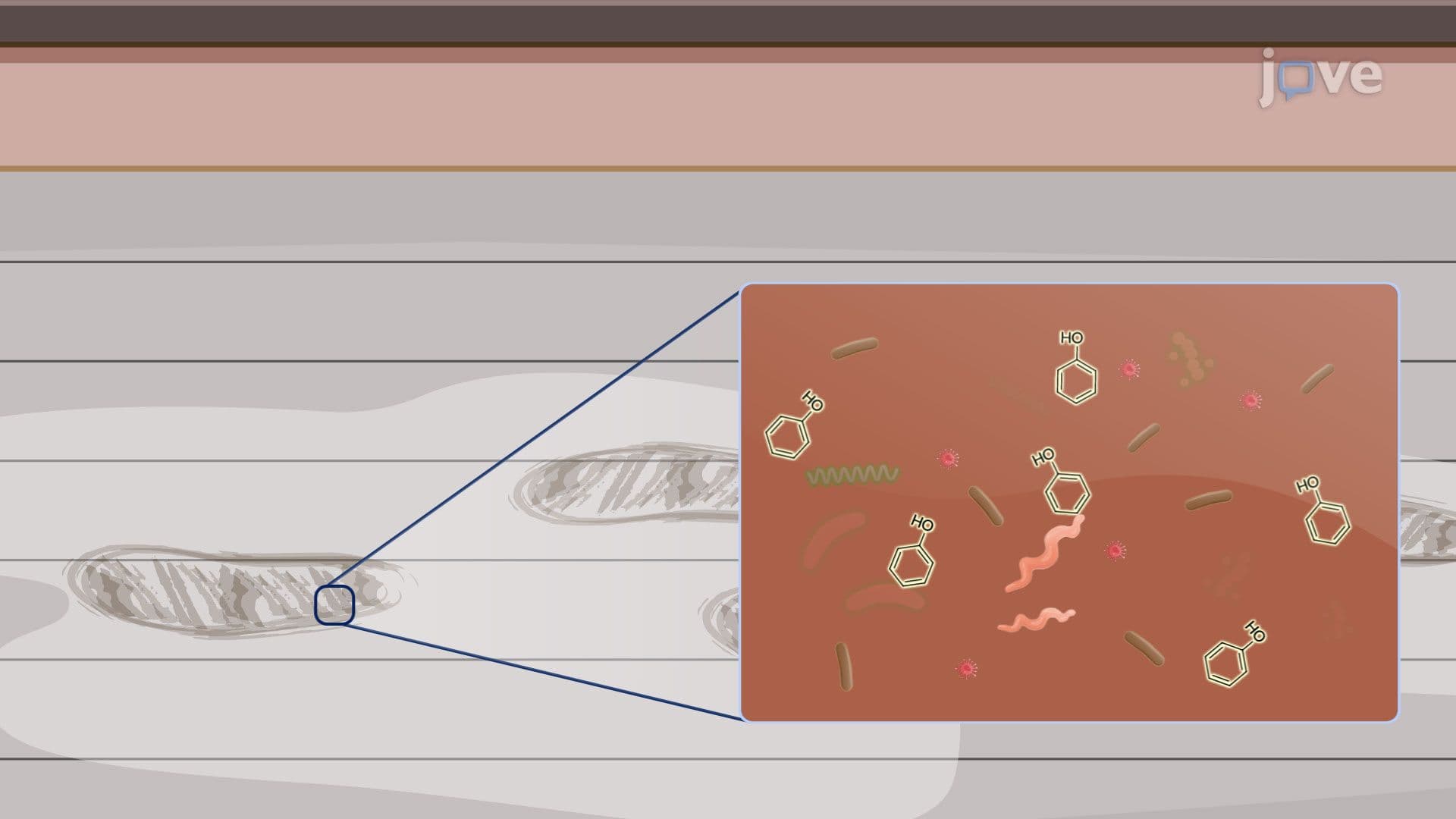

Video Summary: Chemical Agents for Microbial Control Explained
Ever wonder why hospitals smell like bleach or why your hand sanitizer contains alcohol? Chemical agents microbial control involves using specific compounds to kill or inhibit harmful microorganisms that threaten human health. From the isopropyl alcohol in your medicine cabinet to the chlorine dioxide gas used to decontaminate CDC laboratories after anthrax scares, these powerful substances form our first line of defense against infectious diseases. Understanding Chemical Agents For Microbial Control Explained helps students grasp how different chemical mechanisms target microbial structures. Watch the full video on JoVE Coach to master this concept with expert-led visuals and step-by-step explanations.
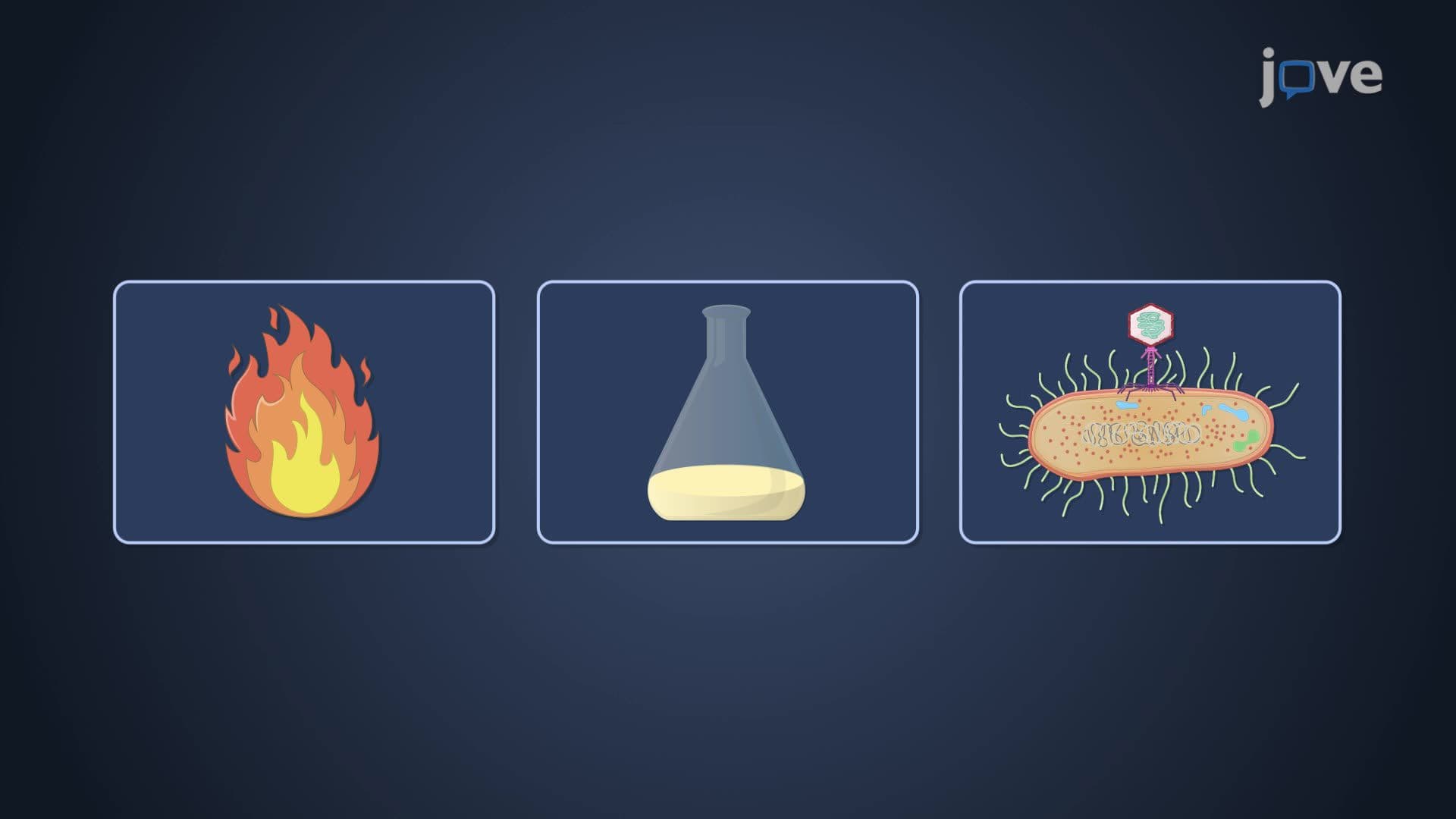
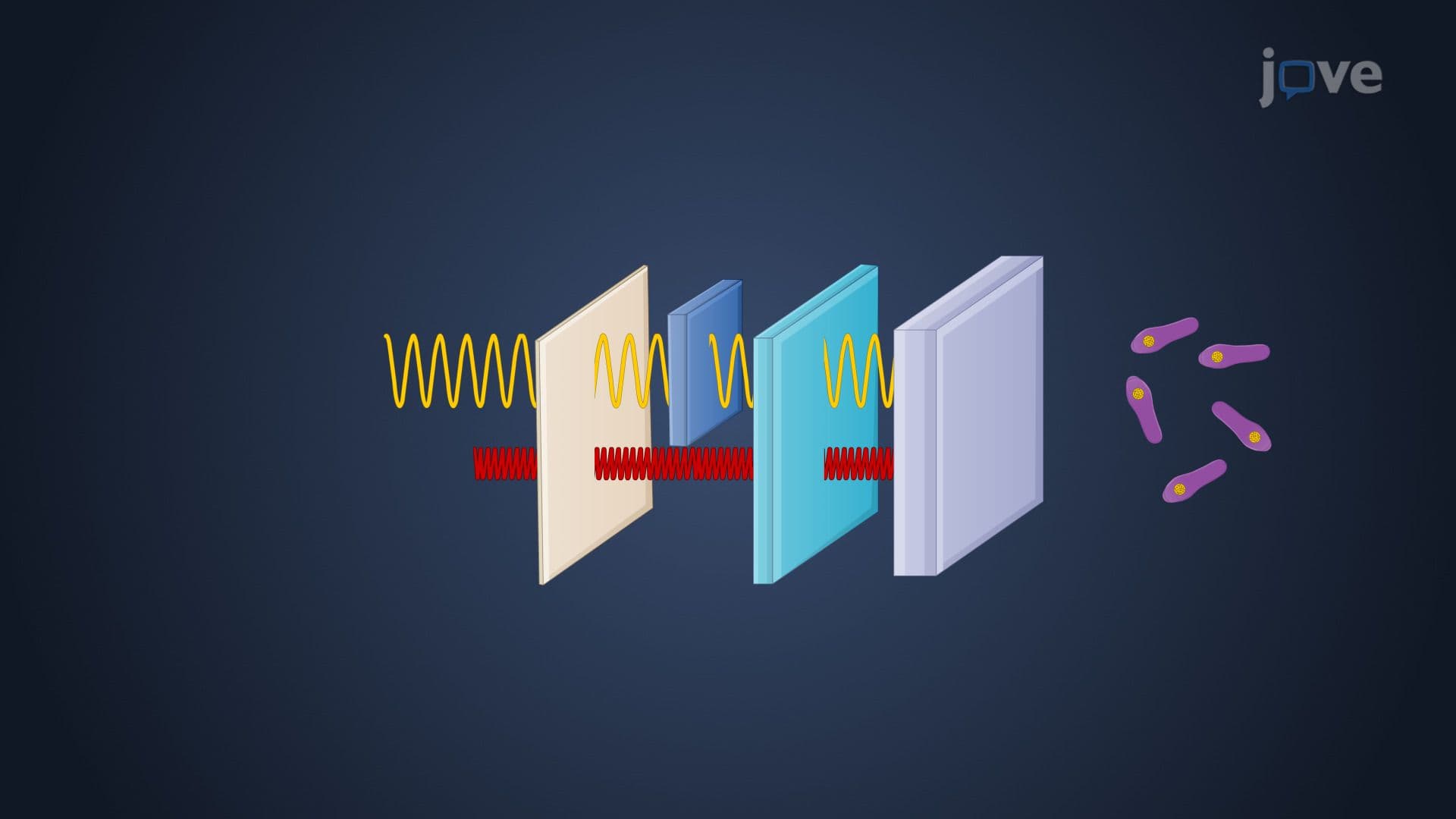
Chemical agents microbial control represents a cornerstone of modern infection prevention, utilizing diverse molecular mechanisms to eliminate pathogenic microorganisms. Unlike physical methods such as heat or radiation, chemical agents achieve microbial destruction through targeted biochemical interactions that disrupt essential cellular processes. This approach proves invaluable in healthcare settings where heat-sensitive materials require sterilization, or in situations demanding rapid antimicrobial action.
Alcohols exemplify membrane-targeting antimicrobials, with ethanol and isopropyl alcohol serving as primary examples in US healthcare facilities. These compounds penetrate lipid bilayers, causing membrane fluidity changes that result in cellular contents leakage and rapid microbial death. The optimal concentration of 70% alcohol balances antimicrobial effectiveness with protein coagulation prevention, making it standard practice in hospitals from Johns Hopkins to Mayo Clinic. Quaternary ammonium compounds, found in commercial disinfectants like certain Lysol formulations, similarly target membrane integrity while providing residual antimicrobial activity on surfaces.
Oxidizing agents represent another crucial category, with hydrogen peroxide serving as the archetypal example for wound care in US emergency departments. These compounds generate reactive oxygen species that damage multiple cellular components simultaneously, including proteins, lipids, and nucleic acids. Halogen-releasing compounds like povidone-iodine achieve similar oxidative damage, explaining their widespread use in surgical preparation protocols across American hospitals. The broad-spectrum activity of oxidizers makes them particularly valuable against resistant organisms, including bacterial spores that survive many other chemical treatments.
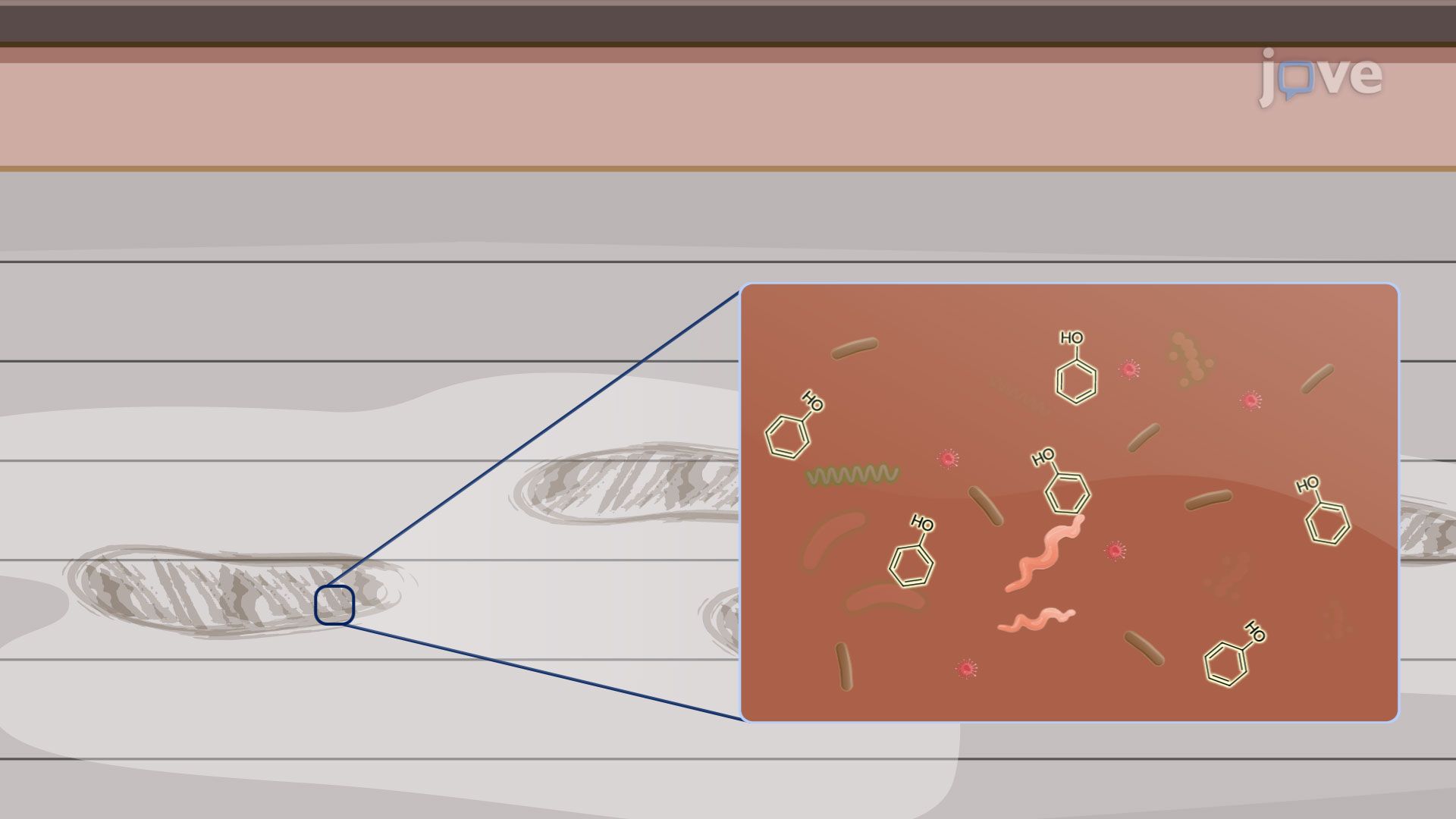
Phenolic compounds demonstrate protein denaturation mechanisms, maintaining effectiveness even in organic matter presence. This characteristic proves essential in real-world applications where blood or tissue debris might inactivate other disinfectants. Modern phenolic derivatives used in US healthcare facilities provide extended antimicrobial activity, crucial for maintaining sterile environments in operating rooms and intensive care units.
Alkylating agents like ethylene oxide gas represent the pinnacle of chemical sterilization technology, used extensively in medical device manufacturing and hospital sterilization departments nationwide. These compounds form covalent bonds with microbial proteins and nucleic acids, ensuring complete sterility of heat-sensitive materials including plastic catheters and electronic medical equipment. Understanding these mechanisms proves essential for students preparing for MCAT microbiology sections or AP Biology exams, where chemical microbial control frequently appears in both multiple-choice and free-response questions.
Related Micro-courses