Loading video…

 6 Concepts
 4.3K views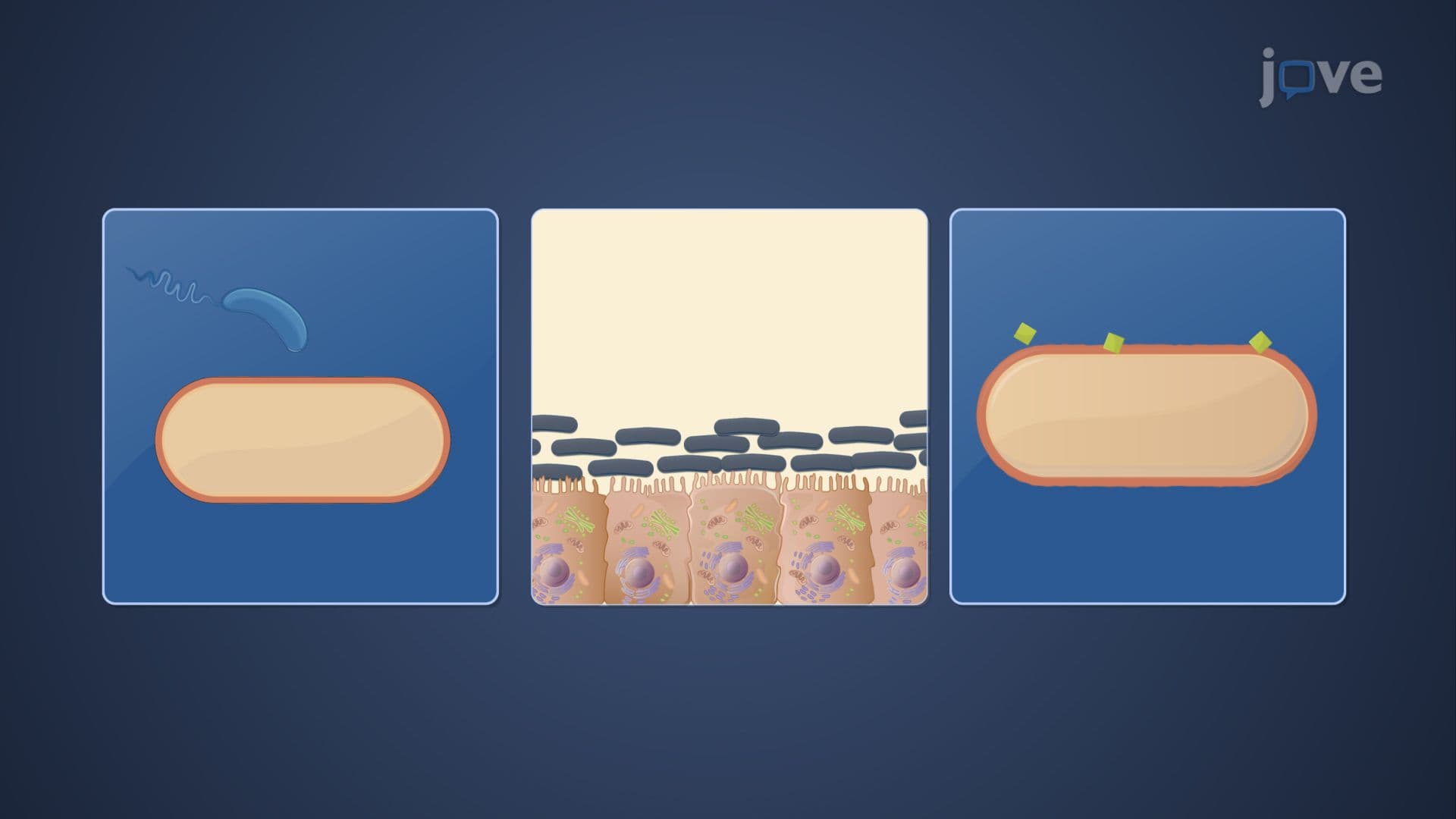

Video Summary: Biological Methods for Microbial Control Guide
Did you know that bacteria can actually hunt and kill other bacteria like microscopic predators? Biological methods microbial control harnesses nature's own weapons-from predatory bacteria to bacteriophages-to eliminate harmful microorganisms without synthetic chemicals. The FDA has approved bacteriophage treatments for controlling Listeria in ready-to-eat foods, showcasing how these natural antimicrobial strategies are revolutionizing food safety and medical treatments. This Biological Methods For Microbial Control Guide explores how living organisms combat pathogens through competition, predation, and targeted molecular attacks. Watch the full video on JoVE Coach to master this concept with expert-led visuals and step-by-step explanations.
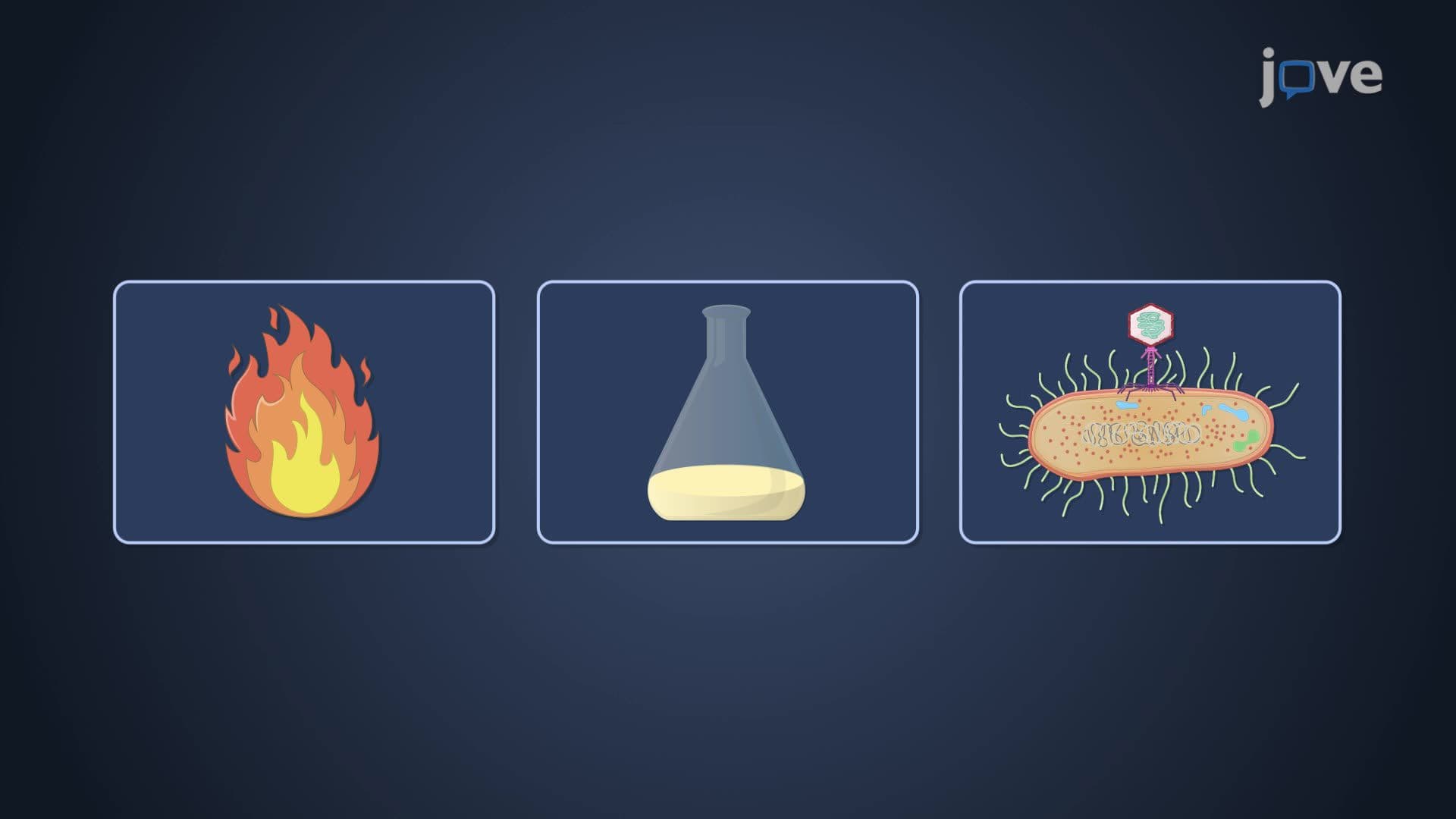
Biological methods for microbial control represent nature's sophisticated arsenal against harmful microorganisms, utilizing living organisms and their products to eliminate or suppress pathogens. Unlike chemical disinfectants that broadly destroy cellular components, biological control agents demonstrate remarkable specificity and often work through multiple complementary mechanisms. These methods have gained significant attention in US healthcare and food industries as alternatives to synthetic antimicrobials, particularly as antibiotic resistance becomes a growing concern in American hospitals and communities.
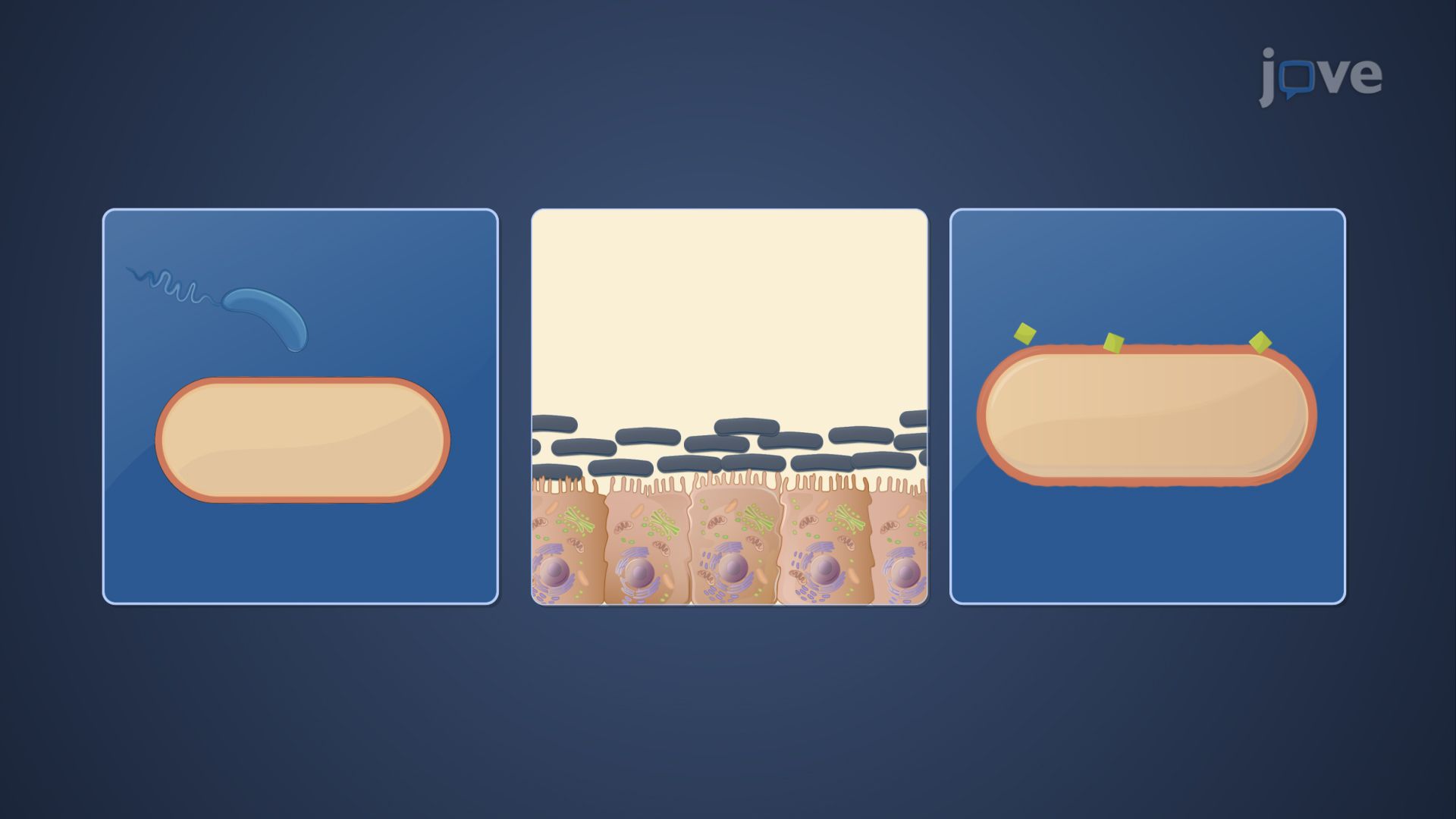
Predatory bacteria exemplify nature's most dramatic antimicrobial strategy. Bdellovibrio bacteriovorus, discovered at the University of Maryland, demonstrates how one bacterium can systematically hunt and destroy others. This remarkable organism penetrates the periplasmic space of gram-negative bacteria like Salmonella and E. coli, then multiplies within the host cell until it bursts, releasing dozens of offspring to continue the predatory cycle. US researchers at institutions like Johns Hopkins have explored using Bdellovibrio as a living antibiotic for treating drug-resistant infections. Similarly, Myxococcus species produce extracellular enzymes that digest fungal cell walls, making them valuable for controlling crop diseases that cost US agriculture billions annually.
Probiotics represent one of the most commercially successful applications of biological microbial control, with the US probiotic market exceeding $4 billion annually. Lactobacillus species and Bifidobacterium strains work through competitive exclusion-they rapidly colonize intestinal surfaces, consume available nutrients, and produce organic acids that create hostile environments for pathogens. When E. coli O157:H7 attempts to attach to intestinal epithelium, established probiotic populations block binding sites and secrete antimicrobial compounds. This principle explains why the CDC recommends probiotic supplements during antibiotic treatment to prevent Clostridioides difficile infections, which cause over 29,000 deaths yearly in US hospitals.
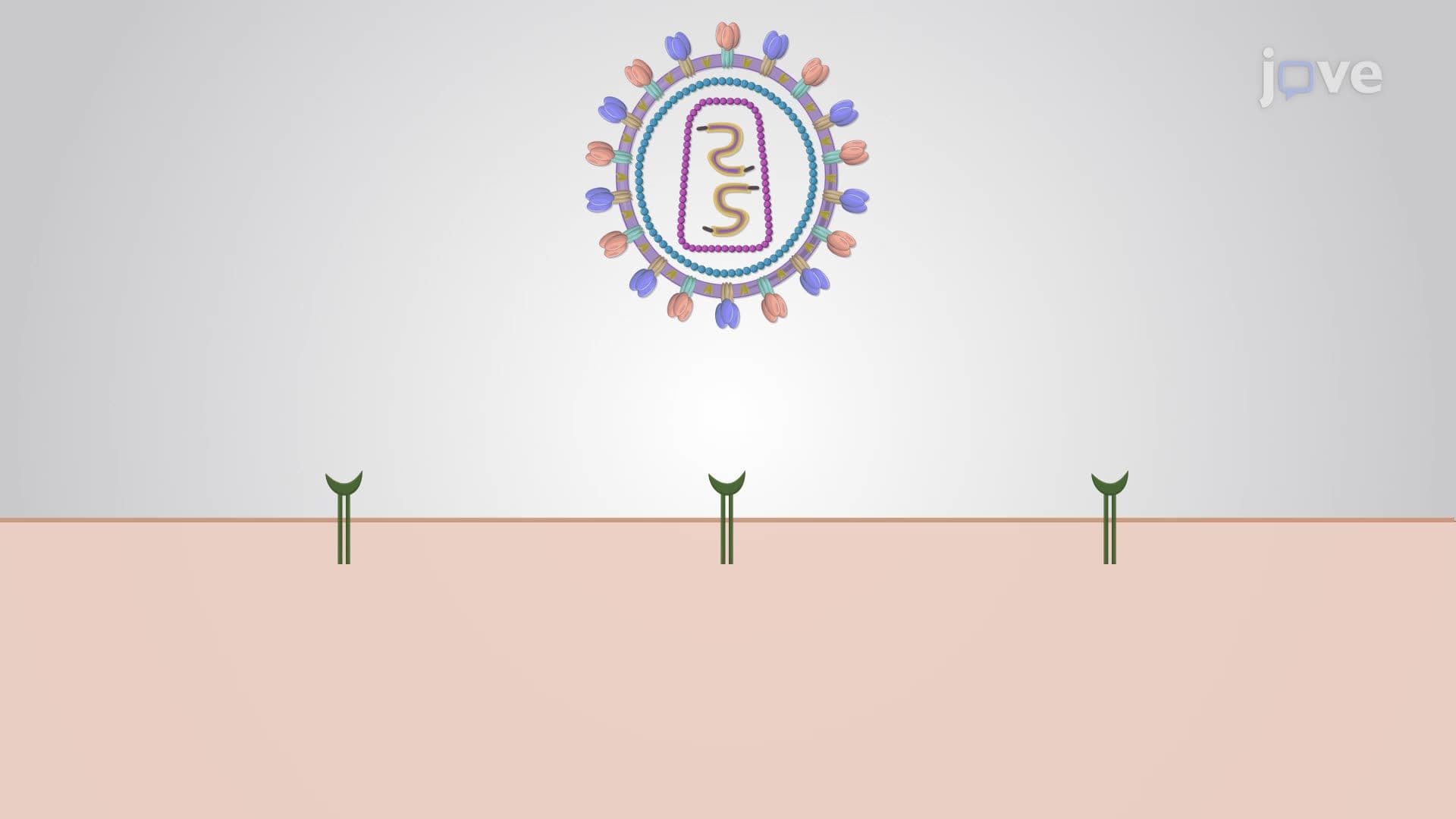
Bacteriophage therapy, once abandoned in favor of antibiotics, has resurged in US medical practice as a precision antimicrobial tool. The FDA's approval of phage-based food additives demonstrates growing acceptance of these biological weapons. Endolysins-enzymes that bacteriophages use to break out of host cells-can rapidly destroy gram-positive bacterial cell walls within minutes. US companies like ContraFect have developed endolysin therapies for MRSA infections, showing promise in clinical trials. For AP Biology students, understanding phage lytic cycles becomes crucial for grasping how these biological control agents function at the molecular level.
Related Micro-courses