Loading video…

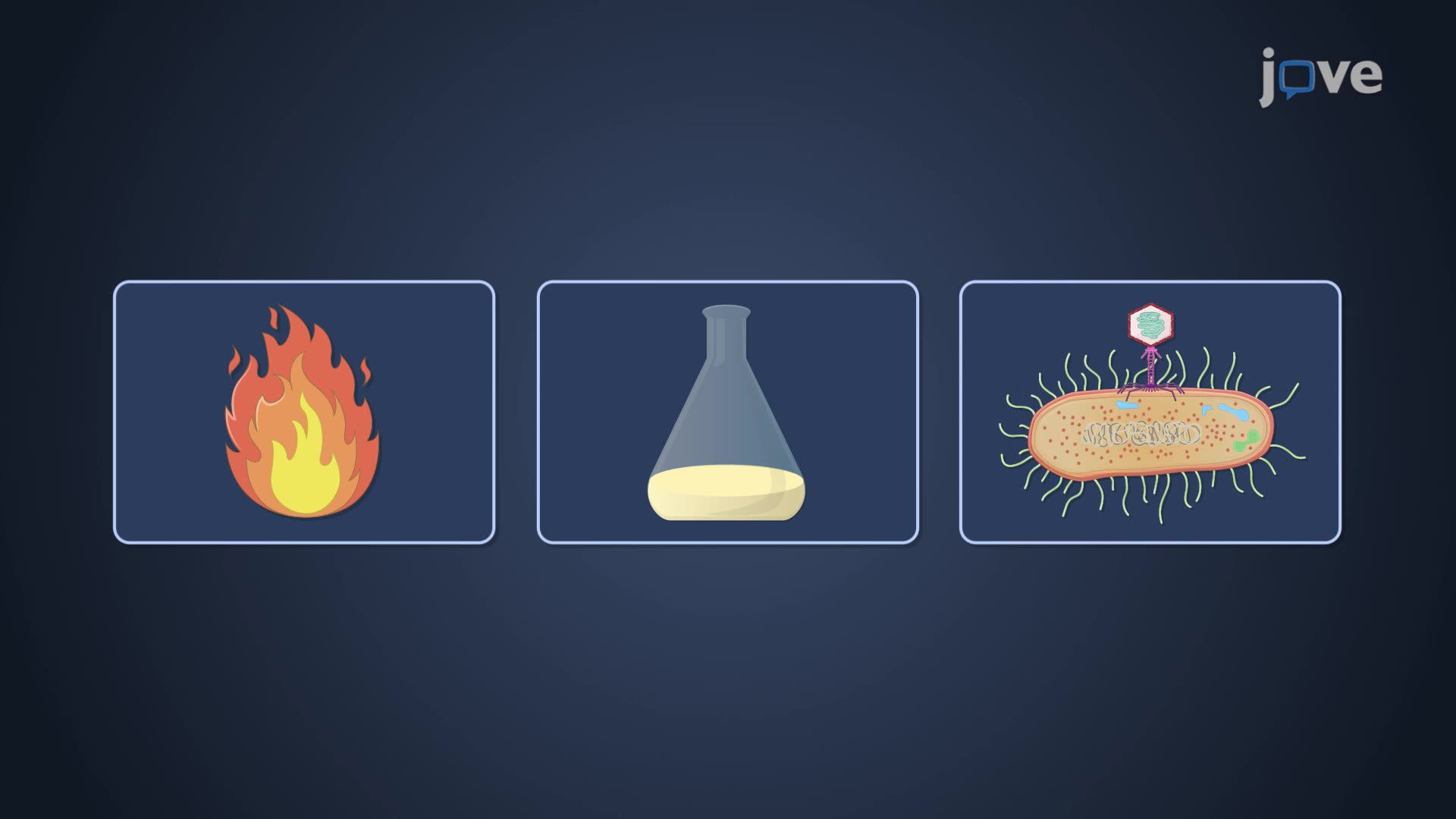
 6 Concepts
 4.2K views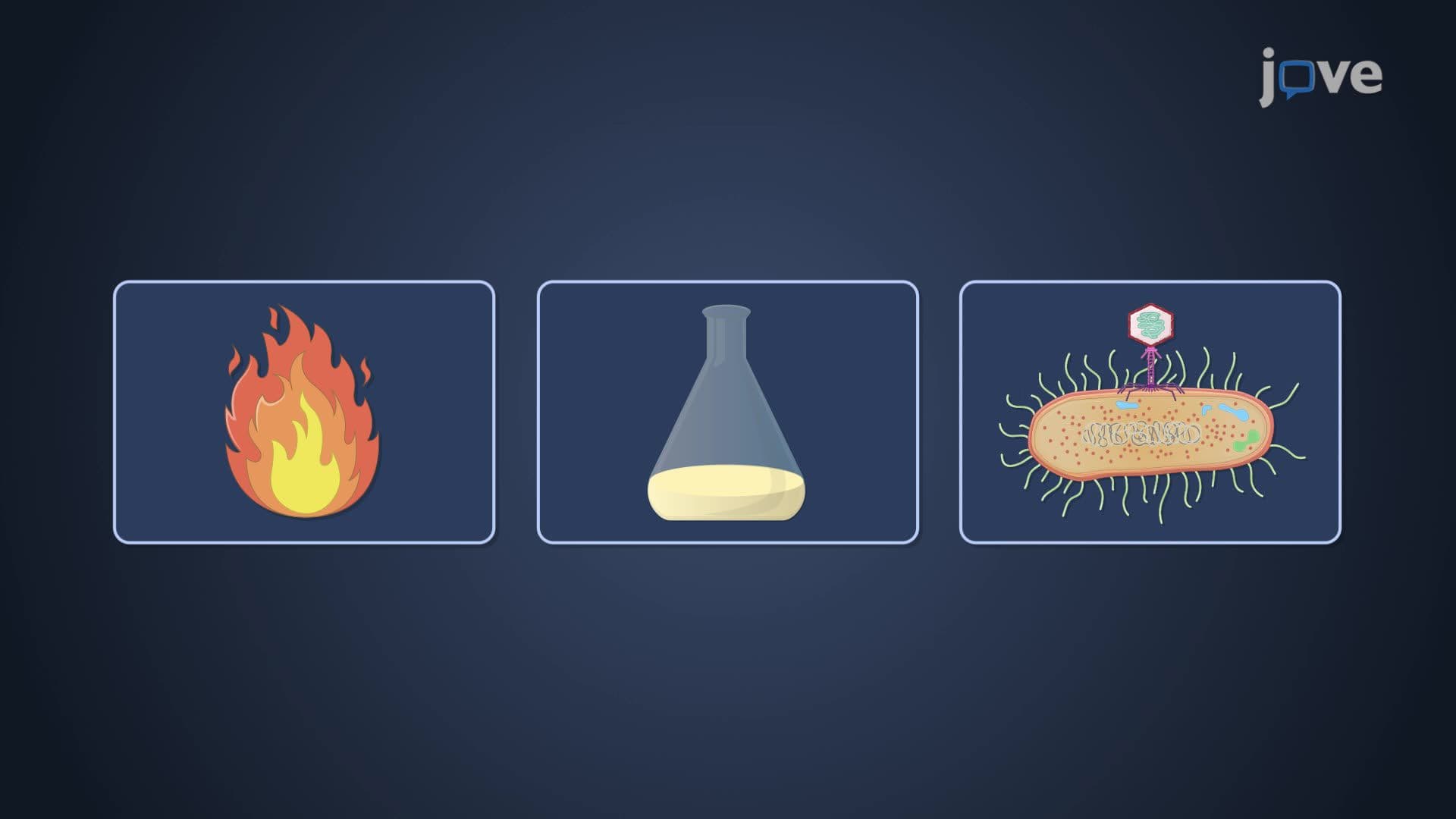

Video Summary: Methods for Controlling Microbial Growth Guide
Ever wonder how hospitals keep surgical instruments sterile or why your kitchen sponge harbors millions of bacteria? Methods for controlling microbial growth are essential techniques that protect us daily from harmful microorganisms through sterilization, disinfection, and sanitization. From CDC protocols in US hospitals preventing healthcare-associated infections to food safety regulations ensuring canned goods remain safe for consumption, the Methods For Controlling Microbial Growth Guide reveals how these protective measures work at molecular and practical levels. Watch the full video on JoVE Coach to master this concept with expert-led visuals and step-by-step explanations.
Microbial control represents one of the most critical aspects of public health, medical practice, and food safety. The systematic approach to controlling microbial growth involves understanding both the target organisms and the most effective elimination methods. In US healthcare settings, the Centers for Disease Control and Prevention (CDC) establishes strict protocols that healthcare workers must follow to prevent hospital-acquired infections, which affect approximately 1.7 million patients annually according to recent statistics.
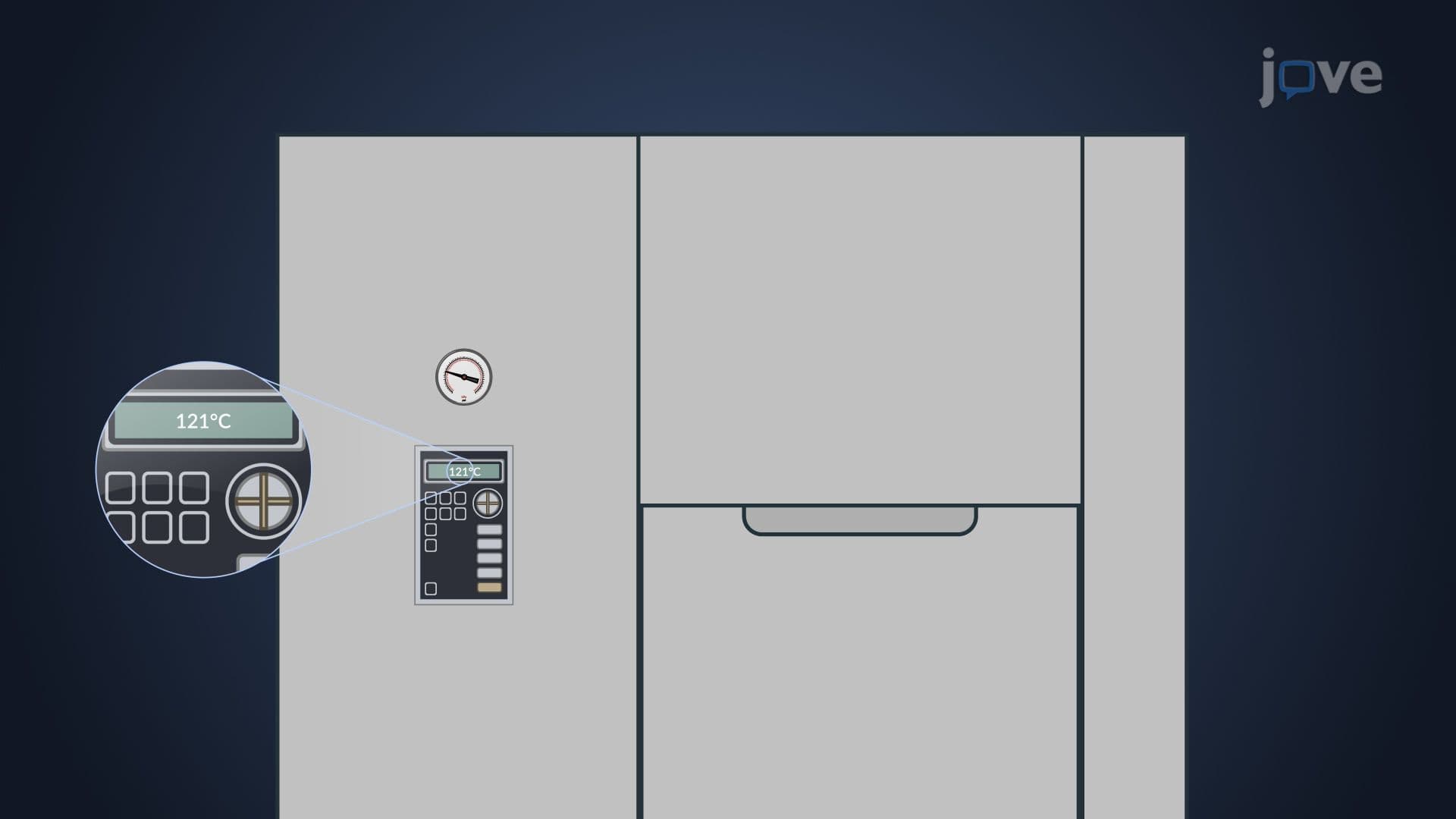
Sterilization achieves the complete destruction or removal of all viable microorganisms, including the most resistant bacterial endospores. Autoclaving, the gold standard in US hospitals and research laboratories, uses pressurized steam at 121°C for 15-20 minutes to achieve sterility. The Mayo Clinic and Cleveland Clinic employ sophisticated sterilization protocols for surgical instruments, ensuring patient safety during invasive procedures. Students preparing for the MCAT or AP Biology exams should understand that sterilization differs from other control methods because it achieves a 12-log reduction in microbial populations, meaning a trillion-fold decrease in viable organisms.
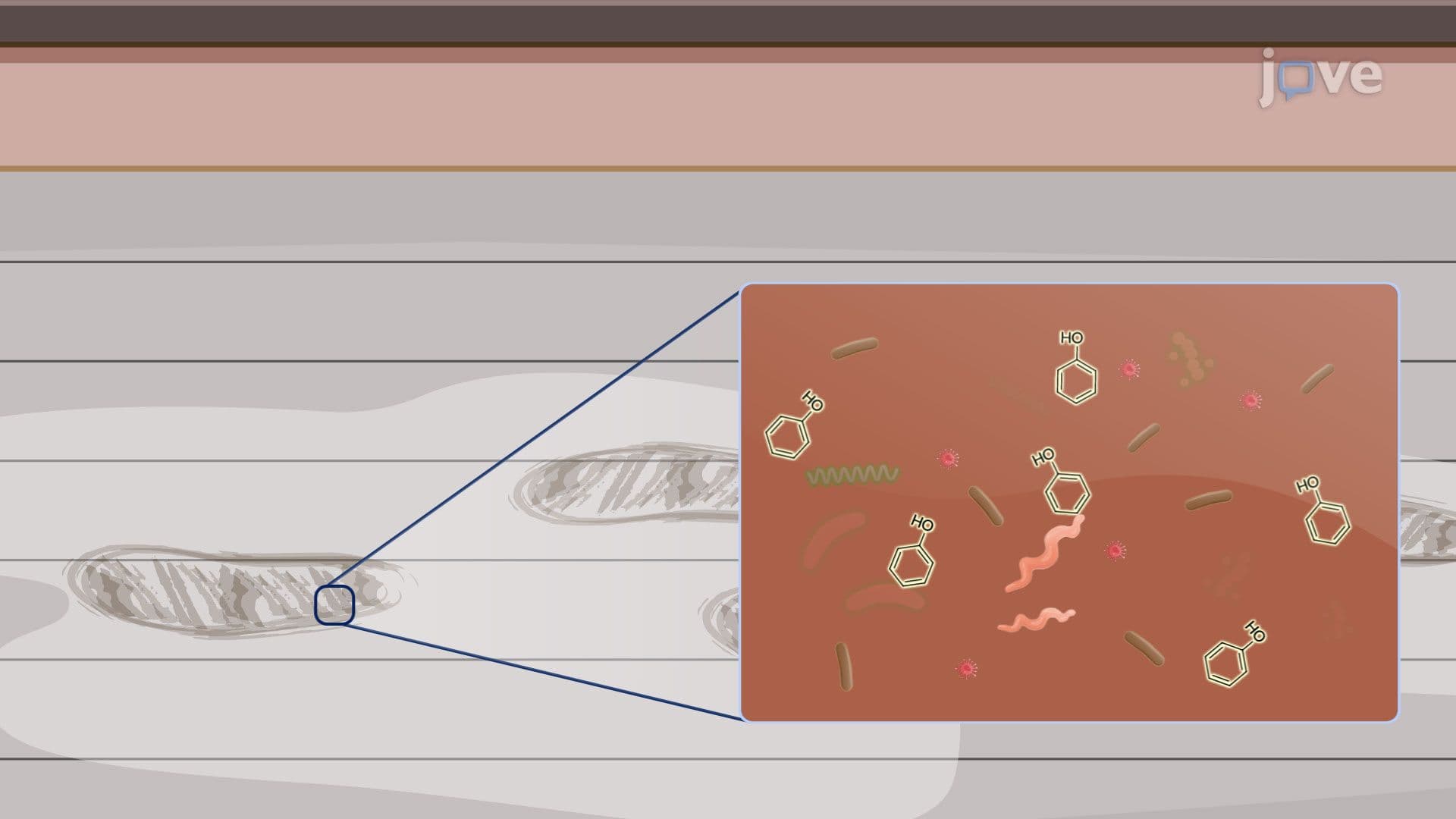
Disinfection reduces pathogenic microorganisms to safe levels using chemical agents, UV radiation, or heat treatment. US hospitals commonly use EPA-registered disinfectants containing quaternary ammonium compounds, phenolics, or chlorine-based solutions. The COVID-19 pandemic highlighted the importance of surface disinfection, with healthcare facilities implementing enhanced protocols using products effective against enveloped viruses. Understanding disinfection mechanisms helps students grasp concepts tested on nursing entrance exams like the HESI A2 and TEAS, where questions often focus on infection control procedures.
Commercial food processing relies heavily on controlled microbial reduction techniques. The FDA mandates that canned food manufacturers achieve commercial sterility by targeting Clostridium botulinum spores, which require heat treatment at 121°C. This process, known as the "botulinum cook," ensures that canned goods remain safe throughout their shelf life. Sanitization procedures in restaurants and food service establishments must meet local health department standards, typically requiring a 99.9% reduction in bacterial populations on food contact surfaces.
Related Micro-courses