Loading subject page…

4,242 views

Video Summary: What Is Antimicrobial Effectiveness
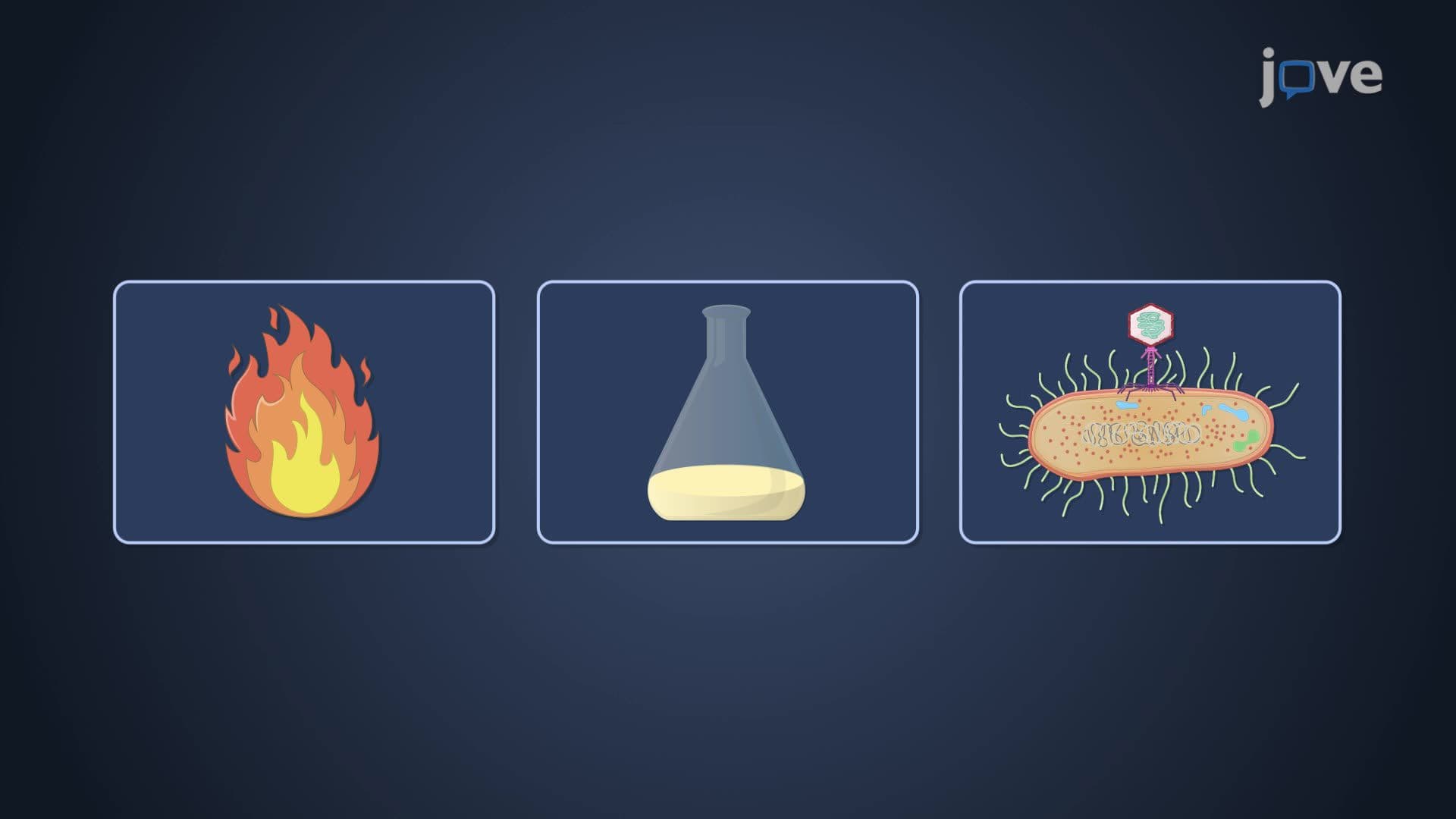
Did you know that 70% ethanol kills bacteria more effectively than 95% ethanol? Antimicrobial effectiveness measures how well chemical and physical agents eliminate or inhibit microorganisms. Understanding what is antimicrobial effectiveness is crucial for applications ranging from hospital disinfection protocols at Cleveland Clinic to food safety measures in USDA-regulated facilities. This concept involves analyzing factors like microbial population size, resistance patterns, agent concentration, contact time, and environmental conditions that influence antimicrobial action. Watch the full video on JoVE Coach to master this concept with expert-led visuals and step-by-step explanations.
Antimicrobial effectiveness represents the measurable capacity of chemical or physical agents to kill or inhibit microorganisms under specific conditions. This concept forms the foundation of infection control strategies used throughout US healthcare systems, from hospital sterilization protocols to FDA-approved disinfectants in food processing facilities.
The effectiveness depends on multiple interacting variables that students encounter in AP Biology, college microbiology courses, and MCAT preparation. Understanding these factors enables healthcare professionals to select appropriate treatments and optimize antimicrobial protocols for maximum efficacy.
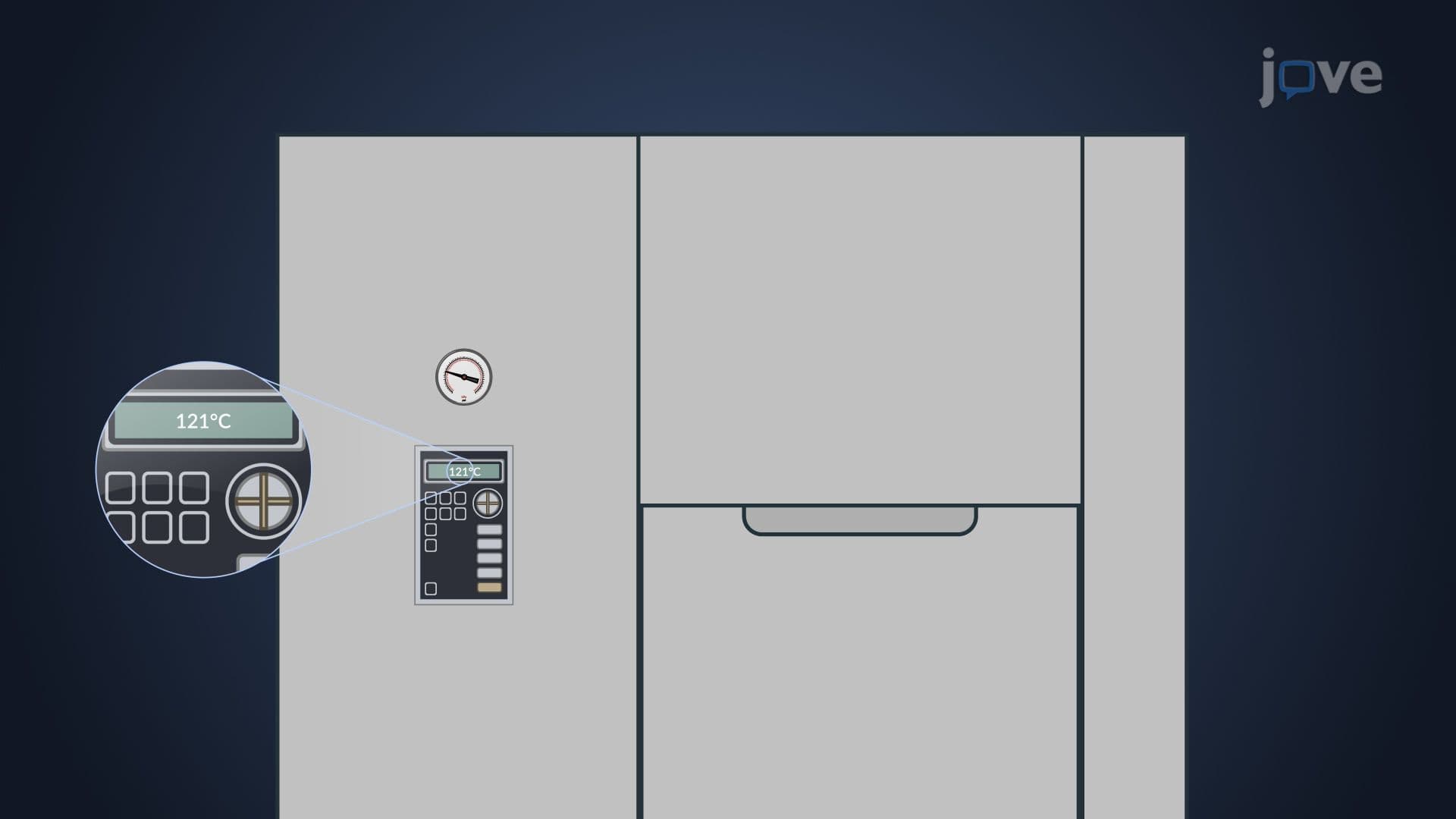
Microbial population size significantly impacts antimicrobial effectiveness through logarithmic reduction principles. Larger populations require longer exposure times and higher concentrations to achieve complete elimination. This principle explains why CDC guidelines specify different contact times for high-level disinfection versus sterilization procedures.
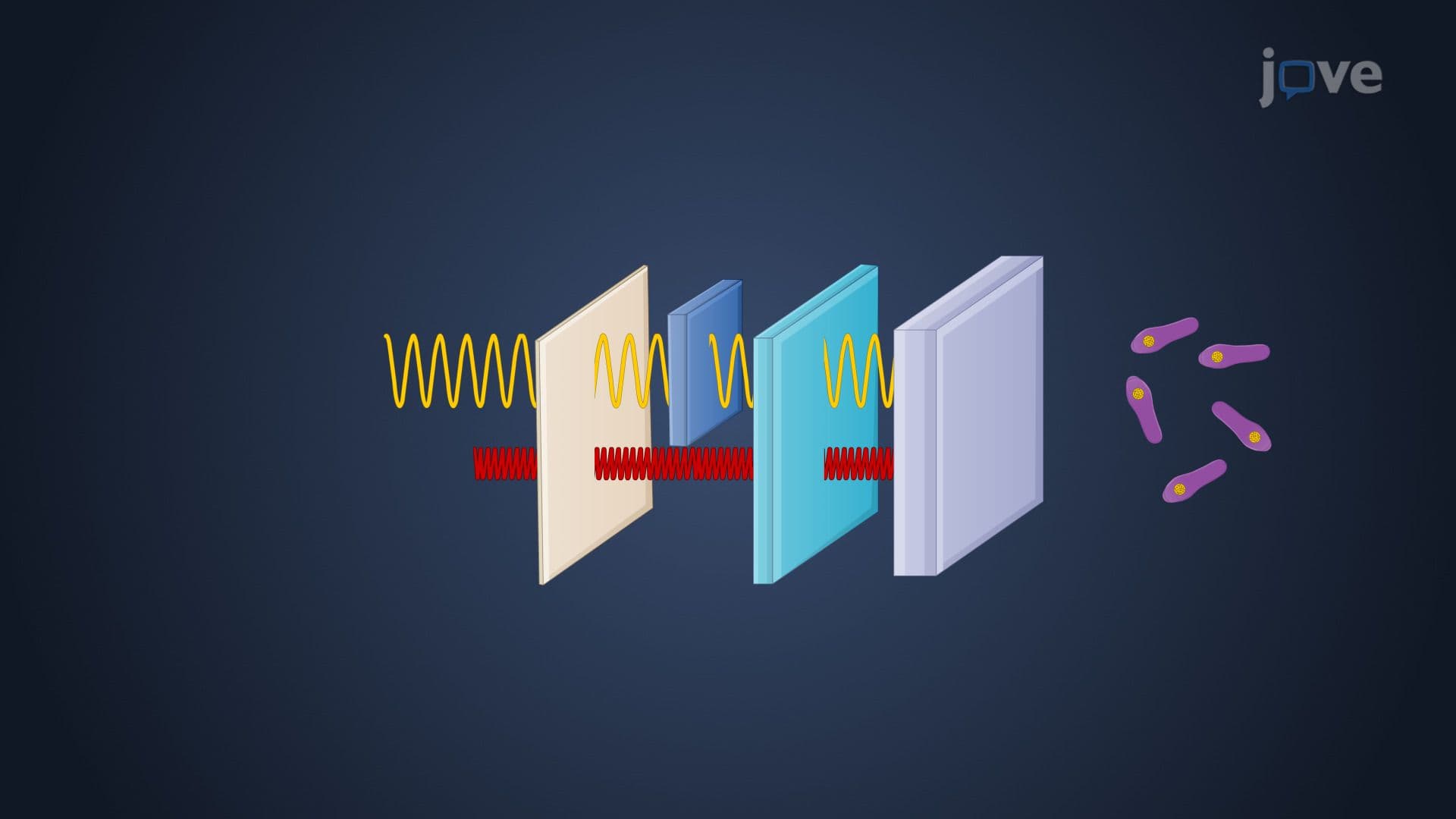
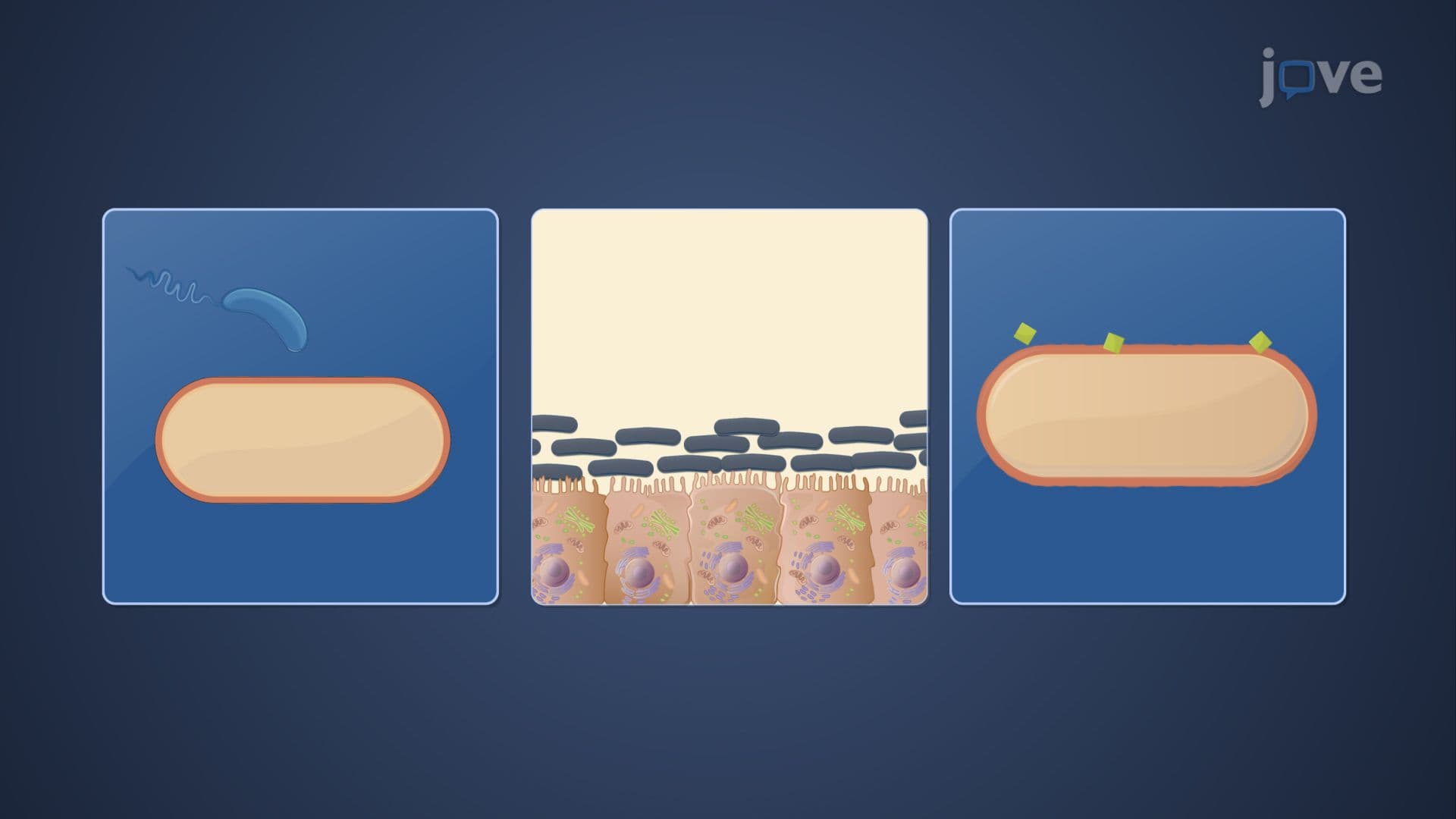
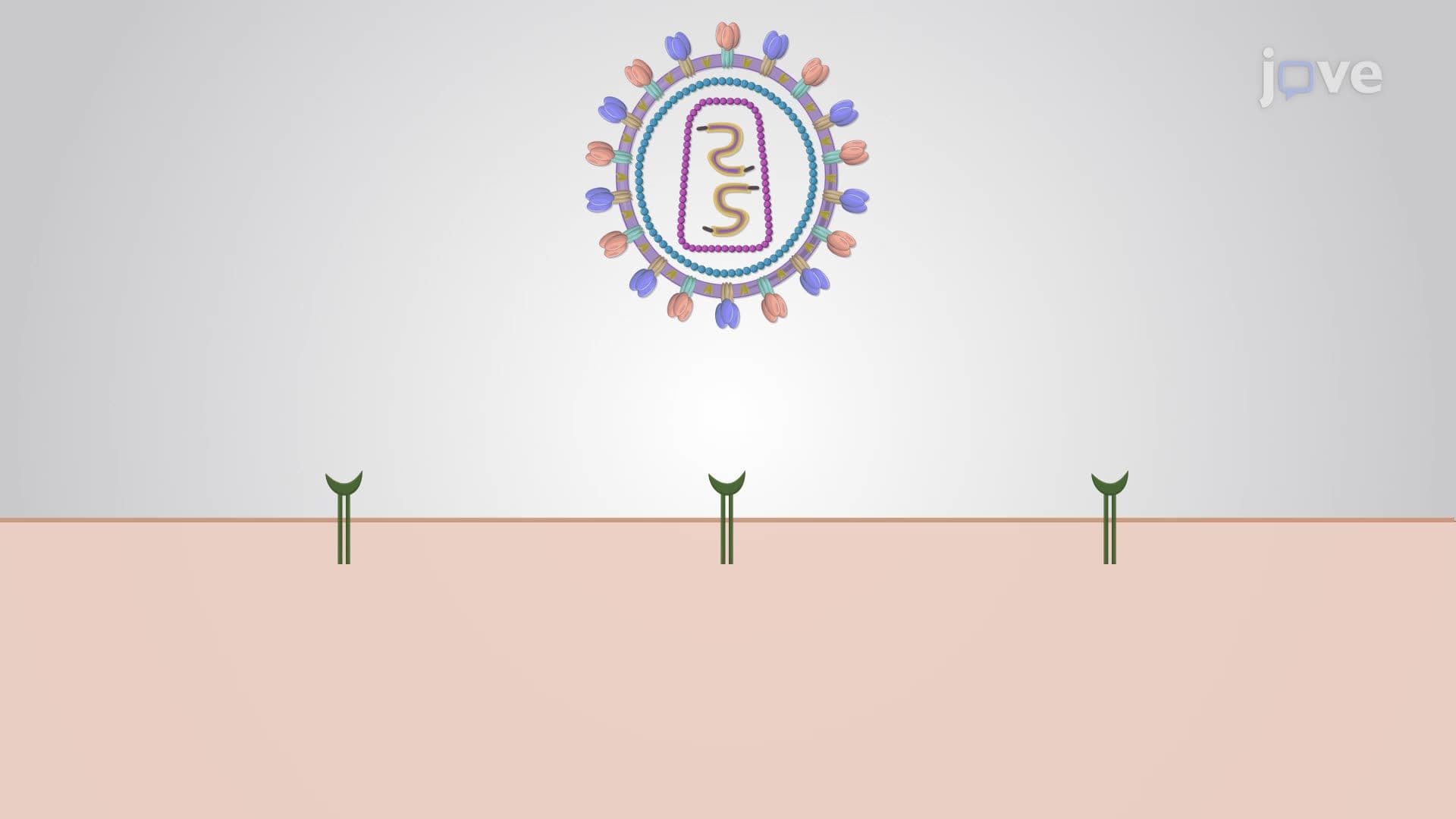
Resistance varies dramatically among microorganisms. Bacterial endospores, produced by species like *Clostridium difficile* (a major US hospital-acquired infection), demonstrate extreme resistance to most antimicrobials. Gram-negative bacteria, including *E. coli* strains responsible for foodborne illness outbreaks, possess outer membrane barriers that reduce antimicrobial penetration. Non-enveloped viruses, such as norovirus causing cruise ship outbreaks, resist many common disinfectants due to their stable protein coats.
Antimicrobial concentration typically correlates with effectiveness, but important exceptions exist. The classic example involves ethanol concentrations: 70% ethanol achieves superior bactericidal activity compared to 95% ethanol because water facilitates protein denaturation and cell wall penetration. This principle guides hand sanitizer formulations approved by the FDA during healthcare emergencies.
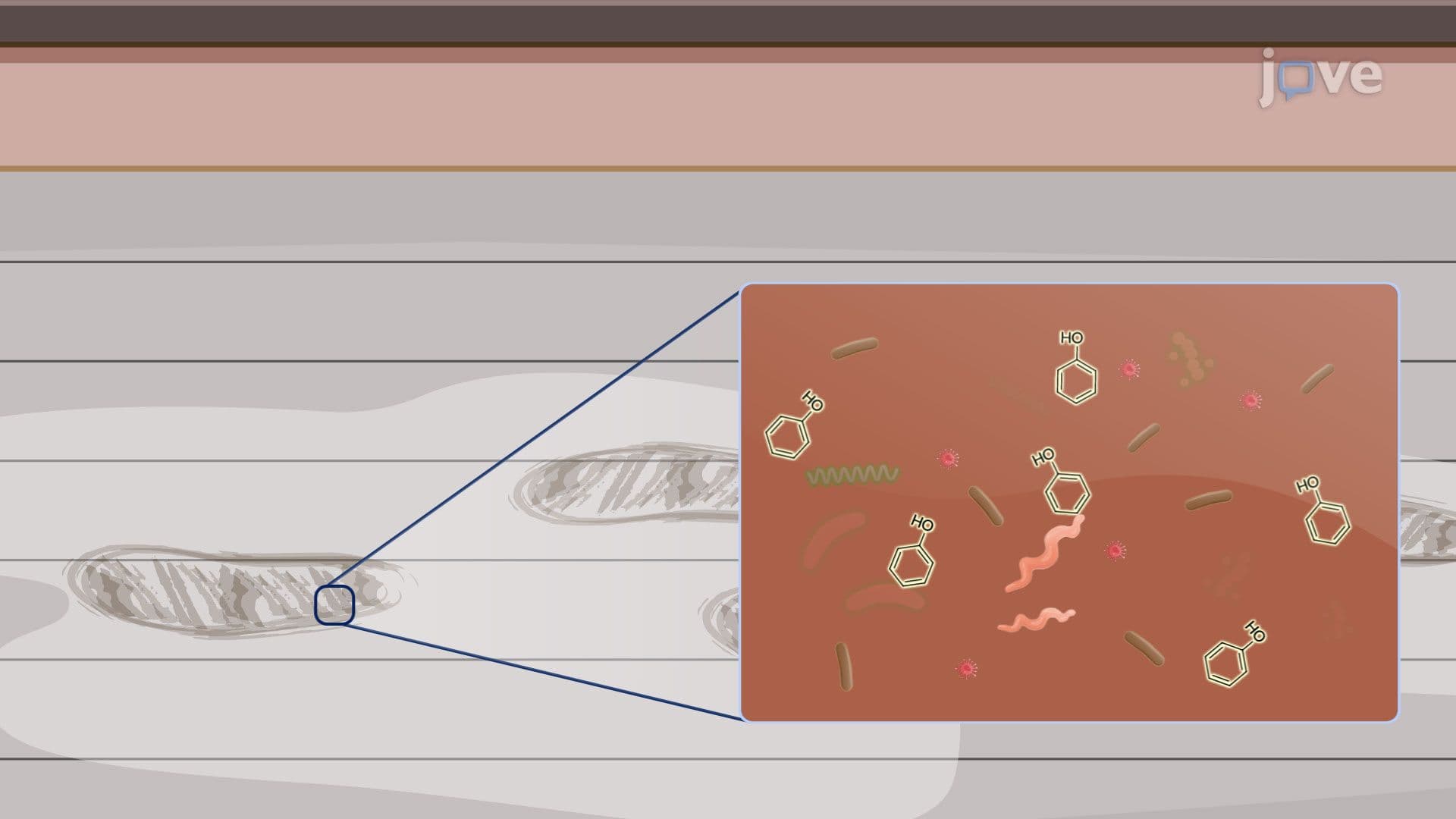
Environmental conditions significantly influence antimicrobial action. Organic matter, including blood, pus, or food debris, can inactivate antimicrobials through chemical binding or physical shielding. Temperature increases generally enhance antimicrobial activity by accelerating chemical reactions and improving agent penetration. Biofilms, complex microbial communities attached to surfaces, create protective environments that reduce antimicrobial effectiveness by up to 1000-fold compared to planktonic bacteria.
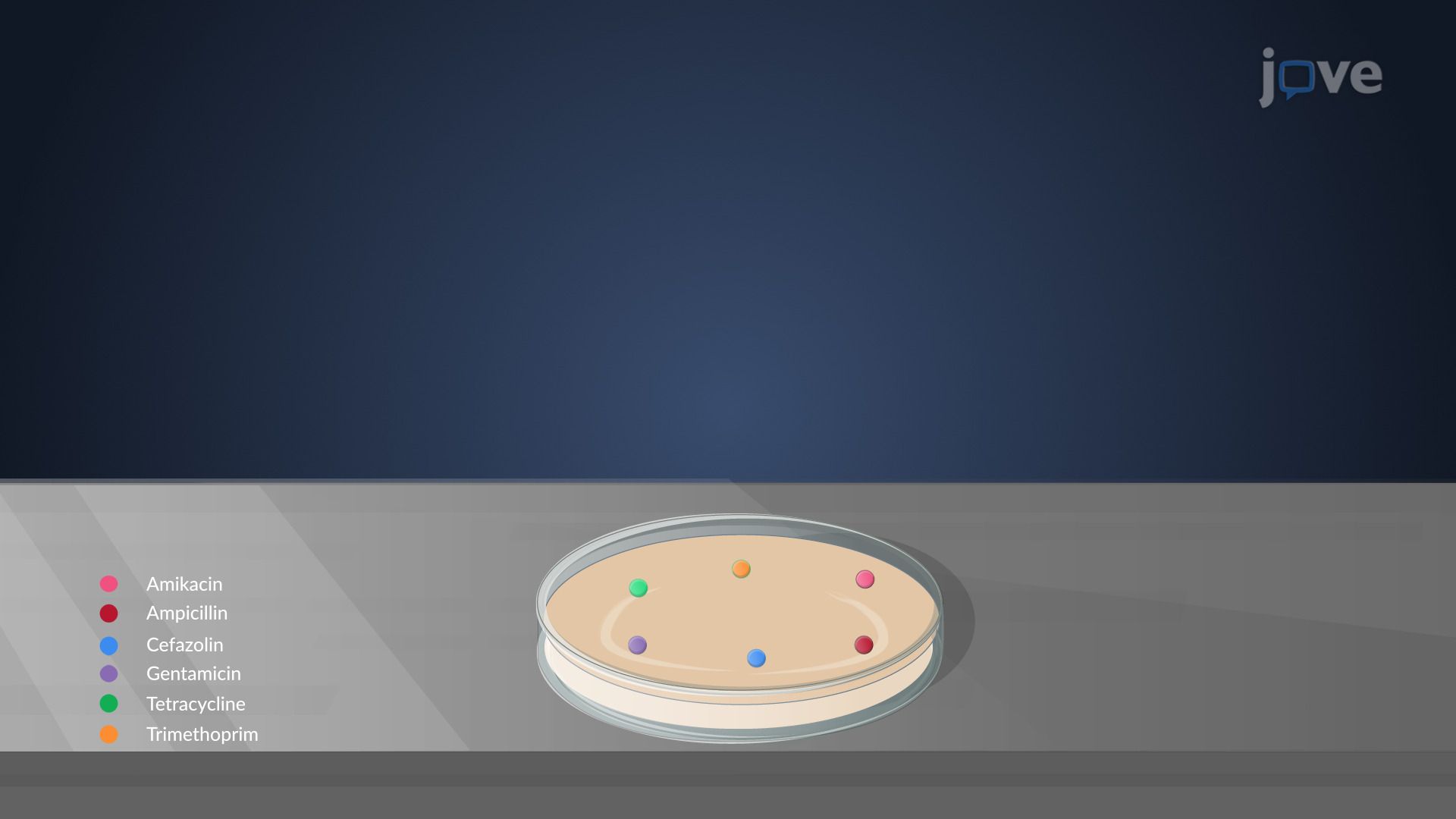
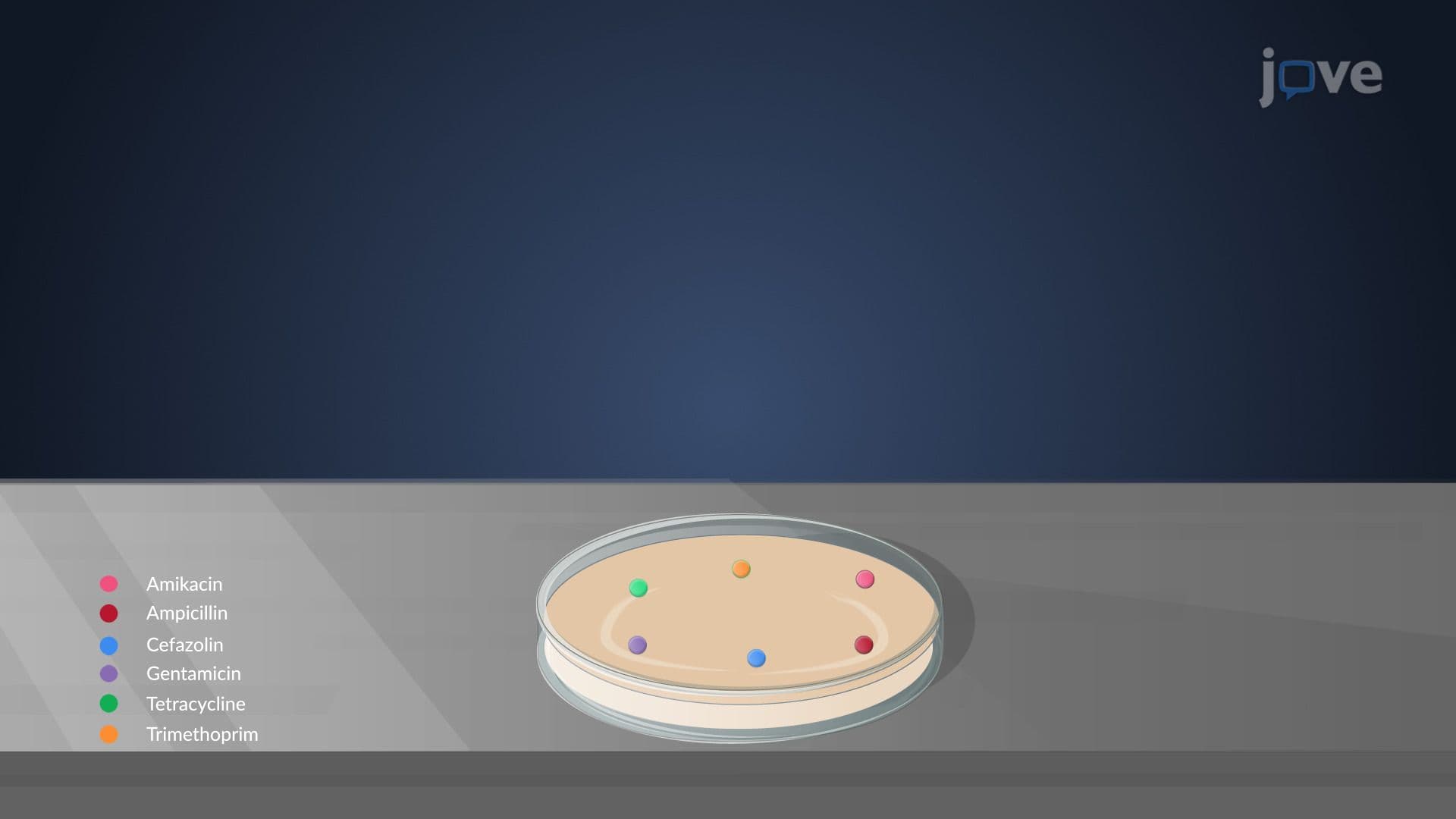
Standard antimicrobial effectiveness evaluation employs two primary methods frequently encountered in laboratory courses and USMLE Step 1 questions. The dilution test determines minimum inhibitory concentration (MIC) values by exposing test organisms to serial antimicrobial dilutions, then measuring growth turbidimetrically after incubation. The disk-diffusion test (Kirby-Bauer method) measures inhibition zone diameters around antimicrobial-soaked disks on inoculated agar plates.
These testing methods guide clinical decision-making in US hospitals, where antimicrobial susceptibility testing helps physicians select effective treatments for bacterial infections. Understanding these principles prepares students for advanced coursework in pharmacology, infectious diseases, and clinical laboratory science.
Related Micro-courses