Loading video…

 6 Concepts
 4.3K views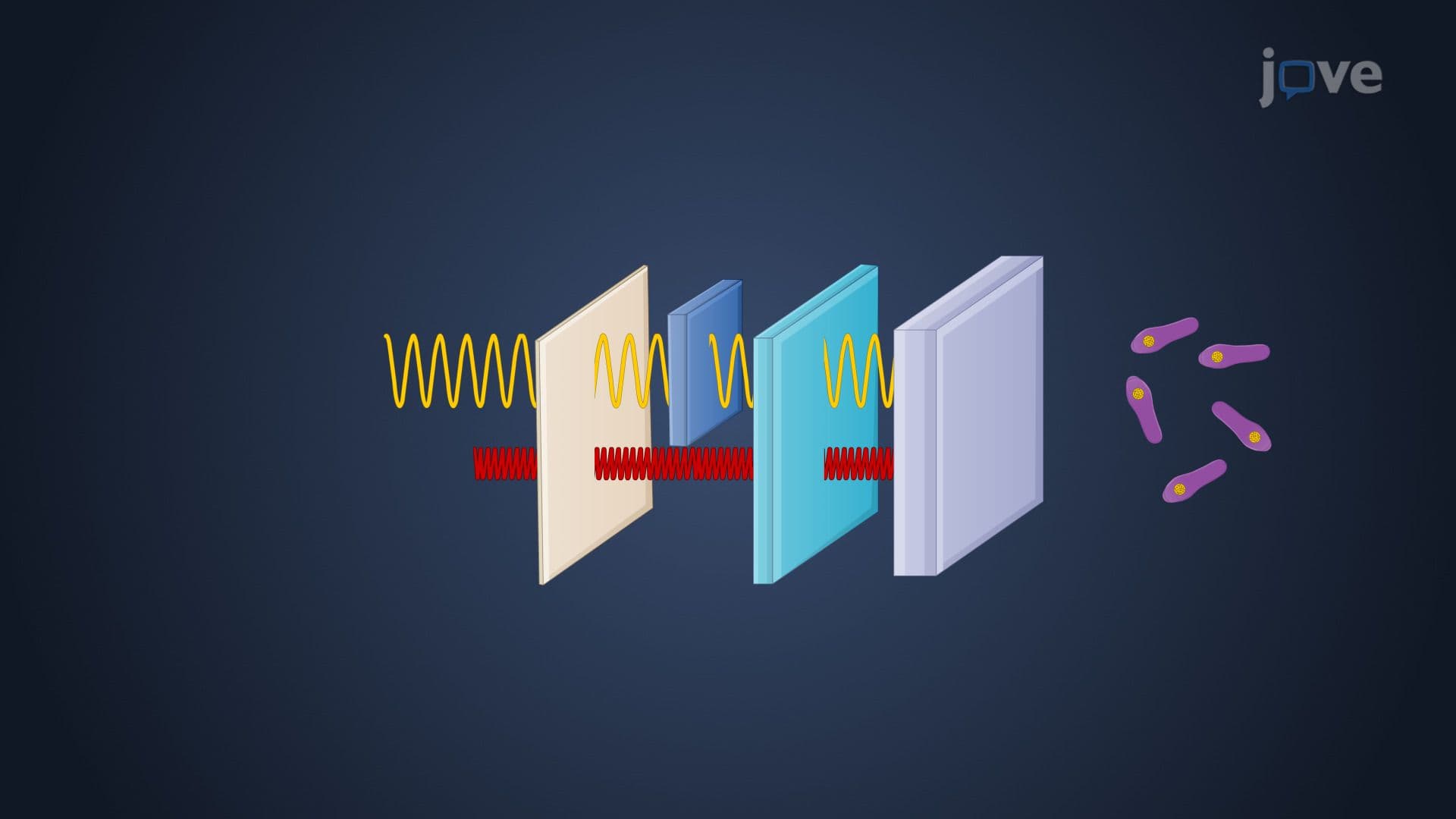

Video Summary: Radiation and Filtration as Physical Methods for Microbial Growth Control
Did you know that the same UV light used in hospital safety cabinets can also sterilize the water bottles at your local gym? Physical methods controlling microbial growth through radiation and filtration as physical methods for microbial growth control represent two of the most effective non-chemical approaches to eliminating harmful microorganisms. From NASA's use of ionizing radiation to sterilize spacecraft equipment to the N95 masks that became household items during COVID-19, these techniques protect millions of Americans daily. Watch the full video on JoVE Coach to master this concept with expert-led visuals and step-by-step explanations.
Physical control methods offer significant advantages over chemical approaches because they don't leave harmful residues and can penetrate or remove microorganisms without altering the treated material's chemical composition. These methods are essential in healthcare, food processing, and research facilities across the United States, where maintaining sterile conditions is critical for safety and regulatory compliance.
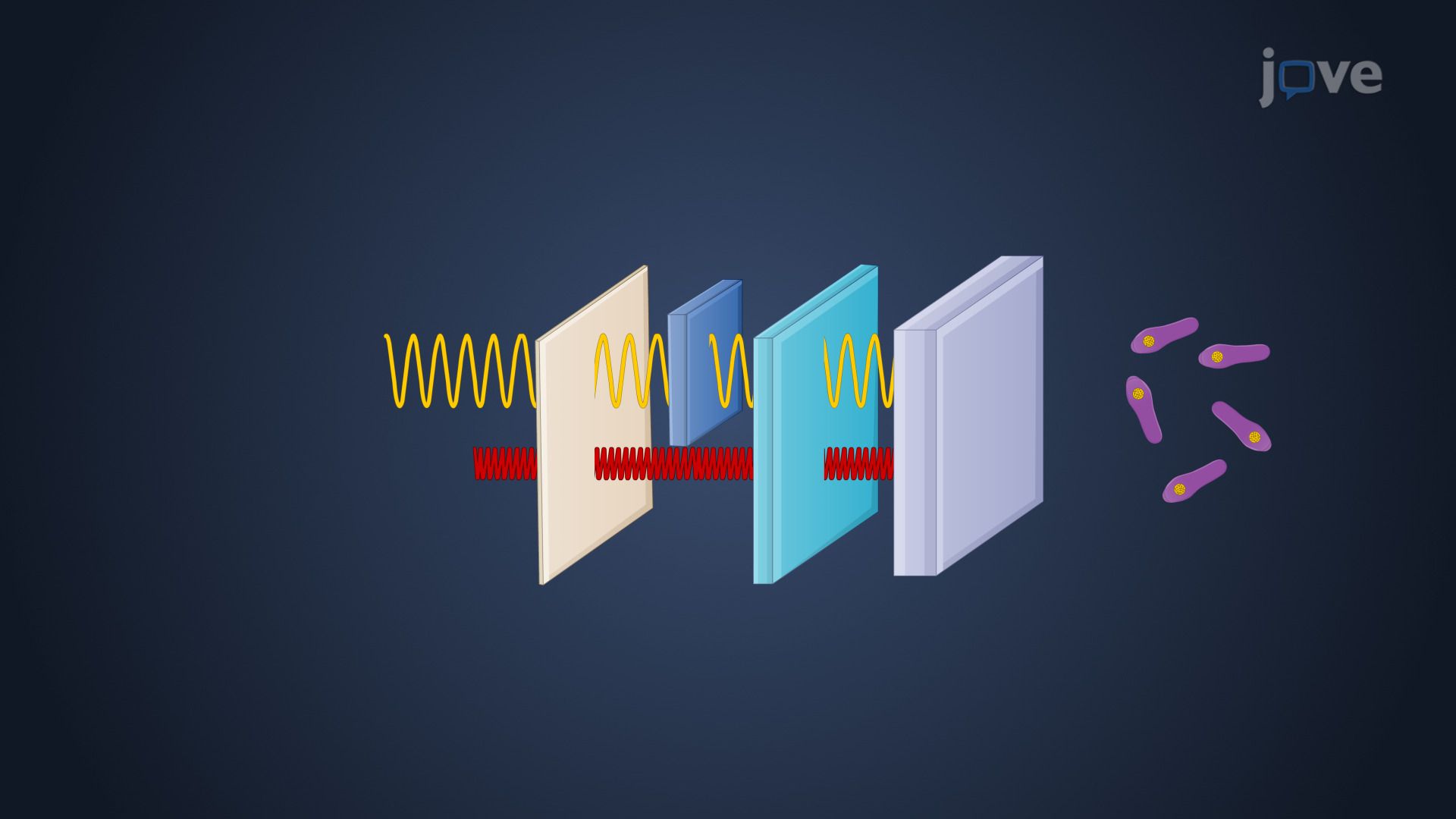
Non-ionizing UV radiation operates at wavelengths of 200-280 nanometers, specifically targeting DNA and RNA structures within microorganisms. The FDA requires UV sterilization systems in pharmaceutical manufacturing facilities, and many US hospitals use UV-C lamps in patient rooms between occupancies. However, UV light's limited penetration means it only sterilizes surfaces and cannot reach microorganisms hidden within solid materials or thick liquids.
Ionizing radiation includes X-rays, gamma rays, and electron beams that possess sufficient energy to create ions by removing electrons from atoms. The US Department of Agriculture approves gamma irradiation for various foods, including ground beef, poultry, and spices, with facilities operating in states like Illinois, Iowa, and Florida. This technology can achieve complete sterilization by destroying even the most resistant bacterial endospores, making it invaluable for medical device manufacturing and pharmaceutical production.
Cold plasma technology represents an emerging frontier in physical sterilization. This fourth state of matter generates reactive species and UV radiation simultaneously, providing rapid antimicrobial action. US medical device companies increasingly use cold plasma for sterilizing heat-sensitive instruments, and the technology shows promise for treating chronic wounds in clinical settings.
Membrane filtration relies on precisely manufactured filters with 0.2-micrometer pores-small enough to trap bacteria and larger microorganisms while allowing sterile filtrate to pass through. The US Pharmacopeia requires membrane filtration for preparing sterile injectable medications, and biotech companies use this method for purifying monoclonal antibodies and vaccines. Cellulose ester and synthetic polymer membranes offer different advantages depending on the application, with some designed specifically for protein retention or virus removal.
Depth filtration systems like HEPA (High-Efficiency Particulate Air) filters work differently, trapping particles throughout a thick, fibrous matrix rather than just at the surface. US hospitals mandate HEPA filtration in operating rooms, bone marrow transplant units, and isolation rooms, achieving 99.97% efficiency for particles 0.3 micrometers and larger. The CDC recommends HEPA filtration for tuberculosis control in healthcare facilities, and these systems proved crucial during the COVID-19 pandemic for maintaining safe indoor air quality.
Understanding these concepts becomes essential for students preparing for AP Biology exams, MCAT sections covering microbiology, and college courses in medical technology or public health.
Related Micro-courses