Loading subject page…


17,829 views

Video Summary: What Is Economics
Did you know that every time you choose to spend your allowance on a new video game instead of saving for concert tickets, you're practicing economics? Economics is the science of making smart choices when resources are limited-whether you're a teenager managing pocket money or Amazon deciding how many warehouses to build across the United States. The concept of What is Economics reveals how individuals, businesses, and entire nations navigate the fundamental challenge of unlimited wants versus scarce resources. Watch the full video on JoVE Coach to master this concept with expert-led visuals and step-by-step explanations.
Economics emerges from the ancient Greek concept of "oikonomos," meaning household management, but has evolved into a sophisticated social science that explains how entire societies function. At its core, economics addresses humanity's most persistent challenge: we have unlimited desires but limited resources to fulfill them. This fundamental tension drives every economic decision, from a high school student choosing between AP classes to the Federal Reserve setting interest rates that affect the entire U.S. economy.
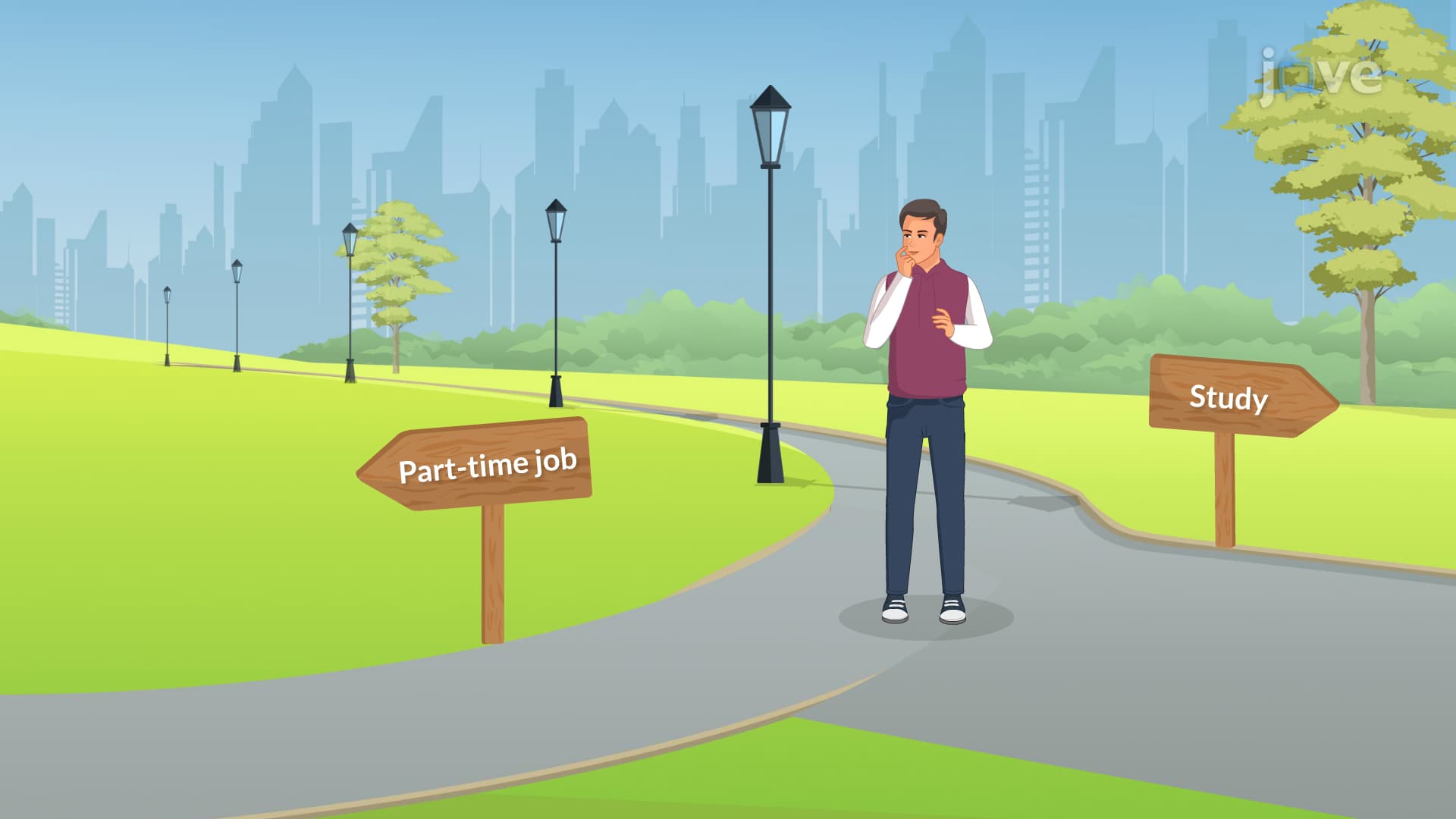
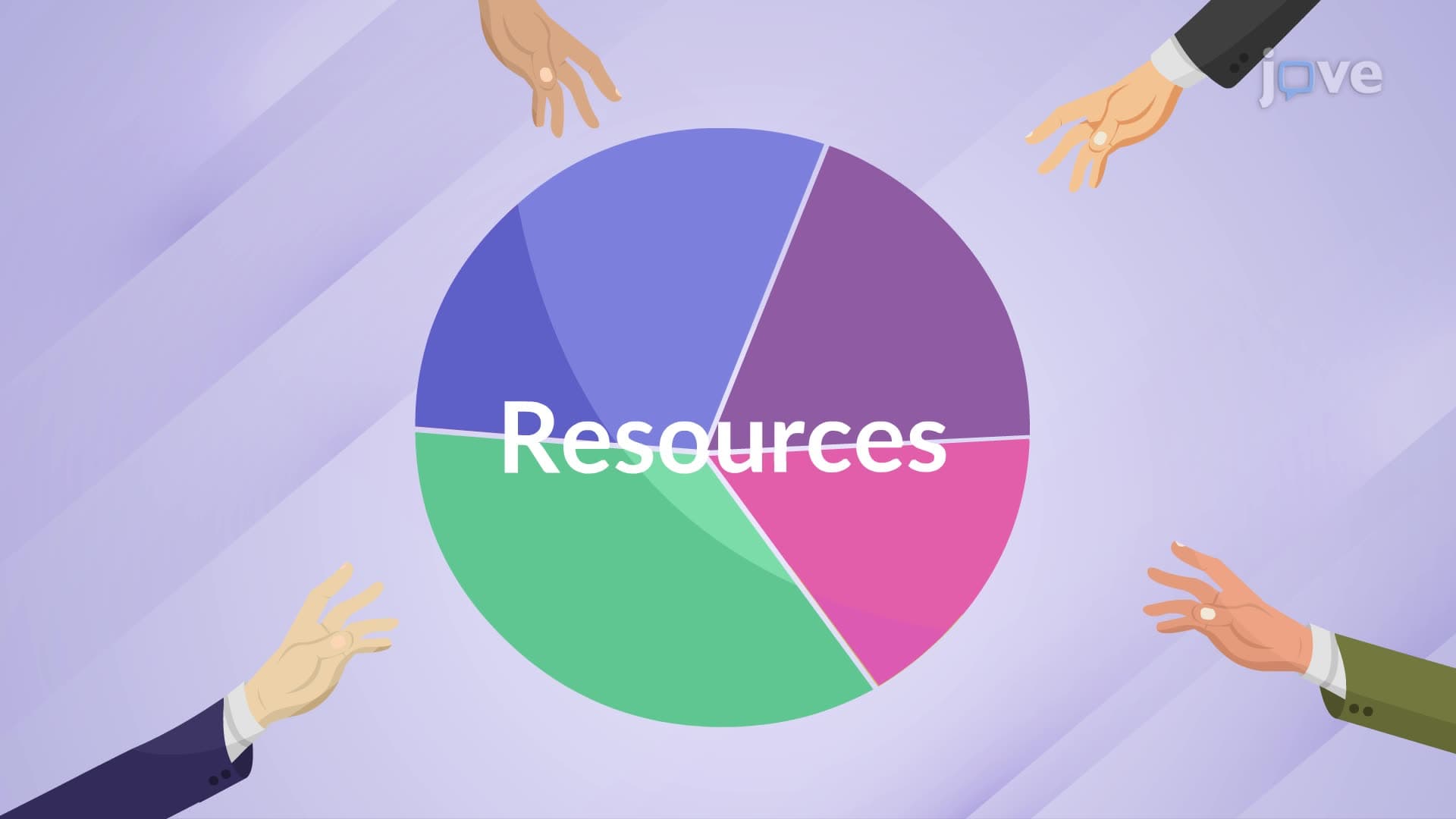
The central premise of economic study revolves around scarcity-the reality that valuable resources like time, money, natural materials, and human expertise exist in finite quantities. Consider how this plays out in American contexts: Netflix must decide which original series to fund with limited production budgets, while students face trade-offs between study time for different subjects. Even the U.S. government confronts scarcity when allocating federal budgets between defense spending, infrastructure projects, and social programs.
Economics operates on two distinct yet interconnected levels. Microeconomics examines individual and business-level decisions-like how Starbucks determines pricing strategies for different markets or how families budget for college expenses. Macroeconomics zooms out to analyze economy-wide phenomena such as why unemployment rates vary between states, how trade policies affect American manufacturing, or what causes nationwide inflation patterns that impact everyone's purchasing power.
Understanding economics proves invaluable for standardized tests like the AP Economics exam, SAT Subject Tests, and college coursework in business, political science, and public policy. Students who grasp fundamental economic concepts perform better on questions involving data interpretation, cause-and-effect relationships, and policy analysis. Moreover, this knowledge translates directly to informed citizenship-understanding why gas prices fluctuate, how student loan policies affect college access, or why certain regions experience economic growth while others struggle.
Related Micro-courses