Loading subject page…


17,829 views


Video Summary: What Is Market
Ever wondered why your morning coffee costs $5 at Starbucks but only $1 at a gas station? A market is the dynamic network where buyers and sellers interact to determine these prices through supply and demand forces. From Wall Street's financial exchanges to Amazon's digital marketplace, markets shape every economic transaction in America. Understanding What is Market reveals how these complex systems facilitate trade, influence pricing, and drive our entire economy forward. Watch the full video on JoVE Coach to master this concept with expert-led visuals and step-by-step explanations.
A market represents far more than a simple place of exchange-it's a sophisticated economic mechanism that coordinates the activities of millions of participants. At its foundation, a market consists of buyers (demand-side participants) seeking goods, services, or assets, and sellers (supply-side participants) offering these items. This interaction creates the fundamental force that determines prices, allocates resources, and drives economic growth.
The market definition explained reveals three critical elements: participants, products, and processes. Participants include everyone from individual consumers buying groceries to institutional investors trading securities on NASDAQ. Products encompass tangible goods like automobiles, intangible services like healthcare, and financial instruments like stocks and bonds. The processes involve price discovery, transaction facilitation, and information flow that enables efficient exchange.
Understanding what is market requires recognizing its diverse manifestations in the American economy. Financial markets like the New York Stock Exchange facilitate trading of securities, with over $40 trillion in market capitalization. Commodity markets such as the Chicago Mercantile Exchange handle agricultural products, energy, and metals that form the backbone of industrial production. Consumer markets range from traditional retail stores to e-commerce platforms like Amazon, which processes over 5 billion packages annually.
Digital transformation has revolutionized market accessibility and efficiency. Online marketplaces eliminate geographical constraints, allowing a small business in Montana to sell products to customers in Florida. These platforms demonstrate how markets adapt to technological changes while maintaining their core function of connecting supply with demand.
The market concept explained shows how price signals coordinate economic activity without central planning. When demand for electric vehicles increases, higher prices incentivize manufacturers like Tesla and Ford to expand production. Conversely, oversupply leads to price reductions that help clear excess inventory. This self-regulating mechanism, first described by Adam Smith's "invisible hand," remains fundamental to market economies.
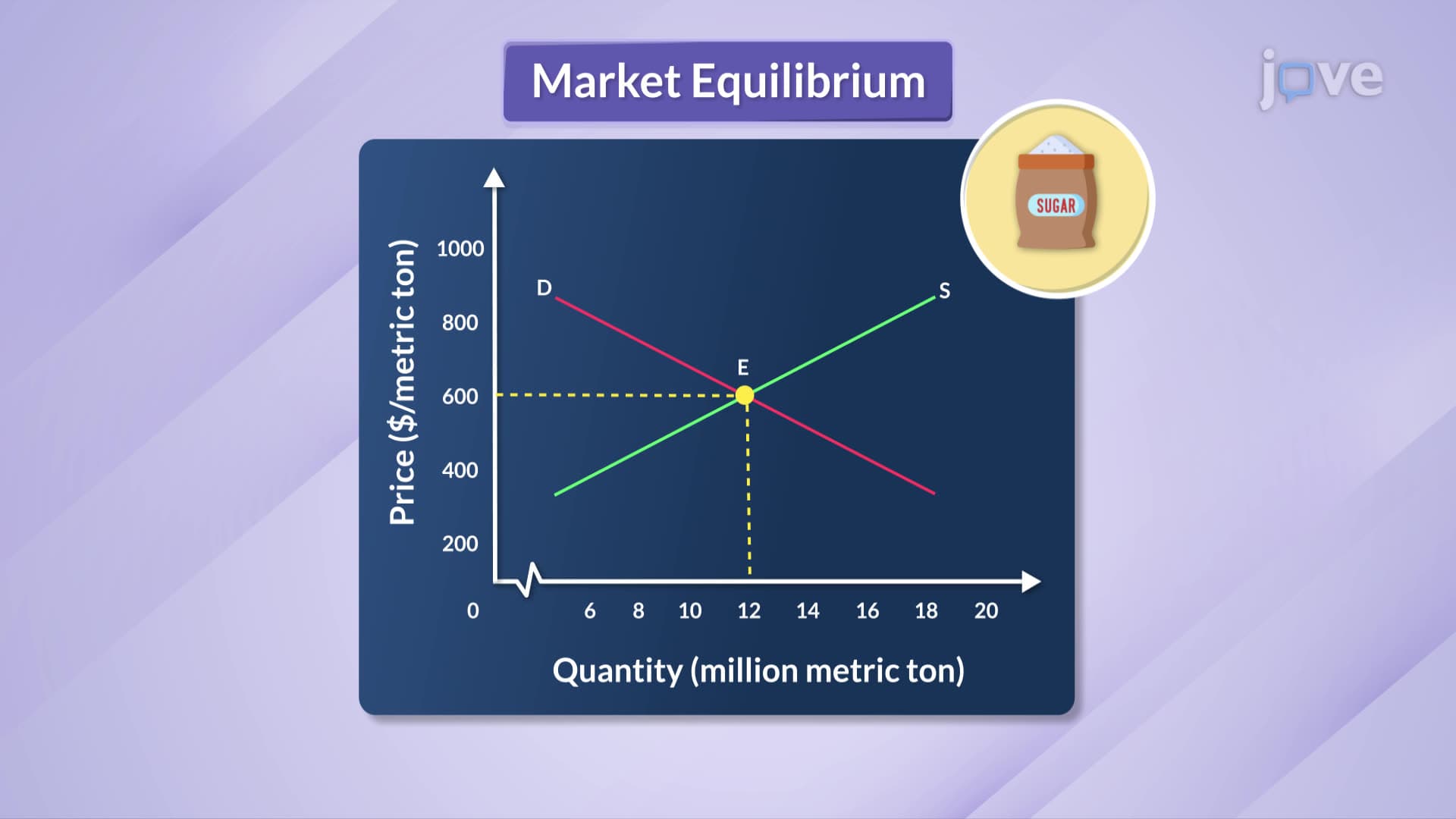
For students preparing for AP Economics exams or college microeconomics courses, understanding market equilibrium is crucial. The intersection of supply and demand curves determines market-clearing prices and quantities. Shifts in these curves, caused by factors like consumer preferences or production costs, create new equilibrium points that reflect changing economic conditions.
Markets also serve as information aggregators, incorporating vast amounts of data into price signals. The stock market, for instance, processes earnings reports, economic indicators, and investor sentiment to establish security prices that theoretically reflect fair value. This information efficiency helps allocate capital to its most productive uses, fostering innovation and economic growth.
Related Micro-courses