Loading subject page…


17,829 views


Video Summary: What Is Need to Study Microeconomics
Ever wonder why your favorite coffee costs $5 at Starbucks but $2 at the campus cafeteria? The need to study microeconomics becomes clear when you realize it governs every economic decision around you. From understanding why housing prices skyrocket in Silicon Valley to helping businesses decide between hiring workers or buying equipment, microeconomics explains the forces that shape markets, firms, and consumer choices in America's economy. Watch the full video on JoVE Coach to master this concept with expert-led visuals and step-by-step explanations.
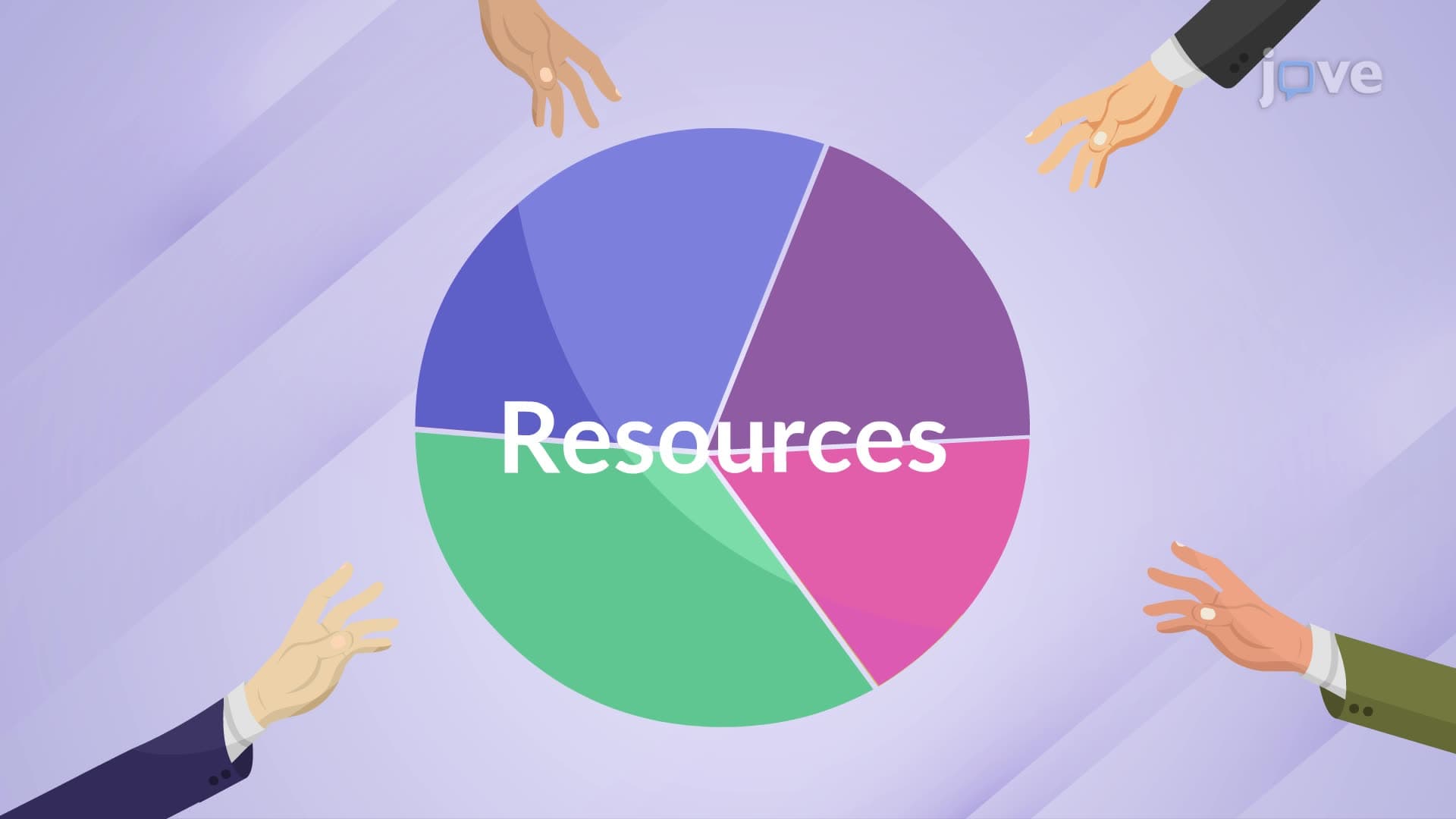
The need to study microeconomics stems from its fundamental role as the building block of economic understanding. Unlike macroeconomics, which examines entire economies, microeconomics focuses on individual decision-makers-consumers, firms, and specific markets. This granular approach reveals how rational actors navigate scarcity, the central economic problem affecting everyone from college students managing tight budgets to Fortune 500 CEOs allocating billion-dollar resources.
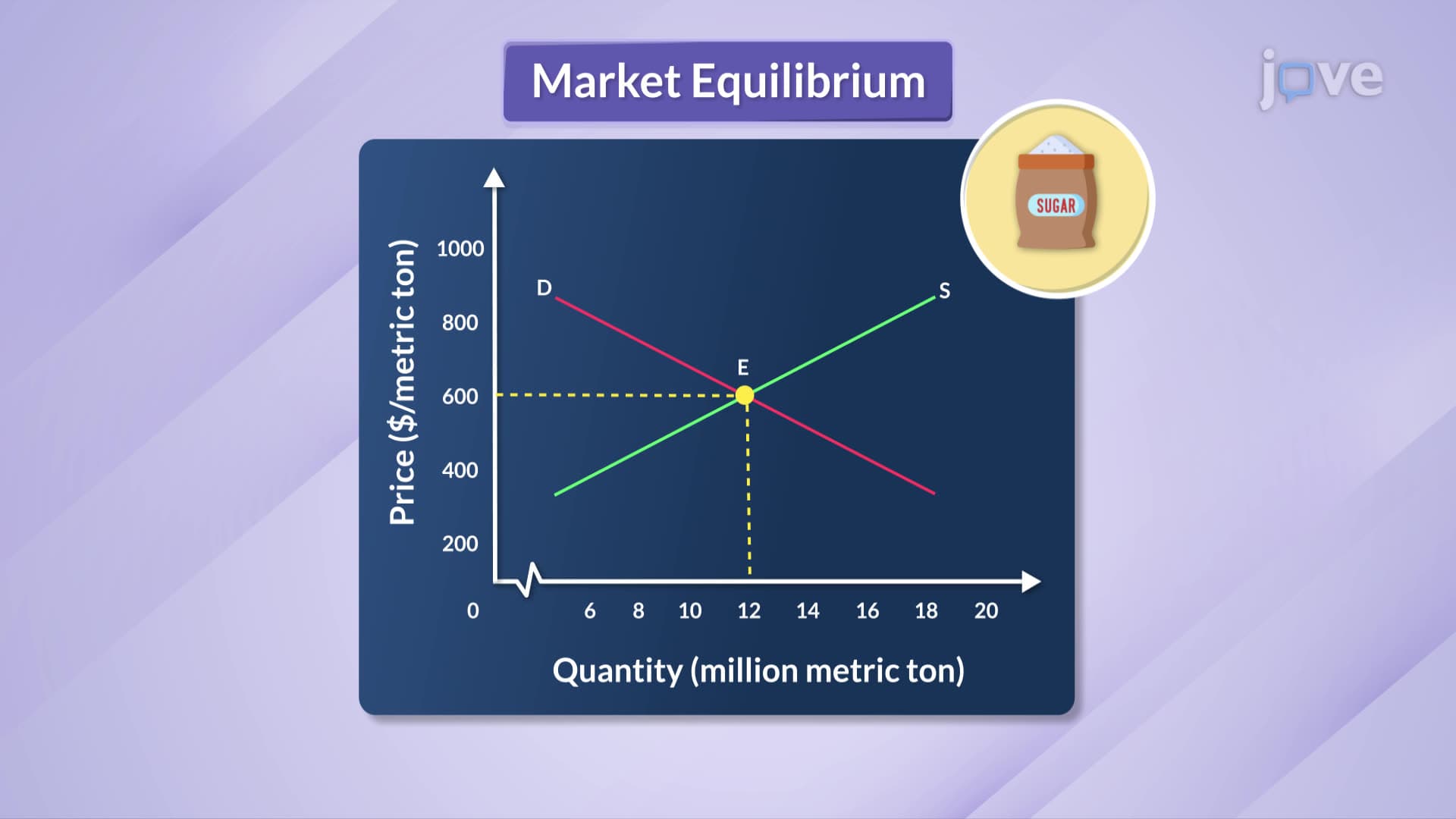
Microeconomics provides the analytical framework to understand why prices change and how markets reach equilibrium. Consider the US housing market during 2020-2022: microeconomic theory explains how historically low Federal Reserve interest rates increased demand while limited housing supply drove prices up by over 20% nationally. Students preparing for AP Economics or college-level courses must grasp these supply and demand interactions, as they appear frequently on exams and form the foundation for more advanced economic concepts.
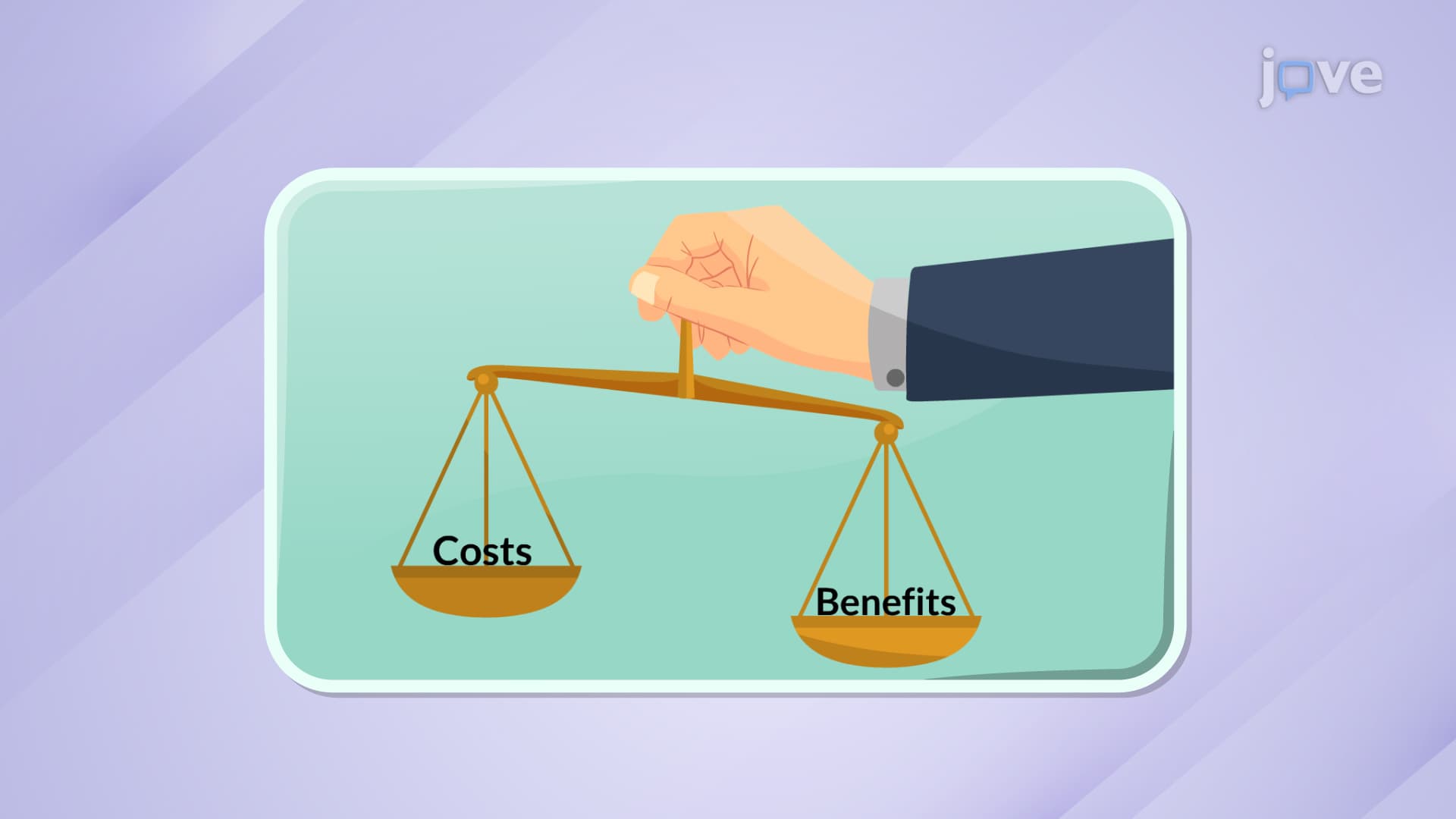
For businesses, microeconomic principles guide critical operational decisions. A tech startup in Austin, Texas, might use microeconomic analysis to determine whether investing $100,000 in new software engineers or advanced computing equipment will maximize productivity. This involves understanding concepts like marginal productivity, opportunity cost, and production functions-topics that appear regularly on college microeconomics midterms and are essential for business school applications.
Consumer behavior analysis helps explain purchasing decisions under budget constraints. When a college student chooses between buying organic groceries or conventional ones, they're unconsciously applying microeconomic principles of utility maximization. This concept becomes particularly relevant when studying for standardized tests like the SAT Economics Subject Test or preparing for business school entrance exams, where understanding consumer theory is crucial.
The practical applications extend to public policy formation. Microeconomic analysis informs decisions about minimum wage laws, healthcare policy, and environmental regulations. For instance, when California implemented a $15 minimum wage, microeconomic theory helped predict effects on employment levels and business operations. Students pursuing careers in economics, public policy, or business administration will find these analytical skills invaluable in their professional development and essential for success in graduate-level coursework.
Related Micro-courses