Loading subject page…


17,829 views


Video Summary: What Is Opportunity Cost
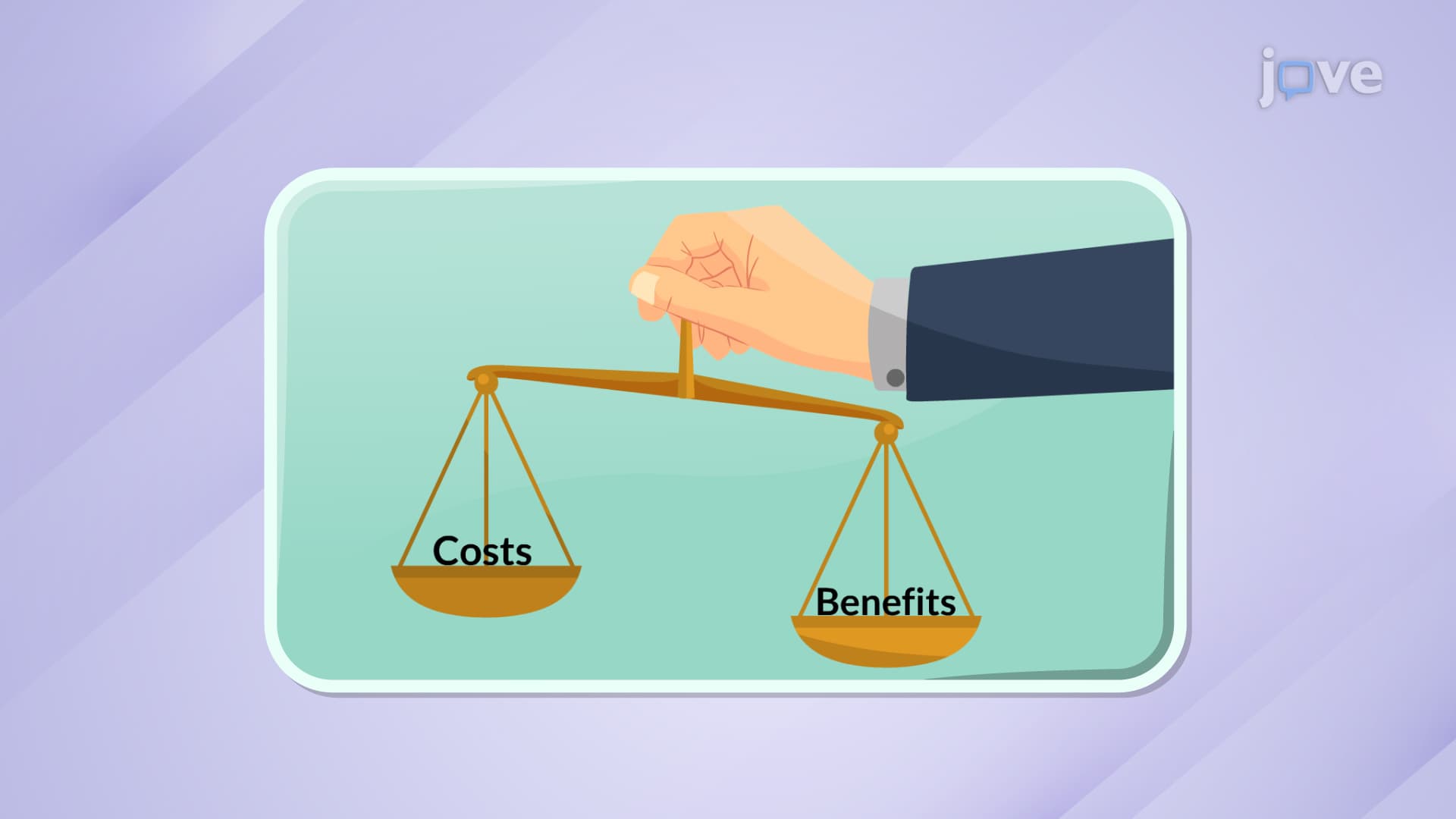
Every time you choose to spend your Saturday studying instead of working your part-time job, you're experiencing opportunity cost in action. Opportunity cost represents the value of the next best alternative you give up when making a decision. Consider Apple's decision to focus resources on iPhone development instead of expanding their Mac line-the forgone Mac profits represent their opportunity cost. Understanding What is Opportunity Cost helps students and professionals make better resource allocation decisions across economics, business, and personal finance. Watch the full video on JoVE Coach to master this concept with expert-led visuals and step-by-step explanations.
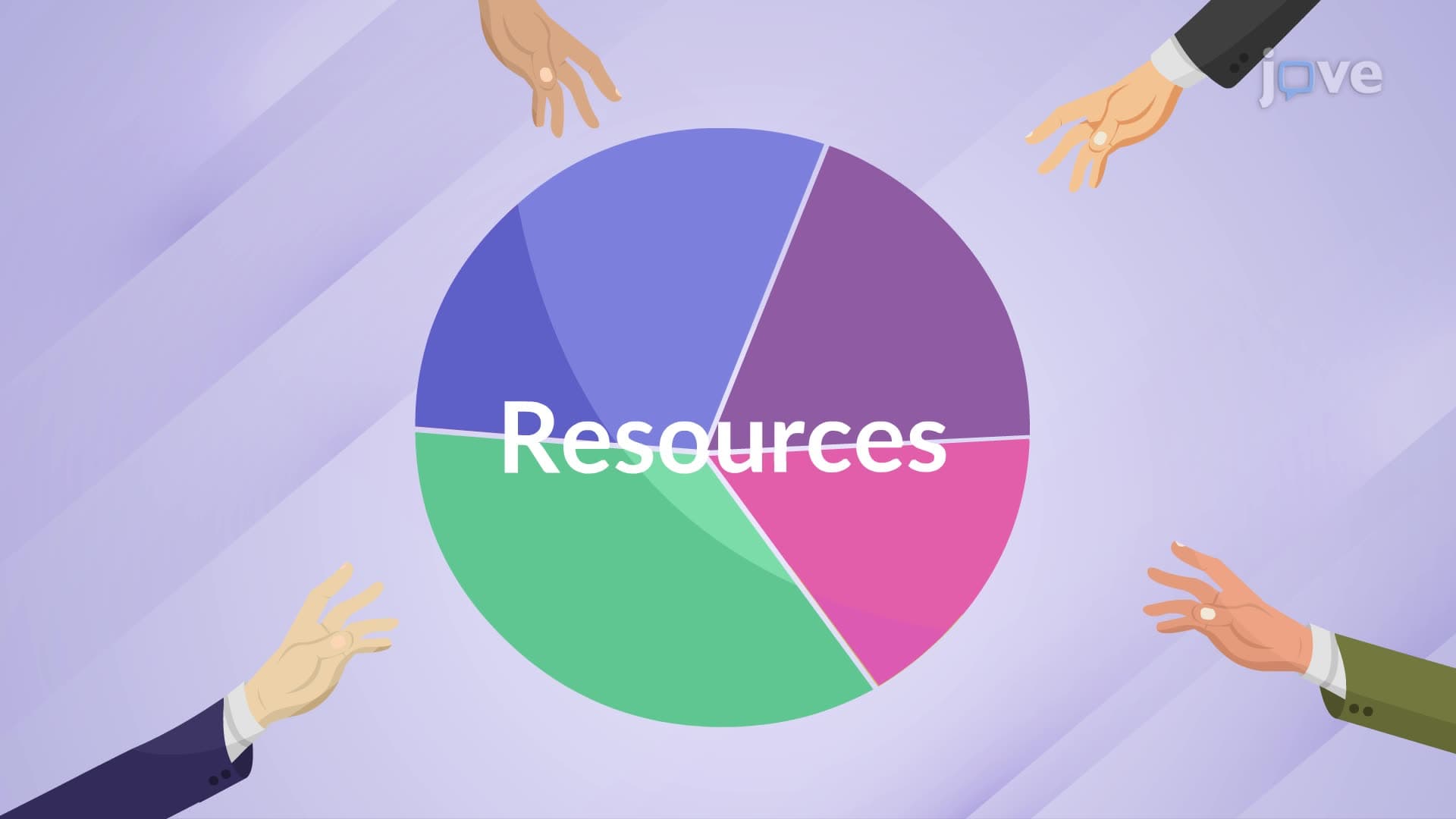
Opportunity cost definition explained centers on a fundamental economic principle: resources are limited, but wants are unlimited. This scarcity forces us to make choices, and every choice carries an implicit cost-the value of what we don't choose. The opportunity cost concept explained goes beyond simple monetary calculations to encompass time, effort, and alternative benefits we sacrifice.
When businesses face production decisions, opportunity cost becomes a critical factor in profit maximization. Consider a US manufacturing company that produces both smartphones and tablets. If the company has limited factory capacity and must choose between producing 1,000 smartphones (profit: $200,000) or 500 tablets (profit: $180,000), choosing smartphones means an opportunity cost of $180,000 in forgone tablet profits.
This calculation becomes more complex when considering factors like market demand, production efficiency, and long-term strategic value. Companies like Tesla faced significant opportunity costs when dedicating resources to electric vehicle development instead of expanding into other automotive segments.
For students preparing for AP Economics or college business courses, understanding opportunity cost overview helps in analyzing personal financial decisions. When choosing between attending a four-year university ($200,000 total cost) versus entering the workforce immediately (potential $160,000 earnings over four years), the opportunity cost of college education includes both direct costs and forgone wages-totaling approximately $360,000.
This analysis appears frequently on AP Microeconomics exams and college economics assessments, where students must identify and calculate opportunity costs in various scenarios.
Major US corporations regularly demonstrate opportunity cost principles. When Amazon invested heavily in cloud computing (AWS) instead of expanding retail operations, their opportunity cost included potential retail market share. However, AWS now generates higher profit margins than retail, validating their decision through retrospective opportunity cost analysis.
Understanding these principles helps students excel in business school applications, where case studies often require opportunity cost evaluation for strategic recommendations.
Related Micro-courses