Loading subject page…


17,829 views


Video Summary: What Is Trade Offs
Did you know that choosing to attend Stanford University over working immediately after high school represents a classic trade offs scenario costing over $300,000 in tuition plus lost wages? Trade offs occur when limited resources force us to sacrifice one option for another, affecting everyone from individual consumers to major corporations like Apple, which chose to focus on electronics rather than home appliances. Understanding What is Trade offs helps explain fundamental decision-making in economics, personal finance, and business strategy. Watch the full video on JoVE Coach to master this concept with expert-led visuals and step-by-step explanations.
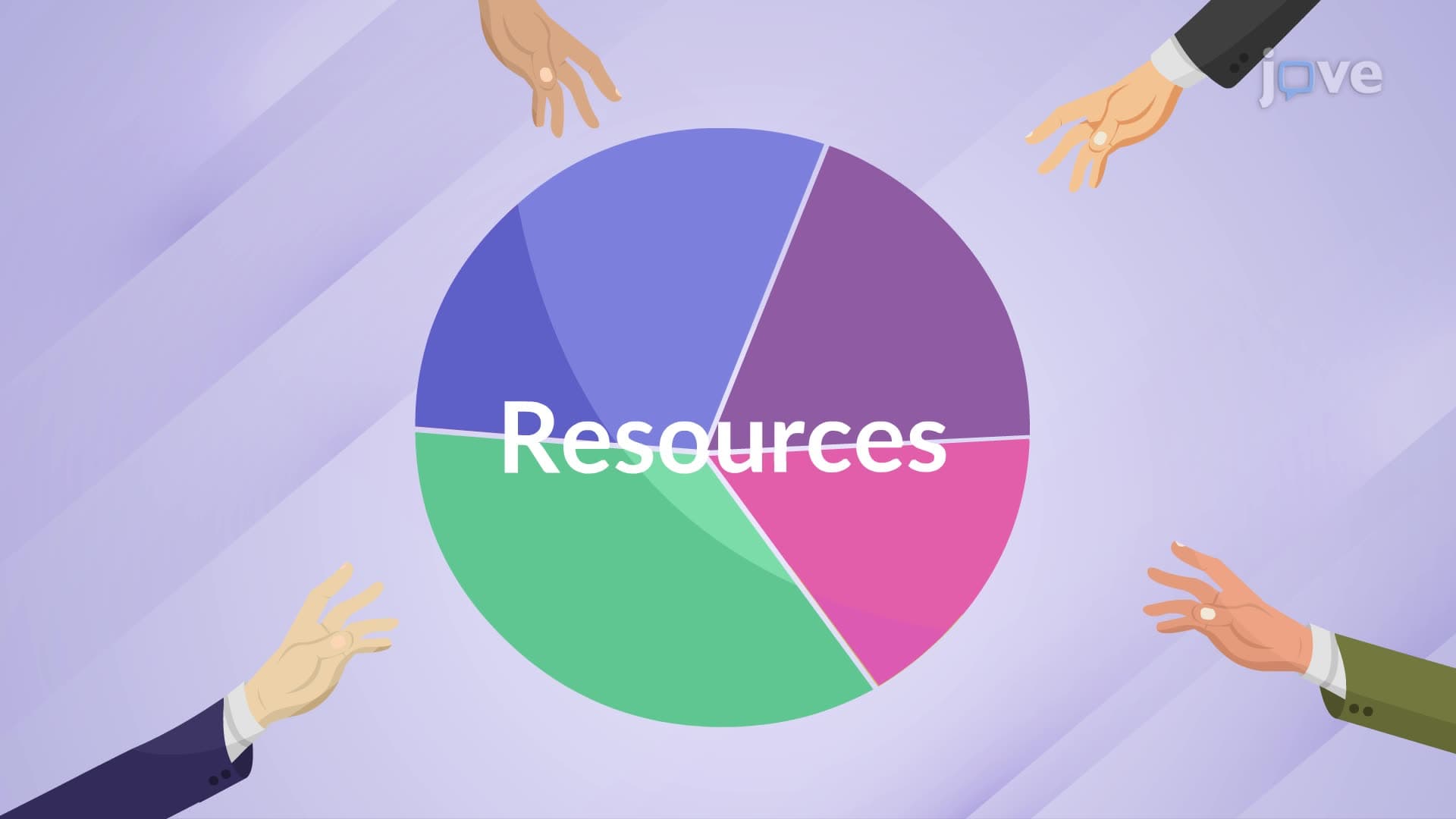
Trade offs represent the fundamental economic reality that choosing one option necessarily means forgoing another due to limited resources. This concept forms the backbone of economic thinking, appearing prominently in AP Economics courses, college microeconomics classes, and standardized tests like the SAT Subject Tests. Every decision, from a high school student choosing between part-time work and extracurricular activities to Amazon deciding between expanding warehouses or investing in drone delivery, involves weighing alternatives against scarce resources.
Individual consumers face countless trade offs definition explained scenarios daily. A college student with $500 monthly discretionary income must choose between dining out, entertainment, savings, or additional course materials. The opportunity cost-the value of the best alternative foregone-becomes crucial in rational decision-making. For example, choosing a $40,000 annual salary job immediately after high school versus attending a four-year university represents a complex trade-off involving immediate income against potential future earning capacity. Studies show college graduates earn approximately $1.2 million more over their lifetime, but this requires sacrificing four years of potential earnings plus tuition costs.
Corporations constantly navigate strategic trade offs overview when allocating finite resources. Tesla's decision to prioritize electric vehicle production over traditional automotive manufacturing exemplifies corporate trade-offs. Similarly, Netflix chose to invest heavily in original content production rather than simply licensing existing shows, fundamentally changing its business model. These decisions involve analyzing market conditions, competitive landscapes, and long-term strategic positioning. Students studying business administration or preparing for GMAT exams frequently encounter case studies examining how companies like Google, Microsoft, or Walmart navigate resource allocation trade-offs.
Government entities face perhaps the most complex trade offs concept explained scenarios, balancing competing public needs with limited budgets. The federal government's annual budget process illustrates this perfectly-increased defense spending might mean reduced education funding, while investing in infrastructure improvements could limit healthcare program expansion. State governments similarly balance education funding against transportation improvements, environmental protection against economic development. Understanding these governmental trade-offs proves essential for students preparing for AP Government exams or pursuing public policy studies at universities like Georgetown or George Washington University.
Related Micro-courses