Loading subject page…

- Microeconomics
- Monopolistic Competition
- Differentiated Products under Monopolistic Competition
Micro-course: Monopolistic Competition
5,484 views
Learn key concepts and earn your certificate.


Differentiated Products under Monopolistic Competition


00:00
01:26
Video Summary: Differentiated Products Under Monopolistic Competition Explained
Why do Starbucks and Dunkin' charge different prices for coffee when both serve the same basic product? Differentiated products under monopolistic competition create this pricing power by making each company's offering unique. In the US market, Apple positions iPhones as premium tech while Samsung markets Galaxy phones as versatile alternatives-both competing in smartphones yet avoiding direct price wars. This strategy, called Differentiated Products Under Monopolistic Competition Explained, helps businesses build customer loyalty while giving consumers more choices. Watch the full video on JoVE Coach to master this concept with expert-led visuals and step-by-step explanations.
- Understand how Differentiated Products Under Monopolistic Competition Explained creates competitive advantages without relying solely on price competition
- Identify the key methods companies use to differentiate products, including design, quality, branding, features, and customer service approaches
- Analyze real-world examples of product differentiation strategies used by major US companies across various industries
- Compare the benefits and challenges of product differentiation for both consumers and businesses in monopolistic competition
- Evaluate how advertising investments and premium pricing relate to successful product differentiation strategies
- Apply product differentiation concepts to predict market behavior and company decision-making in competitive scenarios
- Recognize the role of innovation and brand loyalty in maintaining competitive positioning within monopolistically competitive markets
- Explore how product differentiation affects market efficiency, consumer welfare, and long-term business sustainability
Understanding Differentiated Products Under Monopolistic Competition
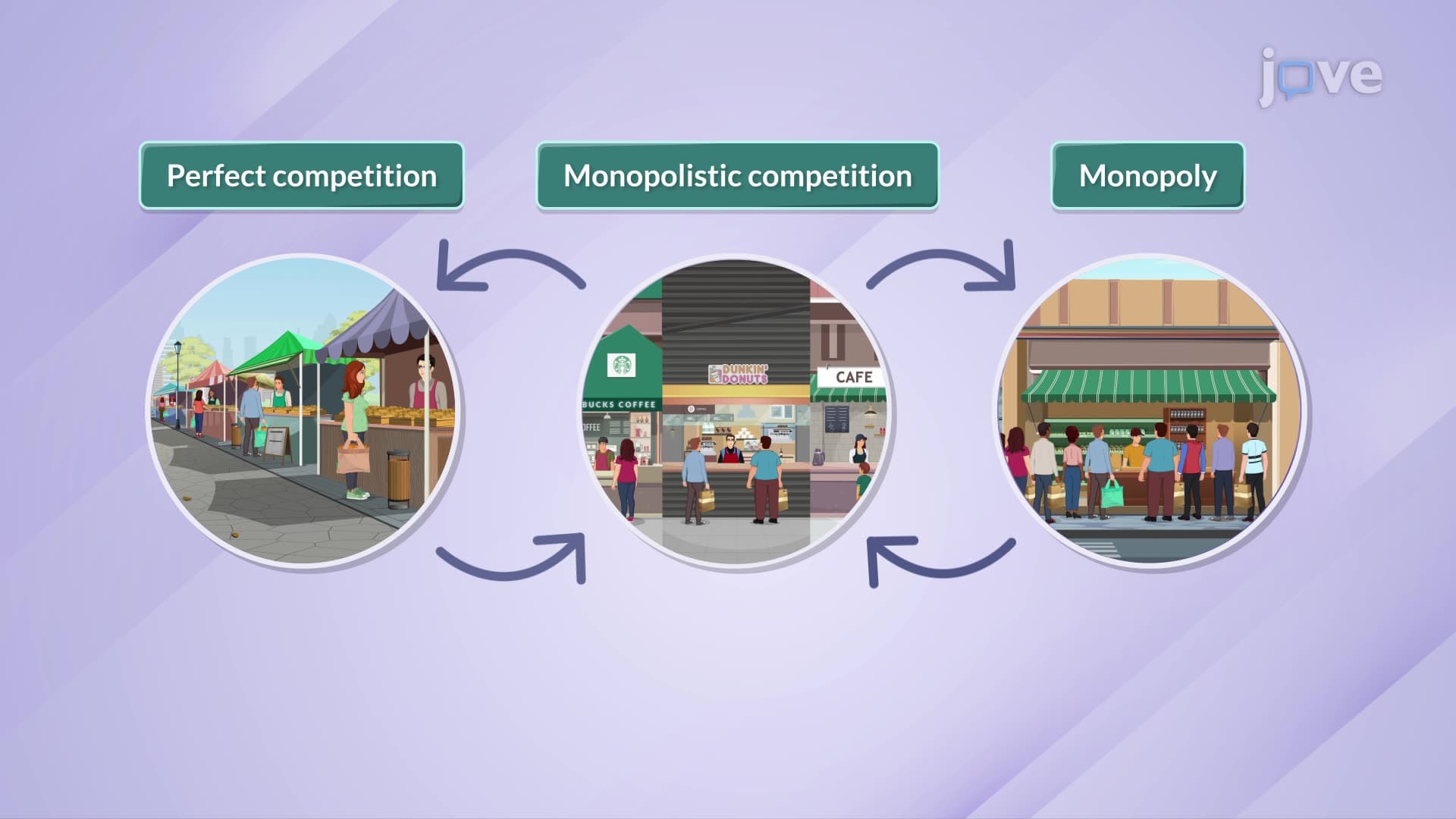
Differentiated products under monopolistic competition represent a fundamental market structure where numerous companies compete by making their offerings distinctly different rather than identical. Unlike perfect competition where products are homogeneous, or monopolies with single sellers, monopolistic competition combines elements of both-many sellers offering similar but differentiated products.
Core Elements of Product Differentiation Strategy
Product differentiation operates through several key dimensions. Physical differentiation involves tangible changes like Nike's Air Max cushioning technology versus Adidas' Boost foam. Service differentiation appears when Amazon Prime offers two-day shipping while competitors provide standard delivery. Brand differentiation creates emotional connections-think Coca-Cola's happiness messaging versus Pepsi's youthful energy positioning. Location differentiation also matters, as Walgreens and CVS compete partly through convenient store placement.
Real-World Applications in US Markets
Consider the smartphone industry, where differentiated products under monopolistic competition thrive. Apple emphasizes premium design and ecosystem integration, justifying higher prices through perceived value. Google's Pixel phones compete through superior camera AI and pure Android experience. Samsung offers variety across price points with innovative features like foldable screens. Each company carves out market share without engaging in destructive price wars.
The fast-food industry demonstrates similar principles. McDonald's differentiates through speed and consistency, Chipotle emphasizes fresh ingredients and customization, while Five Guys focuses on premium burger quality. This differentiation allows coexistence and profitability despite serving similar core products.
Academic and Exam Relevance
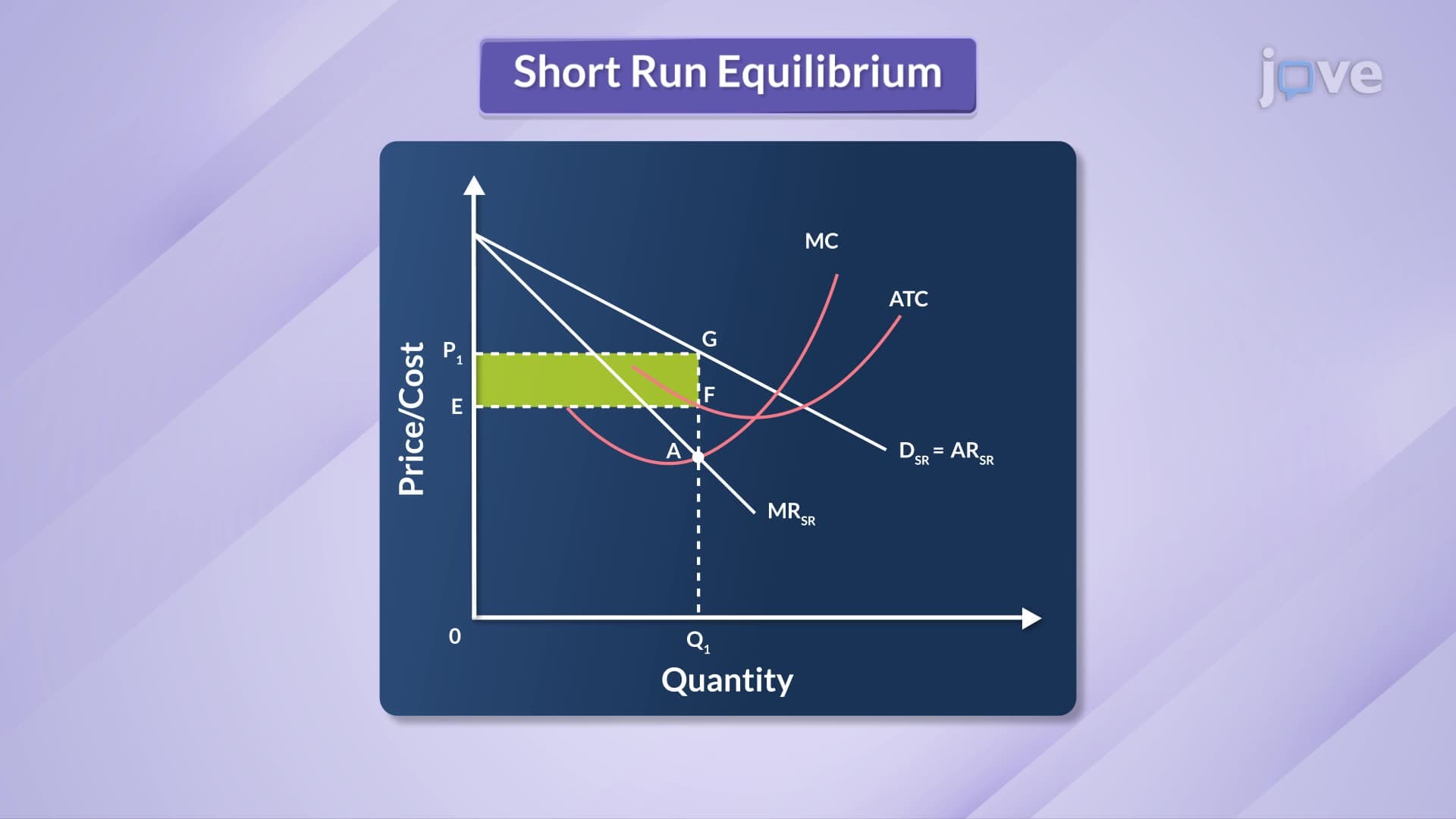
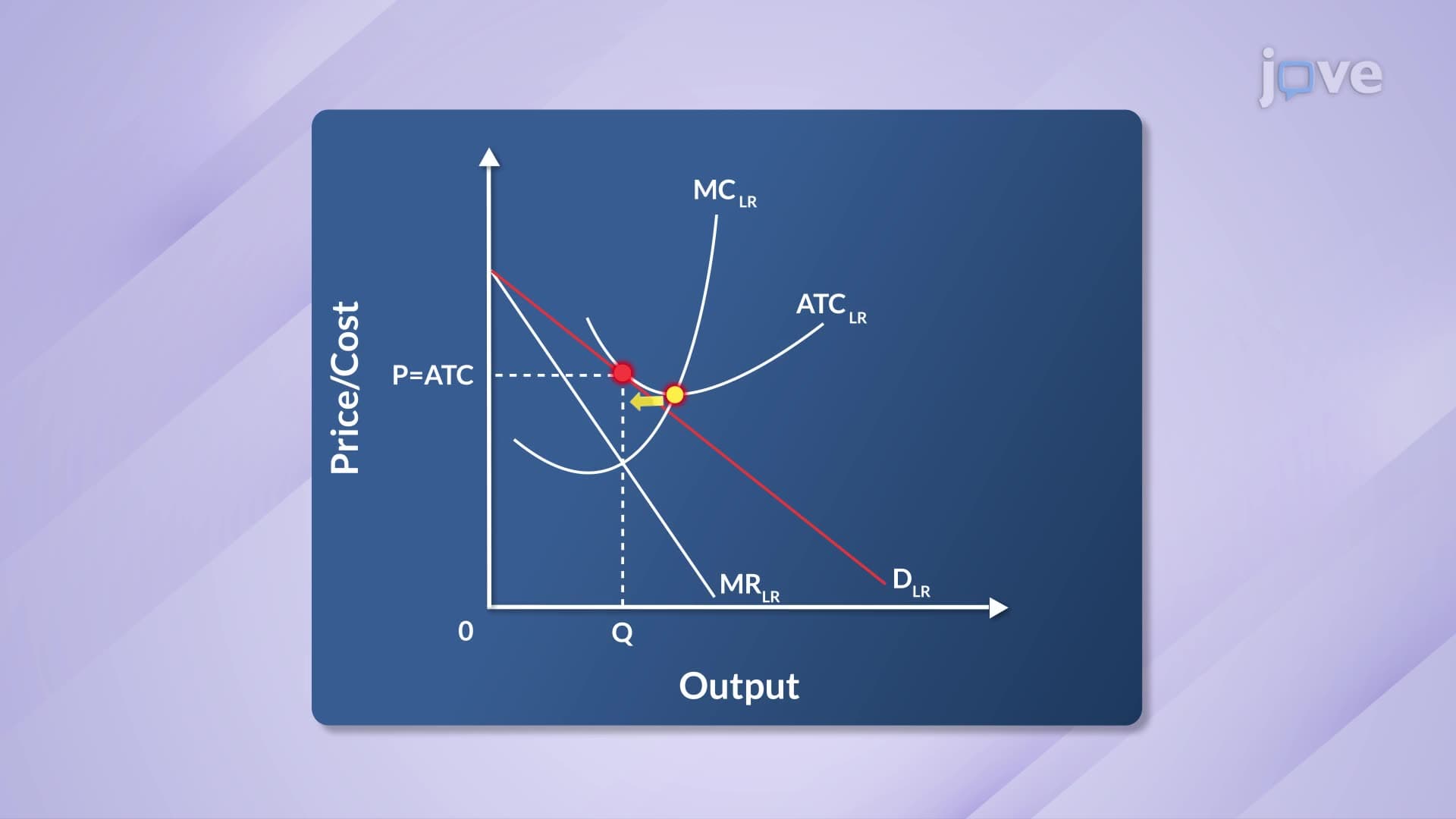
Students encounter this concept extensively in AP Microeconomics courses, where understanding market structures forms crucial foundation knowledge. College economics exams frequently test students' ability to distinguish between perfect competition, monopolistic competition, oligopoly, and monopoly. Key exam topics include analyzing how product differentiation affects demand elasticity, pricing power, and long-run economic profits.
Challenges and Market Implications
While product differentiation offers competitive advantages, it requires substantial investment in research, development, and marketing. Companies must balance differentiation costs against potential revenue increases. Successful differentiation can create temporary monopoly-like conditions within specific market segments, allowing premium pricing until competitors respond with similar innovations or alternative differentiation strategies.
Frequently Asked Questions
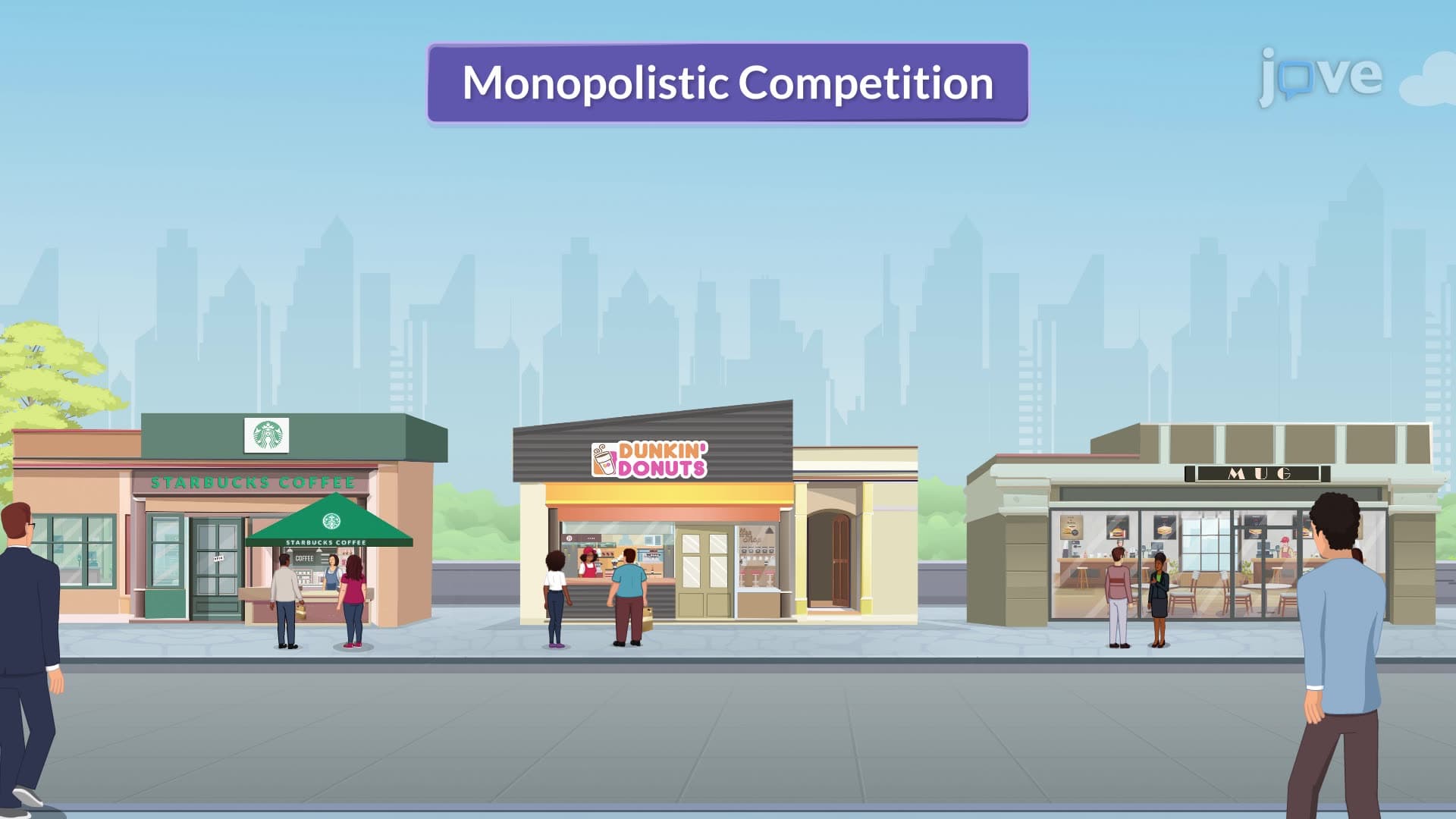
Differentiated products under monopolistic competition occurs when many companies sell similar but distinct products, competing through unique features rather than price alone. Companies like Starbucks and Dunkin' both sell coffee but differentiate through atmosphere, menu variety, and brand positioning. This allows each to maintain customer loyalty and pricing power while operating in the same market.
In perfect competition, all products are identical and companies compete solely on price, while differentiated products under monopolistic competition involves unique product features that reduce direct price competition. For example, generic aspirin represents perfect competition, while Tylenol, Advil, and Aleve compete monopolistically through different active ingredients and brand positioning.
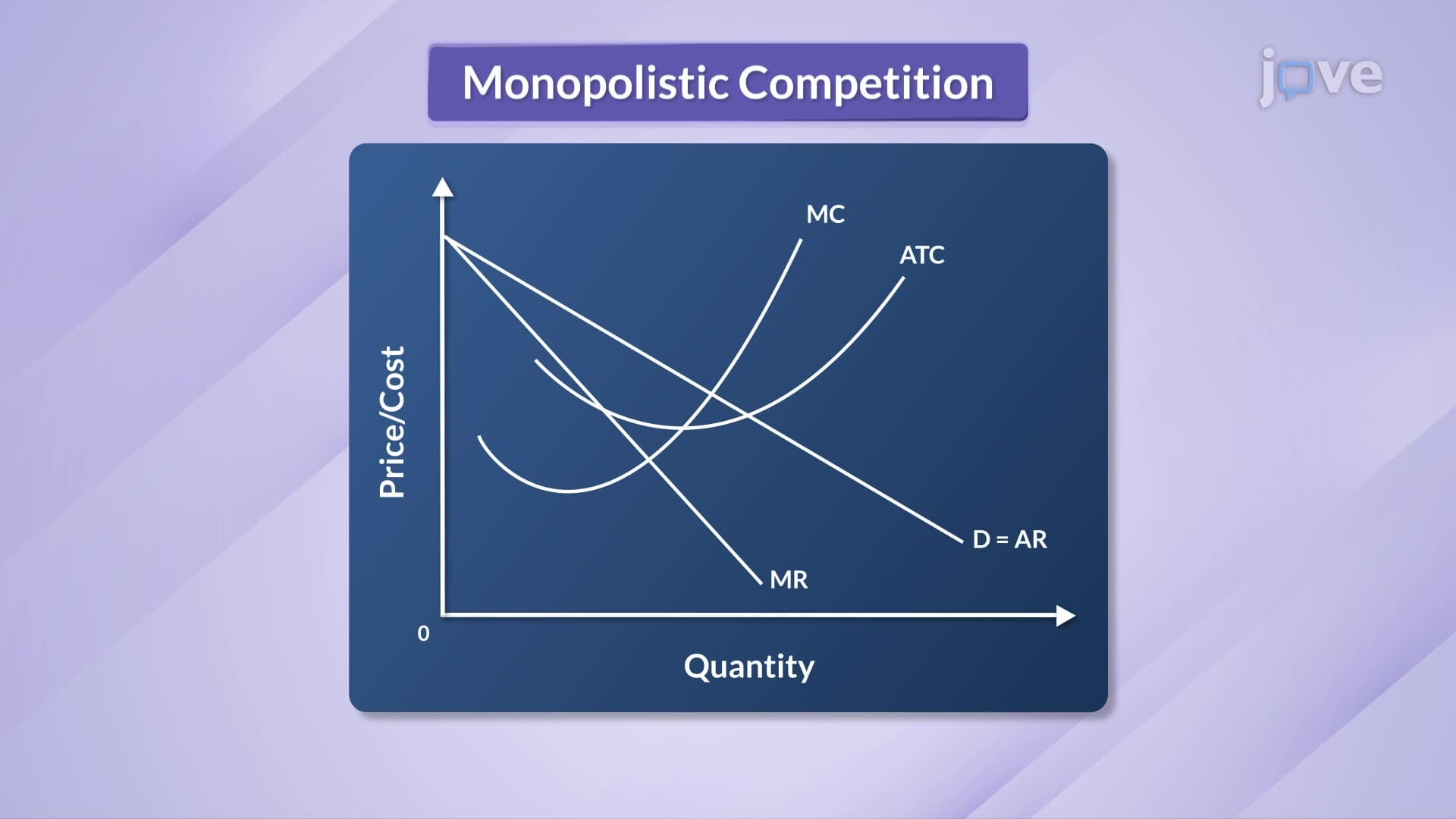
AP Microeconomics exams often present scenarios requiring students to identify market structures and explain pricing strategies. Questions may ask students to analyze graphs showing demand curves for differentiated products, or explain why companies in monopolistic competition can charge different prices. Practice identifying real-world examples and understanding profit maximization under product differentiation.
Principles of Microeconomics and Intermediate Microeconomics courses extensively cover this topic, typically in market structure units. Business strategy courses also explore practical applications, while industrial organization classes examine advanced theoretical aspects. Many business schools include case studies of successful differentiation strategies in companies like Apple, Nike, and Starbucks.
Consider streaming services: Netflix differentiates through original content, Hulu through next-day TV episodes, and Disney+ through family-friendly franchises. Similarly, fast-casual restaurants like Chipotle (customization), Panera (bakery-café concept), and Sweetgreen (health focus) all serve similar markets but maintain distinct positioning. These examples show how differentiation creates customer loyalty beyond price considerations.
No advanced mathematics is required for basic understanding-focus on grasping the conceptual relationships between product uniqueness, customer preference, and pricing power. While college courses may include calculus-based profit maximization problems, high school students can master the core concepts through real-world examples and logical reasoning about market behavior.
Create comparison charts showing how real companies differentiate similar products, practice identifying market structures from business scenarios, and memorize key characteristics that distinguish monopolistic competition from other market types. Focus on understanding cause-and-effect relationships: how differentiation leads to customer loyalty, which enables premium pricing, which funds continued innovation and marketing investments.
Study oligopoly markets to understand how fewer competitors affect differentiation strategies, explore game theory applications in competitive positioning, and examine behavioral economics concepts like brand loyalty psychology. Advanced topics include network effects in platform businesses and how digital markets create new forms of product differentiation through data and algorithms.
Related Micro-courses

14 Concepts


11 Concepts