Loading subject page…

- Microeconomics
- Monopolistic Competition
- Long-run Equilibrium under Monopolistic Competition
Micro-course: Monopolistic Competition
5,484 views
Learn key concepts and earn your certificate.



Long-run Equilibrium under Monopolistic Competition

00:00
01:25
Video Summary: Long Run Equilibrium Under Monopolistic Competition Explained
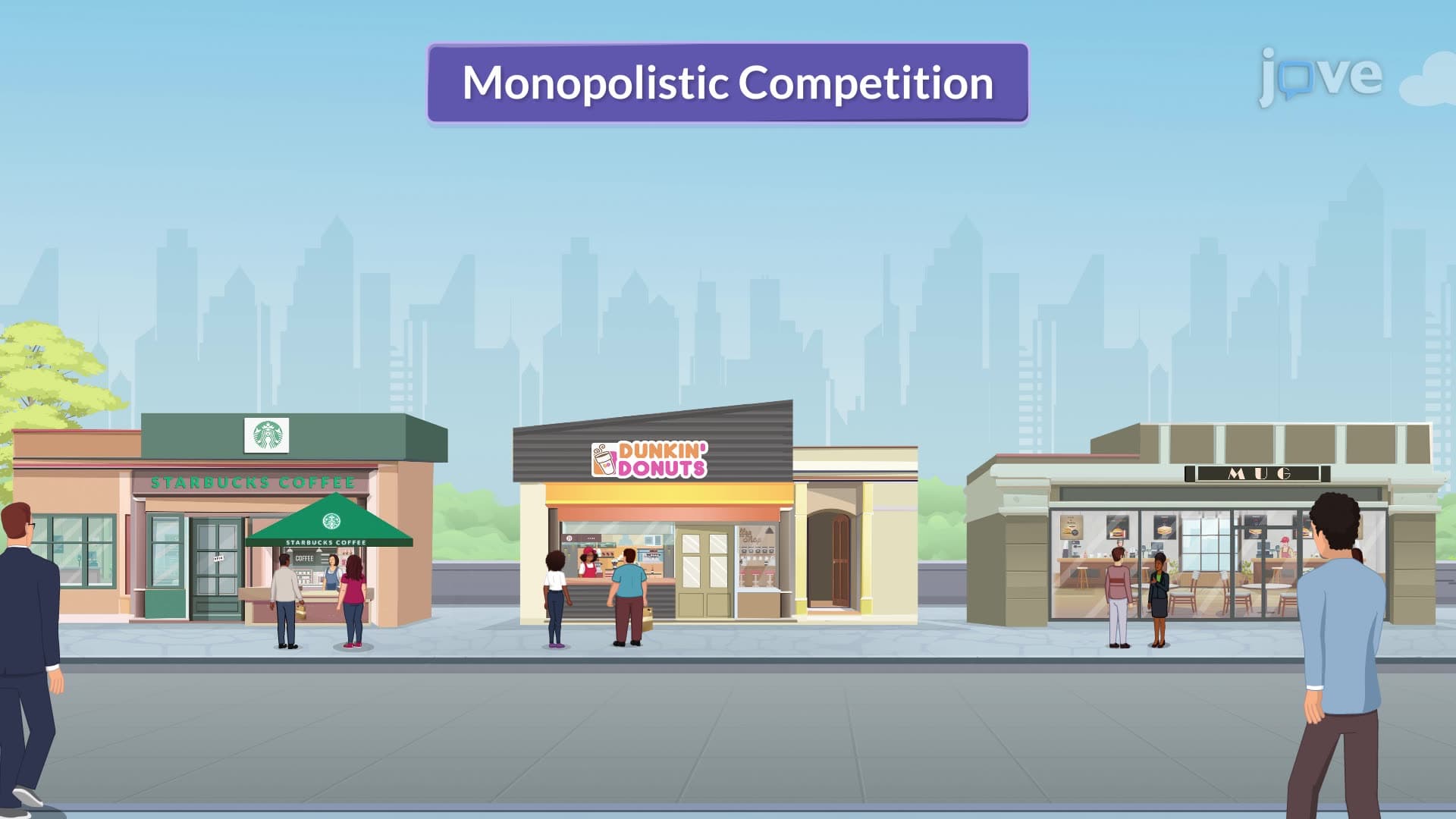
Why do coffee shops like Starbucks face constant competition from new local cafes, yet still manage to survive and break even? Long run equilibrium under monopolistic competition explains this fascinating market dynamic where firms enter and exit freely until all economic profits disappear. Consider how countless pizza restaurants operate in any US city-each offering slightly different products but ultimately earning just enough to cover costs, including normal returns. The Long Run Equilibrium Under Monopolistic Competition Explained concept reveals why prices stay above marginal cost while firms produce below maximum efficiency. Watch the full video on JoVE Coach to master this concept with expert-led visuals and step-by-step explanations.
- Understand how Long Run Equilibrium Under Monopolistic Competition Explained demonstrates the market adjustment process when firms have freedom of entry and exit
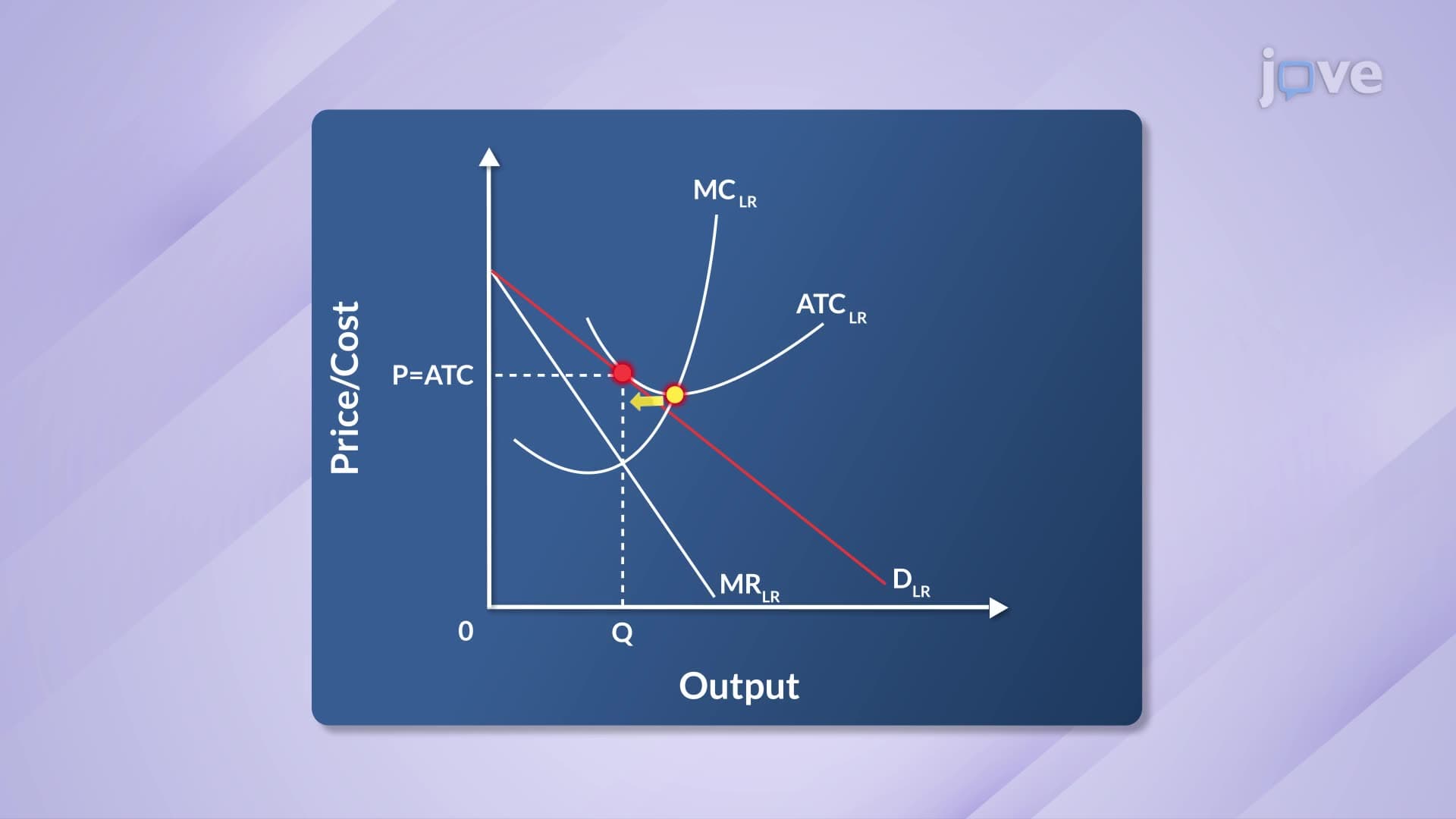
- Identify the conditions that must be met for long run equilibrium: zero economic profit, marginal revenue equals marginal cost, and price equals average total cost
- Analyze why the demand curve shifts leftward as new firms enter the market, reducing individual firm demand until it becomes tangent to the average total cost curve
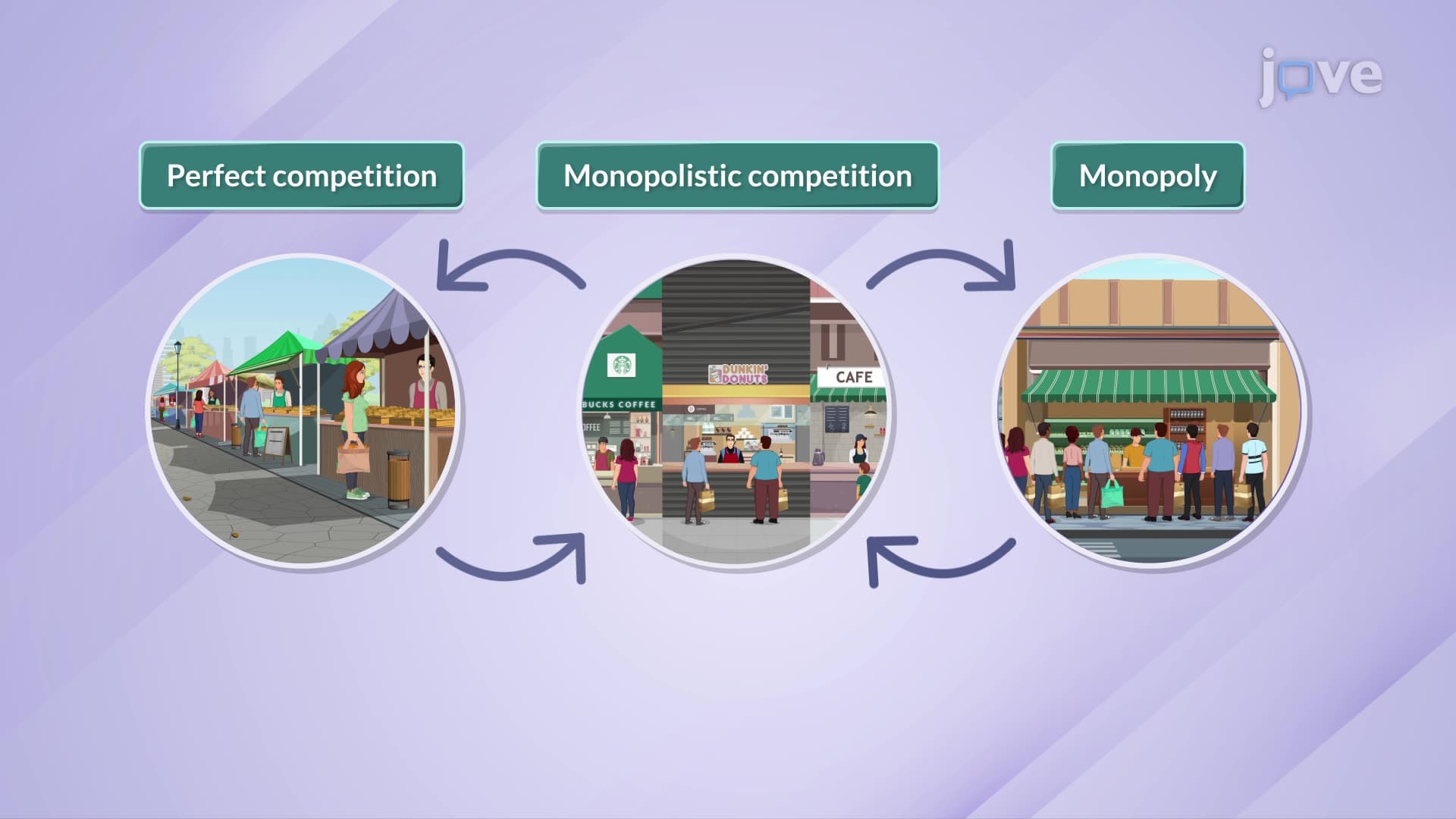
- Compare the efficiency outcomes of monopolistic competition to perfect competition, recognizing that firms don't produce at minimum average total cost
- Evaluate the implications of price exceeding marginal cost in long run equilibrium and what this means for consumer welfare and resource allocation
- Apply the concept to real-world markets like restaurants, retail stores, and service providers to predict market behavior and firm profitability
- Recognize the role of product differentiation in maintaining market power even when economic profits are eliminated
- Explore how market entry and exit mechanisms create automatic adjustment forces that drive the economy toward equilibrium
Understanding Long Run Equilibrium Under Monopolistic Competition
Long run equilibrium under monopolistic competition represents a fascinating balance point where market forces eliminate economic profits while preserving the competitive dynamics that characterize differentiated product markets. Unlike perfect competition, where firms are price takers, monopolistically competitive firms maintain some pricing power due to product differentiation, yet this advantage disappears in the long run through the entry and exit mechanism.
The Market Adjustment Process
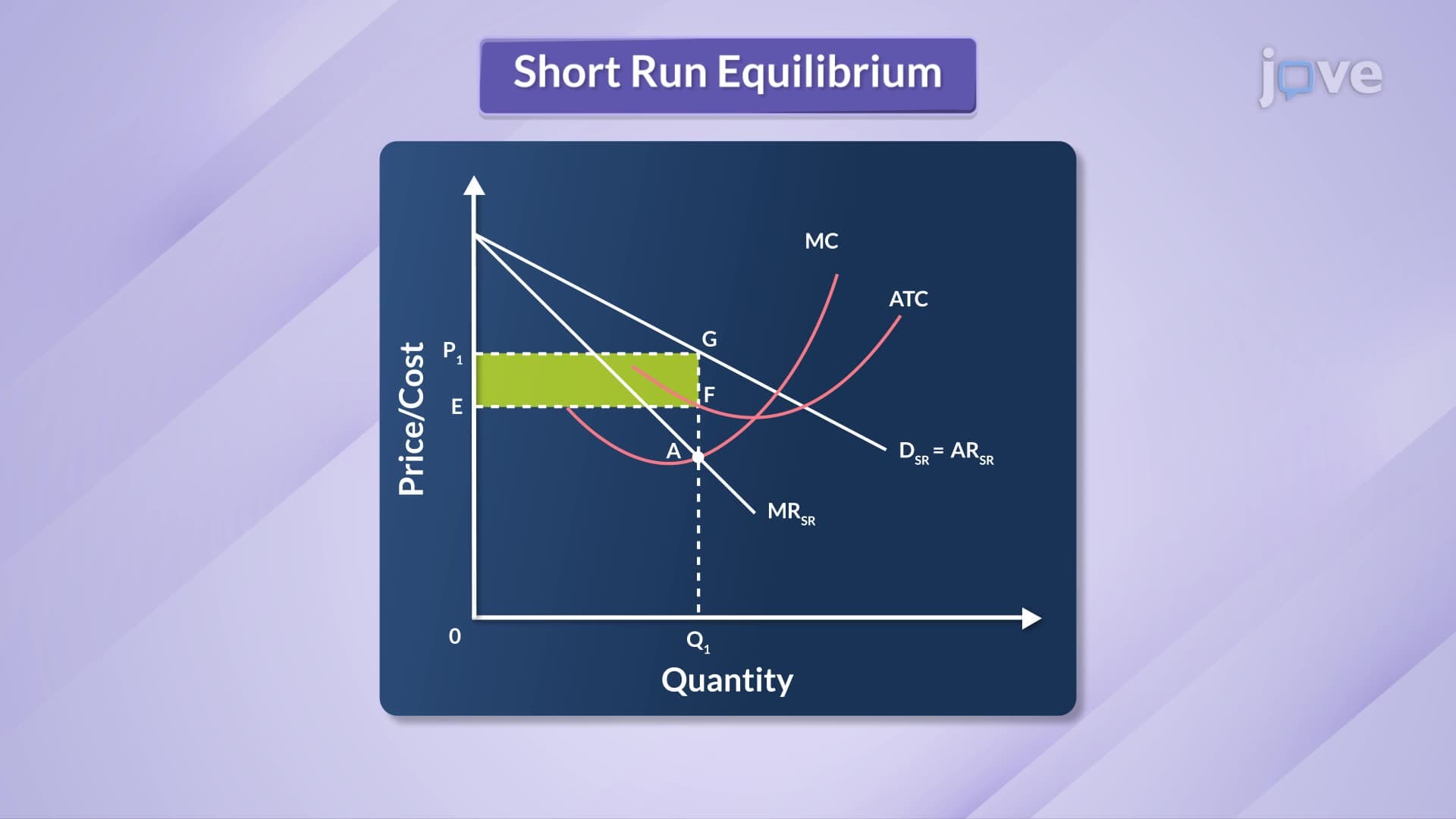
The path to long run equilibrium under monopolistic competition begins when existing firms earn short-run economic profits. These profits act as a signal attracting new entrants to the market. Consider the craft beer industry in cities like Portland, Oregon, where successful breweries inspire new competitors to enter with their own unique offerings. As new firms enter, the market becomes more crowded, and each existing firm faces reduced demand for its products.
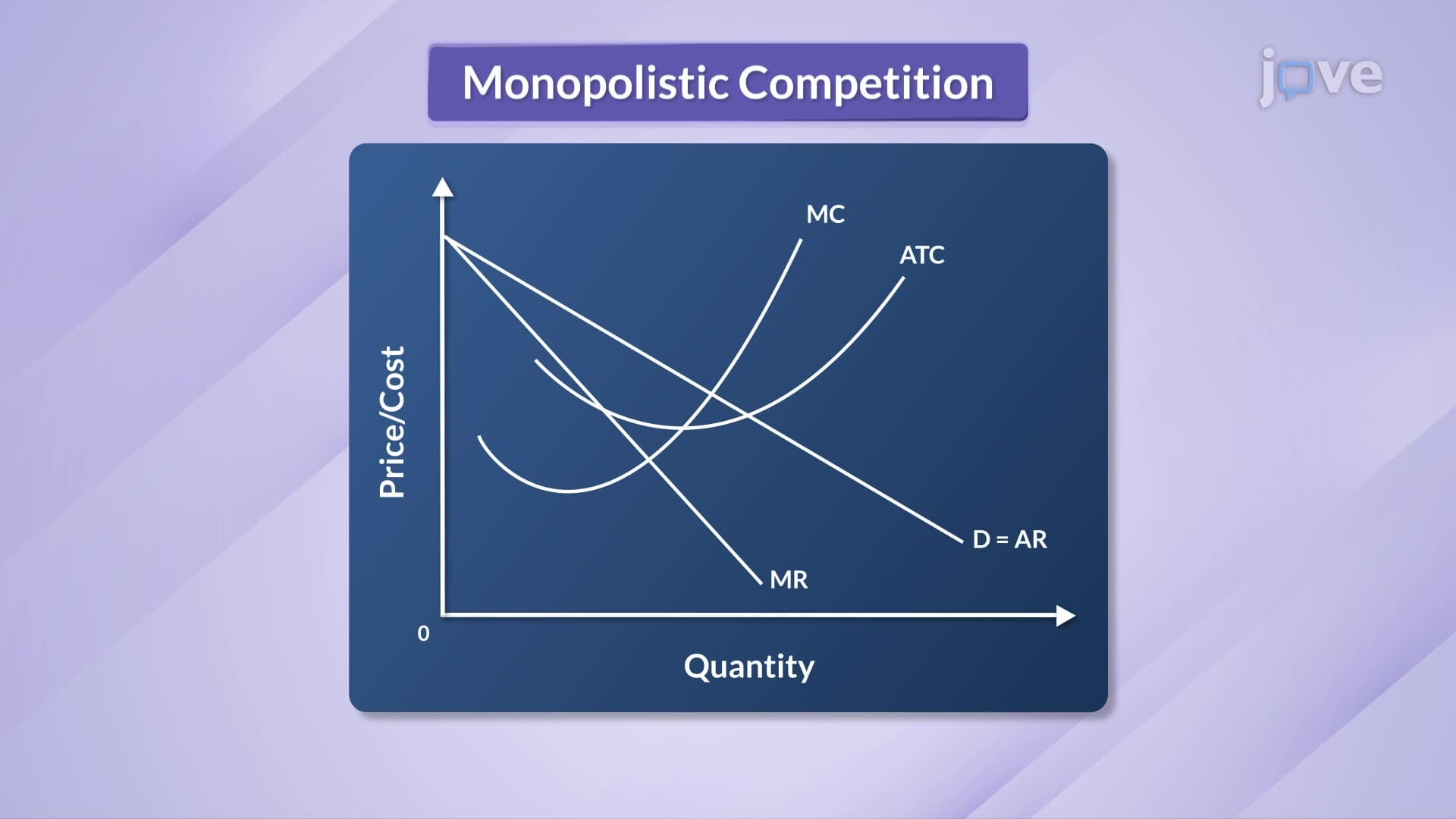
This process continues until the demand curve for each firm shifts leftward enough to become tangent to the average total cost (ATC) curve. At this tangency point, price equals average total cost, eliminating economic profits. The long run equilibrium definition requires that marginal revenue equals marginal cost (profit maximization condition) while price equals average total cost (zero economic profit condition).
Efficiency Implications and Market Characteristics
A crucial insight from studying what is long run equilibrium under monopolistic competition involves understanding the efficiency trade-offs. Firms in this market structure don't achieve productive efficiency because they operate to the left of the minimum point on their ATC curve. This means production occurs at higher per-unit costs than would be optimal from society's perspective.
Additionally, allocative efficiency isn't achieved because price exceeds marginal cost. This gap represents the social cost of product variety-consumers pay a premium for differentiated products rather than standardized goods produced at minimum cost. The restaurant industry exemplifies this trade-off: diners enjoy diverse cuisine options but pay higher prices than they would in a world of identical, mass-produced meals.
Real-World Applications and Exam Relevance
Students preparing for AP Economics exams frequently encounter questions about monopolistic competition's long run outcomes. The concept appears regularly on college microeconomics midterms, where students must graph the equilibrium position and explain why firms earn zero economic profit despite maintaining some market power.
US retail markets provide excellent examples for analysis. Fashion retailers like local boutiques compete with differentiated products, yet in the long run, successful stores attract competitors until profits normalize. Understanding this dynamic helps explain market evolution in industries from hair salons to independent bookstores across American communities.
Frequently Asked Questions
Long run equilibrium under monopolistic competition occurs when firms earn zero economic profit due to free entry and exit, while short run equilibrium may include economic profits or losses. In the long run, the demand curve becomes tangent to the average total cost curve, ensuring firms cover all costs including normal profit. This differs from short run situations where barriers or time constraints may prevent immediate market adjustments.
AP Economics exams frequently test this concept through graphing questions requiring students to show the tangency condition between demand and ATC curves. Students must demonstrate understanding of why marginal revenue equals marginal cost while price equals average total cost. Free response questions often ask students to compare efficiency outcomes with perfect competition and explain the entry/exit mechanism.
Intermediate microeconomics courses extensively cover this topic, typically in chapters on market structure and firm behavior. Principles of economics courses introduce the concept as part of market structure comparisons. Industrial organization classes examine real-world applications, while business strategy courses explore competitive dynamics. Many economics majors encounter this concept in multiple courses throughout their undergraduate studies.
The coffee shop industry perfectly illustrates this concept. Independent coffee shops differentiate through atmosphere, specialty drinks, and local character, yet when successful shops earn profits, new competitors enter the market. Eventually, each shop earns just enough to cover costs and provide normal returns to owners. Despite product differentiation, long run competition eliminates economic profits while maintaining variety for consumers.
This concept builds logically on supply and demand fundamentals that students already know. The key insight-that free entry eliminates profits over time-connects to everyday observations about business competition. While the graphical analysis requires practice, the underlying economic logic is intuitive. Students who understand basic profit maximization can master this concept with focused study.
Practice drawing the long run equilibrium graph showing demand tangent to ATC with MR=MC. Memorize the three key conditions: zero economic profit, profit maximization, and free entry/exit. Create comparison charts highlighting differences from perfect competition and monopoly. Use real-world examples to reinforce theoretical concepts and practice explaining the adjustment process step-by-step.
Students should explore oligopoly models, game theory applications, and strategic business behavior. Advanced topics include product differentiation strategies, advertising economics, and spatial competition models. Understanding monopolistic competition provides foundation for studying industrial organization, business strategy, and competition policy. These concepts frequently appear in upper-level economics courses and business school curricula.
Firms produce below minimum ATC because they maintain downward-sloping demand curves due to product differentiation. Unlike perfectly competitive firms with horizontal demand curves, monopolistically competitive firms face the trade-off between market share and price. The tangency condition with ATC occurs before the minimum point, resulting in excess capacity that represents the cost of maintaining product variety in the market.
Related Micro-courses

14 Concepts


11 Concepts