Loading subject page…

- Microeconomics
- Monopolistic Competition
- Monopolistic vs Perfect Competition vs Monopoly
Micro-course: Monopolistic Competition
5,484 views
Learn key concepts and earn your certificate.





Monopolistic vs Perfect Competition vs Monopoly

00:00
01:29
Video Summary: Monopolistic Vs Perfect Competition Vs Monopoly Explained
Ever wonder why Netflix can charge $15 monthly while gas stations compete penny-by-penny? The difference lies in monopolistic perfect competition monopoly market structures that determine how companies set prices and compete. From Amazon's dominance in e-commerce to thousands of wheat farmers selling identical crops, these economic models explain real business behavior across America. Watch the full video on JoVE Coach to master this concept with expert-led visuals and step-by-step explanations.
- Understand the fundamental differences between Monopolistic VS Perfect Competition VS Monopoly market structures and their defining characteristics
- Identify key features including number of firms, product differentiation, barriers to entry, and pricing power across all three models
- Compare how demand curves, profit maximization, and long-run equilibrium differ between perfectly competitive, monopolistically competitive, and monopolistic markets
- Analyze real-world US examples of each market structure, from agricultural commodities to tech giants like Google and Apple
- Evaluate how entry barriers and product substitutability affect firm behavior and consumer choices in different competitive environments
- Apply marginal cost equals marginal revenue principles to understand profit maximization strategies across market structures
- Recognize the role of price-taking versus price-setting behavior in determining market outcomes and efficiency
- Explore how these economic models connect to business strategy, antitrust policy, and consumer welfare in the US economy
Understanding Monopolistic VS Perfect Competition VS Monopoly Market Structures
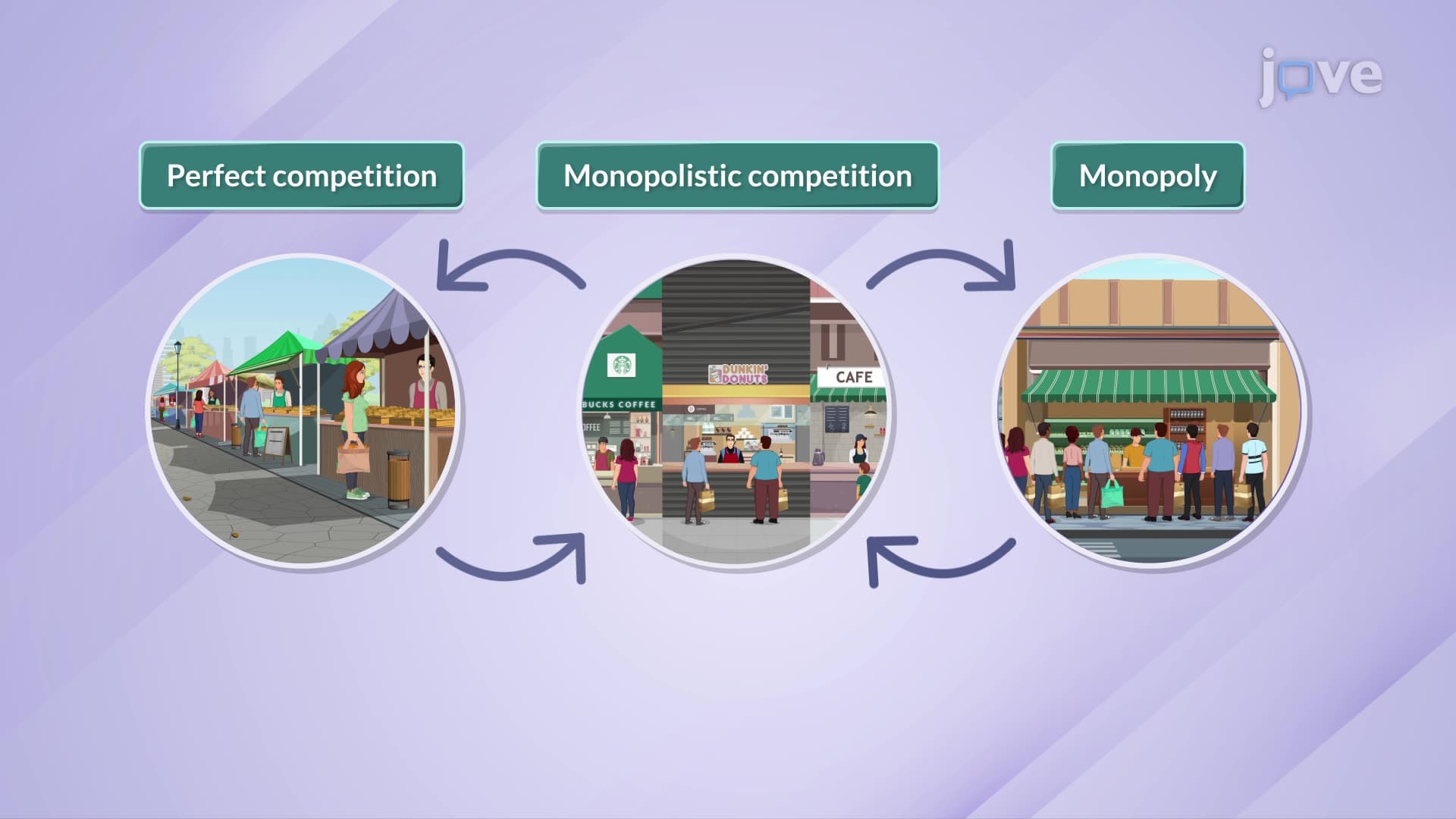
Market structures form the foundation of microeconomic analysis, determining how businesses compete, set prices, and interact with consumers. These three primary models-perfect competition, monopolistic competition, and monopoly-represent different competitive environments that shape the American economy from Silicon Valley tech firms to Midwest agricultural markets.
Perfect Competition: The Theoretical Benchmark
Perfect competition represents the most competitive market structure, characterized by numerous buyers and sellers trading identical products. Think of commodity markets like wheat, corn, or soybeans traded on the Chicago Mercantile Exchange. Here, individual farmers act as price-takers, accepting market-determined prices because their output represents a tiny fraction of total supply.
Key features include complete information transparency, no barriers to entry or exit, and perfectly elastic demand curves appearing as horizontal lines on price-quantity graphs. This model serves as a benchmark for economic efficiency, where consumer and producer surplus reach maximum levels. Students preparing for AP Economics or college microeconomics courses should understand that while pure perfect competition rarely exists, many agricultural and financial markets approximate these conditions.
Monopolistic Competition: Real-World Retail Reality
Monopolistic competition better reflects most consumer markets, where numerous firms sell differentiated products. Consider the restaurant industry in any major US city-thousands of establishments compete while offering unique dining experiences, locations, and menu items. Each restaurant enjoys some pricing power due to product differentiation, yet faces competition from countless alternatives.
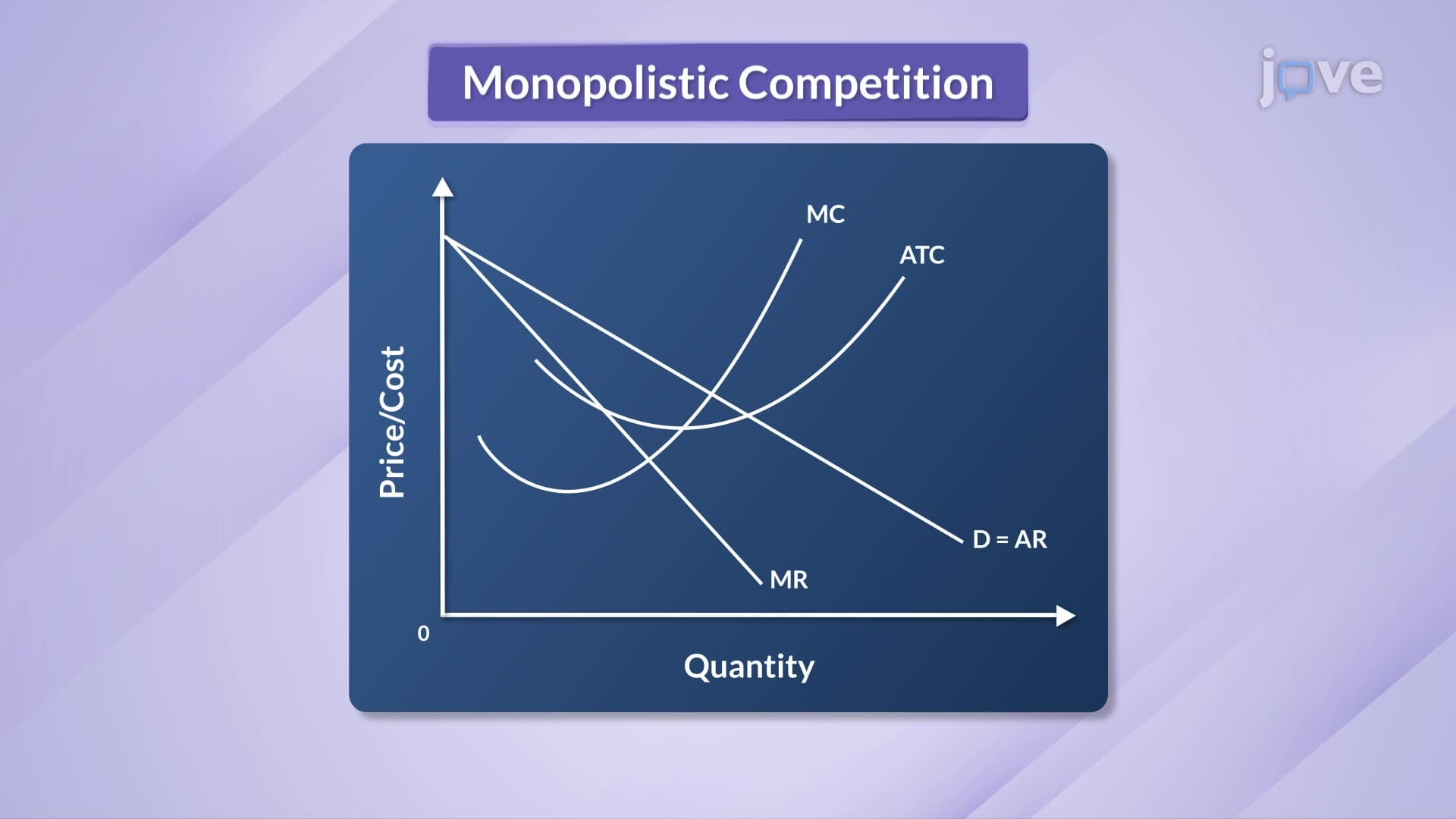
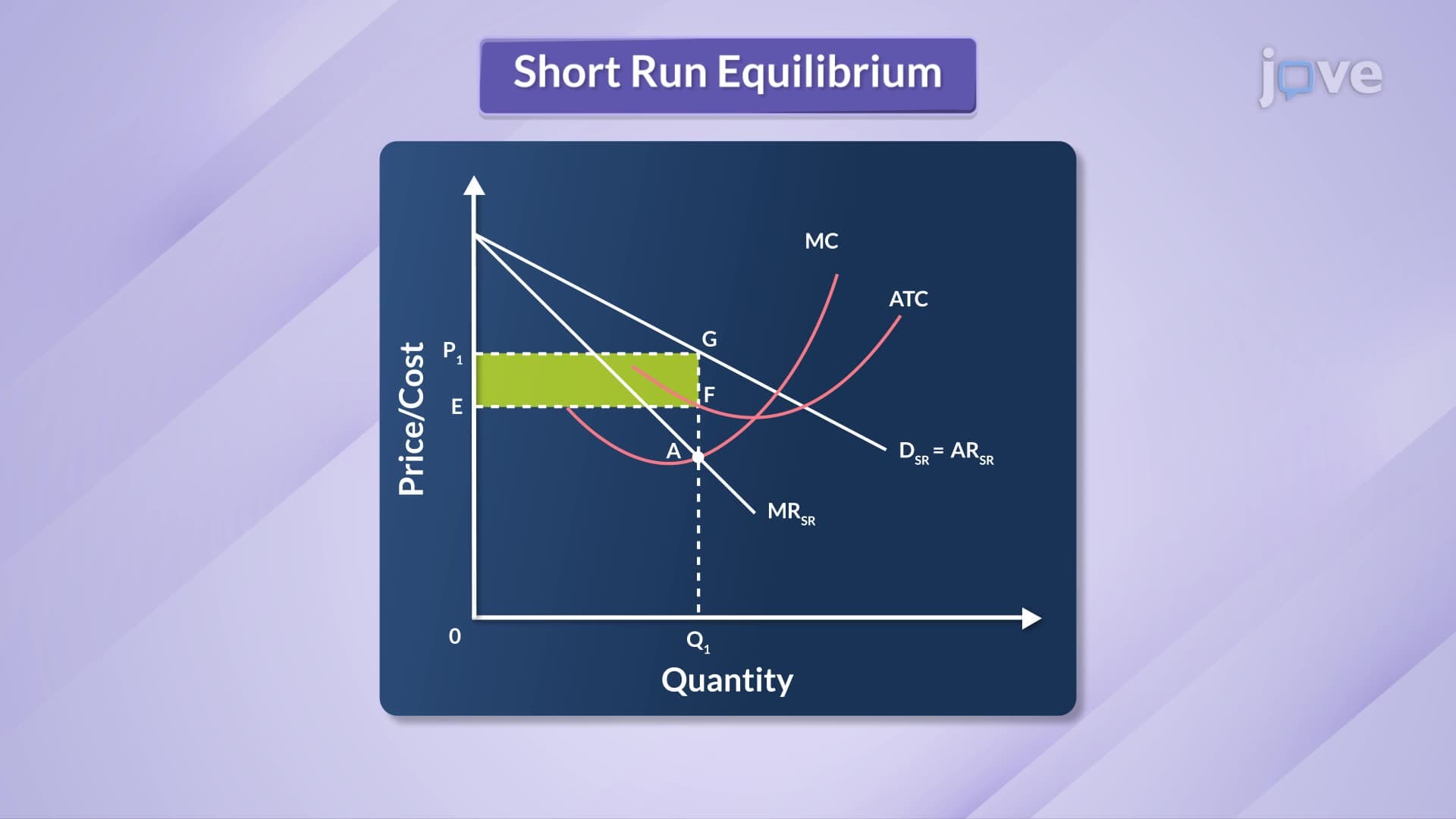
Firms in monopolistic competition face downward-sloping demand curves, meaning they can influence prices by adjusting quantity. Entry barriers remain relatively low, allowing new competitors to enter markets, though established brands may enjoy customer loyalty advantages. Long-run economic profits approach zero as new entrants increase competition, a crucial concept for understanding why most businesses earn normal profits over time.
Monopoly: Market Power and Control
Monopolies represent markets dominated by single firms offering products without close substitutes. Classic examples include local utility companies or patented pharmaceuticals like insulin before generic alternatives. Microsoft's Windows operating system dominated personal computing for decades, demonstrating how network effects and switching costs create monopoly power.
Monopolists act as price-setters, choosing optimal price-quantity combinations along downward-sloping demand curves. Unlike competitive firms, monopolies can maintain long-run economic profits due to significant entry barriers-whether legal patents, economies of scale, or control over essential resources. Understanding monopoly behavior proves essential for analyzing antitrust cases and regulatory policy affecting companies like Google, Amazon, and Facebook.
Frequently Asked Questions
These are three distinct market structures based on competition levels and firm behavior. Perfect competition features many firms selling identical products with no pricing power, monopolistic competition involves many firms selling differentiated products with limited pricing power, and monopoly represents single-firm dominance with significant pricing control. Each structure determines how businesses compete, set prices, and earn profits in different market environments.
Expect graph-based questions comparing demand curves, profit maximization points, and long-run equilibrium outcomes across structures. Common exam topics include identifying market characteristics, calculating economic profits, and analyzing efficiency implications. Practice drawing horizontal demand curves for perfect competition versus downward-sloping curves for monopolistic competition and monopoly.
Essays often ask students to compare long-run profits, analyze efficiency differences, or evaluate policy implications. You might need to explain why perfectly competitive firms earn normal profits while monopolies can maintain economic profits, or discuss how product differentiation affects consumer choice in monopolistic competition versus perfect competition.
Agricultural commodities like wheat and corn represent near-perfect competition, with farmers as price-takers selling identical products. Fast-food chains like McDonald's, Burger King, and Taco Bell exemplify monopolistic competition through product differentiation. Local electric utilities or patented drugs like EpiPens demonstrate monopoly power with limited competition and high entry barriers.
Basic algebra and graph interpretation skills suffice for most high school and introductory college courses. Focus on understanding relationships between marginal cost, marginal revenue, and profit maximization rather than complex calculations. Visual learning through supply-demand graphs proves more important than mathematical derivations.
Create comparison charts highlighting key features: number of firms, product types, entry barriers, pricing power, and profit outcomes. Use mnemonics like "Perfect = Price-takers, Monopolistic = Some control, Monopoly = Price-setters" to remember pricing behavior. Practice identifying real-world examples to reinforce conceptual understanding.
Understanding product differentiation strategies, brand positioning, and competitive advantage directly applies to business school case studies and strategic management courses. Companies like Starbucks succeed through monopolistic competition principles, creating unique value propositions while competing in crowded markets.
Explore game theory applications, oligopoly models like Cournot and Bertrand competition, and behavioral economics. Industrial organization courses examine how firms actually compete beyond theoretical models, while antitrust economics applies these concepts to real regulatory cases involving major US corporations.
These models provide analytical frameworks for understanding fundamental market forces and predicting firm behavior. While real markets blend characteristics from multiple structures, understanding pure forms helps economists and policymakers analyze competition levels, predict price changes, and evaluate market efficiency across different industries.
Related Micro-courses

14 Concepts


11 Concepts