Loading subject page…

- Microeconomics
- Monopolistic Competition
- Monopolistic Competition
Micro-course: Monopolistic Competition
5,484 views
Learn key concepts and earn your certificate.




Monopolistic Competition


00:00
01:24
Video Summary: What Is Monopolistic Competition
Why do coffee shops like Starbucks, Dunkin', and local cafes all thrive despite serving similar products? Monopolistic competition creates this fascinating market dynamic where businesses differentiate similar products to capture customer loyalty. Unlike perfect competition, firms in monopolistic competition have some pricing power through product differentiation, yet face elastic demand due to numerous close substitutes. Consider how McDonald's, Burger King, and Wendy's compete in the fast-food industry-each offers unique menu items and experiences while serving fundamentally similar products. Watch the full video on JoVE Coach to master this concept with expert-led visuals and step-by-step explanations.
- Understand what is monopolistic competition and how it differs from perfect competition and monopoly market structures
- Identify the key characteristics of monopolistic competition including product differentiation, numerous firms, and elastic demand
- Analyze how firms in monopolistically competitive markets use advertising and branding strategies to create competitive advantages
- Compare the pricing power and profit potential of firms in monopolistic competition versus other market structures
- Evaluate the role of barriers to entry and exit in determining long-run economic profits in monopolistic competition
- Apply monopolistic competition concepts to real-world industries like restaurants, retail clothing, and personal services
- Recognize how consumer welfare benefits from product variety and innovation in monopolistically competitive markets
- Explore the relationship between market elasticity of demand and firm pricing strategies in differentiated product markets
Understanding What is Monopolistic Competition
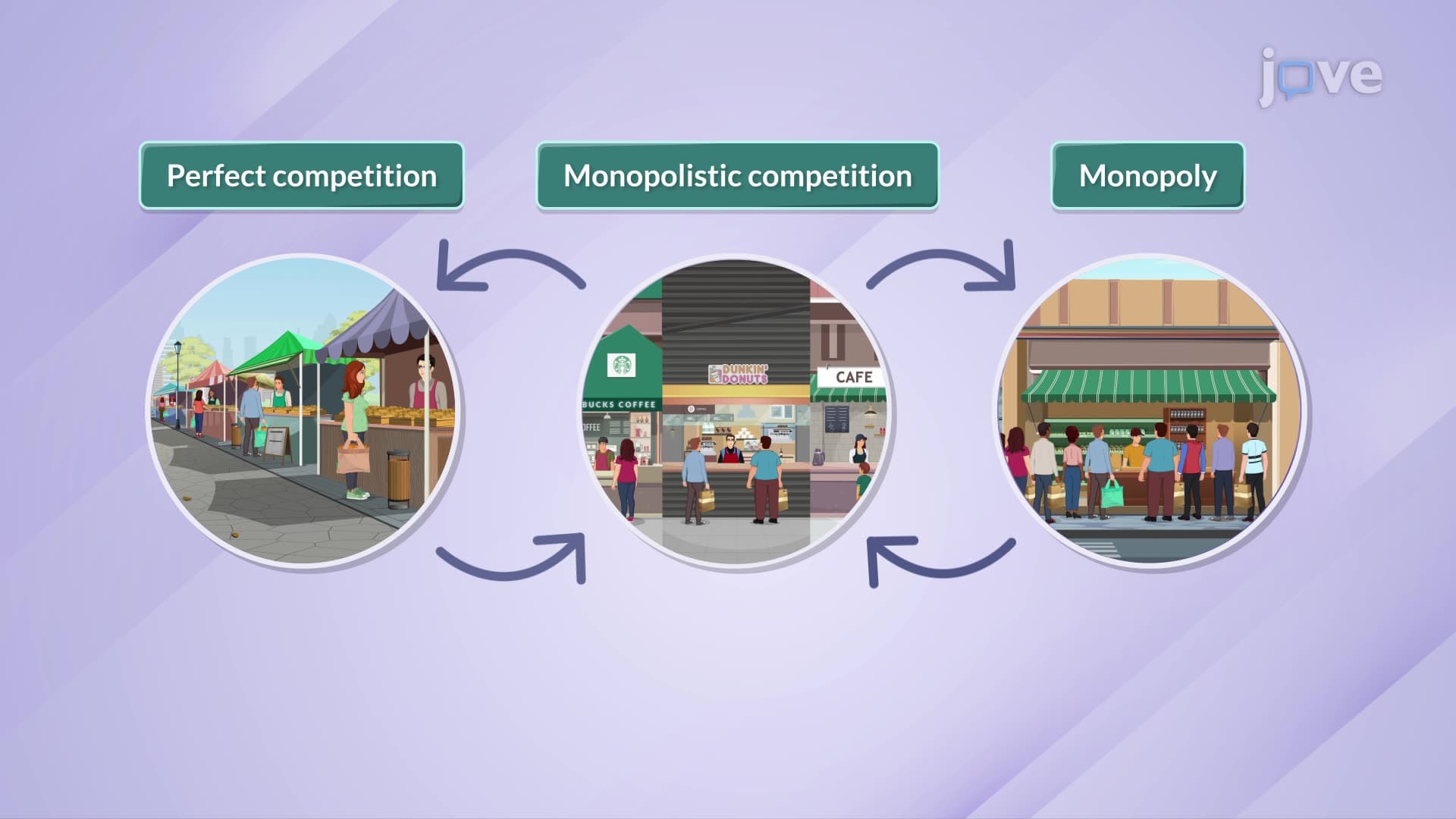
Monopolistic competition represents one of the most common market structures in the US economy, sitting between perfect competition and monopoly on the market structure spectrum. This market type features many sellers offering differentiated products that serve similar needs but aren't perfect substitutes. Unlike perfect competition where products are identical, firms in monopolistic competition create unique value propositions through branding, quality differences, location advantages, or specialized features.
The restaurant industry exemplifies this perfectly-while McDonald's, Chipotle, and Olive Garden all serve food, each targets different consumer preferences through distinct menu offerings, service styles, and brand positioning. This differentiation gives each firm some degree of pricing power, meaning they can charge slightly above marginal cost without losing all customers immediately.
Key Characteristics and Market Dynamics
Four essential features define monopolistically competitive markets. First, numerous buyers and sellers ensure no single firm dominates the market. Second, product differentiation allows firms to create brand loyalty and reduce direct price competition. Third, relatively easy entry and exit means new competitors can enter when existing firms earn economic profits. Fourth, imperfect information exists because consumers must learn about different products and their relative qualities.
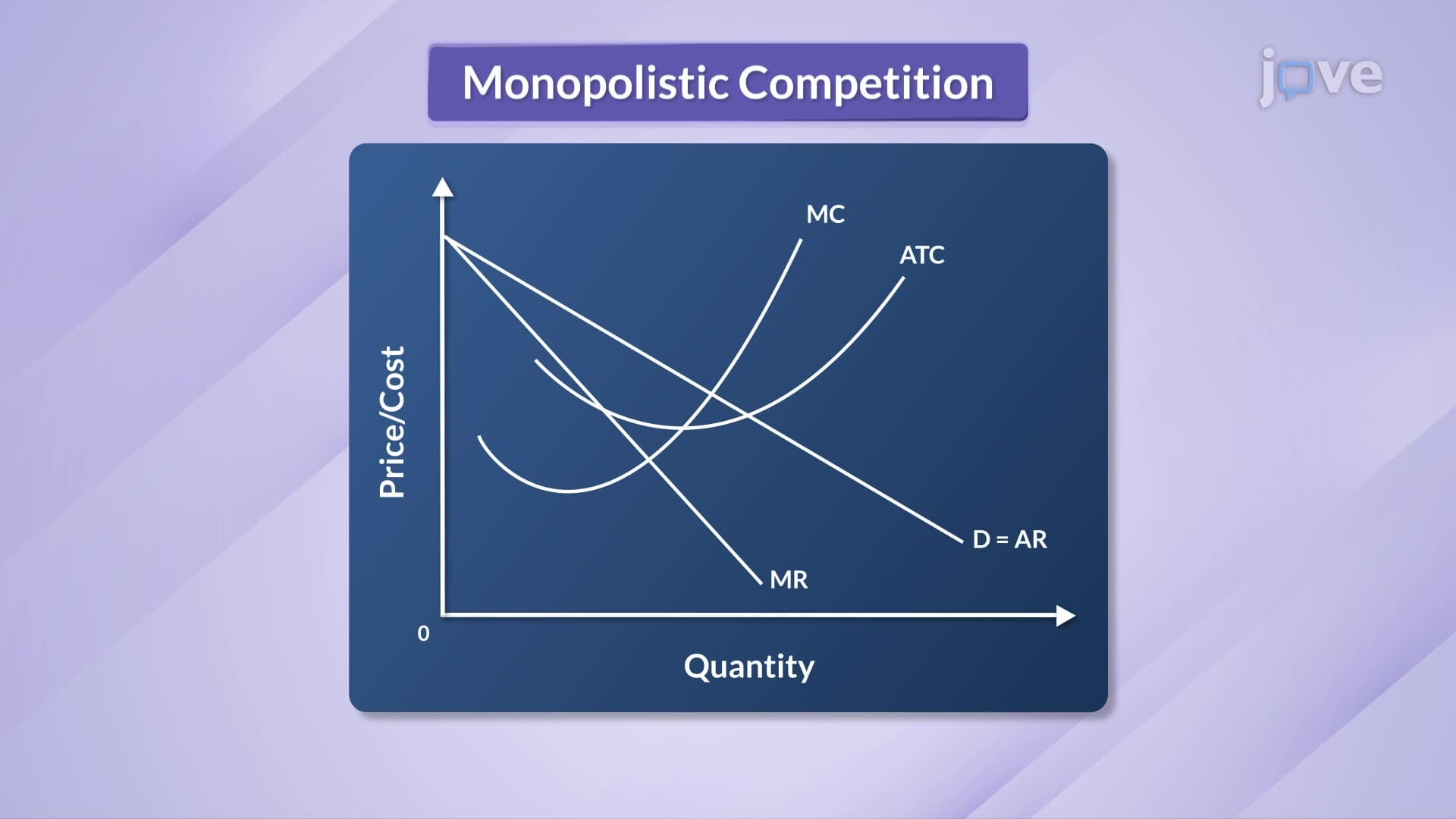
The demand curve facing individual firms in monopolistic competition slopes downward, indicating some pricing power. However, this demand is relatively elastic because close substitutes exist. If Starbucks raises coffee prices significantly, customers can switch to Dunkin' or local competitors relatively easily. This elasticity limits firms' ability to exploit consumers through excessive pricing.
Long-Run Equilibrium and Economic Implications
In the long run, monopolistic competition tends toward zero economic profits due to ease of entry. When firms earn above-normal profits, new competitors enter the market, increasing competition and driving down prices and profits. This process continues until firms earn only normal profits, covering all opportunity costs but generating no economic surplus.
This market structure creates both benefits and costs for society. Consumers benefit from product variety, innovation, and competition that keeps prices reasonable. However, firms may not achieve full productive efficiency since they don't produce at minimum average cost. Additionally, some economists argue that excessive product differentiation through advertising can create artificial preferences and increase costs without adding real value.
Applications in Academic and Professional Contexts
Understanding monopolistic competition proves crucial for AP Microeconomics students, appearing frequently on exam questions about market structures and firm behavior. College-level economics courses explore this concept in intermediate microeconomics and industrial organization classes. Business students analyze monopolistic competition when studying competitive strategy, marketing differentiation, and market positioning.
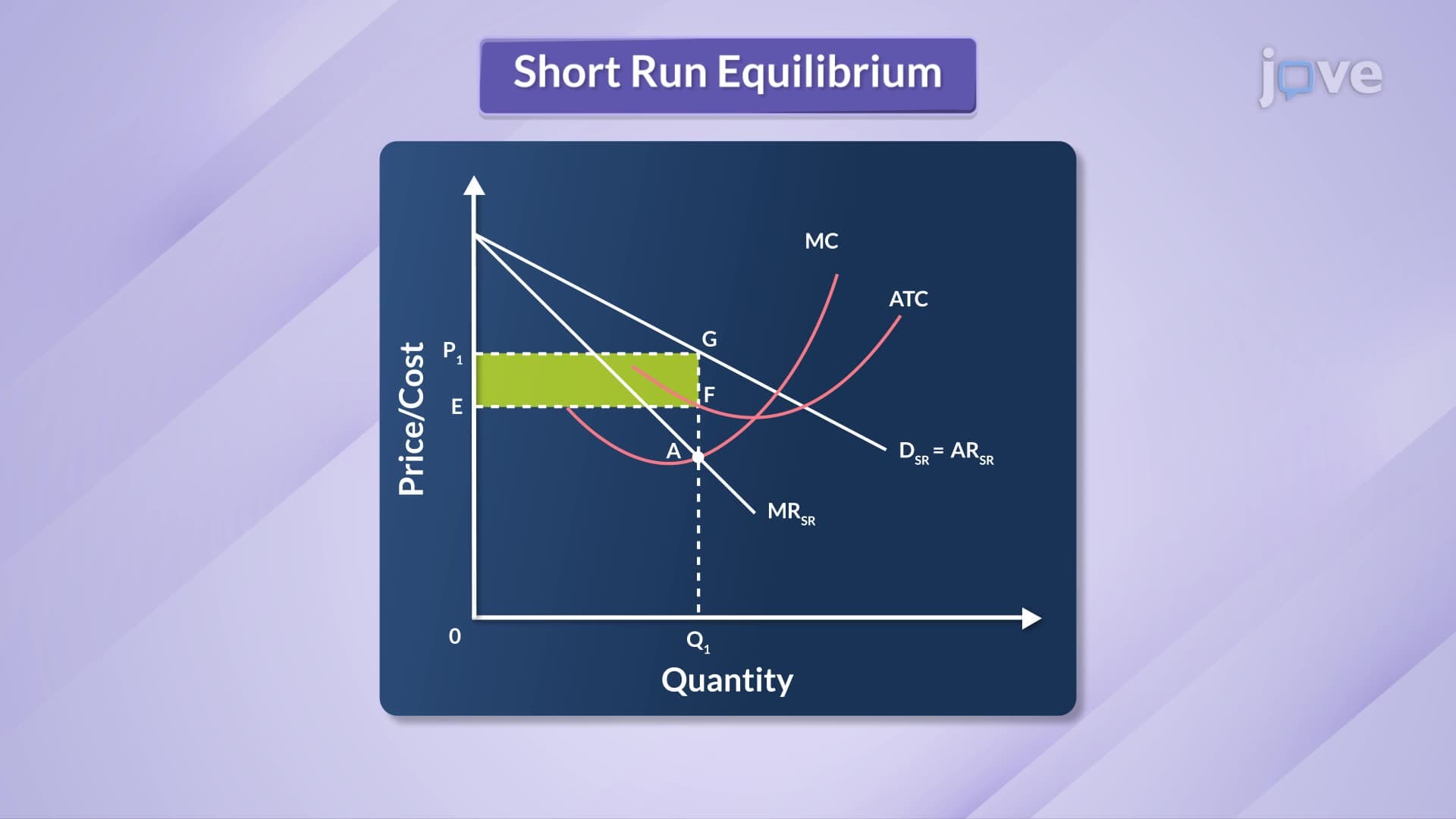
For standardized tests, focus on graphing the firm's demand and cost curves, calculating profit-maximizing output levels, and explaining long-run adjustment processes. Practice identifying real-world examples and explaining how product differentiation affects elasticity of demand and pricing strategies.
Frequently Asked Questions
Monopolistic competition is a market structure with many firms selling differentiated products that are close but not perfect substitutes. Unlike perfect competition where products are identical, firms here can differentiate through quality, branding, or features. Unlike monopolies, many competitors exist, limiting pricing power and ensuring long-run normal profits.
Think of monopolistic competition as a "crowded marketplace with unique products." Each seller offers something slightly different-like how every pizza place has its own recipes and atmosphere-but customers can easily switch between options. Firms compete through product differences rather than just price, giving them some control over pricing while facing significant competition.
AP exams frequently test monopolistic competition through graphing exercises showing firm demand curves, cost structures, and profit maximization. Students must demonstrate understanding of long-run equilibrium, entry/exit effects, and efficiency comparisons. Free-response questions often require explaining why economic profits equal zero in the long run and identifying real-world examples.
Focus on profit maximization where Marginal Revenue = Marginal Cost (MR = MC) to find optimal quantity. Calculate economic profit using (Price - Average Total Cost) × Quantity. Remember that demand elasticity affects pricing power, with more elastic demand limiting price increases. Practice graphing these relationships for visual exam questions.
Classic examples include restaurants (McDonald's vs. Burger King), clothing retailers (Gap vs. H&M), gas stations with convenience stores, hair salons, coffee shops, and smartphone apps. Each offers differentiated products with some pricing power but faces numerous close competitors. These industries demonstrate how branding and location create competitive advantages.
Monopolistic competition builds naturally on perfect competition concepts, making it quite accessible. The key insight-that product differences create some pricing power-relates to everyday shopping experiences. Start with familiar examples like choosing between different burger chains, then apply economic principles to understand firm behavior and market outcomes.
Create comparison charts between market structures, focusing on number of firms, product differentiation, and barriers to entry. Practice drawing graphs showing firm-level demand curves and long-run adjustments. Use real examples to connect theory with observable business behavior, and work through numerical problems calculating profits and optimal pricing.
Build toward oligopoly theory, which involves fewer firms with significant strategic interactions. Explore game theory applications in pricing and product positioning decisions. Advanced students can examine industrial organization topics like product differentiation strategies, advertising economics, and market concentration measures that affect competitive dynamics.
This knowledge proves essential for marketing strategy, competitive positioning, and pricing decisions in differentiated markets. Business professionals use these concepts when analyzing market entry opportunities, developing brand differentiation strategies, and understanding why long-run profitability requires continuous innovation and customer value creation rather than just cost-cutting.
Related Micro-courses

14 Concepts


11 Concepts