Loading subject page…

- Microeconomics
- Monopoly
- Public Policy toward Monopolies: Antitrust Laws
Micro-course: Monopoly
6,494 views
Learn key concepts and earn your certificate.









Public Policy toward Monopolies: Antitrust Laws

00:00
01:20
Video Summary: Public Policy Toward Monopolies Antitrust Laws Explained
Did you know that Microsoft once faced a landmark antitrust case that reshaped the entire tech industry? Public policy toward monopolies involves government intervention through antitrust laws to prevent single companies from controlling entire markets and harming consumers. These regulations address price fixing, market manipulation, and anti-competitive practices that monopolists use to maintain dominance. The Microsoft case of 2001 perfectly illustrates how Public Policy Toward Monopolies Antitrust Laws Explained works in practice, where the tech giant was accused of leveraging its Windows monopoly to dominate web browsers. Watch the full video on JoVE Coach to master this concept with expert-led visuals and step-by-step explanations.
- Understand how Public Policy Toward Monopolies Antitrust Laws Explained serves as government intervention to protect consumers from monopolistic abuse and maintain competitive markets
- Identify the five key prohibited practices under antitrust legislation: price fixing, market allocation, monopolization, tying and bundling, and exclusive dealing arrangements
- Analyze real-world antitrust cases like United States v. Microsoft to evaluate how courts apply monopoly regulations to modern business practices
- Compare the benefits of antitrust enforcement (consumer protection, fair competition) with potential drawbacks (regulatory burden, innovation concerns)
- Evaluate the effectiveness of government intervention in preventing monopolistic behavior while balancing business growth and market efficiency
- Apply antitrust principles to contemporary market scenarios involving tech giants, pharmaceutical companies, and other dominant industry players
- Recognize the economic rationale behind monopoly regulation and its impact on consumer welfare and market competition
- Explore the ongoing debate between free-market advocates and regulation supporters in shaping modern antitrust policy
Understanding Public Policy Toward Monopolies Through Antitrust Framework
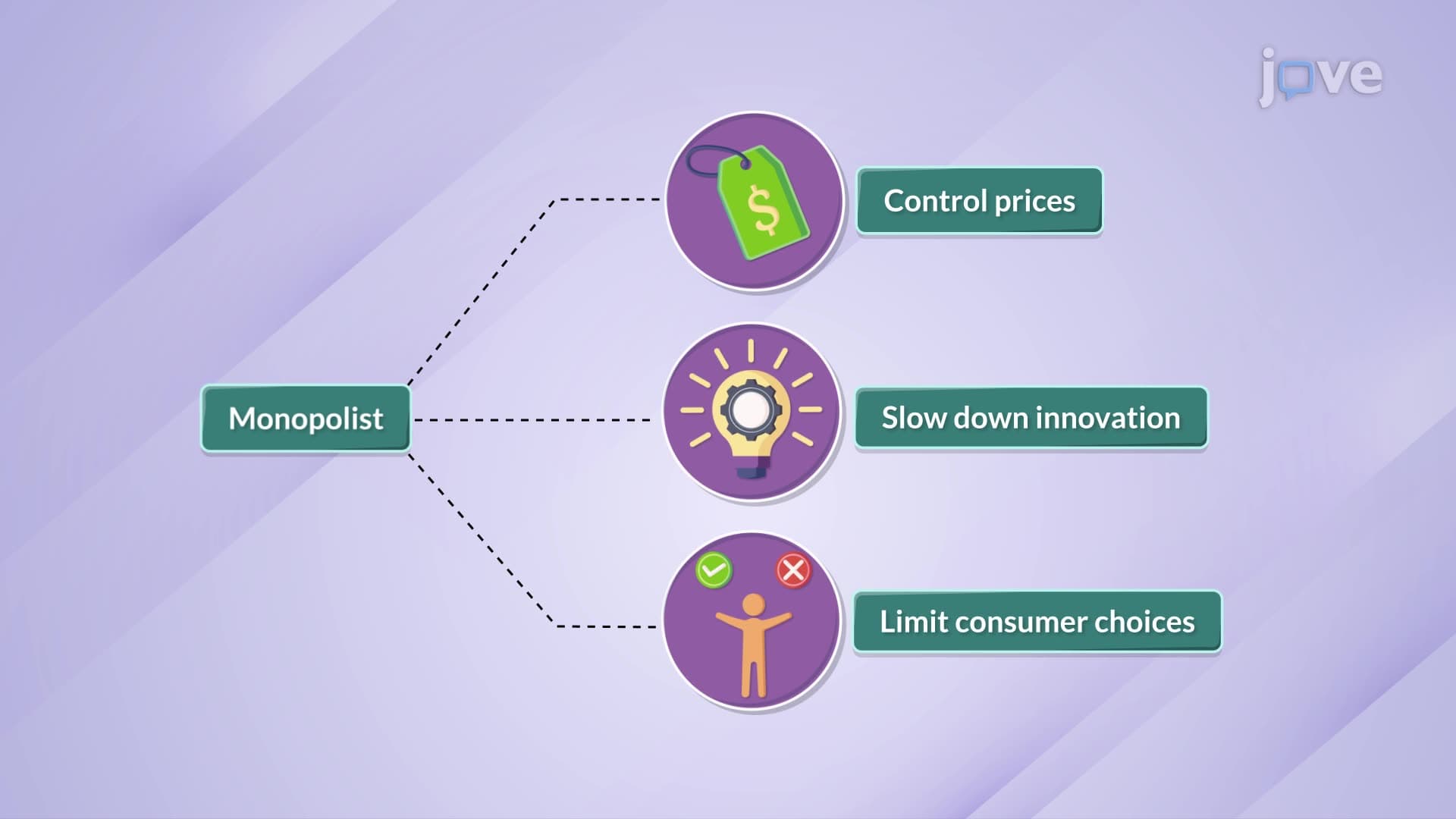
Public policy toward monopolies represents one of the most critical areas where government intervention intersects with free-market economics. When a single entity controls an entire market, it can manipulate prices, stifle innovation, and limit consumer choices-creating what economists call "market failure." The United States addresses these concerns through comprehensive antitrust laws, beginning with the Sherman Antitrust Act of 1890, followed by the Clayton Act of 1914, and the Federal Trade Commission Act.
Core Prohibitions Under Antitrust Legislation
American antitrust policy specifically targets five anti-competitive behaviors. Price fixing occurs when competitors agree to set prices rather than allowing market forces to determine them-like when pharmaceutical companies coordinate to inflate medication costs. Market allocation involves dividing territories or customers among competitors to eliminate competition. Monopolization refers to using unfair practices to gain or maintain market dominance. Tying and bundling force customers to purchase unwanted products alongside desired ones, while exclusive dealing prevents competitors from accessing distribution channels or suppliers.
Landmark Cases and Modern Applications
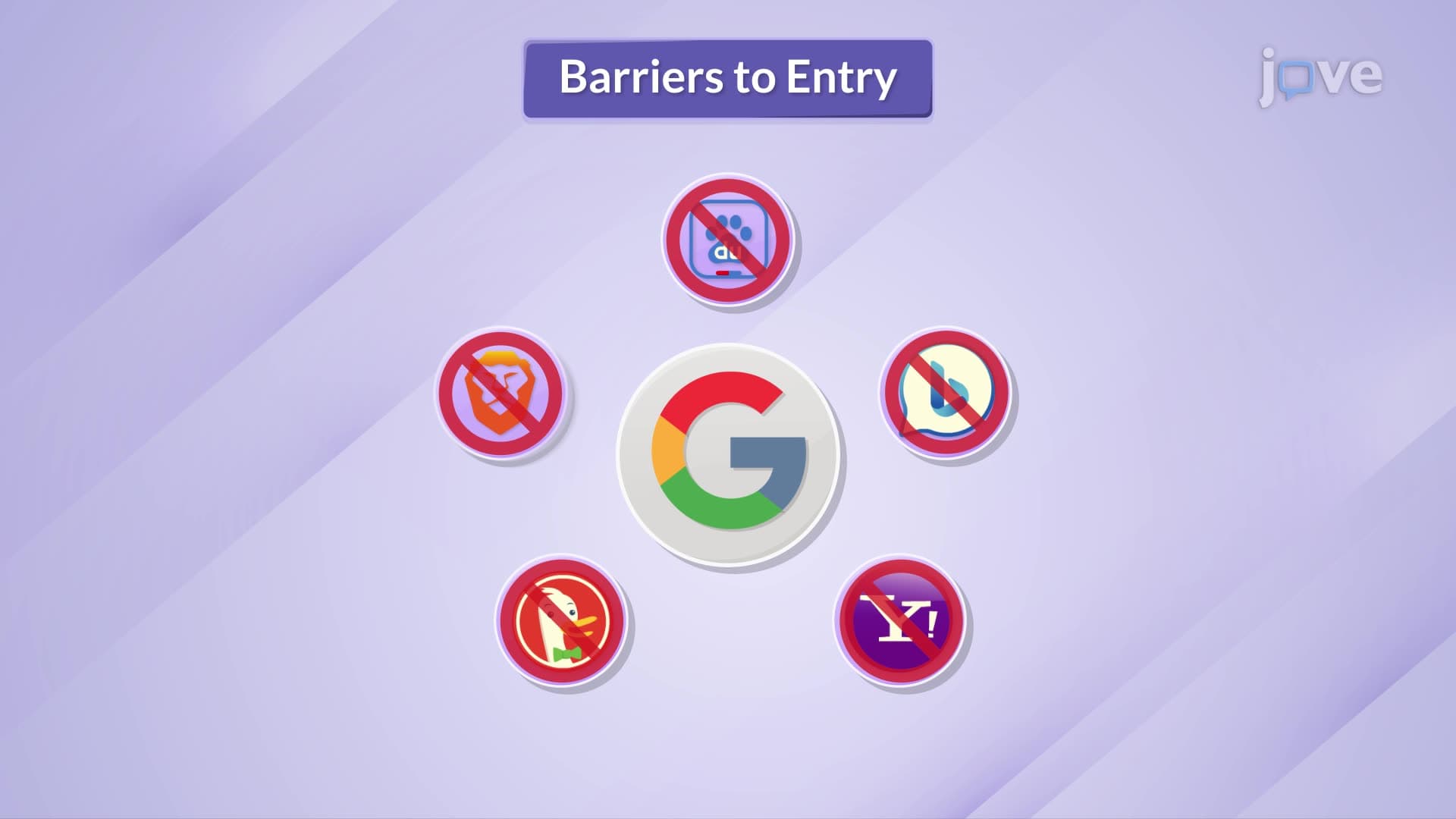
The Microsoft antitrust case exemplifies how these principles apply to contemporary markets. The Department of Justice argued that Microsoft illegally bundled Internet Explorer with Windows to eliminate Netscape Navigator, demonstrating monopolization through tying. This case influenced how courts evaluate tech companies today, from Google's search dominance to Amazon's marketplace practices. Students studying for AP Economics or college-level microeconomics exams should understand how these precedents shape current regulatory approaches toward Apple's App Store policies or Facebook's acquisition strategy.
Balancing Competition and Innovation
Modern antitrust policy faces the challenge of promoting competition without stifling innovation. Critics argue that aggressive regulation can discourage beneficial mergers that create efficiencies or prevent companies from investing in research and development. The pharmaceutical industry illustrates this tension-while patent protection encourages drug development, it also creates temporary monopolies that can lead to price gouging, as seen with EpiPen pricing controversies. Students preparing for standardized tests should recognize how policymakers weigh consumer protection against business incentives when crafting regulations.
Frequently Asked Questions
Public policy toward monopolies refers to government regulations designed to prevent single companies from dominating markets and harming consumers. Antitrust laws prohibit practices like price fixing, market manipulation, and anti-competitive mergers. These policies ensure fair competition by breaking up monopolies, preventing harmful business practices, and protecting consumer choice through agencies like the Federal Trade Commission and Department of Justice.
AP Microeconomics frequently tests antitrust concepts through multiple-choice questions about market structures and regulatory responses to monopoly power. College exams typically include essay questions analyzing specific antitrust cases or comparing the effectiveness of different regulatory approaches. Students should understand the economic rationale behind antitrust laws and be able to evaluate real-world applications like tech industry regulation.
Focus on memorizing the five prohibited practices and connecting each to real-world examples like the Microsoft case or recent tech industry investigations. Create comparison charts showing benefits versus drawbacks of antitrust enforcement. Practice analyzing case studies and explaining the economic reasoning behind regulatory decisions, as this analytical skill appears frequently on AP and college-level assessments.
Beyond Microsoft, examine Google's search practices investigation, Amazon's marketplace dominance concerns, and pharmaceutical pricing controversies involving companies like Mylan (EpiPen) or Martin Shkreli's drug pricing scandal. The recent Facebook antitrust cases and Apple's App Store policies provide contemporary examples of how traditional antitrust principles apply to digital markets and platform economics.
No advanced background is required-these concepts build on basic supply and demand principles taught in introductory economics courses. Understanding market structures (perfect competition versus monopoly) provides sufficient foundation for grasping why governments regulate monopolistic behavior. The key is connecting economic theory to real business practices and policy outcomes.
While the MCAT doesn't directly test antitrust law, understanding market failures and government intervention helps with behavioral science passages about healthcare economics and pharmaceutical pricing. Business school entrance exams may include these concepts when testing analytical reasoning about market competition and regulatory policy.
Consider studying international competition policy, behavioral economics applications to antitrust enforcement, and emerging challenges in digital market regulation. Game theory provides mathematical frameworks for understanding strategic behavior between firms, while industrial organization economics offers deeper analysis of market concentration and competitive dynamics in specific industries.
Digital platforms create unique challenges because they often provide free services while generating revenue through data collection and advertising. Traditional antitrust analysis focuses on price and output, but tech companies may harm competition through data monopolies, platform control, or network effects rather than traditional pricing manipulation, requiring new regulatory frameworks and enforcement strategies.
Related Micro-courses

7 Concepts

14 Concepts