Loading subject page…


6,494 views

Video Summary: Public Policy Toward Monopolies Public Ownership Explained
Why does the U.S. Postal Service face no direct competition for standard mail delivery? Public policy toward monopolies often involves government ownership to protect consumers from exploitation and ensure essential services reach everyone. This approach, known as Public Policy Toward Monopolies Public Ownership Explained, contrasts sharply with private monopolies that prioritize profits over public welfare. While European countries like Germany extensively use public ownership for utilities, the United States applies this model selectively to services like postal operations and some municipal water systems. Watch the full video on JoVE Coach to master this concept with expert-led visuals and step-by-step explanations.
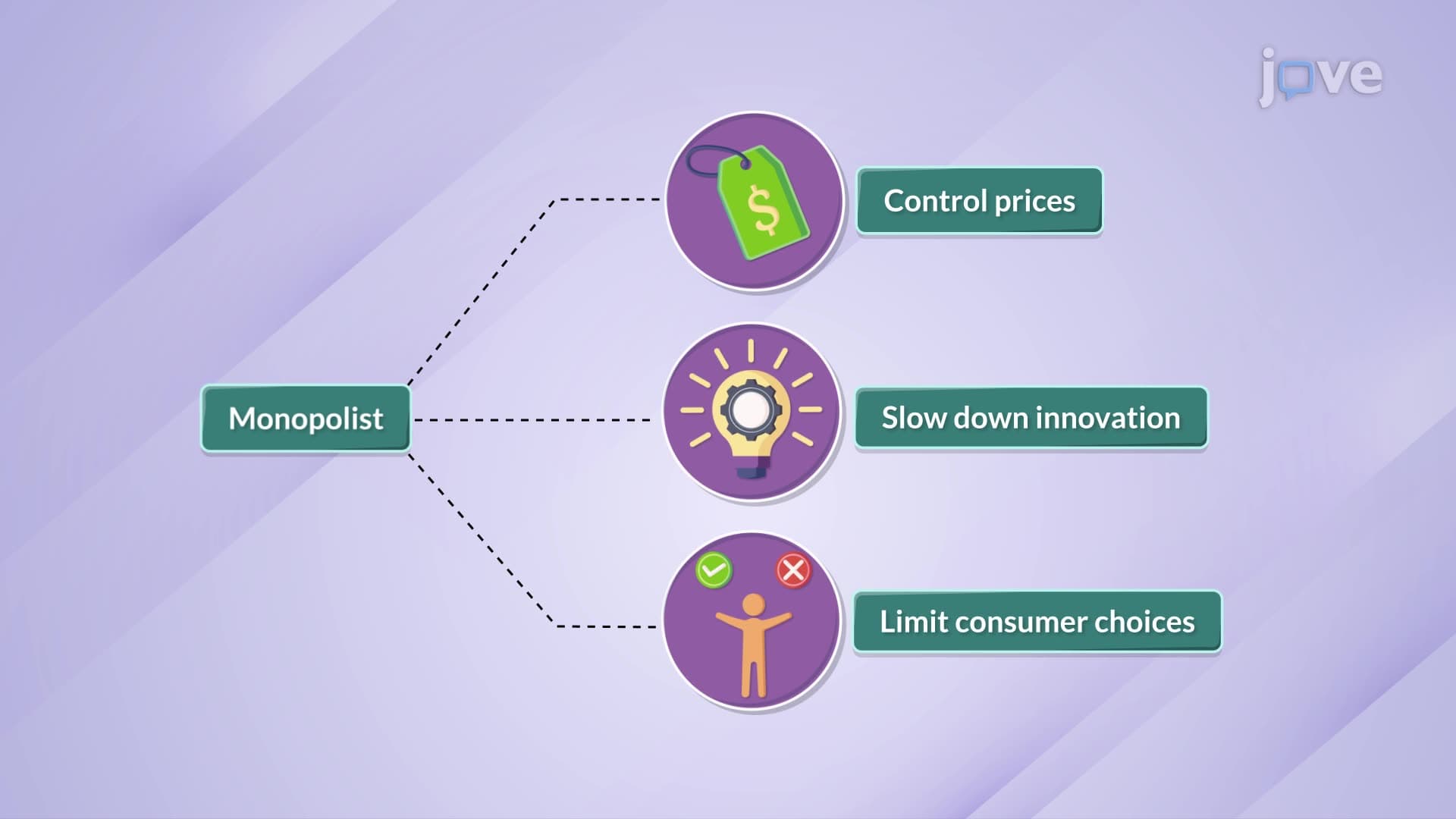
Public ownership represents one of the most direct approaches governments use to address monopoly power in essential industries. When private companies hold monopolistic control over critical services like utilities, telecommunications, or transportation, they can exploit consumers through high prices and poor service quality. Government ownership eliminates this profit motive, theoretically prioritizing public welfare over shareholder returns.
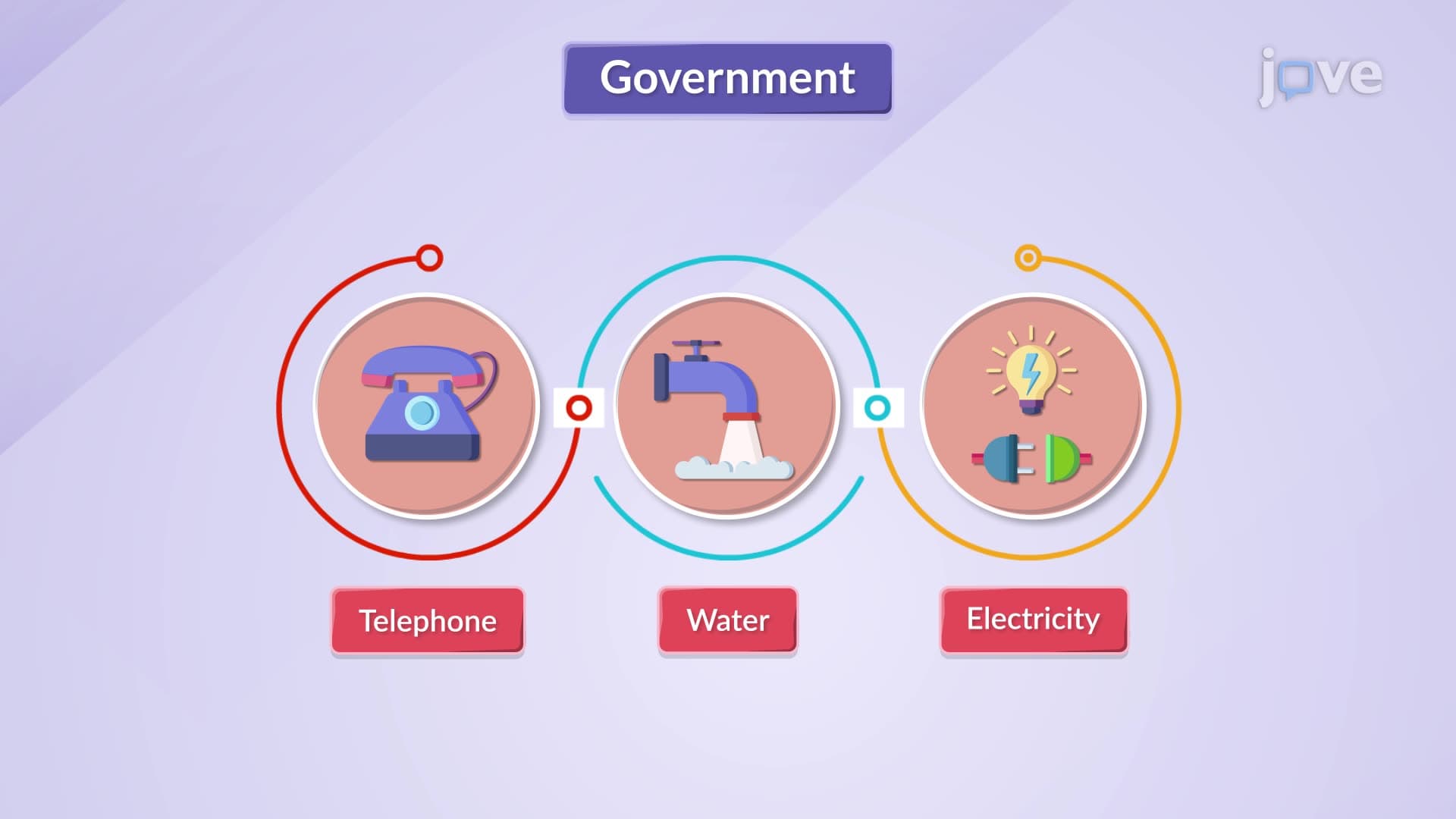
In the United States, public ownership appears most prominently in postal services through the U.S. Postal Service (USPS), which maintains a legal monopoly over standard mail delivery. This arrangement ensures universal service to all ZIP codes, including remote rural areas that private companies might find unprofitable. Municipal water systems represent another common example, with over 80% of Americans receiving water from publicly-owned utilities that prioritize safe, affordable access over profit maximization.
Public ownership operates through direct government control of monopolistic enterprises, where elected officials and appointed bureaucrats make strategic decisions about pricing, service levels, and operational policies. Unlike private monopolies that answer to shareholders, publicly-owned monopolies theoretically serve the broader public interest through democratic accountability.
The implementation varies significantly across jurisdictions. Some municipalities own and operate their electric utilities, providing residents with potentially lower rates and more responsive customer service. Public transportation systems like New York's MTA or San Francisco's BART exemplify how government ownership can maintain essential services that private companies might abandon due to profitability concerns.
While public ownership eliminates profit-seeking behavior that can harm consumers, it introduces different efficiency challenges. Government bureaucrats lack the direct financial incentives that drive private managers to minimize costs and maximize operational effectiveness. Without the threat of bankruptcy or shareholder pressure, publicly-owned monopolies may become complacent, leading to bloated administrative structures and outdated technologies.
However, this efficiency concern must be balanced against public ownership's social benefits. Privately-owned monopolies might achieve operational efficiency while simultaneously exploiting their market power through excessive pricing or service reductions in less profitable areas. Public ownership ensures universal access and fair pricing, even if it sometimes sacrifices pure economic efficiency.
Students preparing for AP Economics exams should understand how public ownership fits within the broader spectrum of monopoly regulation strategies, alongside price controls, antitrust enforcement, and market deregulation. College-level microeconomics courses often explore these trade-offs through mathematical models comparing social welfare under different ownership structures.
Professional economists and policy analysts frequently debate optimal ownership structures for different industries, considering factors like natural monopoly characteristics, technological innovation requirements, and social equity concerns. Understanding these debates helps students develop critical thinking skills essential for advanced economics coursework and potential careers in public policy or business analysis.
Related Micro-courses