Loading subject page…

- Microeconomics
- Monopoly
- Public Policy toward Monopolies: Regulation
Micro-course: Monopoly
6,494 views
Learn key concepts and earn your certificate.





Public Policy toward Monopolies: Regulation


00:00
01:24
Video Summary: Public Policy Toward Monopolies Regulation Explained
Did you know that before government regulation, AT&T controlled 90% of America's telephone service for decades? Public policy toward monopolies involves government intervention to prevent companies from exploiting their market dominance and harming consumers. When Comcast faces restrictions on pricing or Microsoft undergoes antitrust scrutiny, these are examples of Public Policy Toward Monopolies Regulation Explained in action. Watch the full video on JoVE Coach to master this concept with expert-led visuals and step-by-step explanations.
- Understand the fundamental principles of Public Policy Toward Monopolies Regulation Explained and why governments intervene in monopolistic markets
- Identify the five primary regulatory tools: price capping, merger regulation, monopoly breakup, cartel investigation, and nationalization
- Analyze how regulatory bodies like the Federal Energy Regulatory Commission (FERC) enforce monopoly standards in specific industries
- Compare the economic outcomes of regulated versus unregulated monopolies on consumer welfare and market competition
- Evaluate the effectiveness of different regulatory approaches in preventing monopoly abuse while maintaining innovation incentives
- Apply monopoly regulation concepts to real-world cases involving major US corporations and antitrust enforcement
- Recognize the balance between preventing monopoly power abuse and allowing legitimate business growth and efficiency
- Explore how monopoly regulation connects to broader economic policy goals including consumer protection and market fairness
Understanding Public Policy Toward Monopolies Regulation
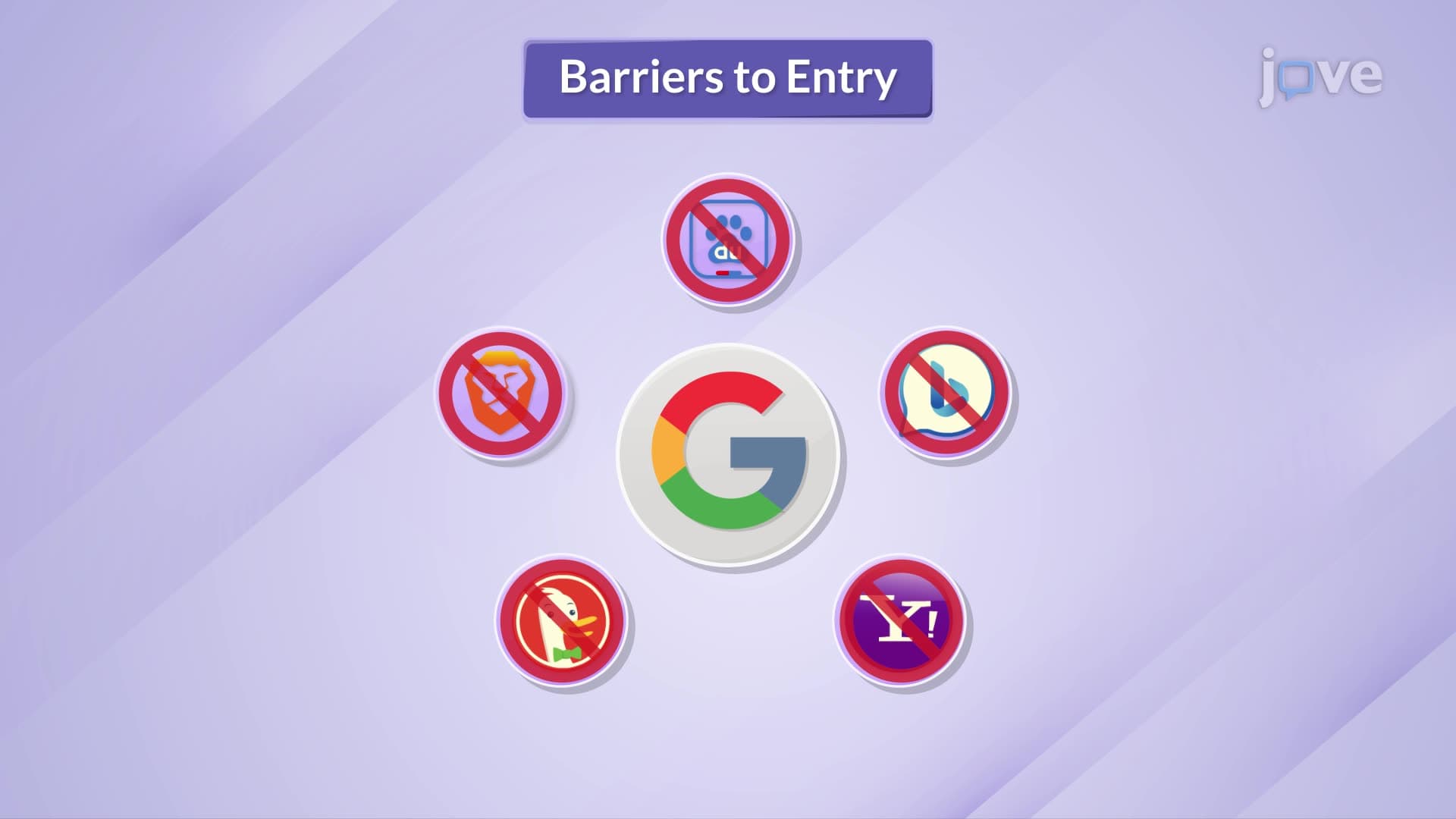
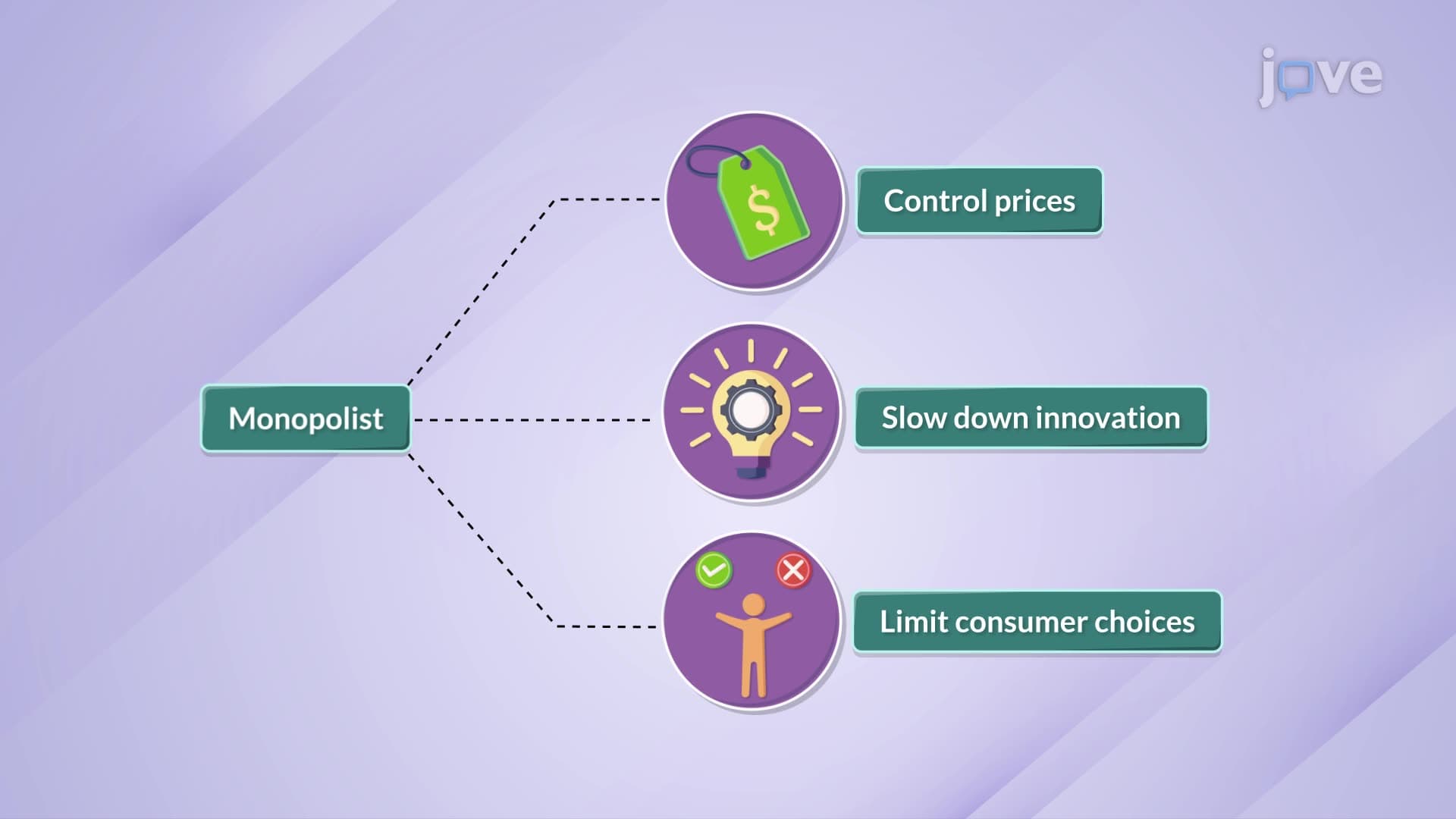
Public policy toward monopolies represents government efforts to control and limit the market power of firms that dominate their industries. When a single company controls a substantial portion of a market, it can set prices above competitive levels, reduce innovation, and limit opportunities for smaller businesses to compete effectively. This regulatory framework serves as a critical component of microeconomic policy that students encounter in AP Economics, college-level economics courses, and business law classes.
Core Regulatory Mechanisms and Tools
The government employs five primary tools to regulate monopolistic behavior. Price capping sets maximum prices that monopolies can charge, preventing excessive pricing that would harm consumers. The Federal Communications Commission (FCC) has historically used this approach with telecommunications companies. Merger regulation prevents companies from combining in ways that would create or strengthen monopolistic positions-the Department of Justice blocked the proposed T-Mobile and AT&T merger in 2011 for precisely this reason.
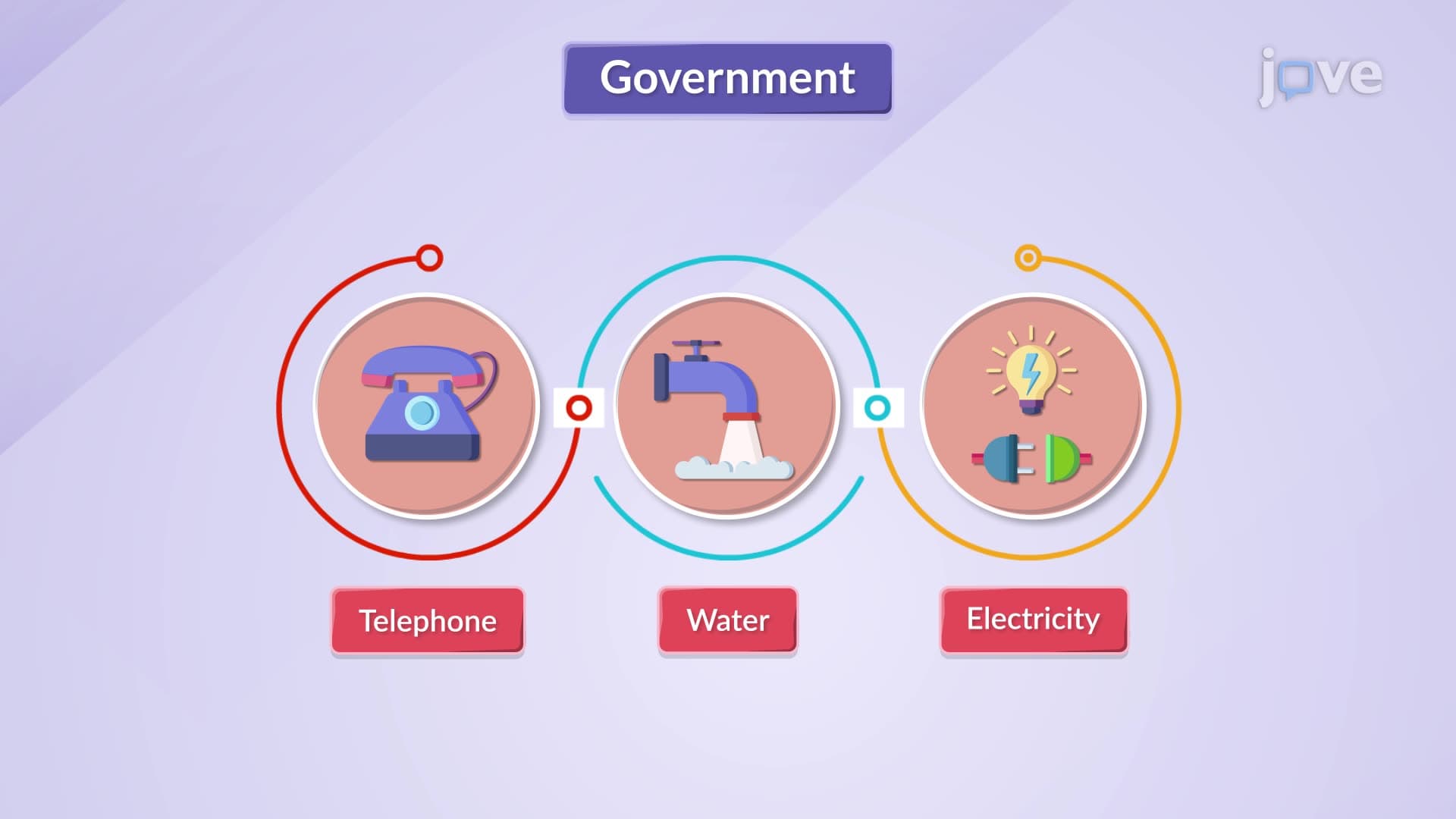
Breaking up monopolies involves forcing large companies to split into smaller, competing entities. The most famous example remains the 1984 breakup of AT&T into regional "Baby Bells." Investigating cartels and unfair practices targets coordinated behavior between companies that mimics monopolistic outcomes, such as price-fixing agreements. Finally, nationalization involves government ownership of natural monopolies like utilities, though this approach is less common in the United States compared to other countries.
Regulatory Bodies and Enforcement Structure
The U.S. government creates specialized regulatory agencies through legislative acts to oversee specific industries and enforce monopoly regulations. The Federal Energy Regulatory Commission (FERC) exemplifies this approach, regulating interstate transmission of electricity, natural gas, and oil. Similarly, the Federal Trade Commission (FTC) and the Department of Justice's Antitrust Division work together to enforce competition laws across industries.
These agencies operate with quasi-judicial powers, conducting investigations, imposing fines, and requiring behavioral changes from companies found to violate competition standards. For students preparing for economics exams, understanding how these agencies function provides crucial context for analyzing real-world market structures and policy outcomes.
Economic Rationale and Policy Objectives
Government regulation of monopolies serves four primary objectives that frequently appear in standardized tests and college coursework. Preventing excess prices protects consumers from paying artificially inflated costs for essential goods and services. Maintaining quality of service ensures that monopolies don't reduce product or service quality to maximize profits at consumer expense.
Preventing monopsony power addresses situations where monopolies also dominate purchasing markets, potentially exploiting suppliers or workers. Finally, promoting competition creates opportunities for innovation and efficiency improvements that benefit the broader economy. These objectives reflect the fundamental tension between allowing businesses to grow and preventing market power abuse-a concept central to understanding American economic policy and frequently tested in AP Economics examinations.
Frequently Asked Questions
Public policy toward monopolies regulation is government intervention designed to control companies with excessive market power and protect consumers from monopolistic abuse. It exists because monopolies can charge higher prices, reduce innovation, and limit economic opportunities for smaller businesses. This policy framework ensures competitive markets while preventing the negative effects of unchecked monopoly power on consumers and the broader economy.
AP Economics exams frequently test monopoly regulation through multiple-choice questions about regulatory tools, graph analysis of regulated versus unregulated monopoly outcomes, and free-response questions requiring policy evaluation. College exams often include case study analysis of real regulatory actions, calculations of deadweight loss reduction from regulation, and essays comparing different regulatory approaches. Students should understand both theoretical frameworks and practical applications like antitrust enforcement.
Standardized tests typically ask students to identify the five main regulatory tools (price capping, merger regulation, breakup, cartel investigation, nationalization), explain the role of agencies like FERC and FTC, and analyze the economic effects of regulation on consumer and producer surplus. Questions often use real examples like telecommunications or energy sector regulation to test practical understanding of these concepts.
Microsoft's antitrust case from 1998-2001 exemplifies monopoly regulation in practice. The Department of Justice sued Microsoft for using its Windows operating system dominance to unfairly compete in the web browser market, bundling Internet Explorer to harm competitors like Netscape. While the company avoided breakup, it faced behavioral restrictions and ongoing oversight, demonstrating how regulation addresses monopolistic practices while allowing continued business operations.
Monopoly regulation concepts are very accessible to high school students with basic economics knowledge. The fundamental ideas-preventing price gouging, maintaining competition, protecting consumers-connect to everyday experiences with large companies and government oversight. Students who understand supply and demand can easily grasp how monopolies affect market outcomes and why regulation serves important economic and social purposes.
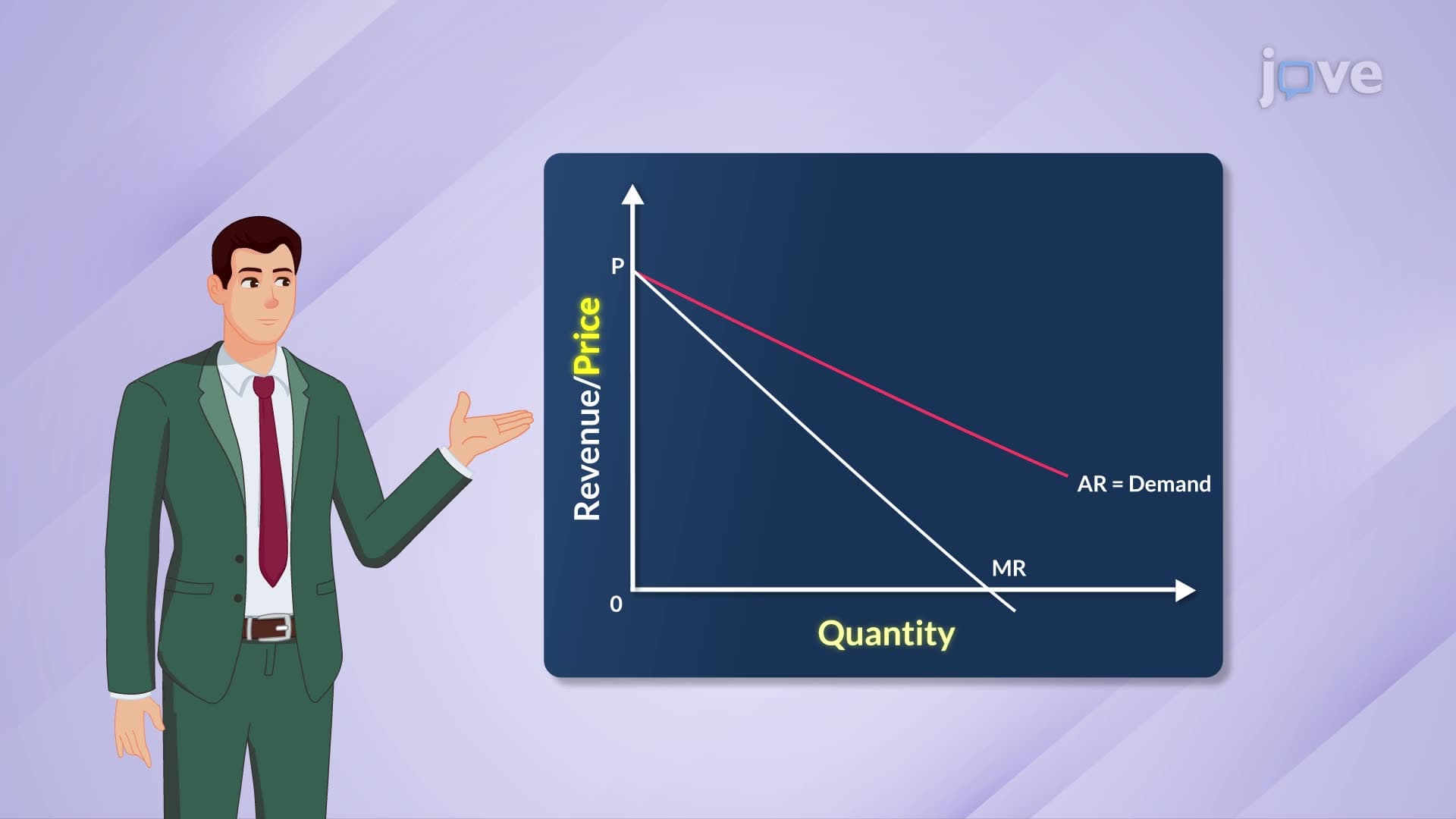
Focus on understanding the five regulatory tools and their real-world applications rather than memorizing definitions. Practice drawing graphs showing regulated versus unregulated monopoly outcomes, including changes in price, quantity, consumer surplus, and deadweight loss. Study major antitrust cases like AT&T, Microsoft, and recent tech company investigations to understand how theoretical concepts apply in practice.
After understanding monopoly regulation, explore related microeconomic topics including oligopoly behavior and game theory, which explain strategic interactions between large firms. Market structure analysis, including perfect competition and monopolistic competition, provides broader context for understanding when and why regulation becomes necessary. Industrial organization economics offers deeper insights into firm behavior and regulatory effectiveness.
Modern monopoly regulation frequently appears in news coverage of tech companies like Google, Facebook, and Amazon facing antitrust scrutiny. Understanding regulatory concepts helps students analyze ongoing policy debates about platform monopolies, data privacy, and competition in digital markets. Recent cases involving pharmaceutical pricing, healthcare mergers, and telecommunications consolidation all demonstrate the continued relevance of traditional monopoly regulation principles.
Related Micro-courses

7 Concepts

14 Concepts