Loading subject page…


6,494 views


Video Summary: Reasons for the Existence of Monopoly Explained
Ever wonder why Amazon dominates online retail while local bookstores struggle to compete? The reasons for the existence of monopoly stem from seven key factors that allow single companies to control entire markets. From exclusive resource access like De Beers' diamond control to government-granted utilities monopolies, these market structures shape our daily lives in ways most students never realize. Watch the full video on JoVE Coach to master this concept with expert-led visuals and step-by-step explanations.
Monopolies represent one of the most significant market failures in economics, yet they persist across industries for specific, identifiable reasons. Unlike perfect competition taught in introductory economics courses, real-world markets often concentrate power in the hands of single firms through various mechanisms that students encounter daily without recognition.
The most straightforward path to monopoly involves controlling essential resources that competitors cannot access. Historically, Alcoa dominated aluminum production by securing bauxite mining rights, while modern examples include rare earth mineral extraction controlled by select mining companies. This concept frequently appears on AP Economics exams, where students must distinguish between artificial scarcity and genuine resource limitations.
Geographic advantages also create monopolies. Consider how certain pharmaceutical companies maintain exclusive access to specific plant compounds found only in particular regions, or how technology companies secure exclusive partnerships with semiconductor manufacturers during global chip shortages.
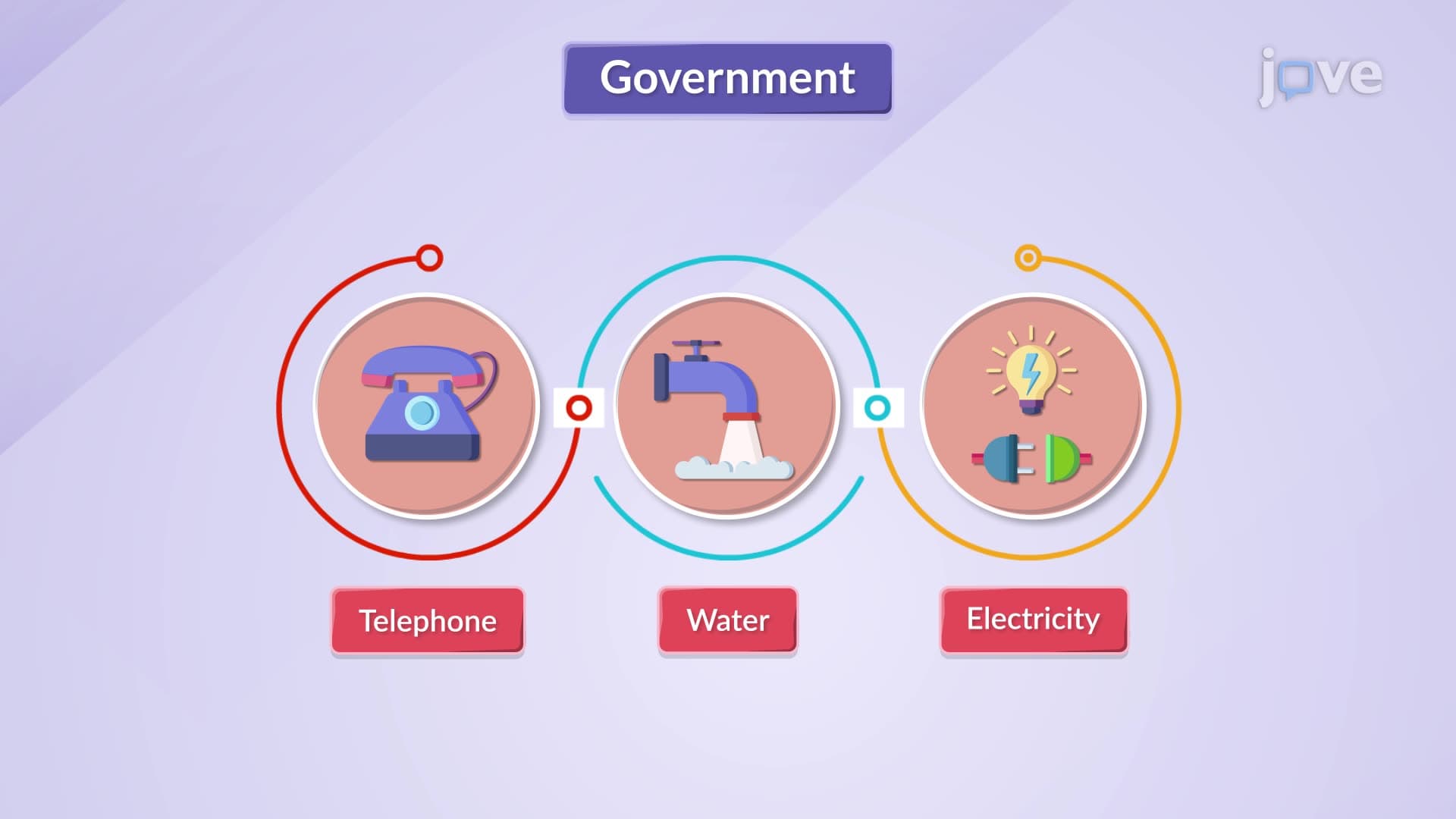
Federal and state governments deliberately create monopolies in sectors requiring massive infrastructure investments or ensuring universal service delivery. Public utilities exemplify this approach-imagine the chaos of multiple electric companies running separate power lines to every home. The Federal Communications Commission historically granted regional monopolies to telephone companies, understanding that duplicating infrastructure would be economically inefficient.
These government-granted monopolies appear regularly in college microeconomics courses and standardized tests, requiring students to distinguish between natural monopolies (where market conditions favor single providers) and regulatory monopolies (where government policy creates market concentration).
Patent systems create temporary monopolies by granting inventors exclusive rights to profit from their innovations. Pharmaceutical companies spend billions developing new medications, securing 20-year patent protections that allow them to recoup research investments before generic competitors enter markets. This mechanism balances innovation incentives with eventual market competition.
Similarly, trade secrets and proprietary technologies create competitive moats. Companies like Coca-Cola maintain monopolistic advantages through closely guarded formulas that competitors cannot replicate legally, demonstrating how intellectual property extends beyond formal patent protections.
Capital-intensive industries naturally limit competition through enormous startup costs. Building nationwide telecommunications infrastructure or establishing pharmaceutical manufacturing facilities requires investments exceeding billions of dollars, effectively restricting market entry to well-funded corporations.
Network effects amplify these barriers, where products become more valuable as user bases expand. Social media platforms demonstrate this principle perfectly-Facebook's value increases with every new user, making it increasingly difficult for competitors to attract users away from established networks.
Related Micro-courses