Loading subject page…

- Microeconomics
- Monopoly
- Monopoly vs Perfect Competition
Micro-course: Monopoly
6,494 views
Learn key concepts and earn your certificate.









Monopoly vs Perfect Competition


00:00
01:24
Video Summary: What Is Monopoly Vs Perfect Competition
Did you know that Apple's iPhone patents once gave the company near-monopolistic control over smartphone touchscreen technology? Understanding monopoly perfect competition reveals how market structures shape everything from your Netflix subscription prices to local gas station rates. What is Monopoly VS Perfect Competition explores two extreme market models: monopolies where single companies like Microsoft Windows dominate entire industries, versus perfect competition where countless farmers sell identical corn at market-determined prices. These opposing structures explain why some businesses earn massive profits while others barely survive. Watch the full video on JoVE Coach to master this concept with expert-led visuals and step-by-step explanations.
- Understand the fundamental differences between What is Monopoly VS Perfect Competition and how each market structure operates in real-world scenarios
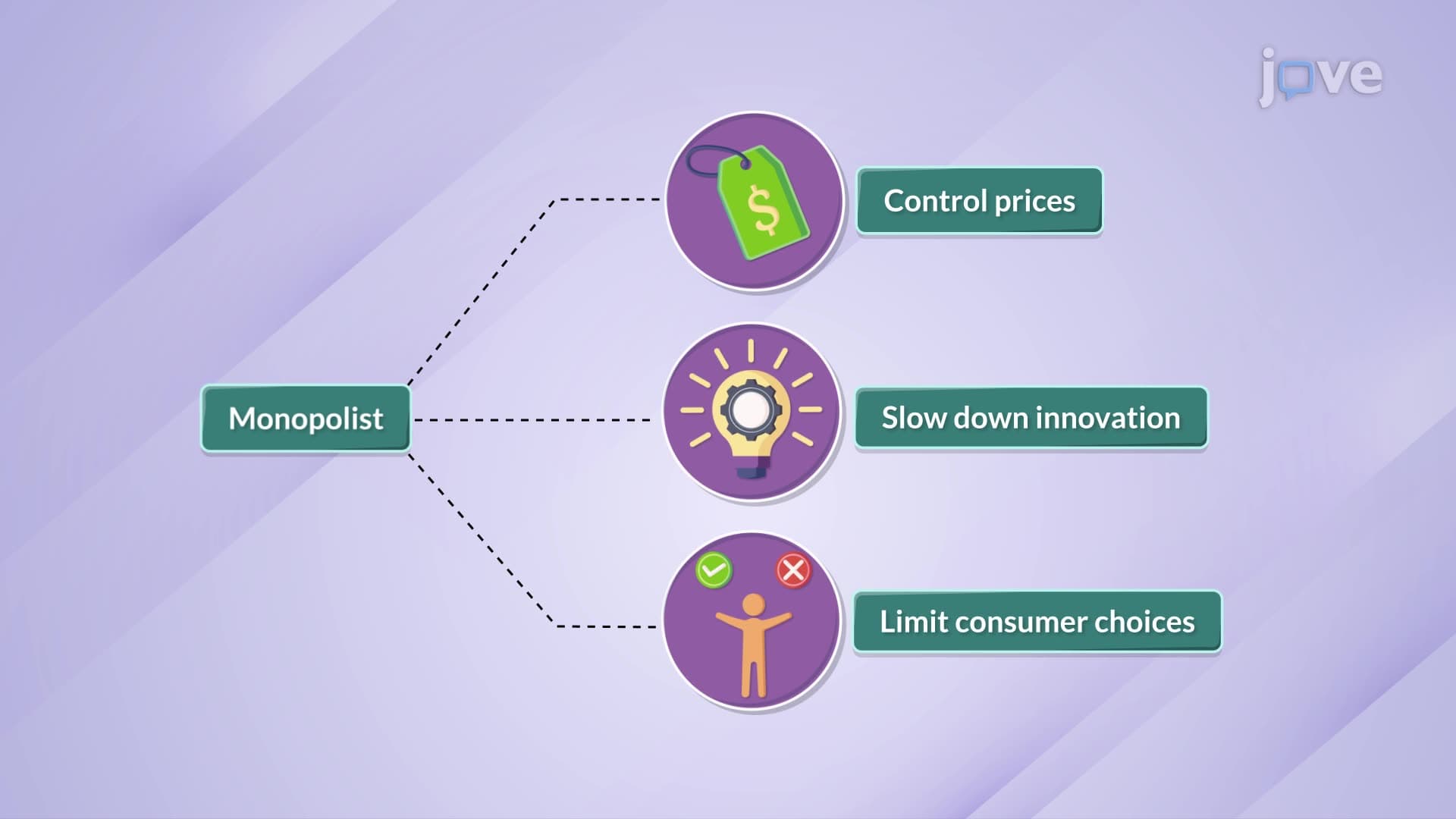
- Identify key characteristics of monopolies including price-making power, entry barriers, and above-normal profit potential
- Analyze perfect competition features such as price-taking behavior, identical products, and zero entry barriers
- Compare how consumer choice and pricing differ dramatically between monopolistic and perfectly competitive markets
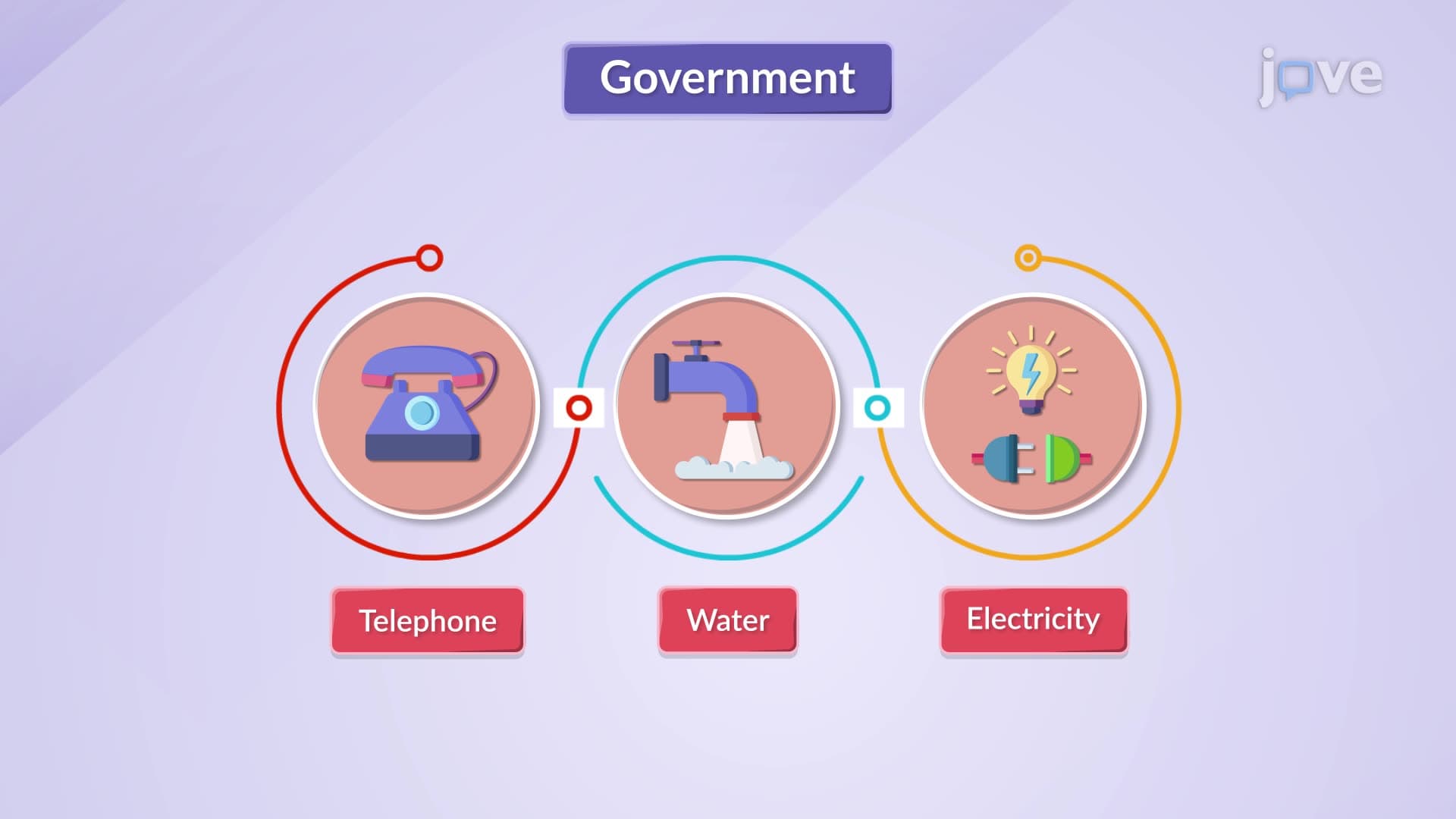
- Evaluate the role of government regulation in controlling monopoly power through antitrust laws and price controls
- Apply market structure concepts to recognize real US examples like utilities (monopoly) versus agricultural commodities (perfect competition)
- Recognize why monopolies can sustain long-term profits while perfectly competitive firms earn only normal profits over time
- Explore how entry barriers like patents, exclusive licenses, and high startup costs create and maintain monopolistic market positions
Understanding What is Monopoly VS Perfect Competition: The Market Structure Spectrum
Market structures exist on a spectrum, with monopoly perfect competition representing opposite extremes that help economists understand real-world business behavior. These theoretical models provide frameworks for analyzing everything from local utility companies to global agricultural markets, making them essential concepts for AP Economics, college microeconomics courses, and business strategy understanding.
Monopoly Market Structure: Single Seller Dominance
A monopoly exists when one firm controls an entire market for a product with no close substitutes. Consider Comcast's cable internet service in many US cities-residents often have no alternative high-speed provider, giving Comcast monopolistic power to set prices above competitive levels. This price-making ability stems from significant entry barriers including exclusive government franchises, massive infrastructure requirements, and regulatory hurdles that prevent competitors from entering the market.
US patent law creates temporary monopolies by granting inventors exclusive rights to their innovations for up to 20 years. Pharmaceutical companies like Pfizer earned billions from their patented COVID-19 vaccine before generic competitors could enter. These legal monopolies encourage innovation but also enable above-normal profits that persist long-term, unlike competitive markets where profits attract new entrants.
Perfect Competition: The Theoretical Ideal
Perfect competition represents the opposite extreme: numerous small firms selling identical products with no single seller influencing market price. US agricultural markets approximate this model-thousands of corn farmers produce virtually identical commodities, accepting market-determined prices from commodity exchanges like the Chicago Board of Trade. Individual farmers are price-takers; they cannot charge above market price without losing all customers to competitors offering identical products.
Entry barriers remain minimal in perfectly competitive markets. New farmers can enter corn production relatively easily compared to starting an airline or telecommunications company. This free entry ensures that any above-normal profits quickly disappear as new competitors increase supply, driving prices down to levels where firms earn only normal profits covering their opportunity costs.
Government Regulation and Market Power
The stark differences between these market structures explain why government regulation varies dramatically. Monopolies face extensive oversight through antitrust enforcement (Sherman Act, Clayton Act), utility rate regulation, and sometimes public ownership of natural monopolies like municipal water systems. The Department of Justice regularly challenges mergers that might create monopolistic conditions, as seen in their recent cases against tech giants.
Conversely, perfectly competitive markets require minimal regulation since no individual firm possesses significant market power. Agricultural commodity markets operate efficiently with basic quality standards and fair trading practices, but extensive price controls or antitrust action would be unnecessary and potentially harmful.
Frequently Asked Questions
Monopoly means one company controls an entire market (like your local electric utility), while perfect competition involves many companies selling identical products (like farmers selling corn). Monopolies can set their own prices, but competitive firms must accept market prices. This fundamental difference affects everything from consumer choice to profit potential.
The key difference lies in market control and pricing power. Monopolists are price-makers who can influence market prices through their output decisions, while perfectly competitive firms are price-takers who accept market-determined prices. This stems from monopolies having unique products with no close substitutes, versus competitive firms offering identical products with many alternatives.
AP Microeconomics frequently tests these concepts through graph analysis, profit maximization problems, and comparative essays. Students must identify market structures from given characteristics, draw cost and revenue curves, and explain efficiency differences. Practice recognizing real-world examples and understanding how government regulation affects each market type.
US monopoly examples include local utility companies (electricity, water), patented pharmaceuticals, and some cable internet providers. Perfect competition examples include agricultural commodities (wheat, corn, soybeans), foreign exchange markets, and online stock trading. Many real markets fall between these extremes, like restaurants (monopolistic competition) or airlines (oligopoly).
These concepts are very accessible to high school students with basic supply and demand knowledge. Start by understanding that businesses either have market power (monopoly) or don't (perfect competition). The mathematical models become more complex in advanced courses, but the core concepts rely on logical thinking about competition and consumer choice rather than difficult calculations.
Create comparison charts highlighting key differences: number of sellers, product differentiation, entry barriers, pricing power, and long-run profits. Practice identifying market structures from real-world scenarios and drawing the associated graphs. Focus on understanding why these differences matter for consumers, businesses, and government policy rather than just memorizing characteristics.
True perfect competition rarely exists, but agricultural commodity markets come closest. Corn, wheat, and soybean markets feature thousands of producers selling nearly identical products with minimal entry barriers. Stock markets also approximate perfect competition with many buyers and sellers trading identical securities. These markets help students understand the theoretical model's practical applications.
Progress to intermediate market structures: monopolistic competition (restaurants, retail clothing) and oligopoly (airlines, wireless carriers). These real-world market types combine elements of both extremes. Also explore game theory, which explains strategic behavior in oligopolistic markets, and welfare economics, which analyzes how different market structures affect overall economic efficiency.
Government regulation intensity inversely correlates with competition levels. Monopolies face heavy regulation through antitrust laws, price controls, and utility commissions because they can abuse market power. Perfectly competitive markets need minimal regulation since no firm has enough power to harm consumers. Understanding this relationship helps explain why industries like telecommunications face more oversight than agriculture.
Related Micro-courses

7 Concepts

14 Concepts