Loading subject page…

- Microeconomics
- Monopoly
- Profit Maximization in Monopoly
Micro-course: Monopoly
6,494 views
Learn key concepts and earn your certificate.









Profit Maximization in Monopoly

00:00
01:21
Video Summary: What Is Profit Maximization in Monopoly
Why do prescription drug prices stay high even when demand increases? Profit maximization in monopoly occurs when a single firm controls market supply and sets prices where marginal cost equals marginal revenue. Consider how pharmaceutical companies like Pfizer price breakthrough medications-they balance production costs against revenue from each additional unit sold. Understanding what is profit maximization in monopoly reveals how monopolists optimize their output decisions for maximum profitability. Watch the full video on JoVE Coach to master this concept with expert-led visuals and step-by-step explanations.
- Understand what is profit maximization in monopoly and how monopolists determine optimal production levels through the MC = MR rule
- Identify the key differences between marginal cost and marginal revenue curves in monopolistic market structures
- Analyze why monopolists must lower prices to increase sales volume and how this affects their revenue decisions
- Compare profit-maximizing output levels with competitive market outcomes to understand market efficiency implications
- Evaluate real-world monopoly scenarios using the intersection of marginal cost and marginal revenue curves
- Apply profit maximization principles to solve economics problems involving monopolistic firms and pricing strategies
- Recognize the consequences of producing above or below the profit-maximizing output level in monopoly markets
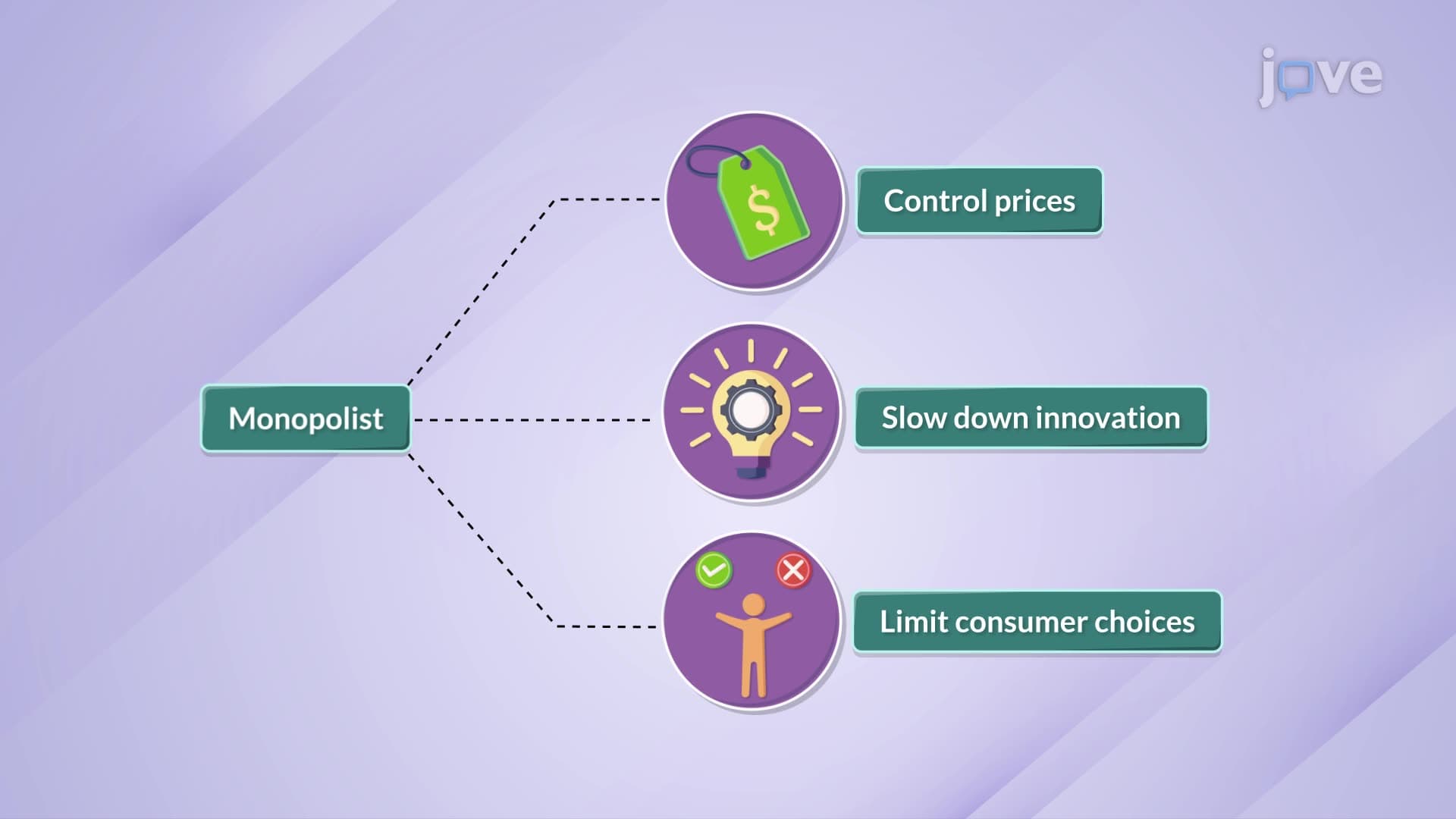
- Explore how market power allows monopolists to act as price makers rather than price takers in their industries
Understanding Profit Maximization in Monopoly Fundamentals
Profit maximization in monopoly represents a cornerstone principle in microeconomics where a single firm with market power determines optimal production levels. Unlike competitive markets, monopolists face downward-sloping demand curves, meaning they must reduce prices to sell additional units. This unique market position creates distinct revenue and cost dynamics that students encounter in AP Economics, college microeconomics courses, and standardized business exams.
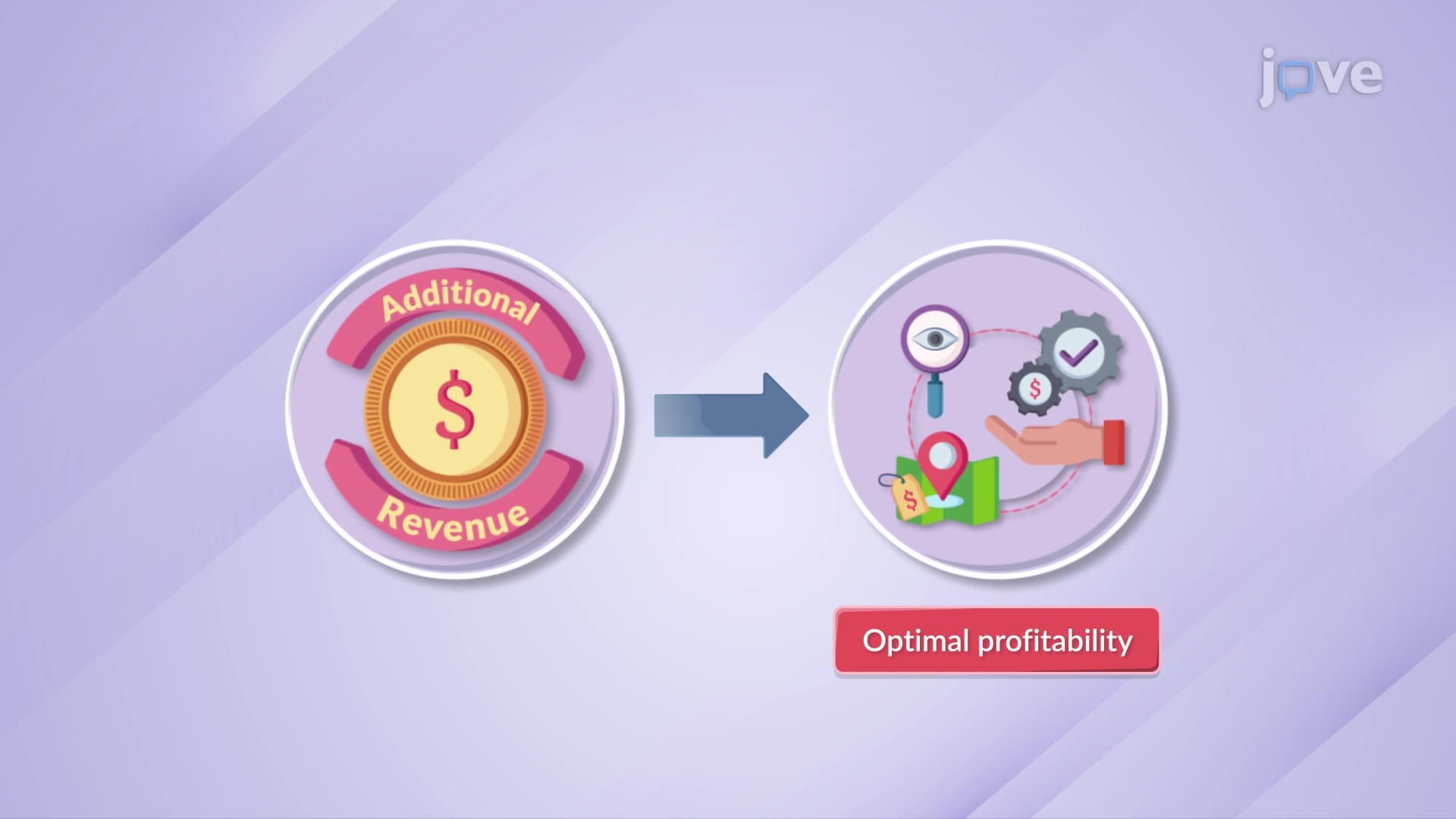
The profit maximization monopoly definition centers on the fundamental rule: produce where marginal cost (MC) equals marginal revenue (MR). This equilibrium point represents the sweet spot where additional production costs exactly match additional revenue generated, maximizing total economic profit.
Marginal Cost and Marginal Revenue Analysis
Marginal cost represents the additional expense incurred when producing one more unit of output. In most production scenarios, MC curves slope upward due to diminishing returns-each additional smartphone, prescription drug, or software license becomes progressively more expensive to produce as companies stretch their resources.
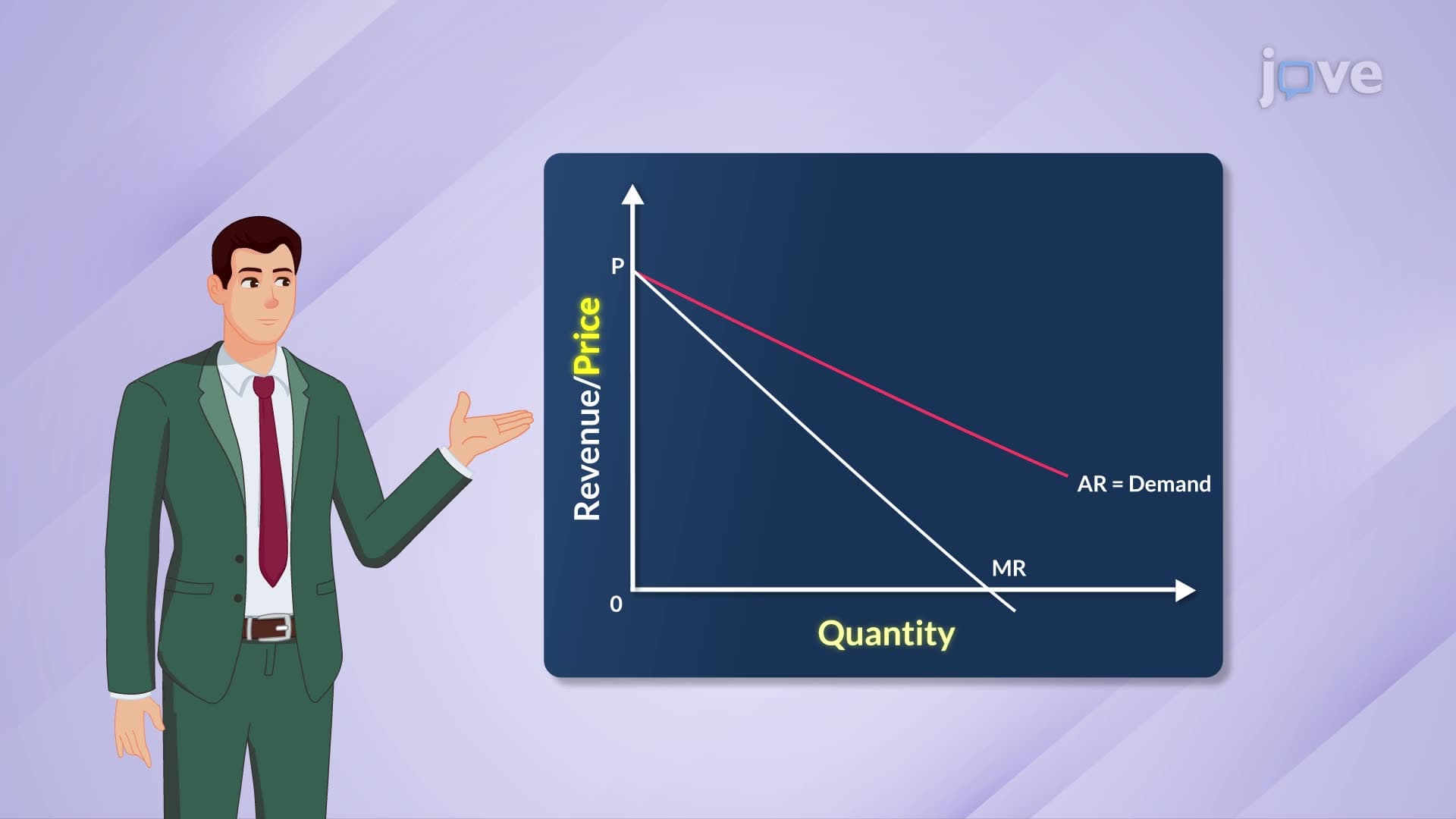
Marginal revenue, however, behaves differently for monopolists. Since monopolists must lower prices across all units to sell more, MR falls faster than price. Consider Microsoft's Windows operating system pricing: to increase market penetration, they might reduce prices, but this reduction applies to all licenses sold, not just the marginal units.
Real-World Applications in US Markets
American monopolies and near-monopolies demonstrate these principles daily. Public utilities like Consolidated Edison in New York optimize their electricity generation where MC = MR, subject to regulatory constraints. Similarly, pharmaceutical companies during patent periods-such as Gilead Sciences with hepatitis C treatments-price their medications using monopoly profit maximization principles.
For students preparing for college economics exams or AP Microeconomics, understanding these applications proves crucial. Exam questions frequently present scenarios involving monopolistic firms making production decisions, requiring students to identify profit-maximizing output levels and analyze resulting market outcomes.
Strategic Production Decisions and Market Efficiency
The profit maximization in monopoly concept explained reveals why monopolists typically produce less output at higher prices compared to competitive markets. This outcome occurs because monopolists consider how increased production affects prices across all units sold, not just marginal units.
When monopolists produce below the MC = MR intersection, they forfeit potential profits from underutilization. Conversely, production beyond this point generates losses because additional costs exceed additional revenues. This principle appears frequently in business school case studies and economics problem sets, making mastery essential for academic success.
Frequently Asked Questions
Profit maximization in monopoly occurs when a single firm produces where marginal cost equals marginal revenue, typically resulting in higher prices and lower quantities than competitive markets. Unlike competitive firms that are price-takers, monopolists act as price-makers with market power. This fundamental difference creates distinct pricing strategies and market outcomes that affect consumer welfare.
Exam questions typically present monopoly scenarios requiring students to identify profit-maximizing output levels, calculate economic profits, and analyze market efficiency. Common formats include graph interpretation, numerical problems involving cost and revenue data, and essay questions comparing monopolistic outcomes to competitive benchmarks. Students must demonstrate understanding of the MC = MR rule and its applications.
Students often struggle with understanding why marginal revenue differs from price in monopoly markets and visualizing curve intersections. The key difficulty involves grasping how price reductions affect all units sold, not just additional ones. Practice with graphical analysis and real-world examples helps overcome these conceptual barriers and builds confidence for examinations.
Apple's iPhone pricing strategies illustrate monopolistic behavior through premium pricing and controlled supply. While not a pure monopoly, Apple leverages market power to set prices above marginal cost, optimizing profits through careful production decisions. Their ecosystem creates switching costs that approximate monopolistic conditions in smartphone markets.
No advanced calculus is required for high school or introductory college economics courses. Most problems use basic algebra, graphical analysis, and conceptual understanding. Focus on mastering the MC = MR relationship, interpreting economic graphs, and applying principles to realistic scenarios rather than complex mathematical derivations.
Create comparison charts between monopoly and competitive markets, practice graphing MC and MR curves, and work through numerical examples using real company data. Form study groups to explain concepts aloud, use flashcards for key terminology, and complete practice problems from multiple textbooks to reinforce understanding across different question formats.
This microeconomic foundation directly applies to strategic management, pricing decisions, and competitive analysis in business programs. Students later explore how firms create and maintain market power, develop pricing strategies, and analyze industry structure. The economic principles learned here become practical tools for understanding corporate behavior and market dynamics.
Progress to monopolistic competition, oligopoly theory, game theory applications, and price discrimination strategies. Advanced courses explore regulatory economics, antitrust policy, and behavioral economics. These topics build upon fundamental monopoly principles while introducing more complex market structures and strategic interactions between firms.
Related Micro-courses

7 Concepts

14 Concepts