Loading subject page…


6,494 views

Video Summary: What Is Revenues in Monopoly
When Apple sets iPhone prices without worrying about direct competitors, it demonstrates revenues monopoly principles that affect every consumer purchase. Understanding what is revenues in monopoly reveals why companies like utilities can charge premium prices while maintaining steady sales. This concept explains how monopolistic firms generate income through three key revenue types: average, marginal, and total revenue, each following distinct patterns unlike competitive markets. Watch the full video on JoVE Coach to master this concept with expert-led visuals and step-by-step explanations.
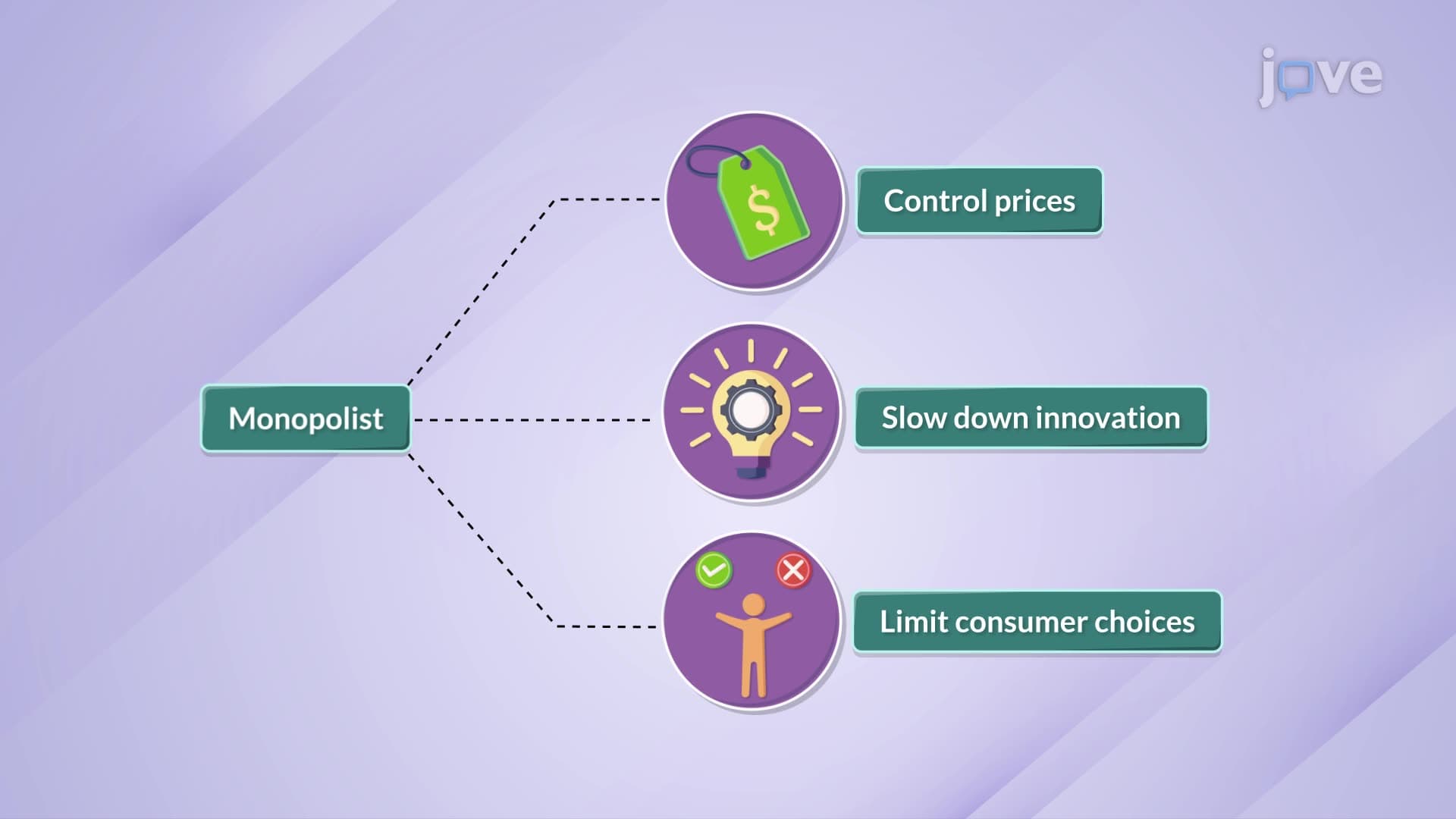
Revenues in monopoly represent the income streams that single-seller markets generate through their unique pricing power. Unlike competitive markets where firms are price-takers, monopolists control both price and quantity, creating distinctive revenue patterns that economics students must master for AP Microeconomics exams and college coursework.
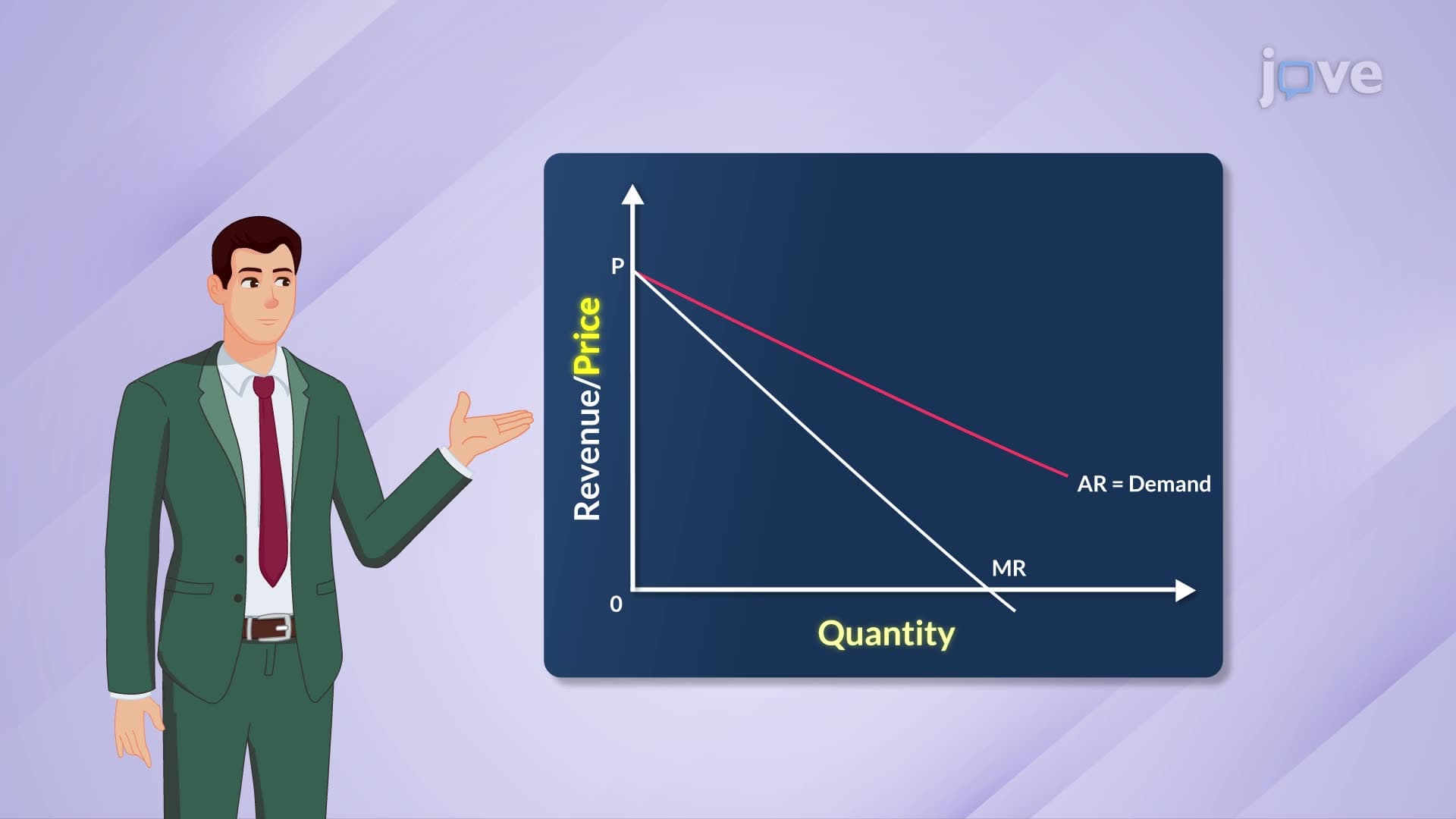
Average revenue in monopoly markets equals the price per unit sold, making the demand curve identical to the average revenue curve. This occurs because monopolists face the entire market demand-when Comcast sets cable prices in exclusive service areas, each price point corresponds directly to the quantity consumers will purchase. The downward-sloping nature reflects the law of demand: lower prices increase quantity demanded, but the monopolist captures all sales at each price level.
Marginal revenue represents additional income from selling one more unit, but in monopoly markets, this curve slopes more steeply than average revenue. When a monopolist reduces prices to sell additional units, they must apply the lower price to all units sold, not just the marginal one. For example, if a pharmaceutical company with a patented drug drops prices from $100 to $95 to sell one more unit, they lose $5 on every previously sold unit. This explains why MR curves fall twice as fast as linear demand curves-a crucial relationship for AP exam success.
Total revenue in monopoly markets follows a distinctive inverted-U pattern. Initially rising as quantity increases, TR reaches a maximum point where marginal revenue equals zero, then declines as further price reductions generate negative marginal revenue. Electric utilities demonstrate this principle when determining optimal rate structures-they maximize revenue at the point where additional customer acquisition costs exceed marginal revenue gains.
This revenue maximization point differs from profit maximization, which occurs where marginal revenue equals marginal cost. Understanding this distinction proves essential for college microeconomics courses and business strategy applications, as monopolists must balance revenue goals with cost considerations when setting optimal pricing policies.
Related Micro-courses