Loading subject page…


146,122 views


Video Summary: Cancer Critical Genes I Proto Oncogenes Explained
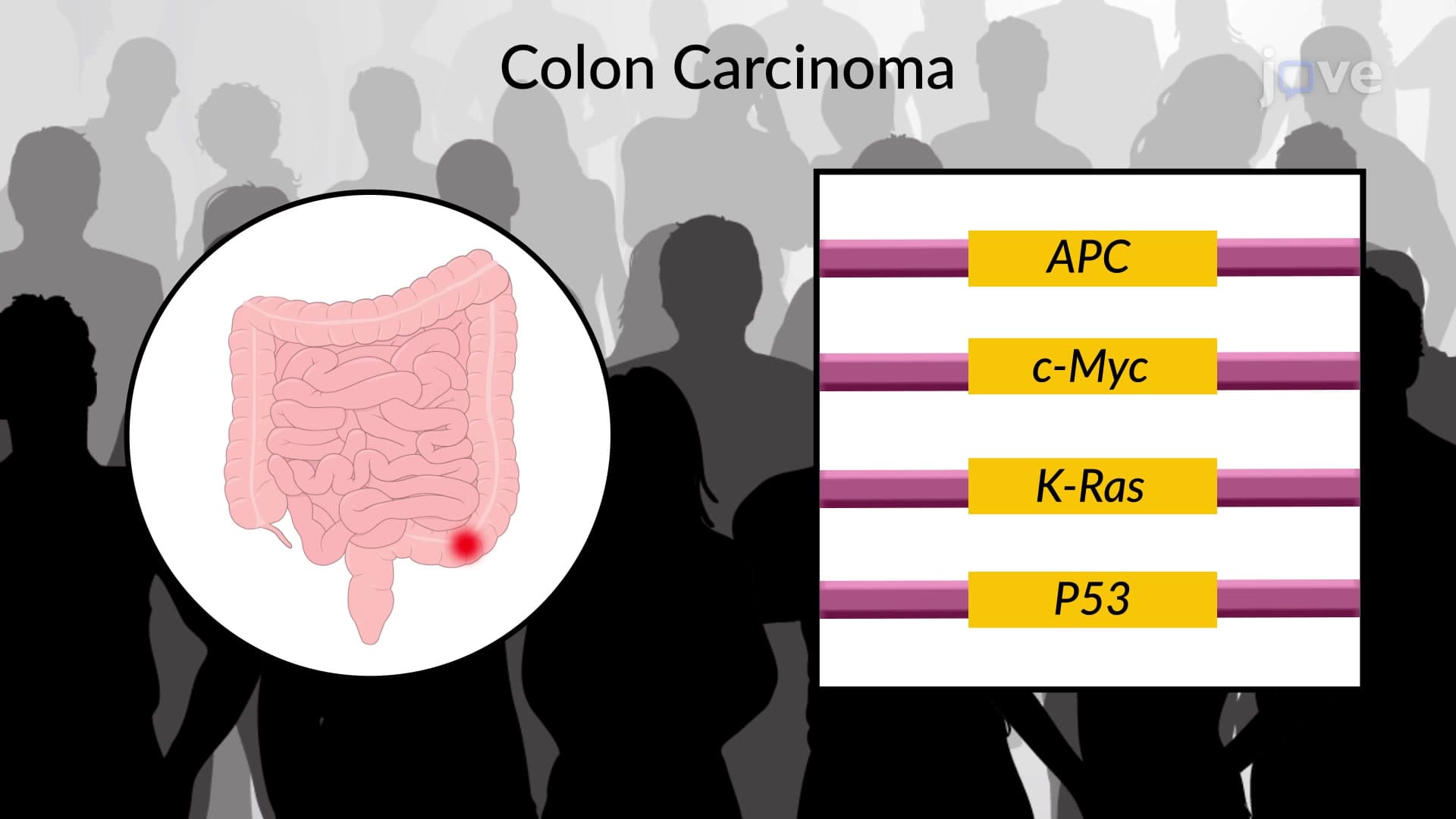
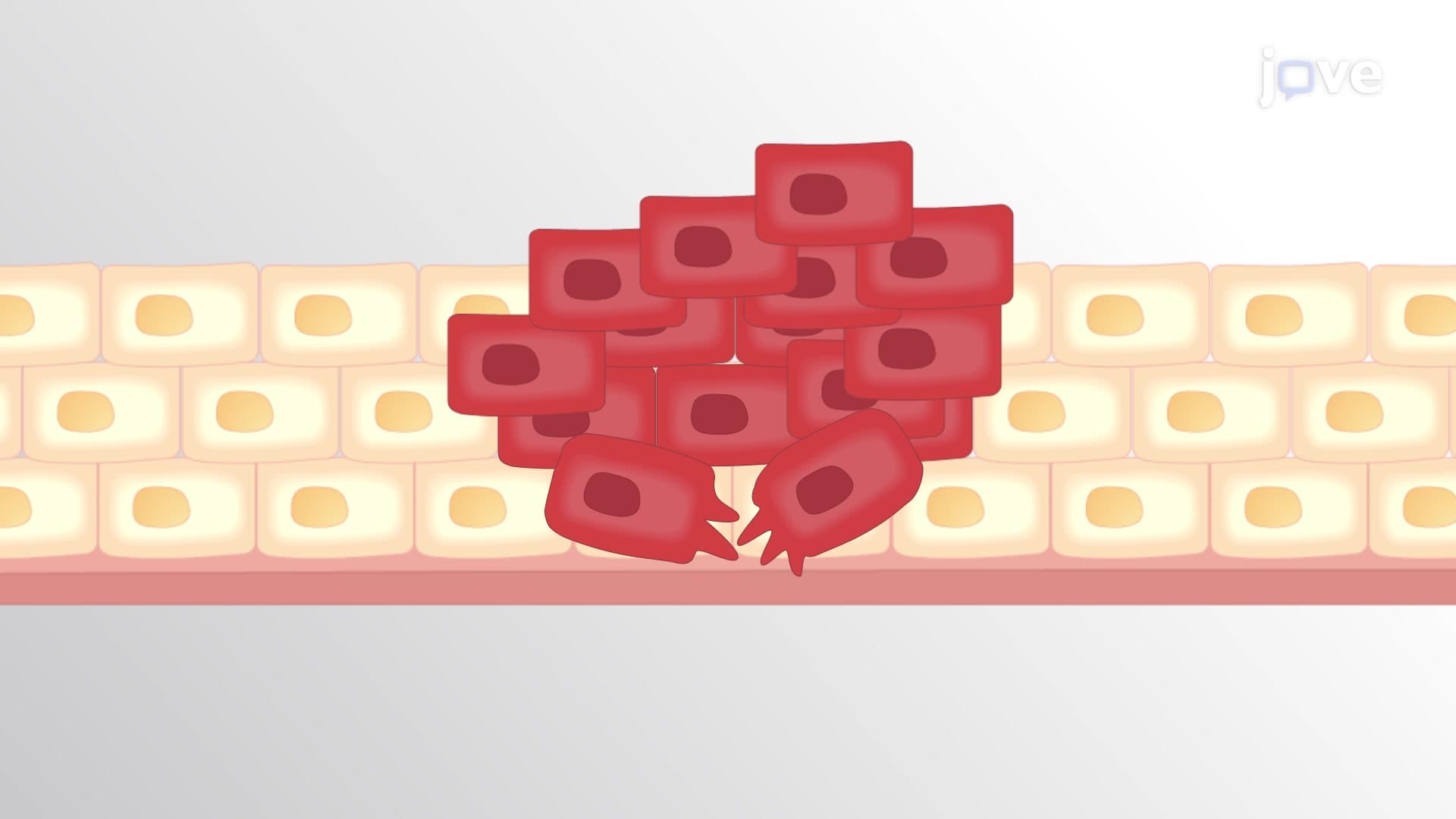
Did you know that healthy cells in your body contain genes that can become cancer-causing with just one mutation? Cancer critical genes i proto oncogenes are normal cellular genes that regulate growth, but when altered, they drive uncontrolled cell division. The RAS gene, mutated in about 30% of all cancers including pancreatic and colorectal cancers treated at major US cancer centers like MD Anderson, exemplifies how Cancer Critical Genes I Proto Oncogenes Explained transforms normal growth signals into dangerous oncogenes. Watch the full video on JoVE Coach to master this concept with expert-led visuals and step-by-step explanations.
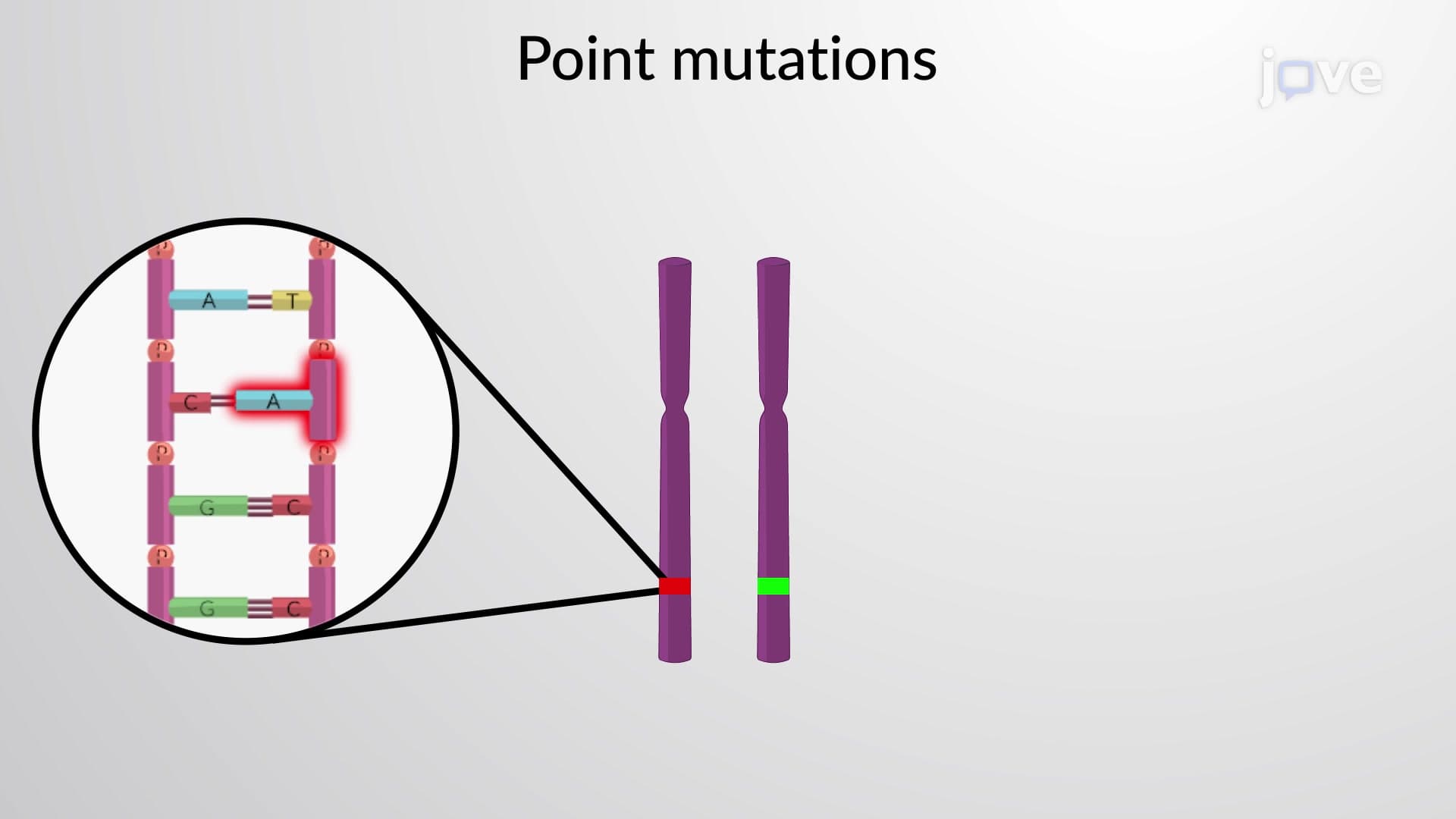
Proto-oncogenes represent one of the most crucial gene categories in cancer biology, serving as the molecular "gas pedal" for cellular growth and division. Under normal physiological conditions, these genes produce proteins that carefully orchestrate when cells should grow, divide, or remain quiescent. The transformation from beneficial proto-oncogene to dangerous oncogene requires only a single genetic alteration-making this concept essential for AP Biology students and pre-med undergraduates studying for the MCAT.
The conversion process involves gain-of-function mutations that create hyperactive proteins. Unlike tumor suppressor genes that require both copies to be lost (recessive inheritance), proto-oncogenes follow dominant inheritance-meaning one mutated copy suffices to promote cancer. This dominance explains why inherited cancer syndromes involving oncogenes, such as certain forms of thyroid cancer linked to RET mutations, can appear in multiple generations of American families seeking genetic counseling at institutions like the National Cancer Institute.
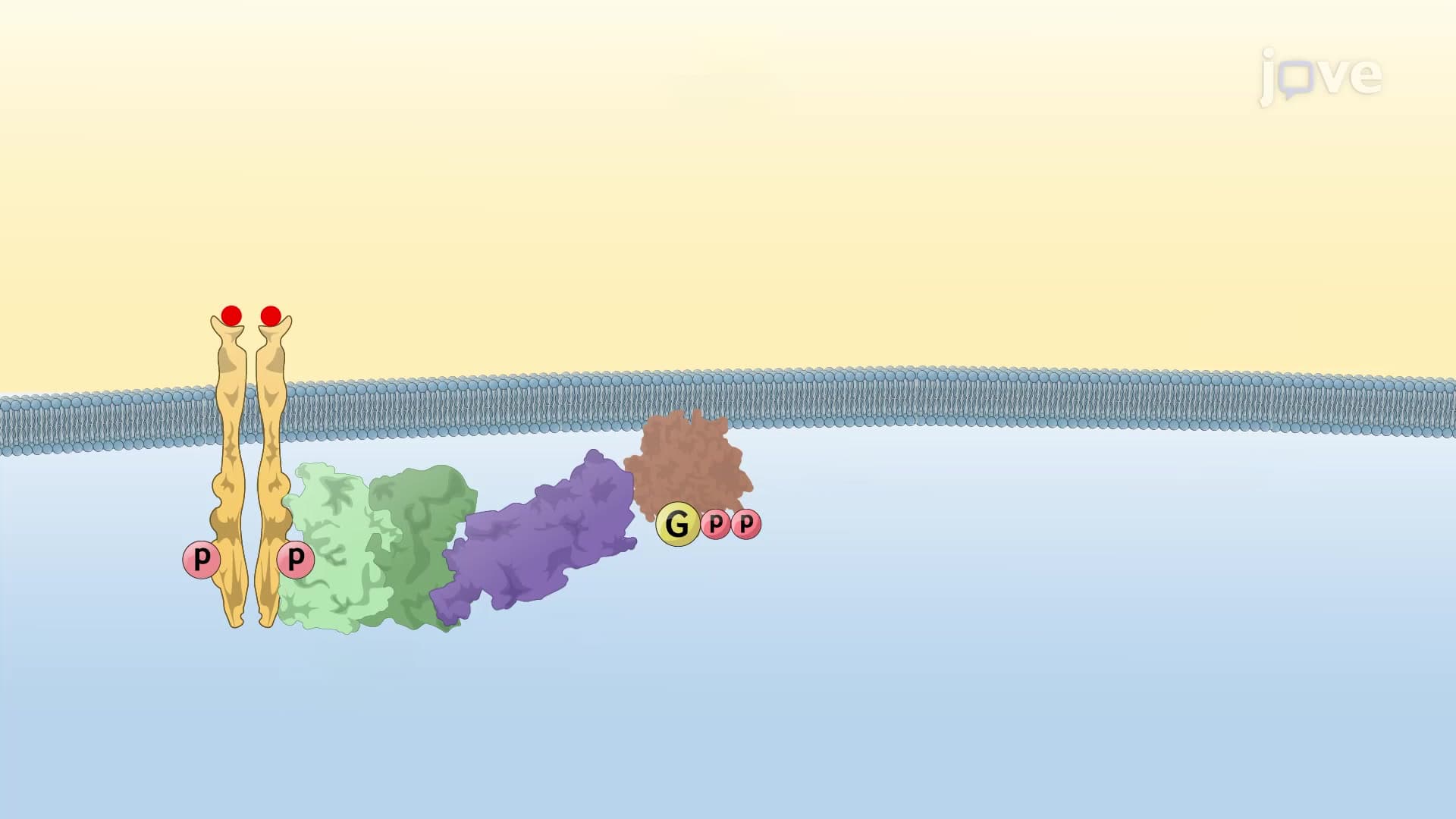
The RAS gene family (HRAS, KRAS, NRAS) exemplifies proto-oncogene biology in American healthcare. Normal Ras proteins act as molecular switches, activating growth pathways only when appropriate signals arrive. However, oncogenic Ras mutations-found in approximately 85% of pancreatic adenocarcinomas treated at US cancer centers-create proteins stuck in the "on" position. This constant activation drives the uncontrolled proliferation characteristic of malignant transformation, making Ras mutations both a diagnostic marker and therapeutic target in precision oncology.
Modern cancer treatment increasingly relies on understanding proto-oncogene biology. Targeted therapies like imatinib (Gleevec) for BCR-ABL oncogenes in chronic myeloid leukemia, and trastuzumab (Herceptin) for HER2 amplification in breast cancer, represent successful clinical applications of this fundamental knowledge. For students preparing for healthcare careers, understanding these molecular foundations proves essential for MCAT preparation and future clinical coursework in medical schools across the United States.
Related Micro-courses