Loading subject page…


146,122 views

Video Summary: Cancer Critical Genes Ii Tumor Explained
Did you know that every person carries roughly 20,000-25,000 genes, yet mutations in just a handful can trigger cancer? Cancer critical genes ii tumor mechanisms reveal how specific gene mutations drive uncontrolled cell growth, particularly through tumor suppressor genes like p53-found mutated in over 50% of human cancers treated at MD Anderson Cancer Center. Understanding cancer critical genes ii tumor pathways explains why both gene copies must fail before cancer develops. Watch the full video on JoVE Coach to master this concept with expert-led visuals and step-by-step explanations.
Cancer critical genes ii tumor mechanisms represent one of biology's most crucial regulatory systems. Unlike the dramatic Hollywood portrayals of instant genetic disasters, cancer development through tumor suppressor genes follows a methodical, multi-step process that can span years or decades. These genes function as cellular "brakes," continuously monitoring cell division and triggering programmed cell death (apoptosis) when problems arise.
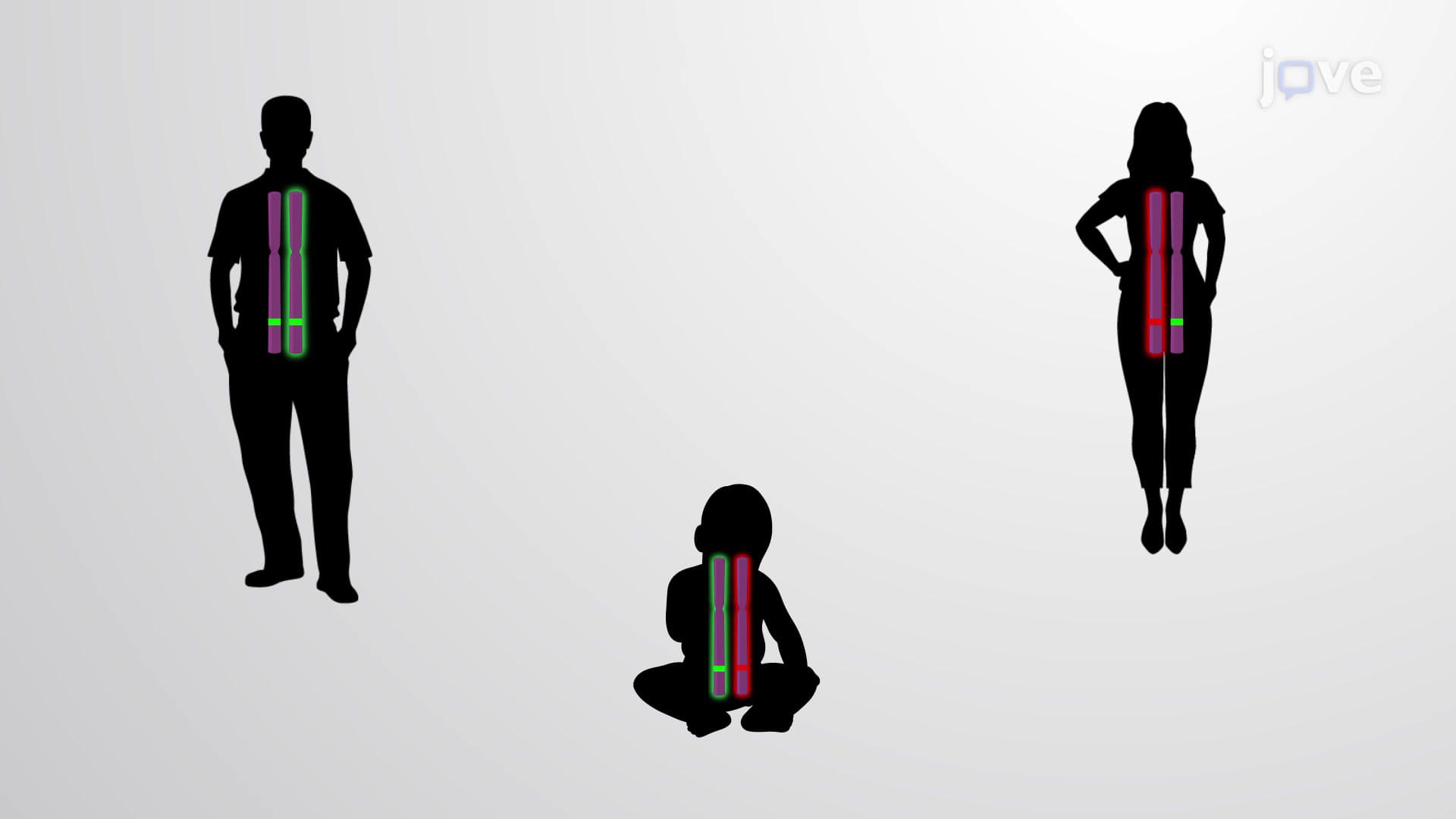
The cornerstone of cancer critical genes ii tumor biology lies in Alfred Knudson's two-hit hypothesis, established through studying retinoblastoma patients at Children's Hospital of Philadelphia. Tumor suppressor genes operate under recessive inheritance patterns-meaning both copies (alleles) must malfunction before cancer emerges. This explains why individuals with hereditary cancer syndromes, who inherit one defective copy, face higher cancer risks but don't automatically develop tumors.
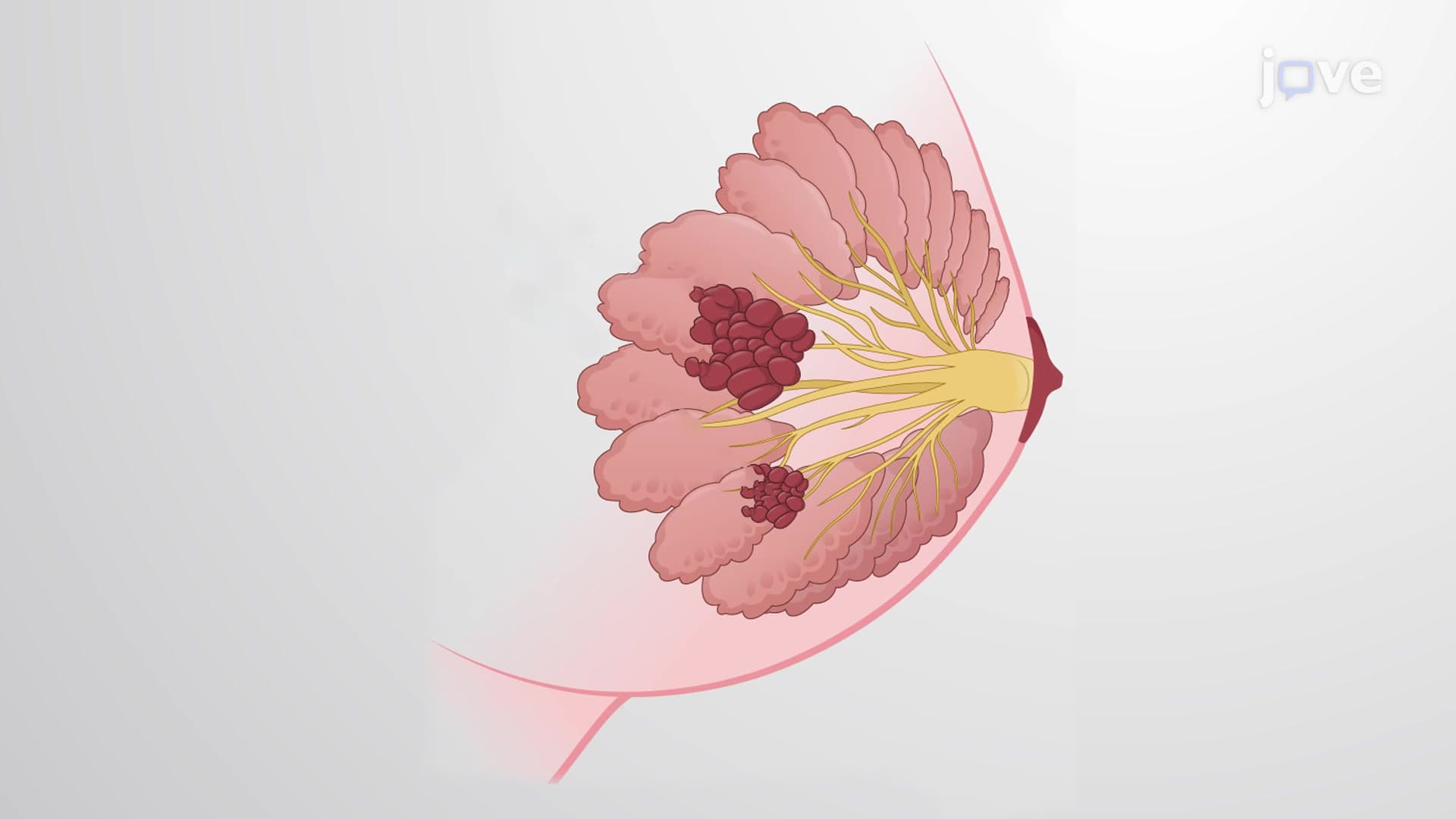
Consider the BRCA1 and BRCA2 genes, studied extensively at institutions like Harvard Medical School and Stanford Cancer Institute. Women inheriting one mutated copy have 55-85% lifetime breast cancer risk, but cancer only develops when the second, healthy copy becomes damaged through environmental factors, aging, or random cellular errors.
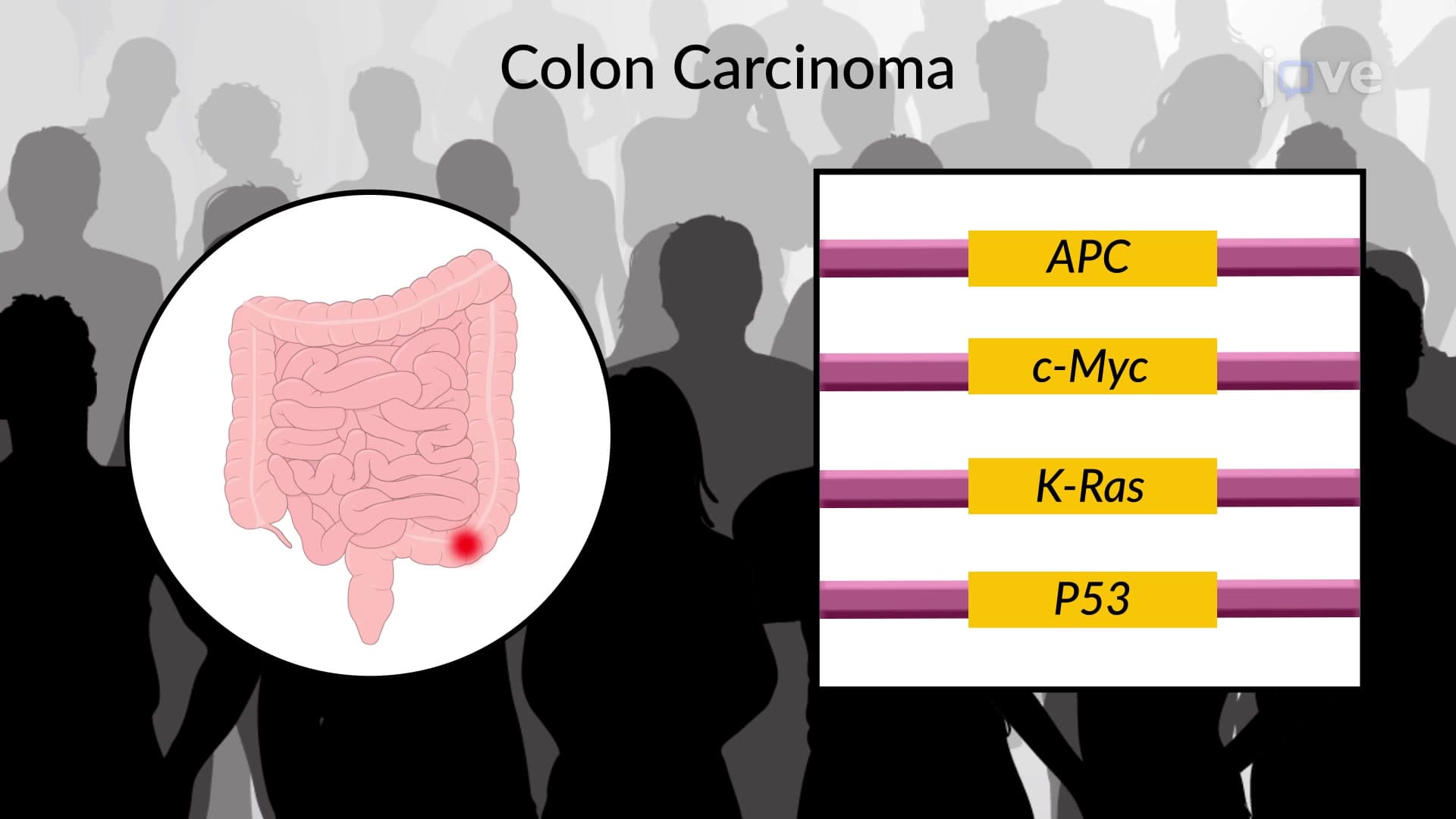
The p53 tumor suppressor gene exemplifies how cancer critical genes ii tumor pathways function in practice. Located on chromosome 17, p53 produces a protein that detects DNA damage and either repairs it or eliminates the damaged cell entirely. When both p53 copies fail, cells lose this critical checkpoint, leading to the uncontrolled proliferation characteristic of cancer.
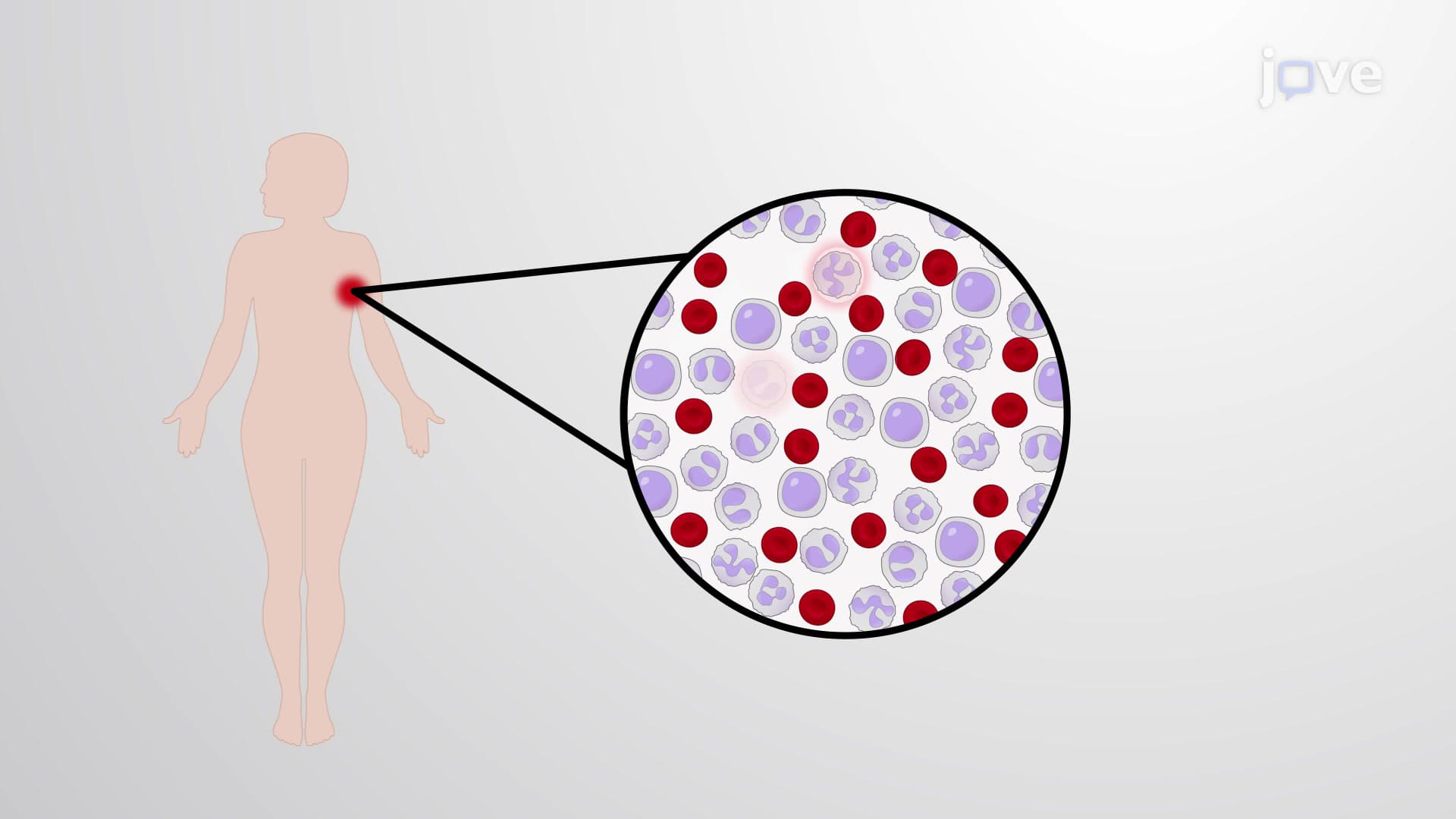
P53 mutations appear in over 50% of human cancers, including the leukemias and lymphomas treated at leading cancer centers like Memorial Sloan Kettering and Mayo Clinic. Students preparing for AP Biology or college-level genetics courses should understand that p53's nickname-"guardian of the genome"-reflects its central role in preventing cancer development.
For students tackling MCAT preparation or advanced placement exams, cancer critical genes ii tumor concepts frequently appear in genetics and cell biology sections. Understanding the recessive nature of tumor suppressor mutations helps explain cancer clustering in families and informs genetic counseling practices at institutions like the National Cancer Institute.
Related Micro-courses