Loading subject page…


146,122 views

Video Summary: Cancer Definition
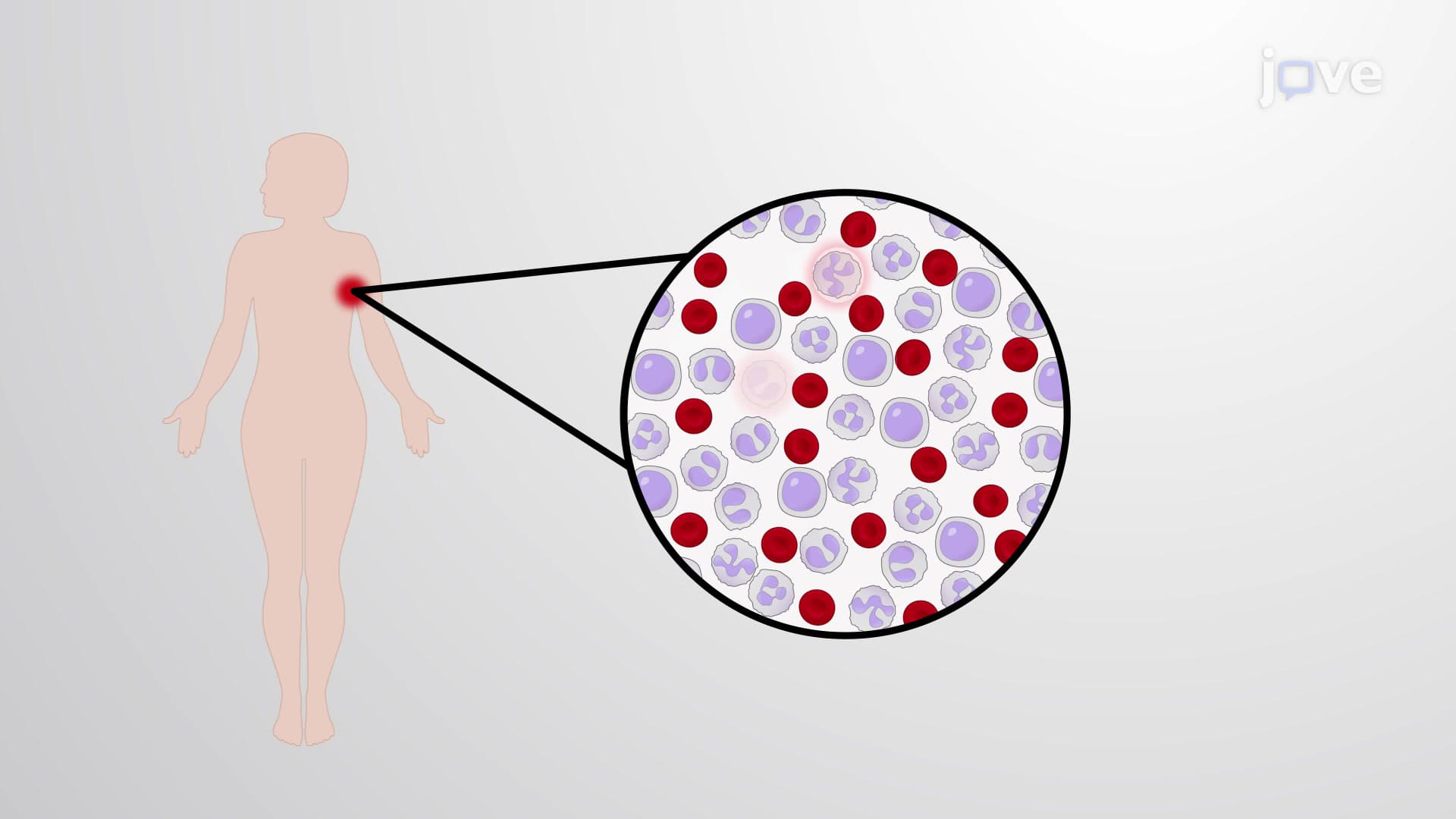
Every minute, approximately 20 million cells in your body divide to replace damaged tissue, but what happens when this process goes wrong? The cancer definition involves understanding how normal cellular division becomes uncontrolled growth that can spread throughout the body. According to the American Cancer Society, over 1.9 million new cancer cases are diagnosed annually in the United States, making this cellular malfunction a critical health concern. Watch the full video on JoVE Coach to master this concept with expert-led visuals and step-by-step explanations.
The cancer definition centers on a fundamental breakdown in one of biology's most essential processes: controlled cell division. In healthy human tissue, approximately 37 trillion cells maintain strict regulatory mechanisms that govern when, where, and how frequently they reproduce. The cell cycle checkpoints-including G1/S, intra-S, G2/M, and spindle checkpoints-act as quality control systems ensuring only healthy, properly functioning cells continue dividing.
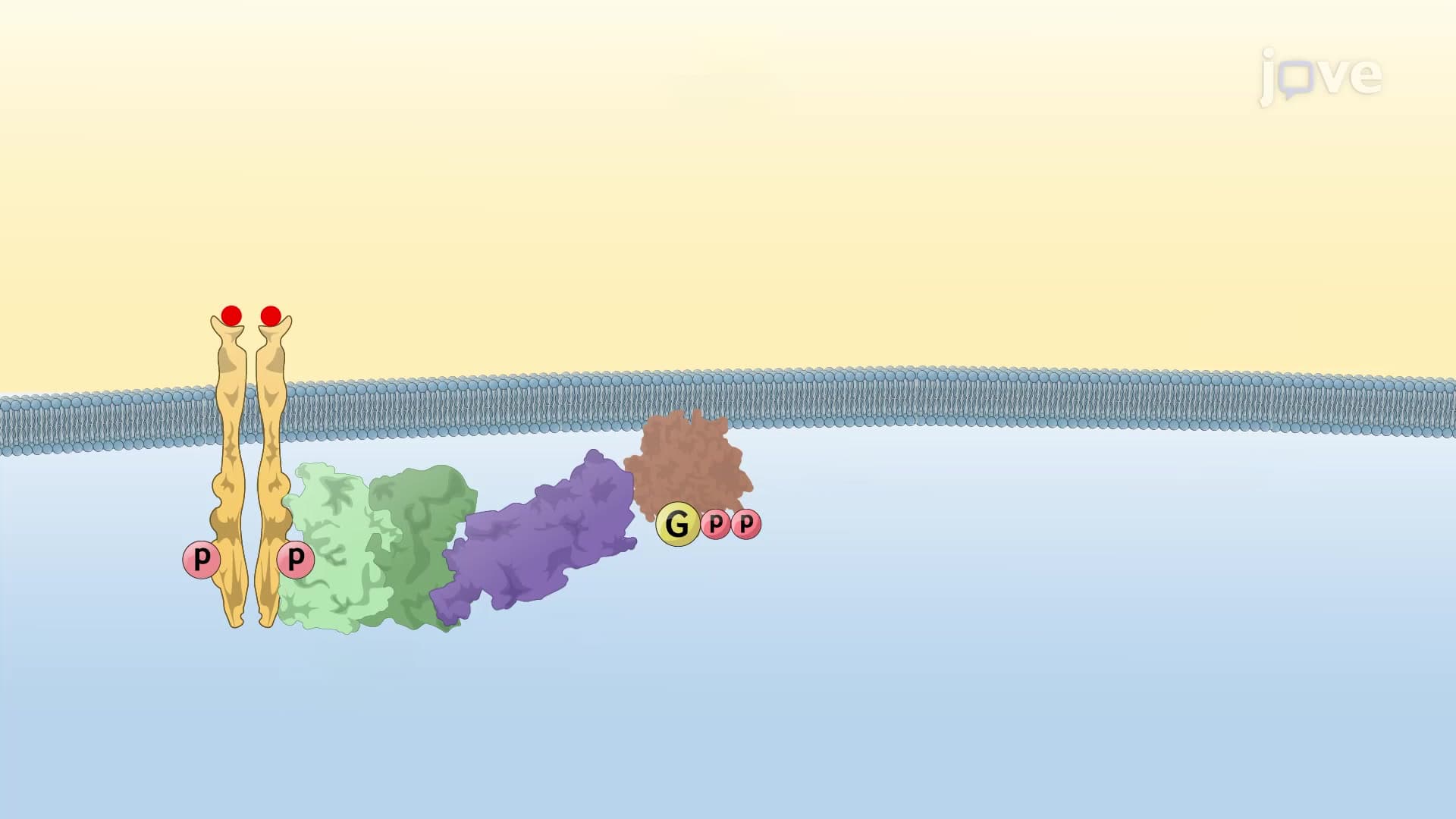
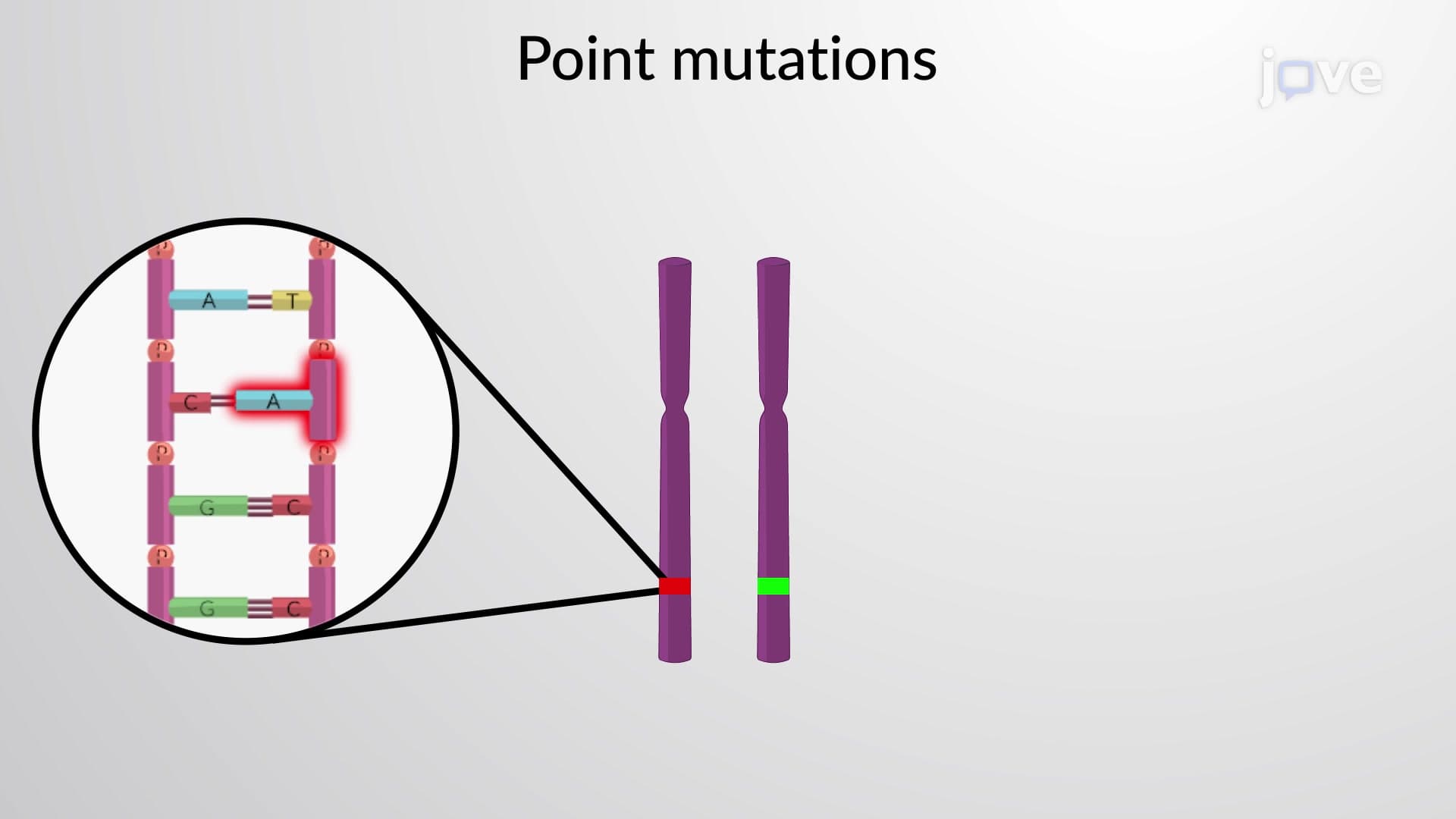
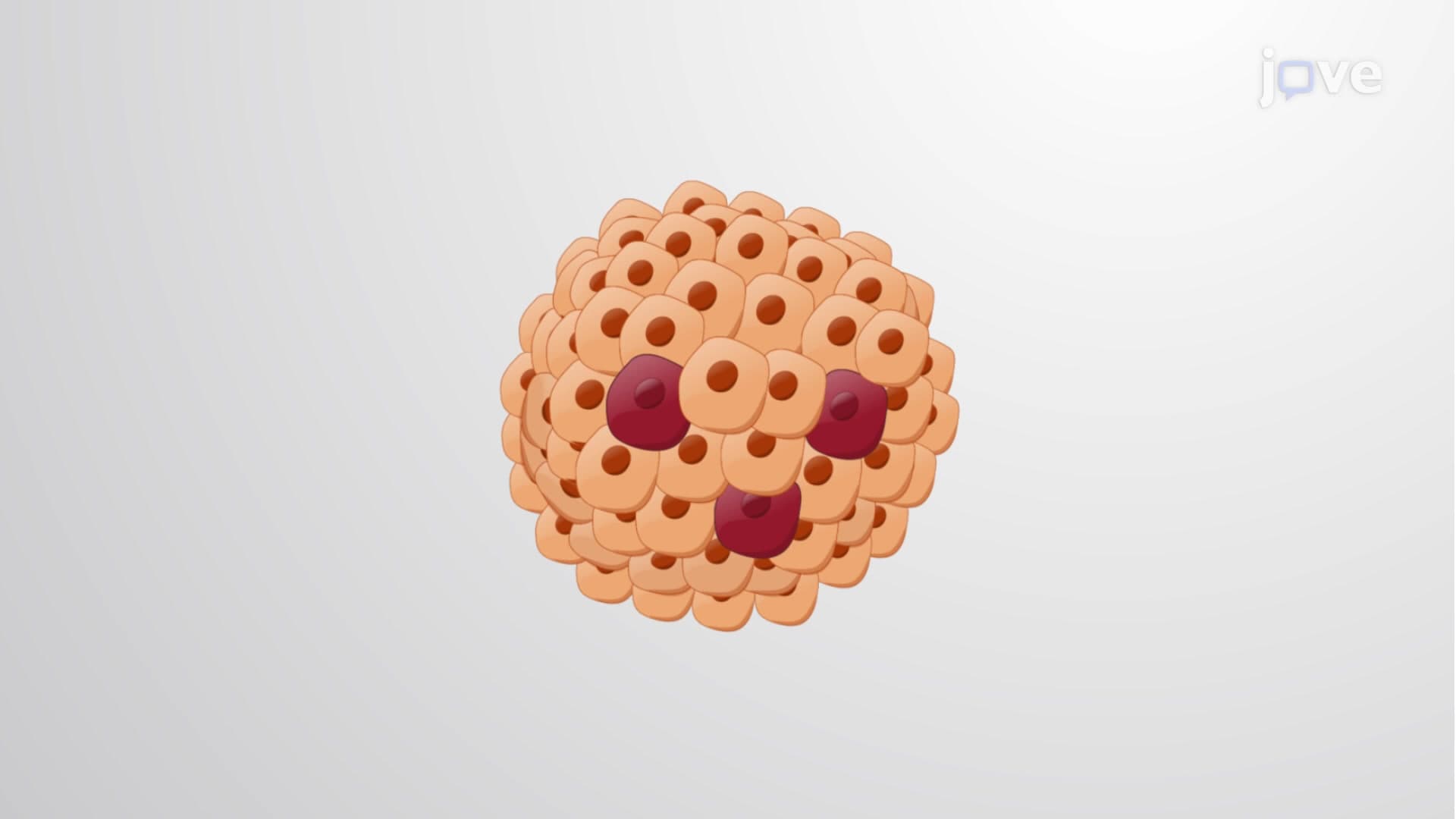
Cancer represents a catastrophic failure of these regulatory systems. When cells accumulate critical mutations in genes controlling growth (oncogenes) and those preventing uncontrolled division (tumor suppressor genes), they can bypass normal cellular death signals and divide indefinitely. This process, called oncogenesis, transforms normal cells into malignant ones capable of invading surrounding tissues.
Understanding cancer requires recognizing the crucial distinction between benign and malignant tumors. Benign tumors, while abnormal, remain localized to their tissue of origin and typically grow slowly with well-defined boundaries. Examples include uterine fibroids or most skin moles-these rarely threaten life and can often be completely removed surgically.
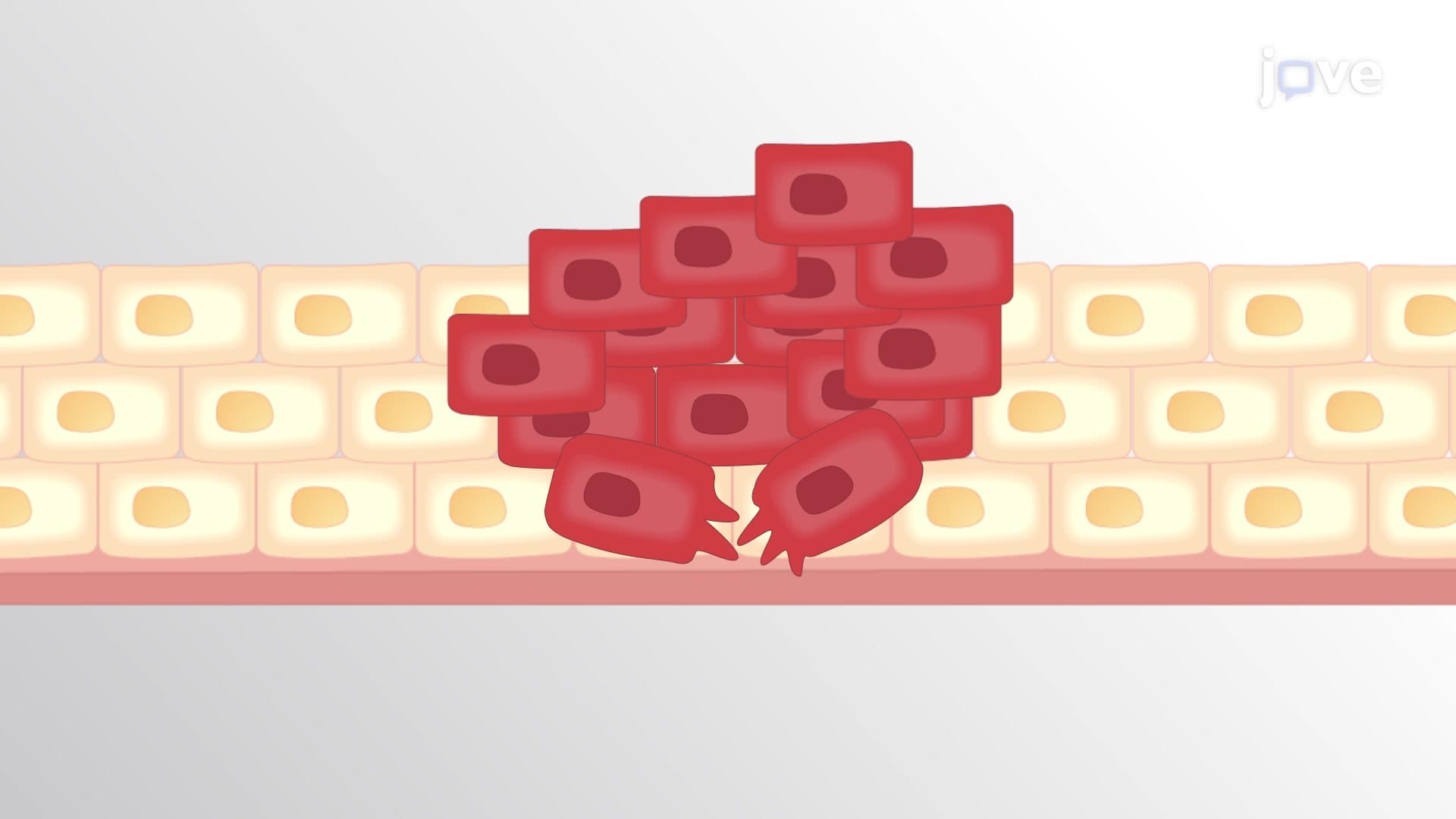
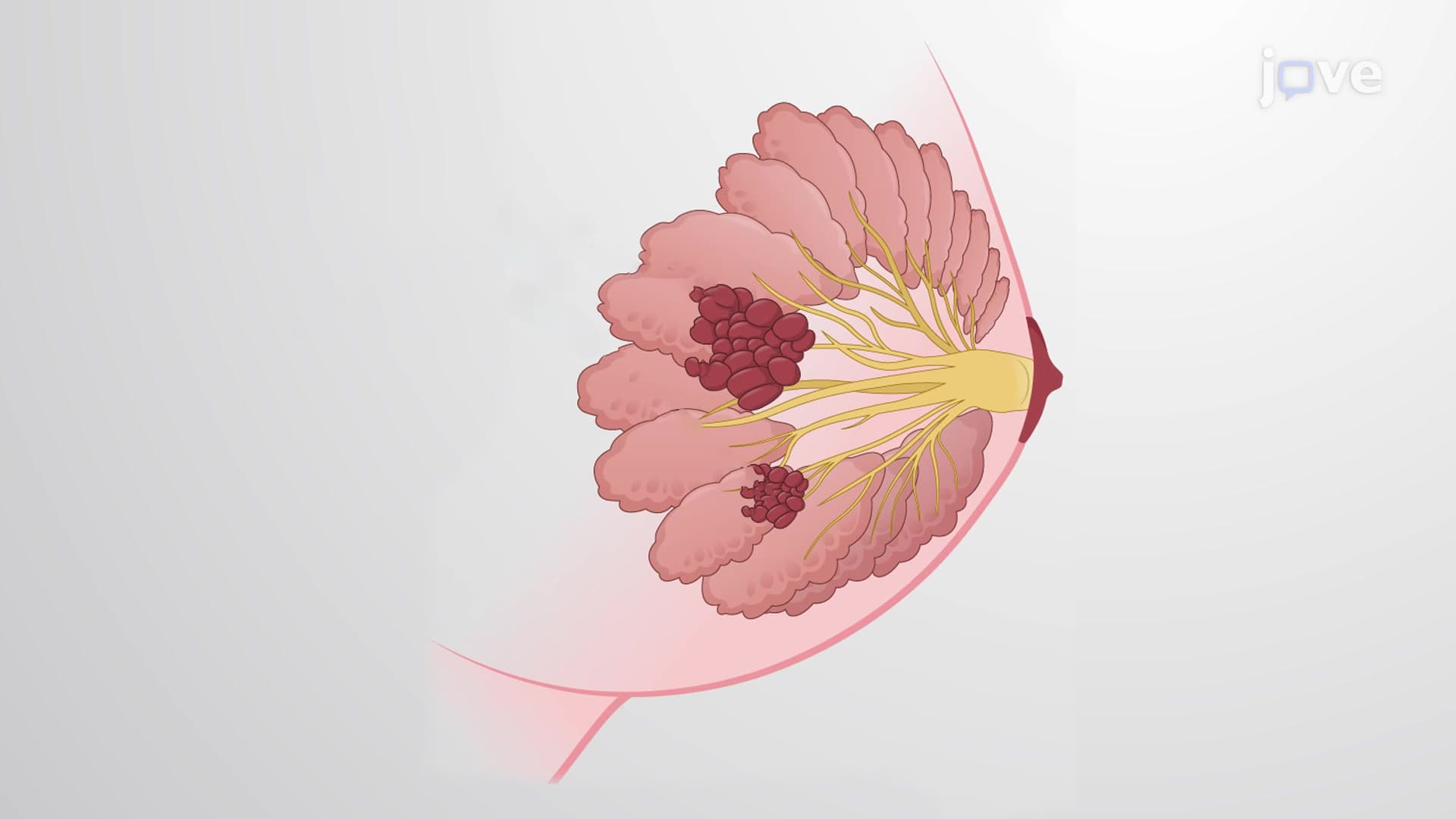
Malignant tumors demonstrate the hallmark characteristics that define true cancer: invasion and metastasis. These aggressive growths can penetrate surrounding tissues, enter blood or lymphatic vessels, and establish secondary tumors (metastases) in distant organs. For instance, breast cancer cells might metastasize to bones, liver, or lungs, creating new tumor sites far from the original breast tissue.
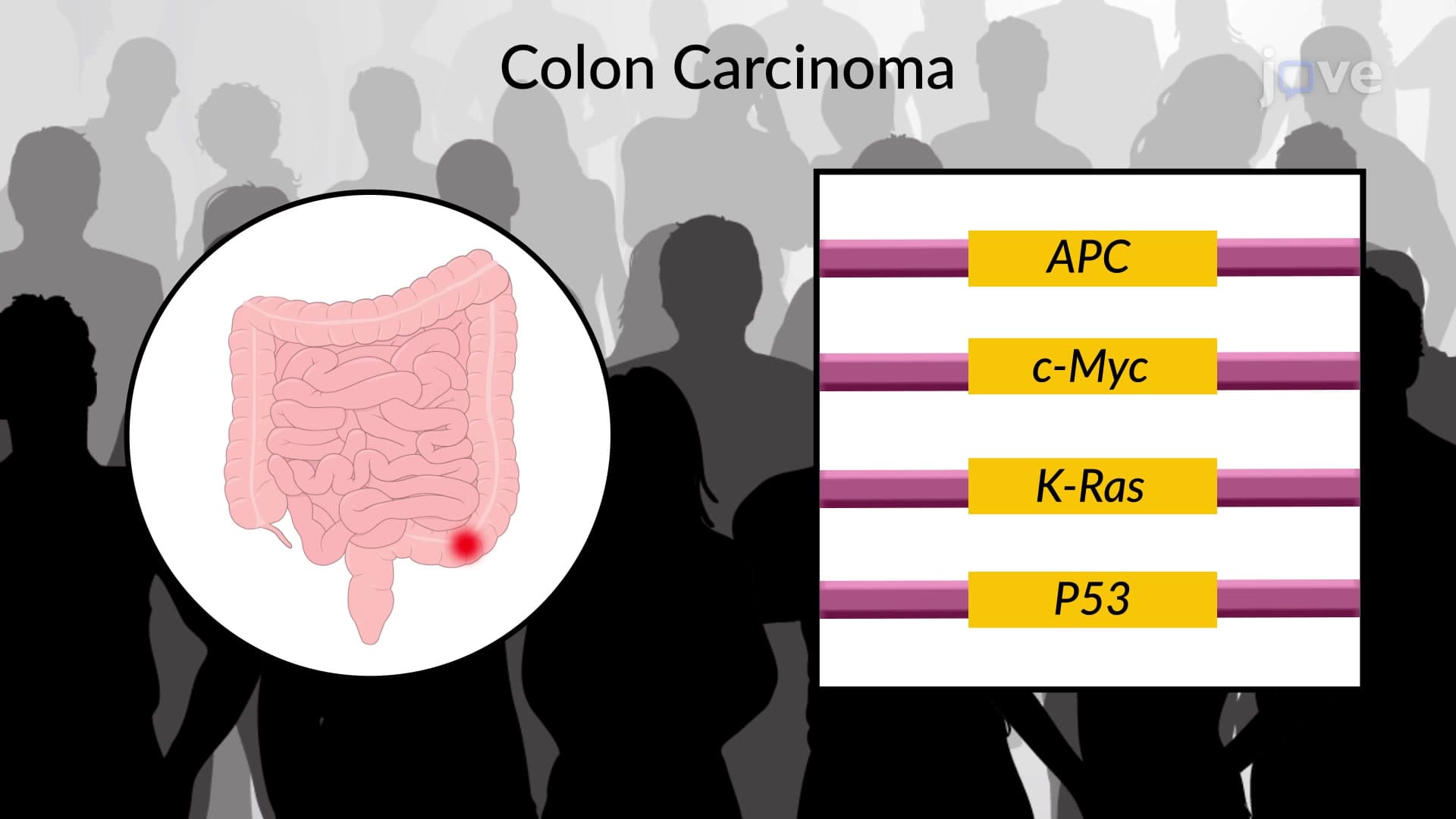
The cancer definition encompasses over 100 distinct disease types, classified primarily by their tissue of origin. Carcinomas arise from epithelial cells lining organs and body surfaces-including lung, breast, prostate, and colorectal cancers that represent the most common diagnoses in American patients. Sarcomas develop from connective tissues like bone, cartilage, fat, or muscle, while leukemias and lymphomas affect blood-forming tissues.
This classification system proves essential for treatment planning and prognosis determination. Oncologists at major cancer centers like MD Anderson Cancer Center or Memorial Sloan Kettering use sophisticated staging systems (TNM classification) to assess tumor size, lymph node involvement, and metastatic spread, directly informing treatment protocols.
For students preparing for advanced coursework or medical school admissions, understanding cancer biology connects directly to clinical medicine and research applications. The MCAT extensively tests cellular biology concepts including oncogenesis, while AP Biology exams frequently include cancer-related questions about cell cycle regulation and genetic mutations.
Current immunotherapy treatments like CAR-T cell therapy, developed at institutions including the University of Pennsylvania and approved by the FDA, demonstrate how basic cancer biology knowledge translates into revolutionary treatments that have transformed outcomes for patients with previously incurable blood cancers.
Related Micro-courses