Loading subject page…


146,122 views
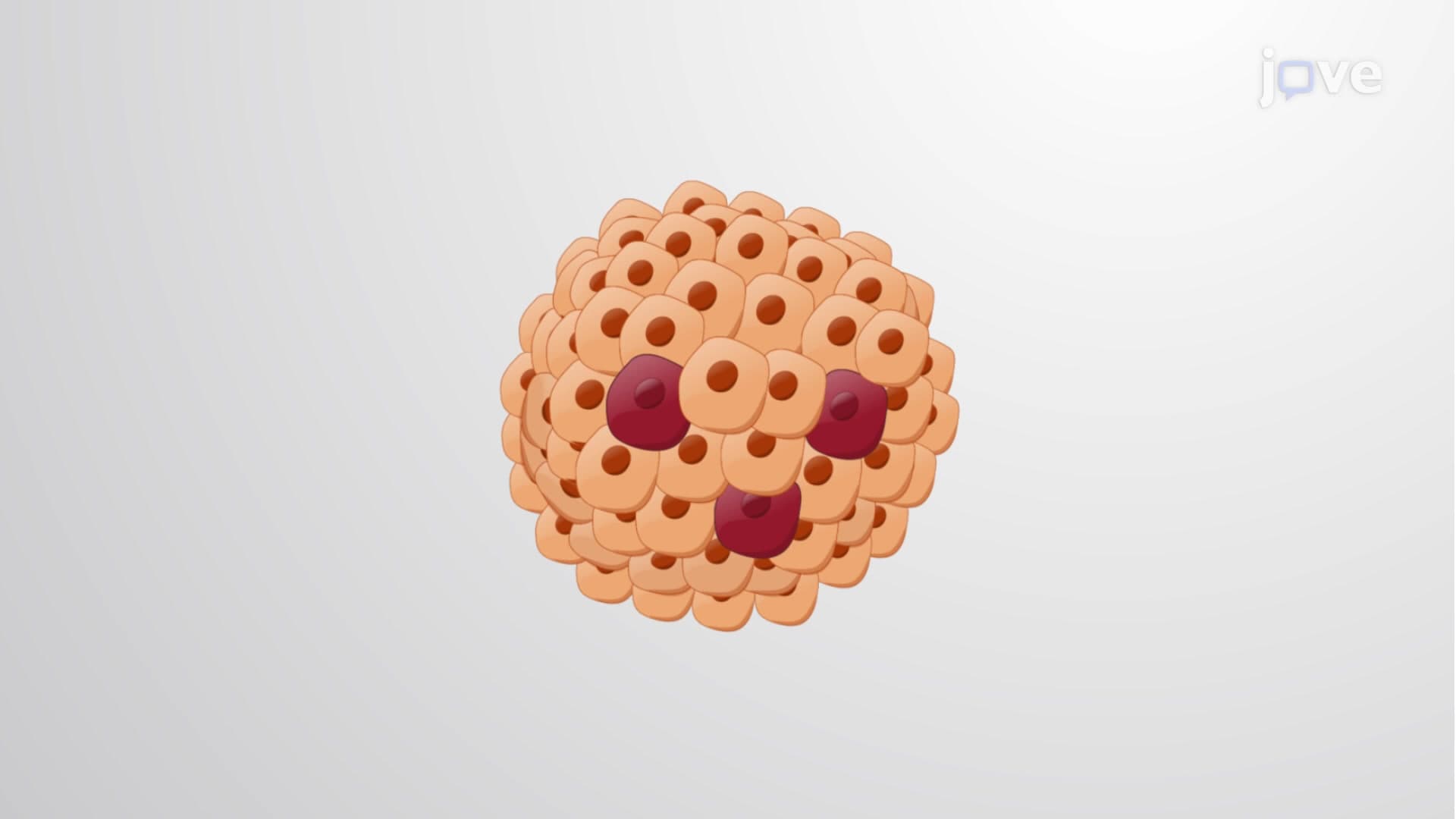

Video Summary: Cancer Stem Cells and Tumor Maintenance Explained
Did you know that some cancer cells can act like master keys, unlocking the ability to rebuild entire tumors even after treatment? Cancer stem cells and tumor maintenance represents one of oncology's most challenging puzzles, explaining why cancers like chronic myeloid leukemia can return despite successful initial therapy at MD Anderson Cancer Center. These specialized cells possess unique self-renewal abilities and resistance mechanisms that make them nearly indestructible. Watch the full video on JoVE Coach to master this concept with expert-led visuals and step-by-step explanations.
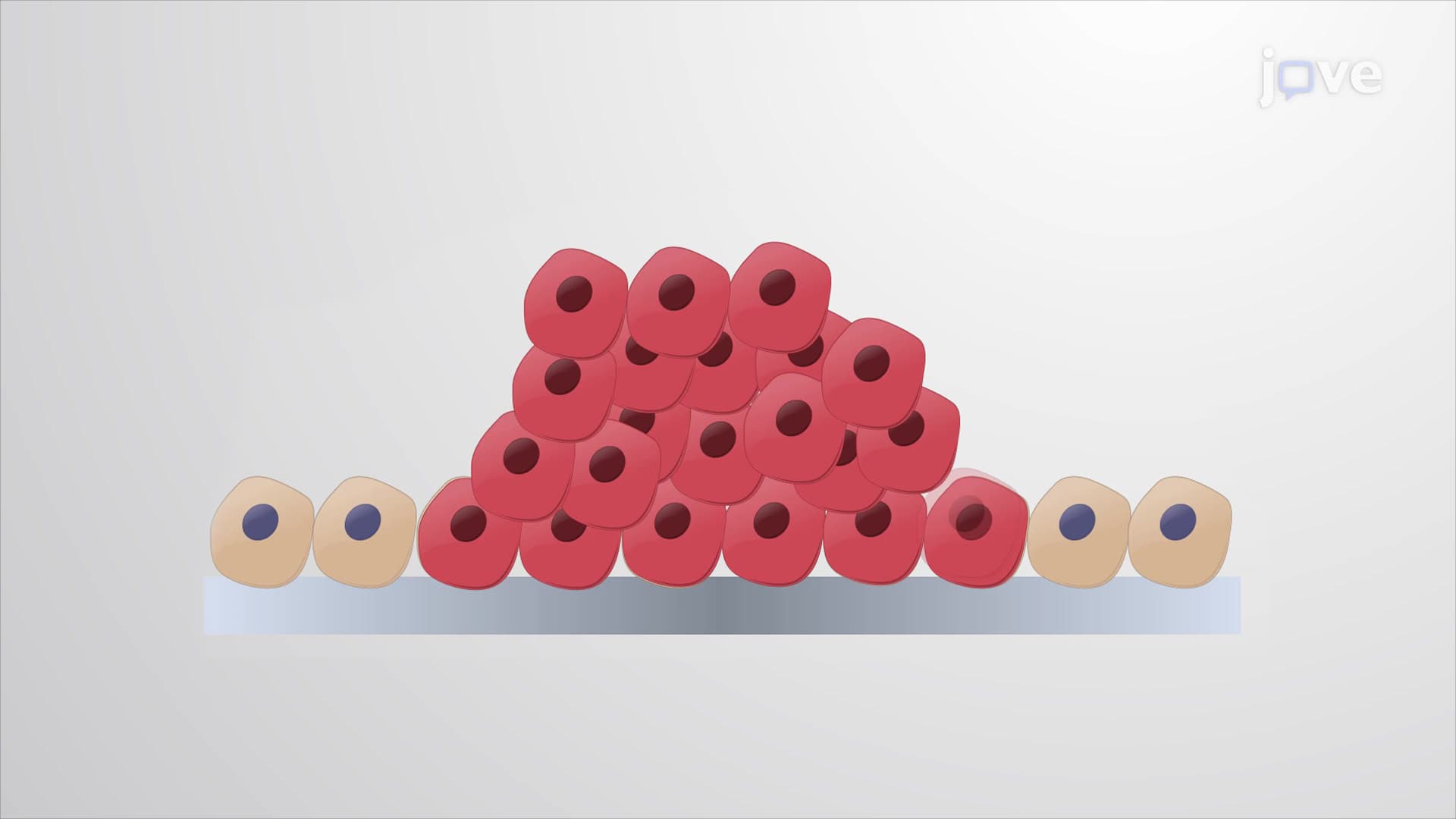
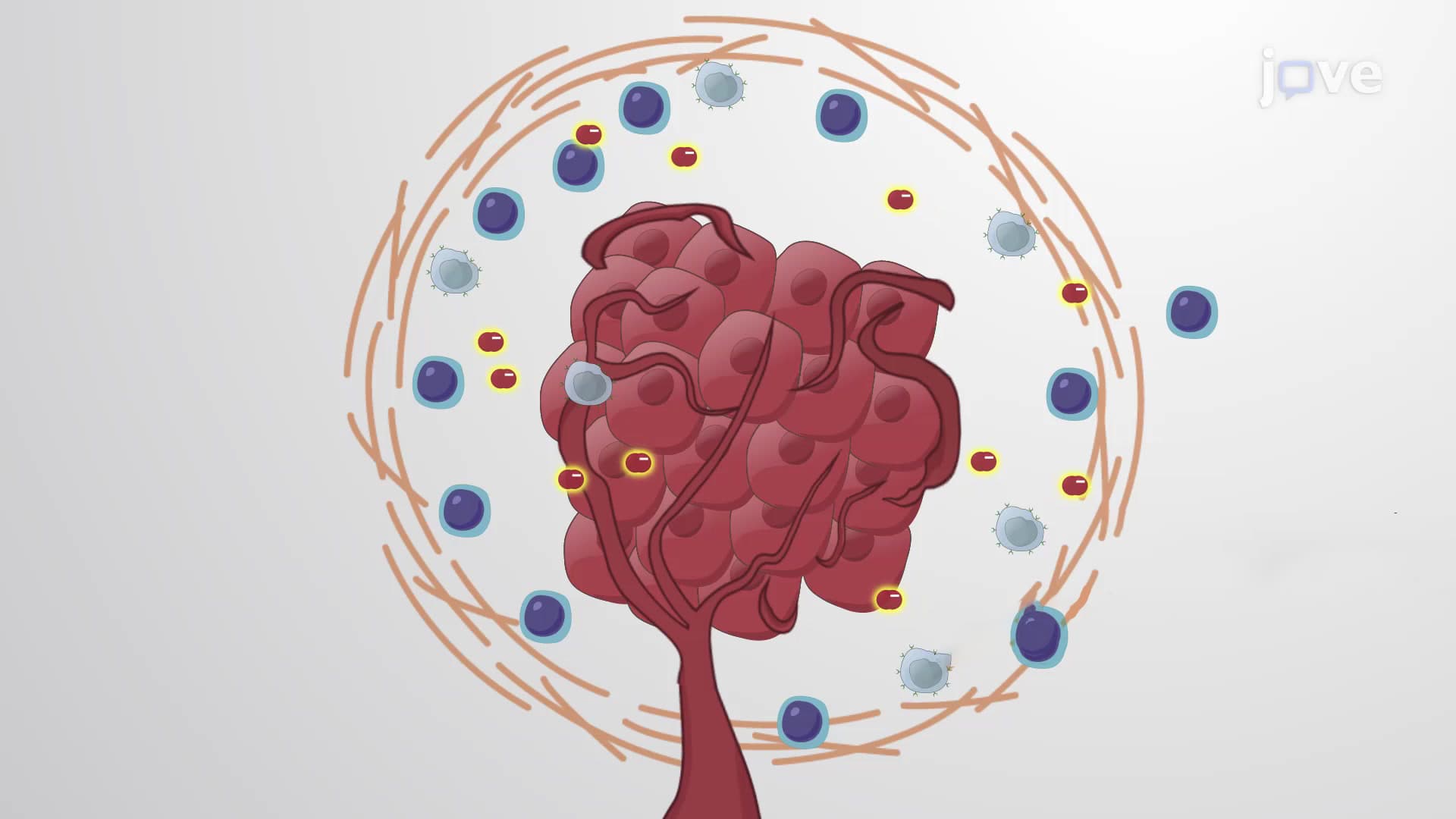
Cancer stem cells represent a revolutionary concept in oncology that fundamentally changed how researchers understand tumor biology. Unlike the traditional view of cancer as uniform malignant cells, modern research reveals tumors contain distinct cellular hierarchies. Cancer stem cells sit at the apex of this hierarchy, possessing both malignant properties and stem cell characteristics that enable indefinite self-renewal and differentiation into multiple cell types.
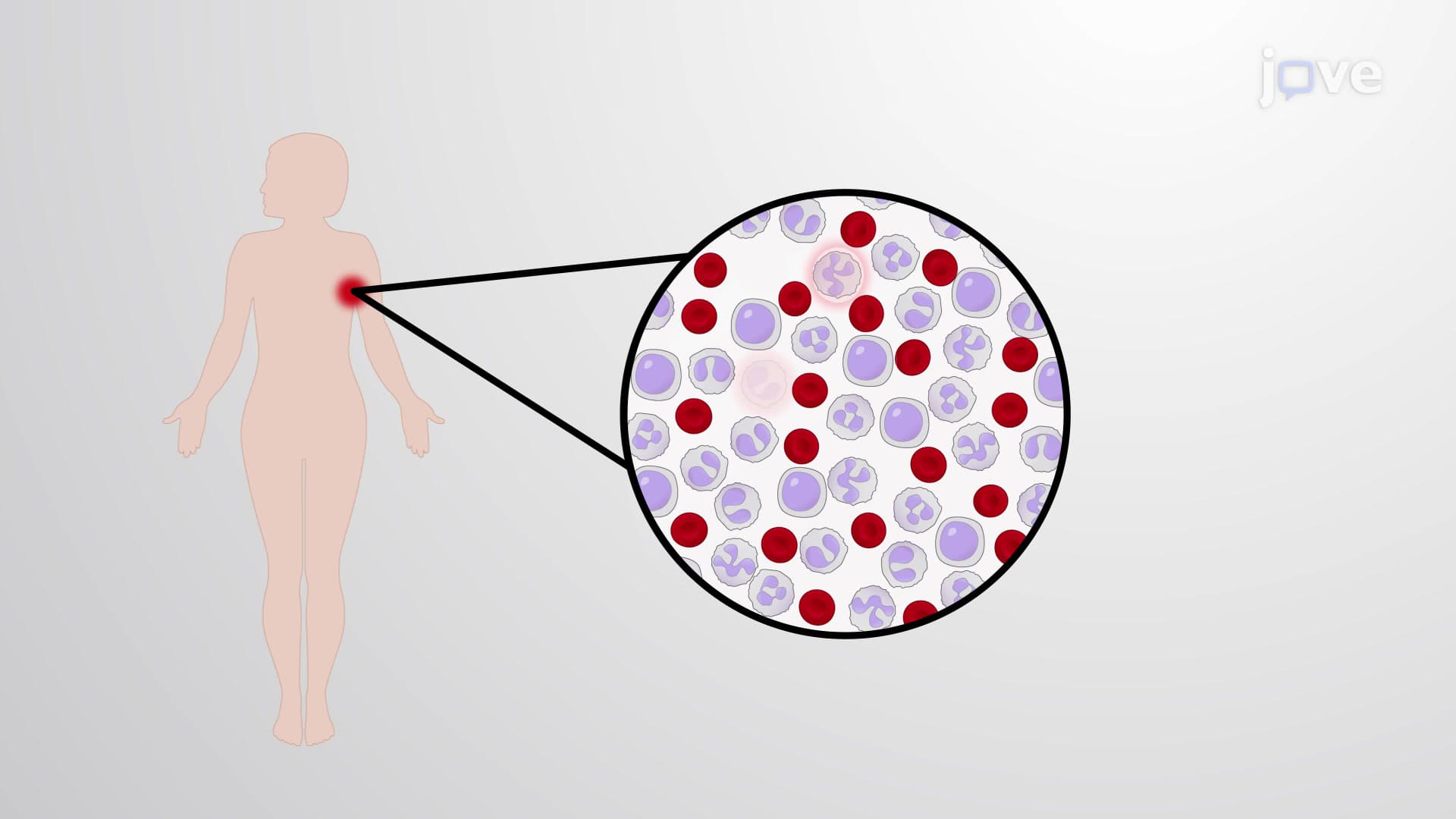
The concept emerged from landmark studies at institutions like Johns Hopkins University and the University of Michigan, where researchers identified small populations of cells capable of regenerating entire tumors. These discoveries explained why traditional chemotherapy often fails-while treatments effectively eliminate rapidly dividing bulk tumor cells, cancer stem cells survive and eventually repopulate the tumor.
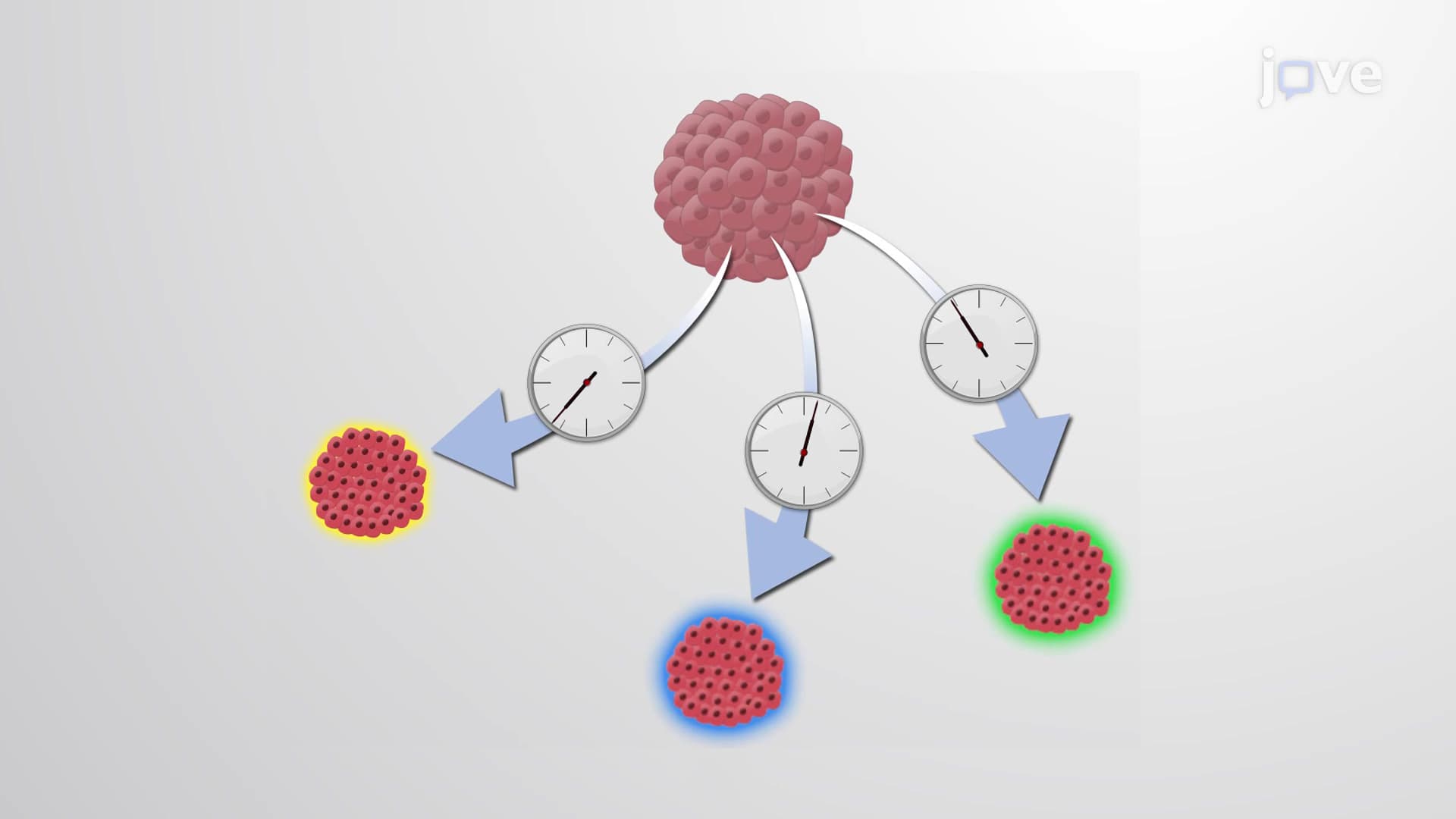
Cancer stem cells maintain tumor populations through asymmetric cell division, a sophisticated biological process where one mother cell produces two functionally different daughter cells. One daughter cell retains stem cell properties and unlimited proliferative potential, while the other becomes a transit-amplifying cell with limited division capacity before terminal differentiation.
This process creates a sustainable tumor ecosystem where a small percentage of cancer stem cells continuously replenish the larger population of proliferating cells. The bulk tumor cells, though numerous and rapidly dividing, eventually undergo senescence or cell death, requiring constant replacement from the stem cell pool. This hierarchy explains tumor resilience and growth sustainability over extended periods.
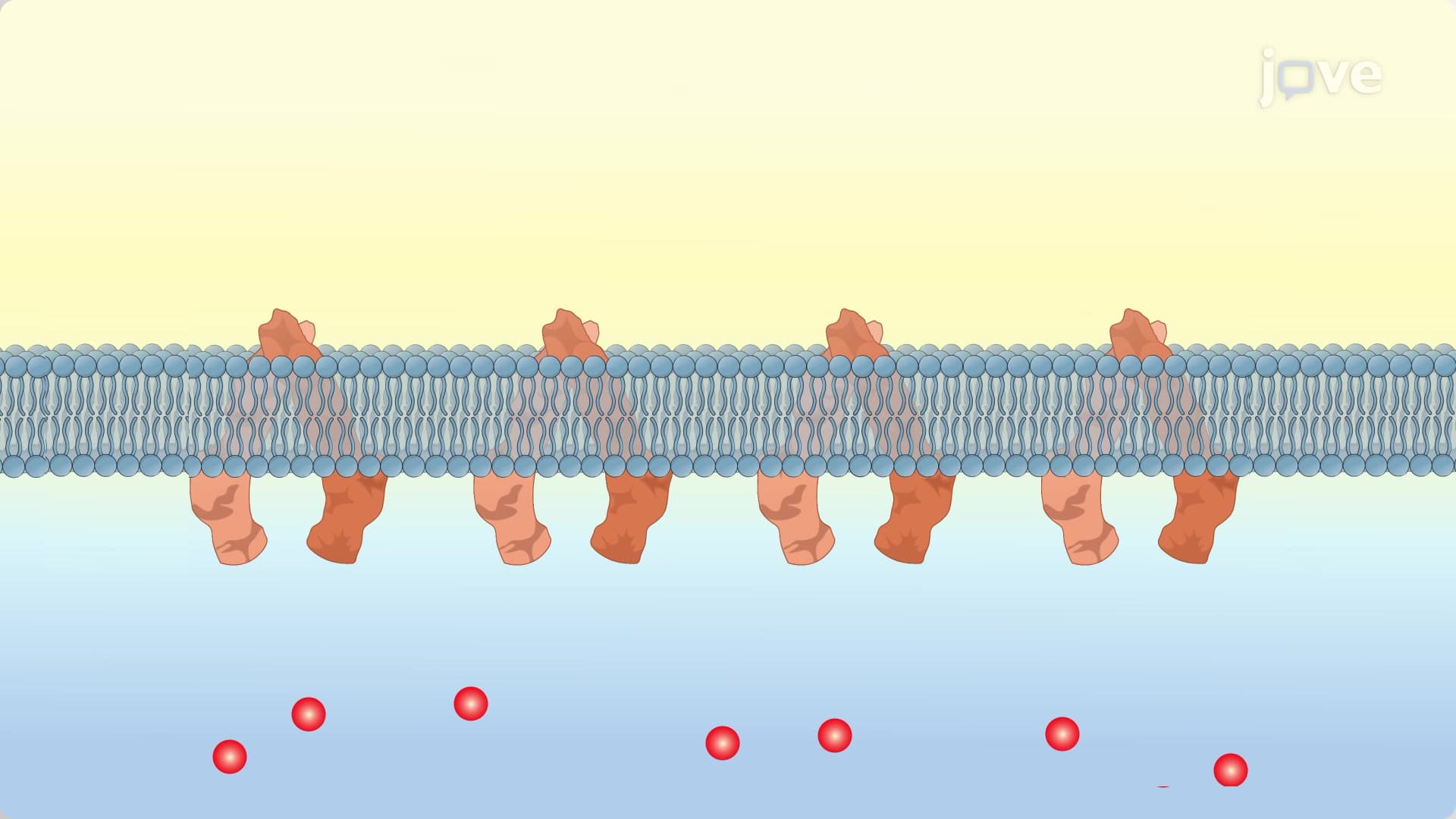
Cancer stem cells employ multiple survival strategies that make them exceptionally resistant to conventional therapies. The overexpression of ATP-binding cassette (ABC) transporters, particularly ABCB1 (P-glycoprotein) and ABCG2 (BCRP), enables these cells to pump out cytotoxic drugs before they can cause cellular damage. This mechanism directly impacts treatments like imatinib mesylate (Gleevec) for chronic myeloid leukemia, where differentiated cells respond well while cancer stem cells survive.
Additionally, cancer stem cells demonstrate enhanced DNA repair capabilities, increased expression of anti-apoptotic proteins, and elevated detoxification enzyme activity. These mechanisms collectively create a nearly impenetrable defensive system against standard oncological approaches, necessitating novel therapeutic strategies targeting stem cell-specific pathways.
Understanding cancer stem cells has profound implications for clinical practice and patient outcomes. Current research at major cancer centers like Memorial Sloan Kettering and Mayo Clinic focuses on developing combination therapies that simultaneously target both bulk tumor cells and cancer stem cells. These approaches may include stem cell pathway inhibitors, differentiation therapy, and immunotherapeutic strategies designed to overcome traditional resistance mechanisms.
For students preparing for advanced coursework or medical school entrance exams like the MCAT, this concept frequently appears in cellular biology and oncology sections. The hierarchical model of cancer provides essential context for understanding modern precision medicine approaches and explains why cancer remains one of medicine's greatest challenges despite decades of therapeutic advances.
Related Micro-courses