Loading subject page…


146,122 views


Video Summary: Combination Therapies and Personalized Medicine Explained
Why do single cancer drugs often fail while combination approaches succeed? Combination therapies and personalized medicine represent a revolutionary shift from one-size-fits-all treatments to targeted, multi-pathway approaches. At MD Anderson Cancer Center in Houston, doctors now use genetic testing to select specific drug combinations for each patient's unique cancer profile. This precision approach dramatically improves treatment outcomes while reducing harmful side effects. Watch the full video on JoVE Coach to master this concept with expert-led visuals and step-by-step explanations.
The landscape of cancer treatment has evolved dramatically from broad-spectrum chemotherapy to sophisticated, targeted approaches. Combination therapies and personalized medicine represent the cutting edge of oncological care, addressing cancer's fundamental challenge: its ability to adapt and resist treatment.
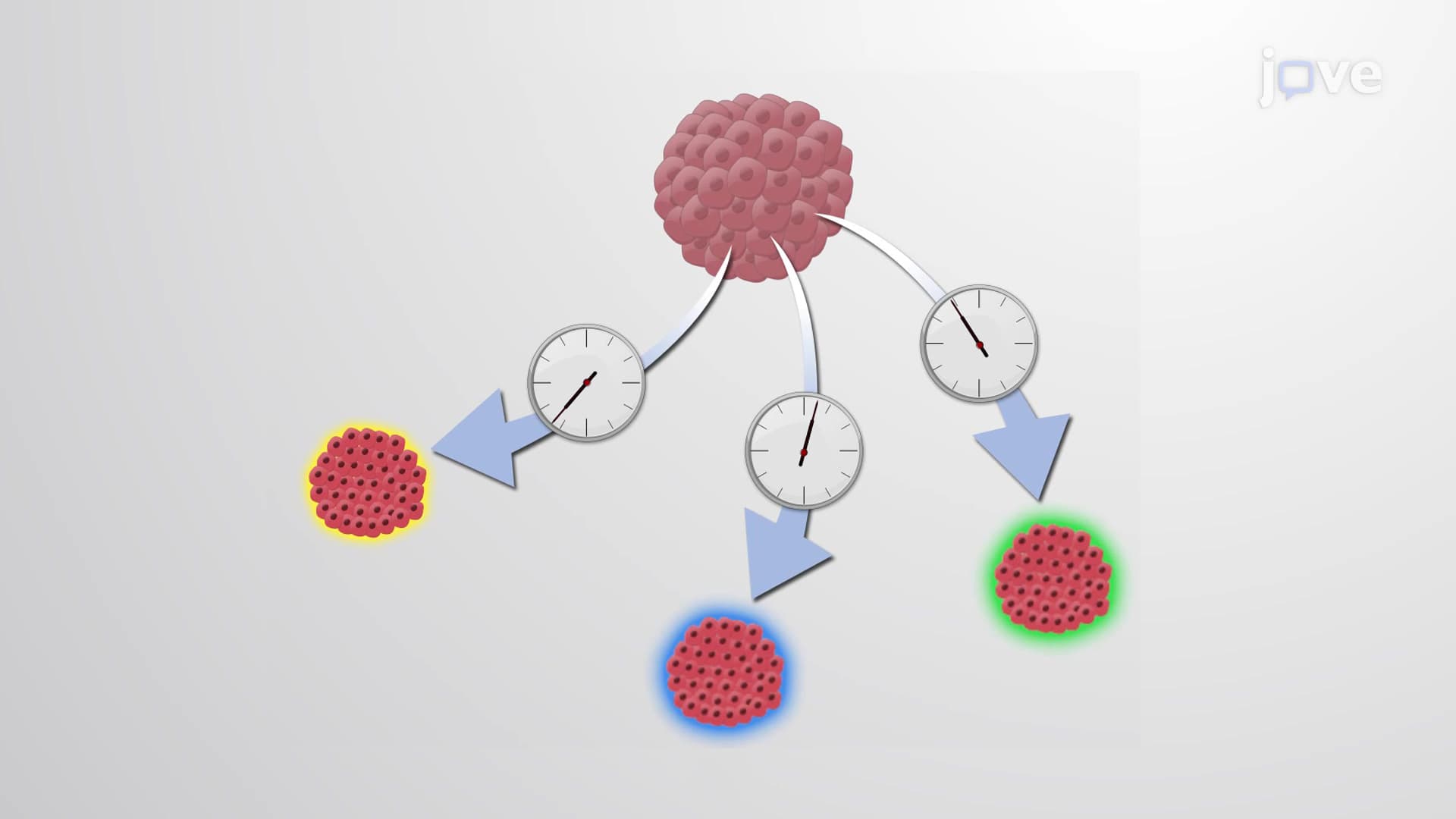
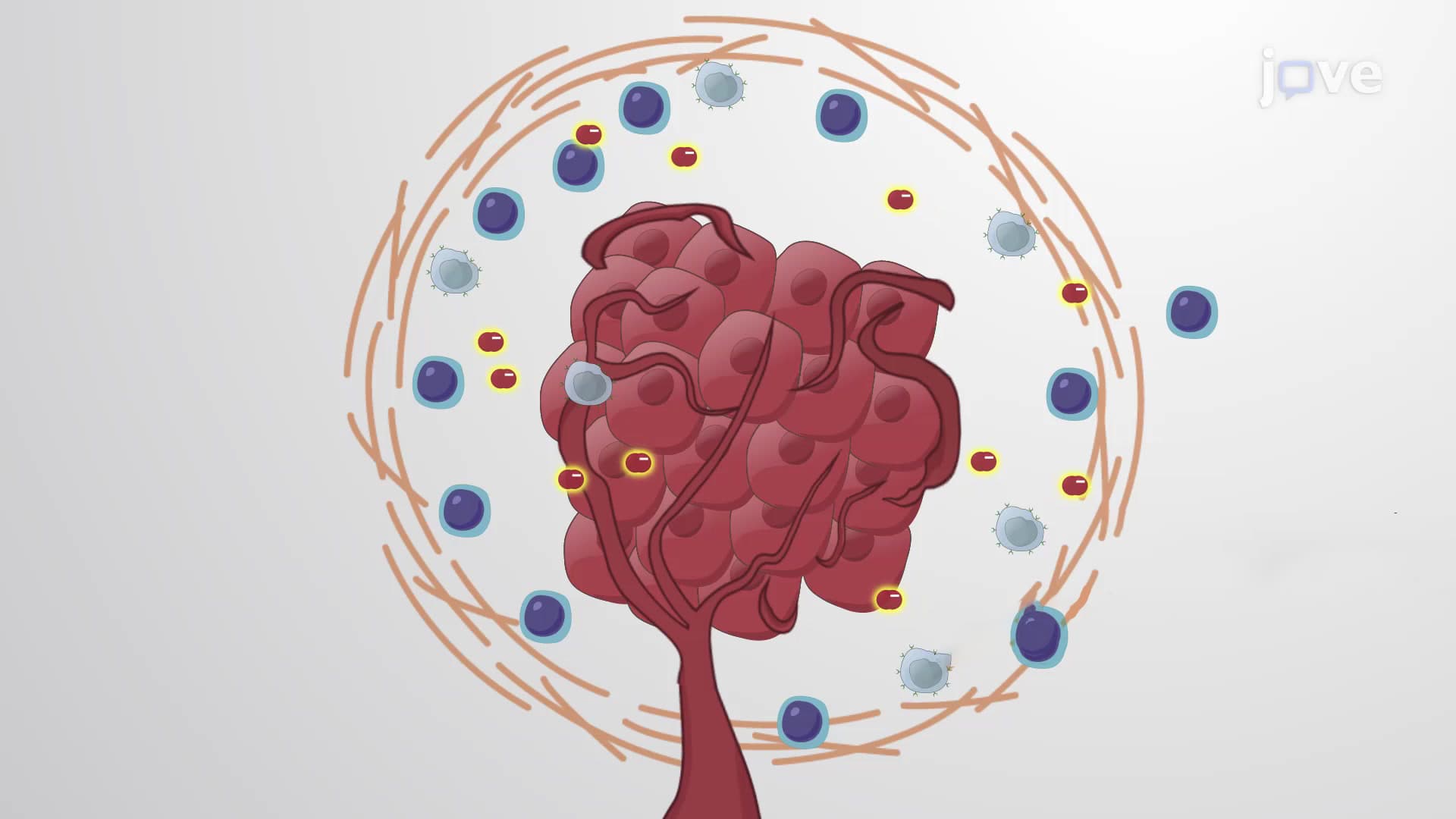
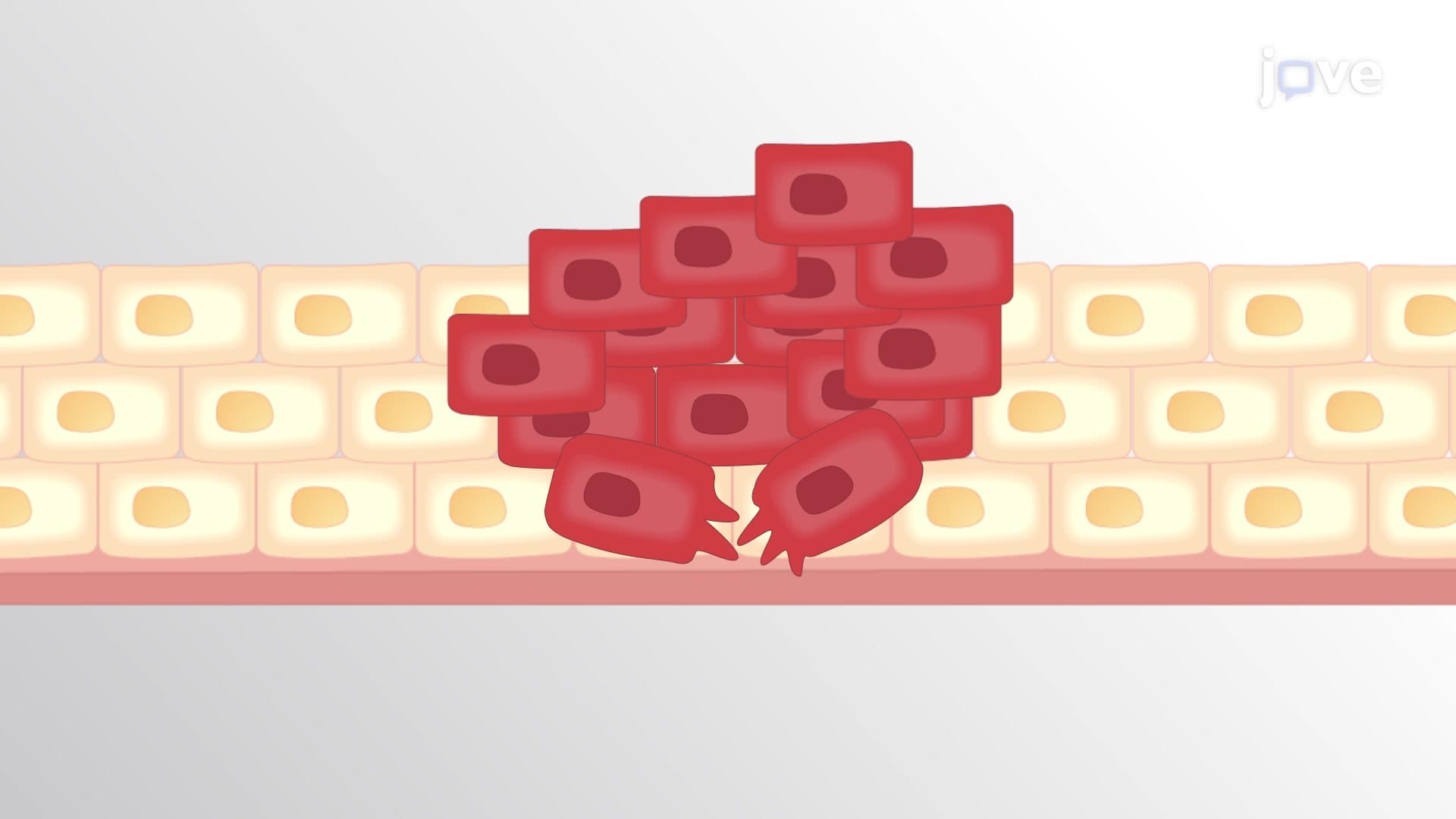
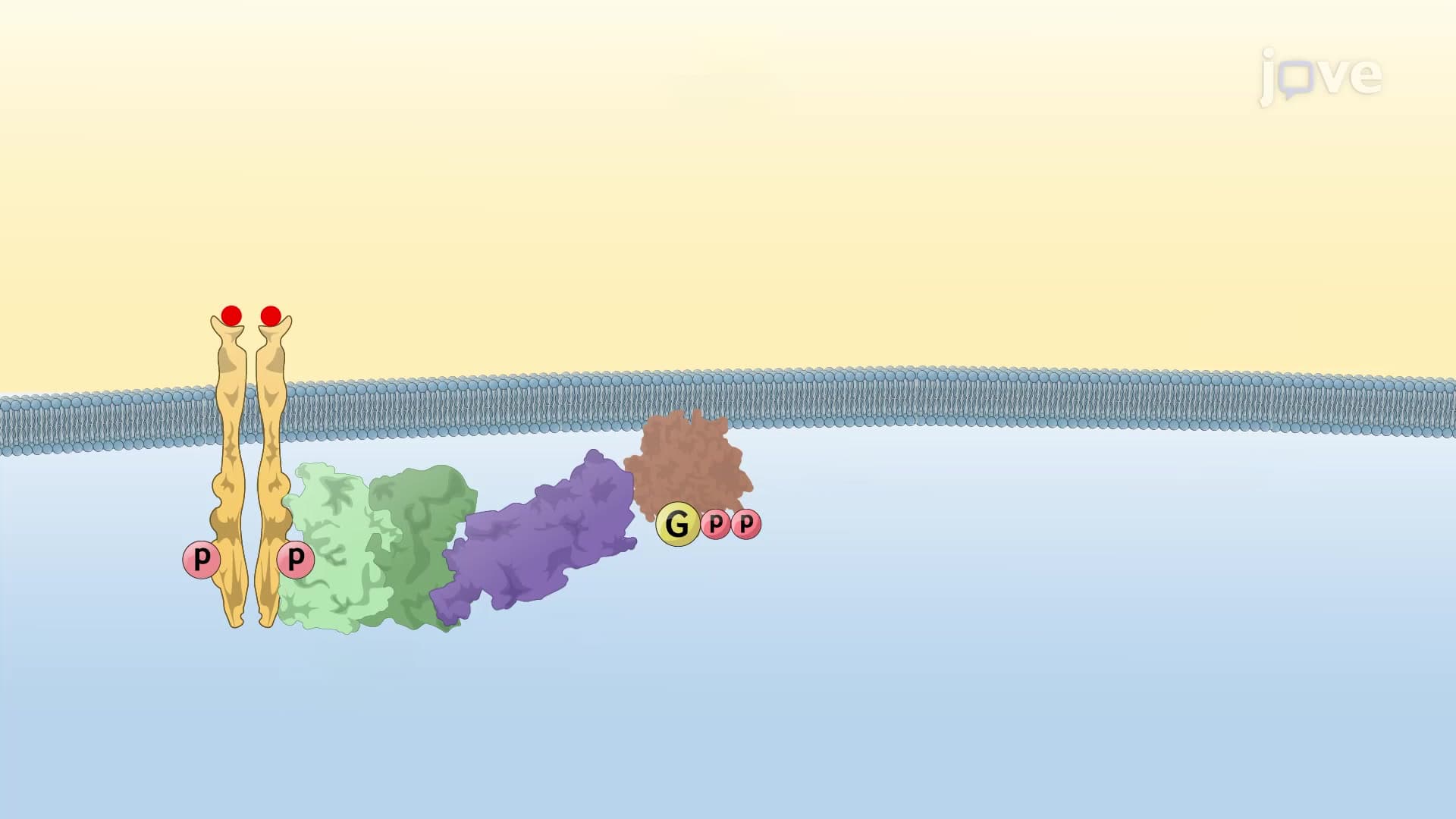
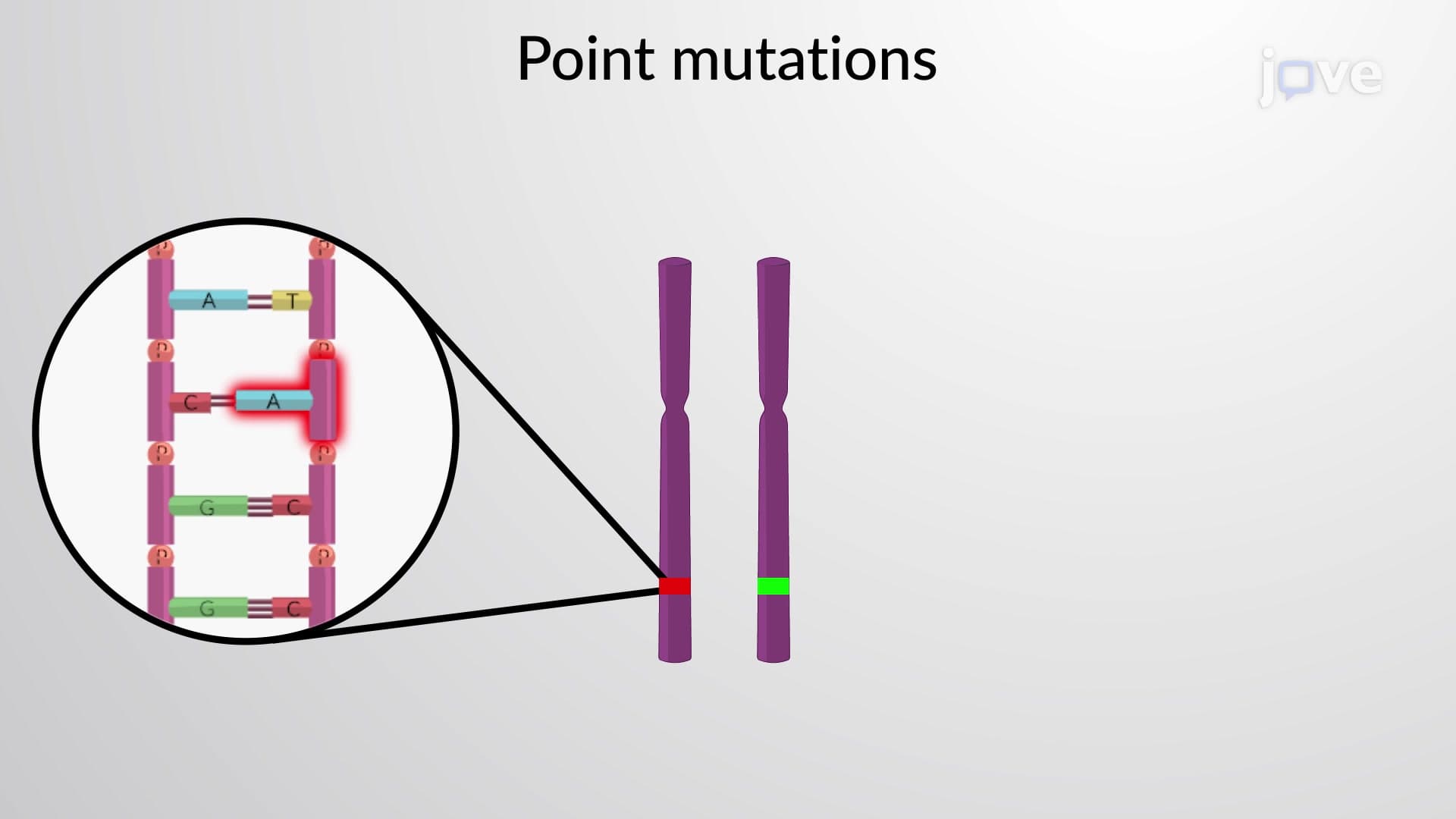
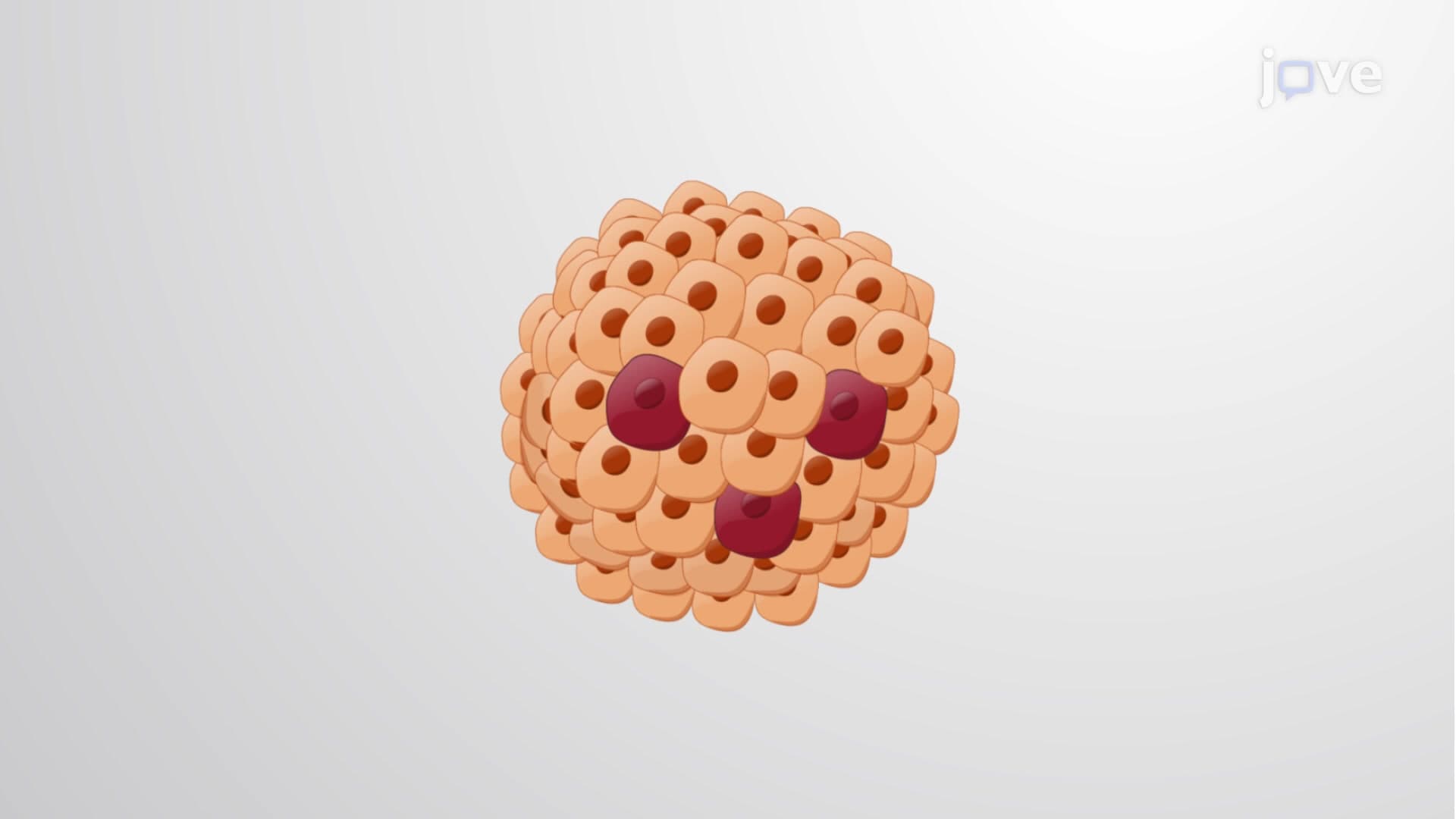
Traditional cancer therapy relied on single agents that target one specific pathway. However, cancer cells are remarkably adaptable, quickly developing resistance through genetic mutations, altered protein expression, or enhanced drug efflux mechanisms. This resistance emerges because cancer involves multiple dysregulated pathways working in concert. When one pathway is blocked, alternative routes often compensate, allowing tumor growth to continue.
Combination therapy attacks this problem by simultaneously targeting different cellular pathways and enzymes. This multi-pronged approach creates a synergistic effect where the combined impact exceeds the sum of individual drug effects. For instance, at Memorial Sloan Kettering Cancer Center, oncologists routinely combine immunotherapy agents like pembrolizumab with chemotherapy drugs, achieving response rates significantly higher than either treatment alone.
The synergistic mechanism also allows for dose reduction of individual components while maintaining or enhancing therapeutic efficacy. Lower doses mean fewer side effects for patients while preserving treatment effectiveness. This principle appears frequently in AP Biology courses when discussing enzyme inhibition and metabolic pathway regulation.
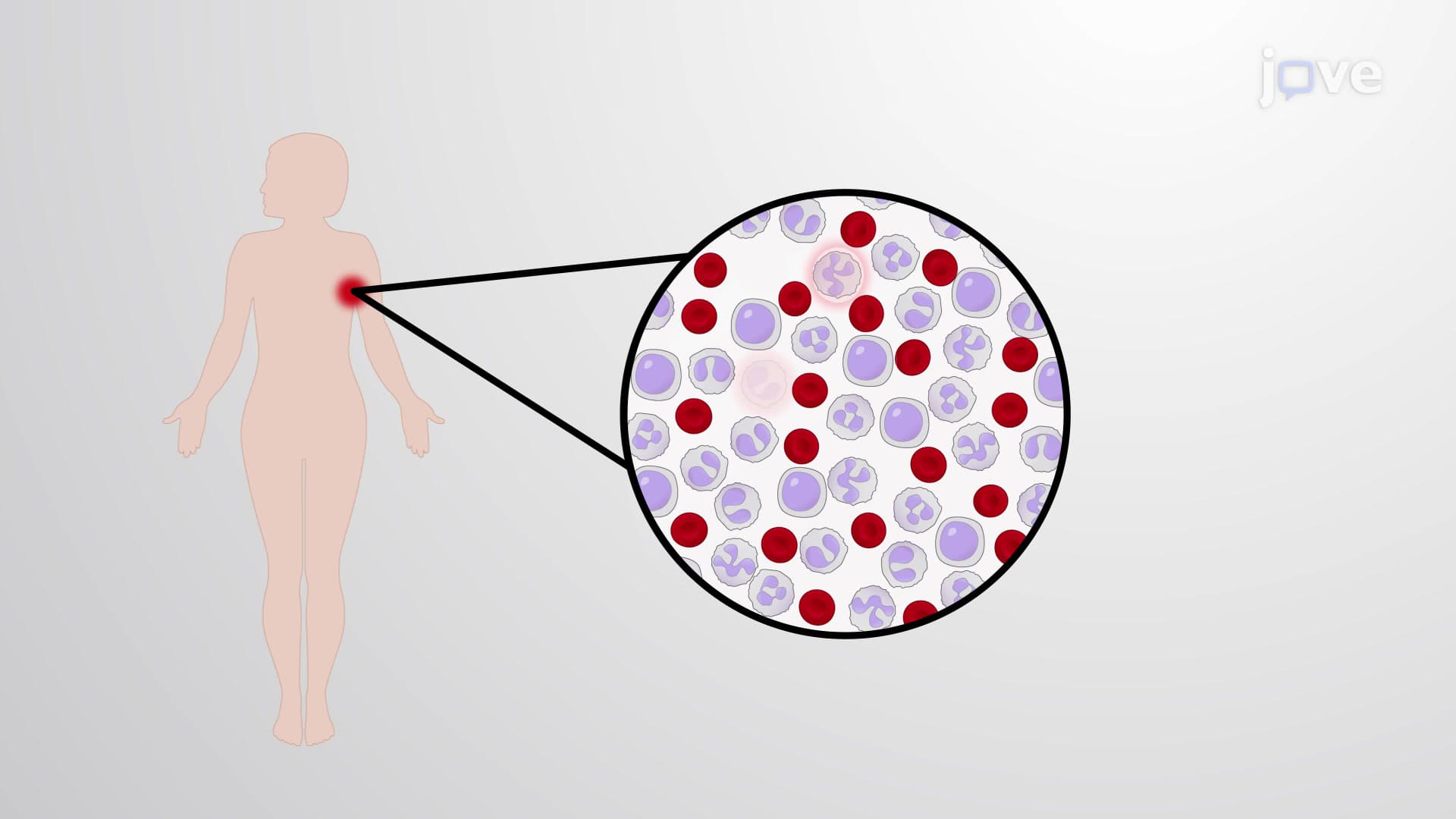
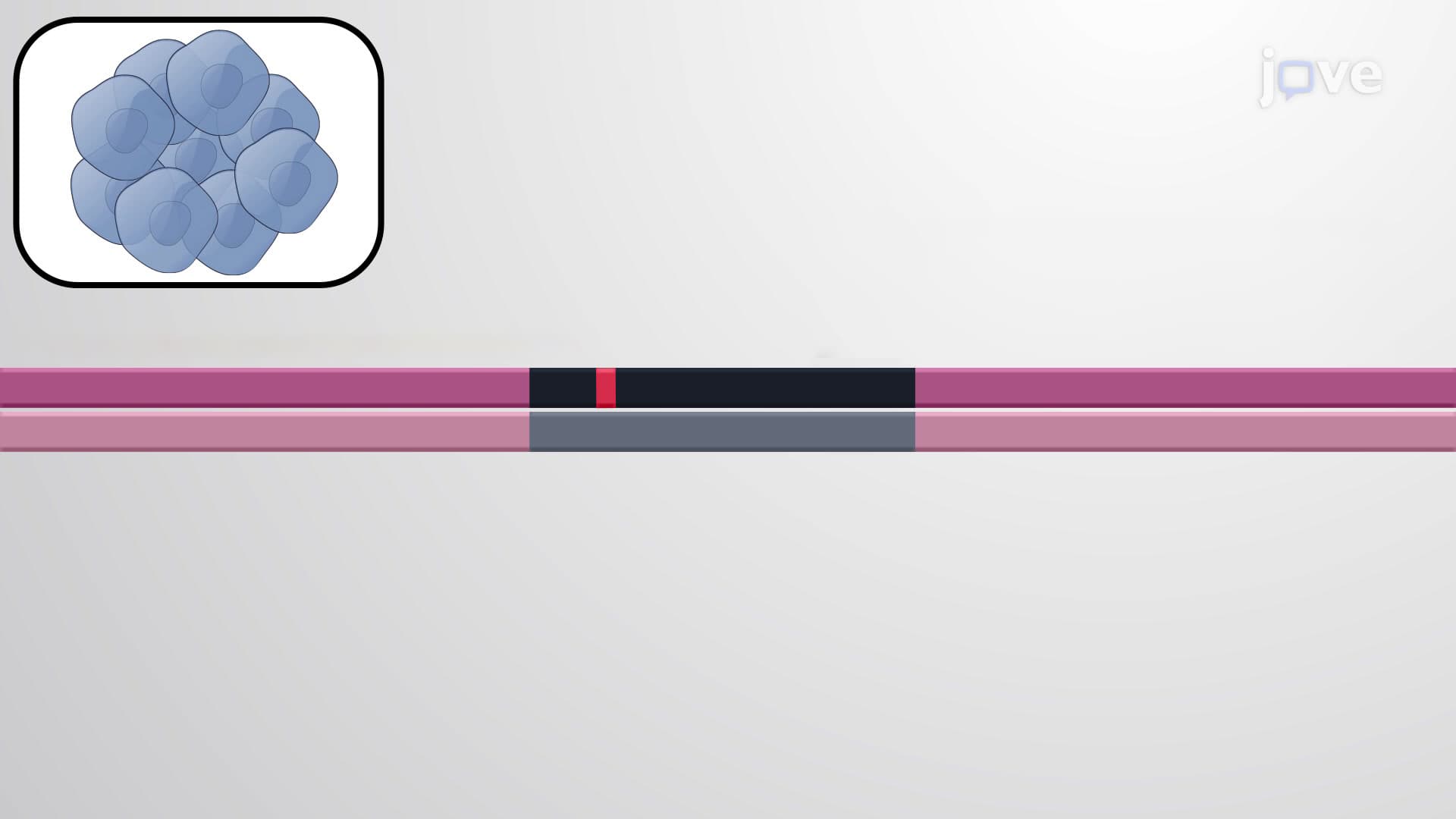
Personalized medicine takes combination therapy further by tailoring treatment selection to individual genetic profiles. The Philadelphia chromosome, found in 15-20% of leukemia cases, exemplifies this approach. This chromosomal abnormality creates the BCR-ABL1 fusion protein, driving uncontrolled cell proliferation. Targeted therapy with imatinib (Gleevec) specifically inhibits this fusion protein, transforming a once-fatal disease into a manageable chronic condition.
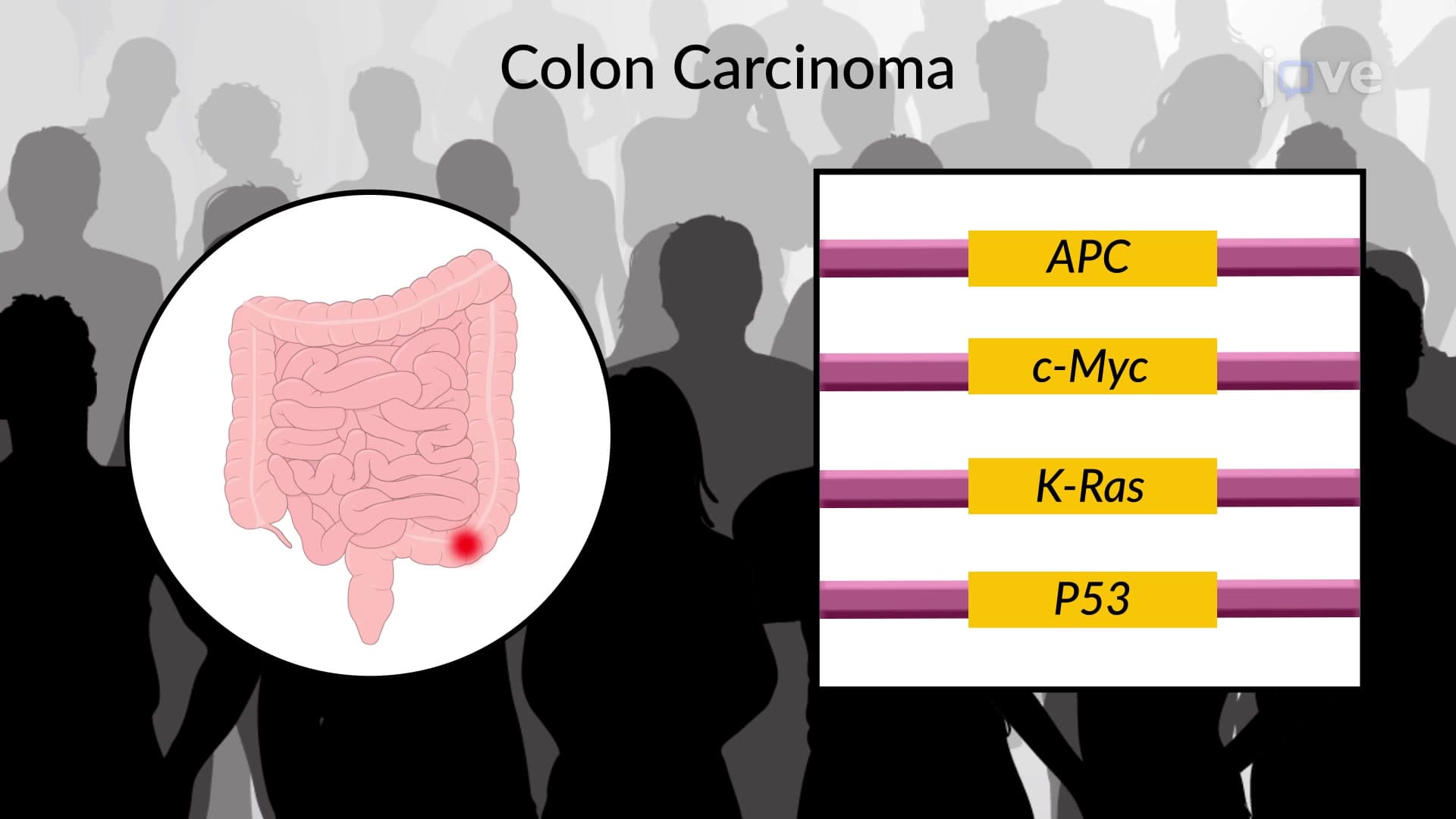
Modern precision oncology, as practiced at institutions like Dana-Farber Cancer Institute, begins with comprehensive genetic sequencing. Tumor DNA analysis reveals specific mutations, guiding selection of targeted therapies most likely to succeed for that individual patient. This approach appears in college-level genetics courses and is increasingly relevant for pre-med students preparing for the MCAT's biological sciences section.
Today's personalized combination therapies integrate multiple data sources: tumor genetics, patient pharmacogenomics, biomarker expression, and treatment history. Machine learning algorithms help oncologists predict optimal drug combinations and dosing schedules. This computational approach to medicine reflects broader trends in healthcare digitization and appears in both AP Computer Science and AP Biology curricula as an interdisciplinary application.
Related Micro-courses