Loading subject page…


146,122 views

Video Summary: Loss of Tumor Suppressor Gene Functions Explained
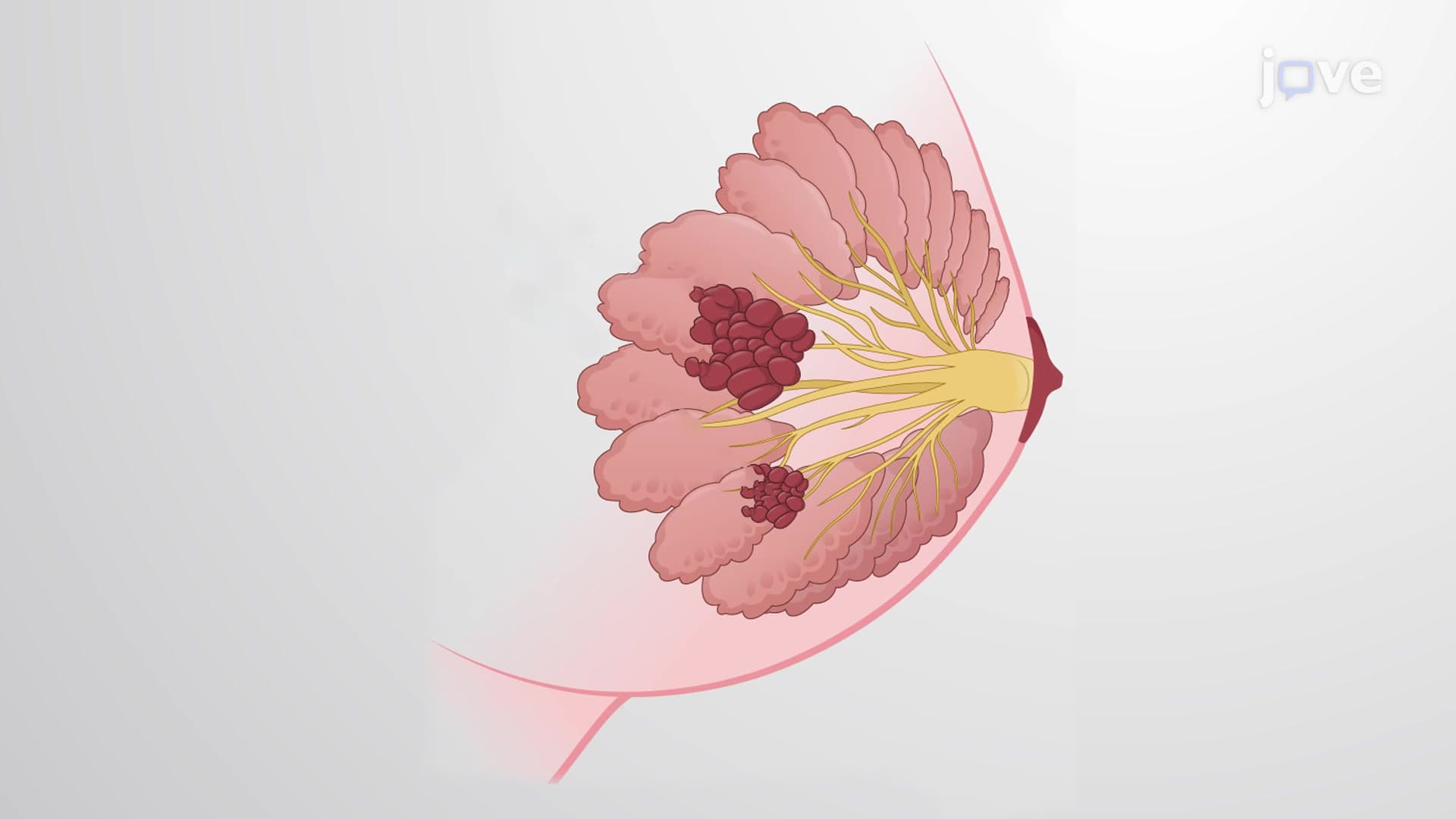
Did you know that losing certain genes can actually cause cancer? The loss of tumor suppressor gene functions occurs when cells lose their natural "brakes" that prevent uncontrolled growth, leading to malignant transformation. Consider how BRCA1 mutations dramatically increase breast cancer risk in American women-this exemplifies how tumor suppressor gene dysfunction drives cancer development. Understanding Loss of Tumor Suppressor Gene Functions Explained reveals why both gene copies must typically fail before cancer emerges. Watch the full video on JoVE Coach to master this concept with expert-led visuals and step-by-step explanations.
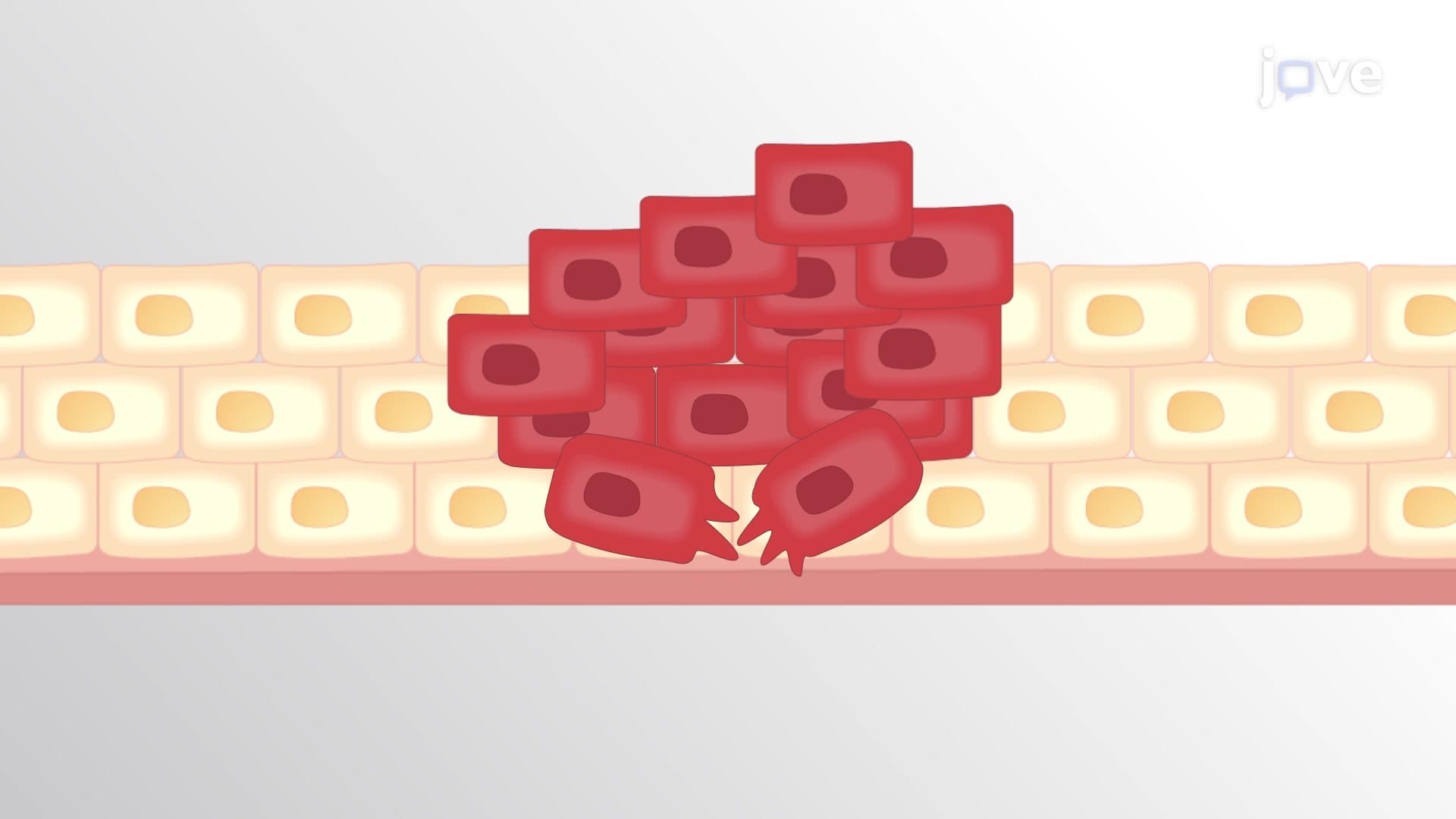
Tumor suppressor genes serve as the cellular equivalent of emergency brakes, preventing normal cells from becoming cancerous. The loss of tumor suppressor gene functions represents a fundamental mechanism in cancer biology, where cells lose their ability to regulate growth, respond to DNA damage, and undergo programmed cell death when necessary.
Alfred Knudson's groundbreaking research revealed why most tumor suppressor genes follow a recessive pattern-both alleles must be inactivated for cancer to develop. This loss of tumor suppressor gene functions concept explains why individuals inheriting one defective copy (like BRCA1 carriers) have increased cancer risk but don't automatically develop tumors.
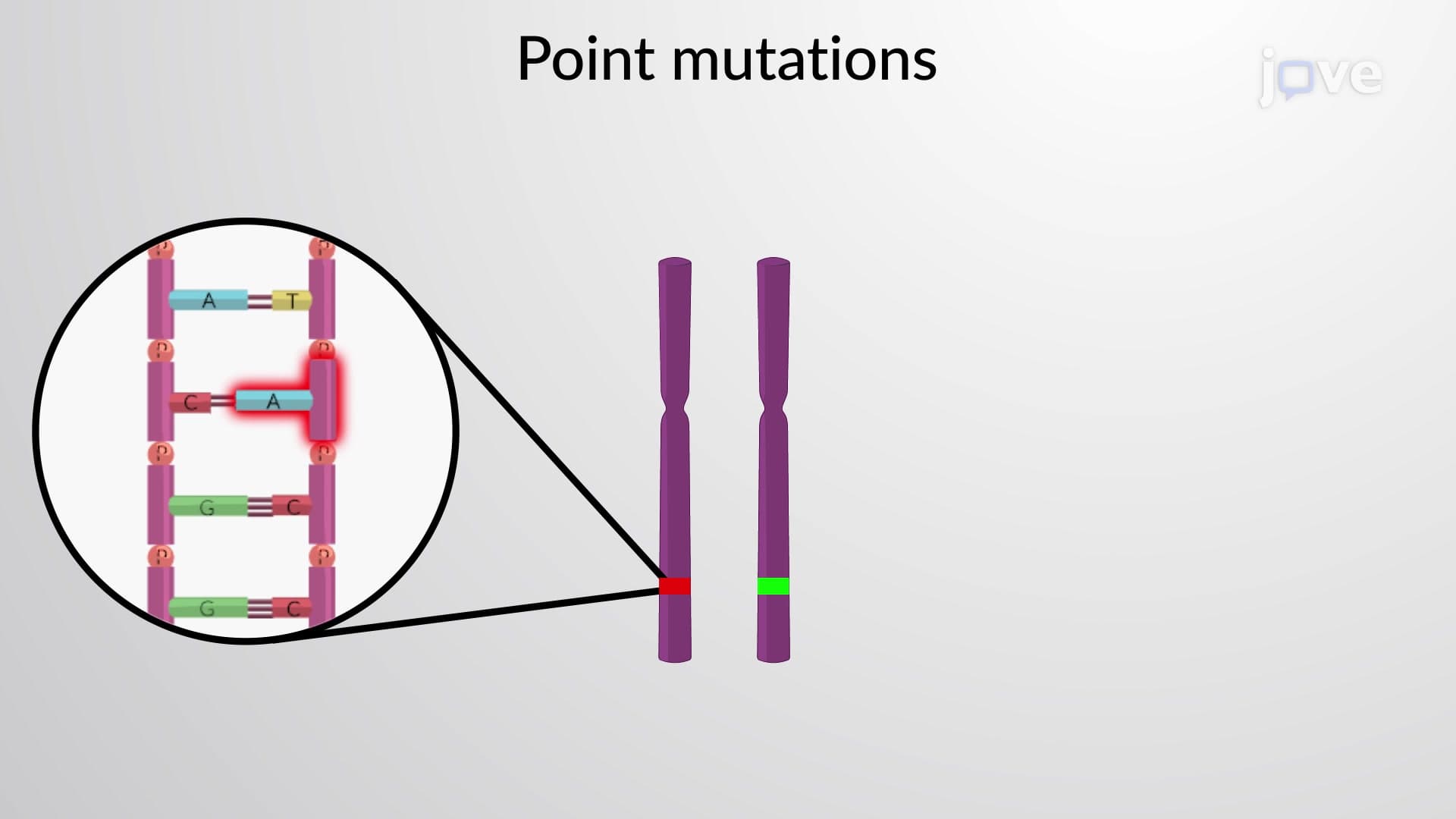
Multiple genetic alterations can cause this dysfunction. Point mutations may create premature stop codons, rendering proteins non-functional. Chromosomal deletions can remove entire gene segments, while errors during mitosis may result in loss of heterozygosity-where cells lose the remaining functional allele. These mechanisms are frequently tested on the MCAT and appear in AP Biology exam questions focusing on cancer biology.
Beyond DNA sequence changes, epigenetic modifications can permanently silence tumor suppressor genes. Hypermethylation of CpG islands in promoter regions prevents transcription factors from accessing genes, effectively shutting down expression. Similarly, when genes become packaged into heterochromatin-tightly condensed, transcriptionally inactive DNA-they remain silenced through subsequent cell divisions.
The MLH1 gene in colorectal cancer exemplifies this process. Promoter hypermethylation inactivates this DNA mismatch repair gene in approximately 15% of colorectal cancers, demonstrating how epigenetic changes contribute to the loss of tumor suppressor gene functions without altering the underlying DNA sequence.
Understanding these mechanisms has revolutionized cancer screening and treatment in the United States. Genetic testing for BRCA1/BRCA2 mutations helps identify high-risk individuals, while drugs like PARP inhibitors specifically target cancer cells with defective DNA repair pathways. The concept frequently appears in USMLE Step 1 questions and college-level molecular biology courses, emphasizing its clinical relevance for future healthcare professionals.
Related Micro-courses