Loading video…


 21 Concepts
 146.1K views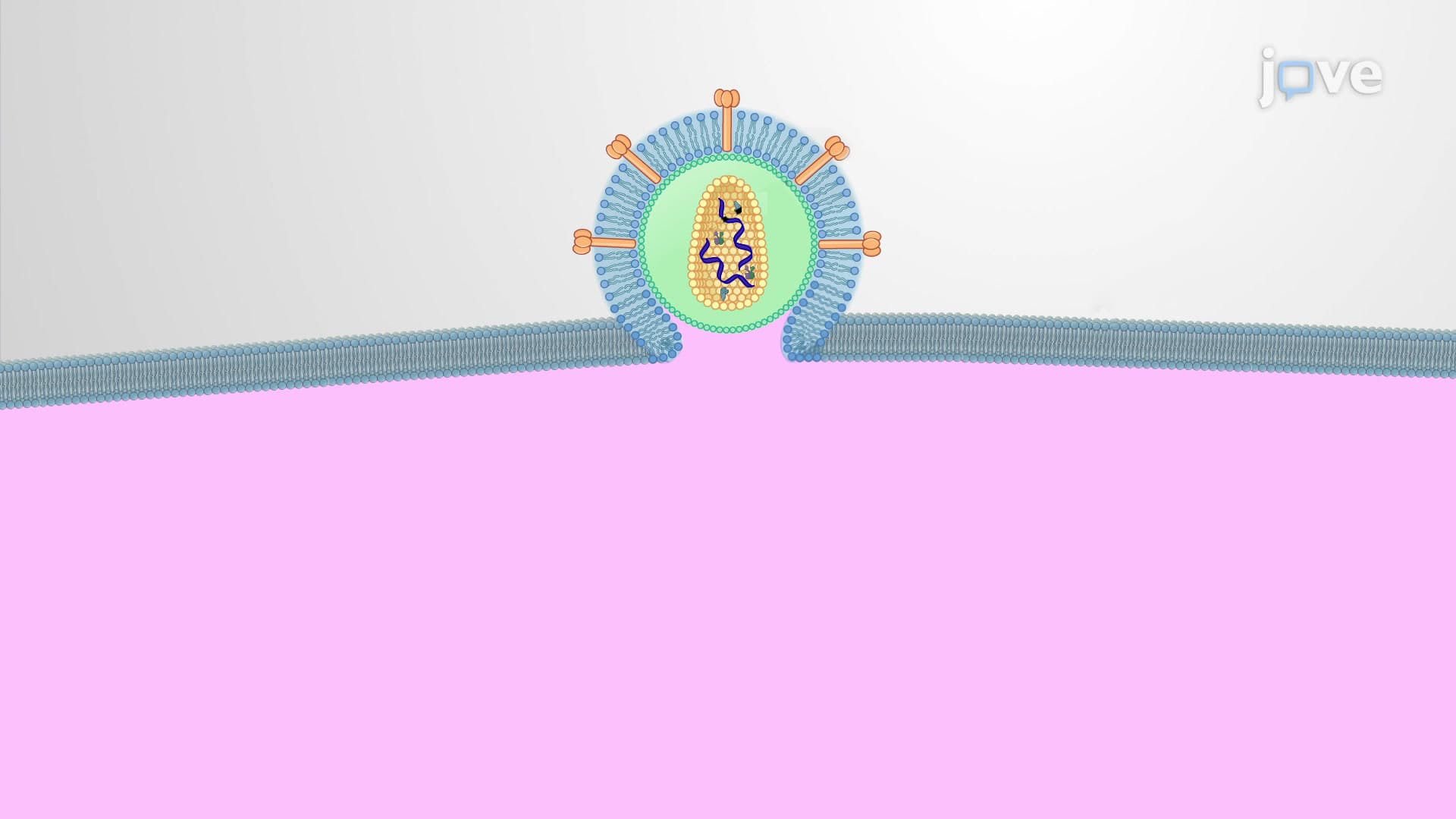

Video Summary: Mechanisms of Retrovirus Induced Cancers Explained
Did you know that HIV, the virus causing AIDS, belongs to the same family as viruses that directly trigger cancer? The mechanisms of retrovirus induced cancers reveal how these RNA viruses hijack cellular machinery to transform healthy cells into malignant ones. Human T-lymphotropic virus type 1 (HTLV-1), discovered in the United States, causes adult T-cell leukemia through precise molecular mechanisms. Watch the full video on JoVE Coach to master this concept with expert-led visuals and step-by-step explanations.
Retroviruses represent one of nature's most insidious cancer-causing agents, employing sophisticated molecular mechanisms to transform healthy cells into malignant tumors. Unlike other cancer-causing factors, these RNA viruses permanently alter the host cell's genetic blueprint, making their oncogenic effects particularly devastating and long-lasting.
The journey from viral infection to cancer begins when retroviruses inject their genetic material into susceptible host cells. The viral core, containing single-stranded RNA genome and essential enzymes, disassembles within the cytoplasm. Reverse transcriptase, a unique viral enzyme absent in normal human cells, converts the RNA genome into complementary DNA (cDNA). This process violates the central dogma of molecular biology, which typically describes information flow from DNA to RNA to protein.
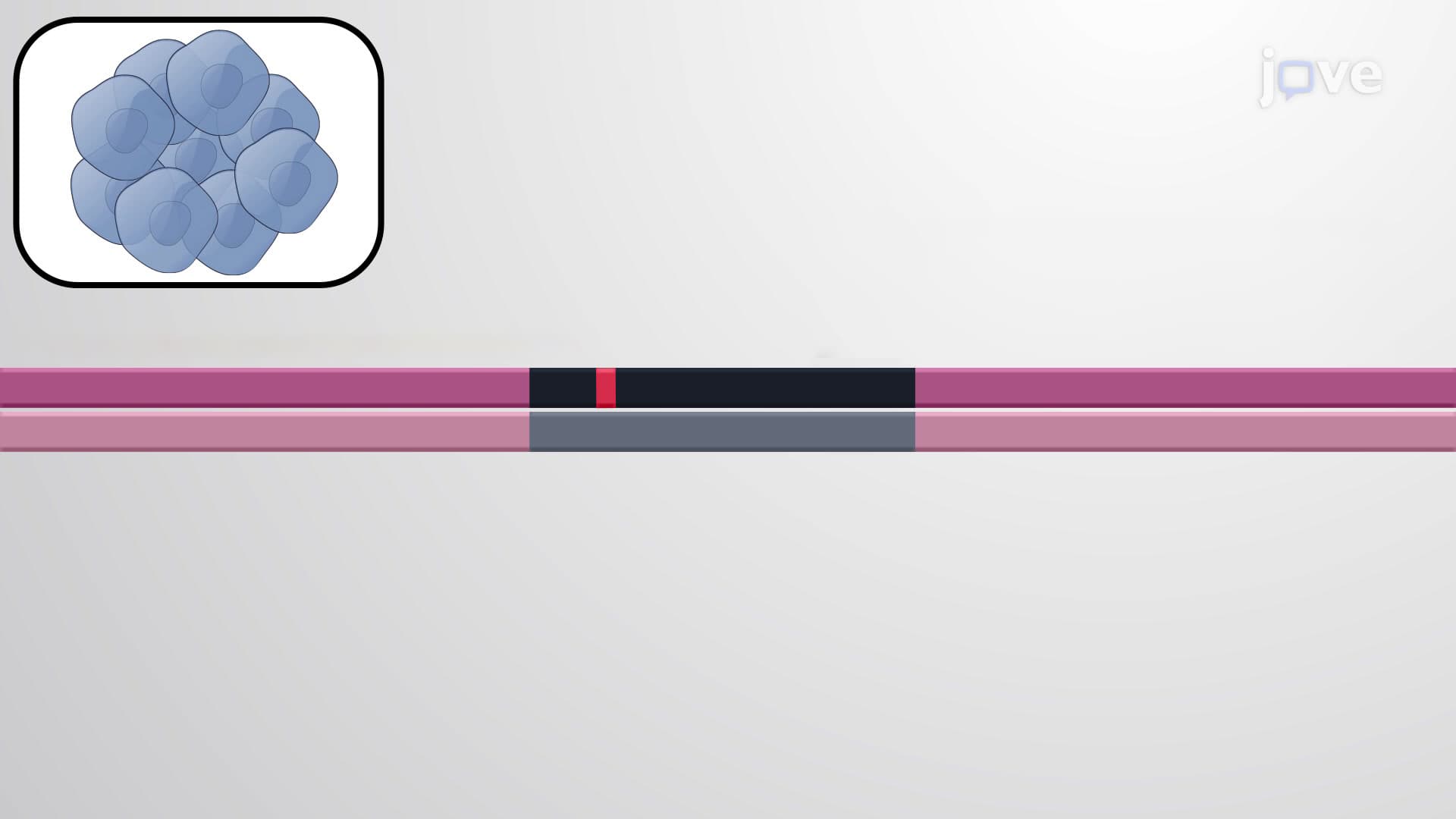
The newly synthesized cDNA undergoes replication to form double-stranded DNA, which migrates to the nucleus alongside integrase enzyme. Integrase catalyzes the insertion of viral DNA (now called provirus) directly into the host chromosome. This integration occurs randomly throughout the genome, making the cellular consequences unpredictable but potentially catastrophic.
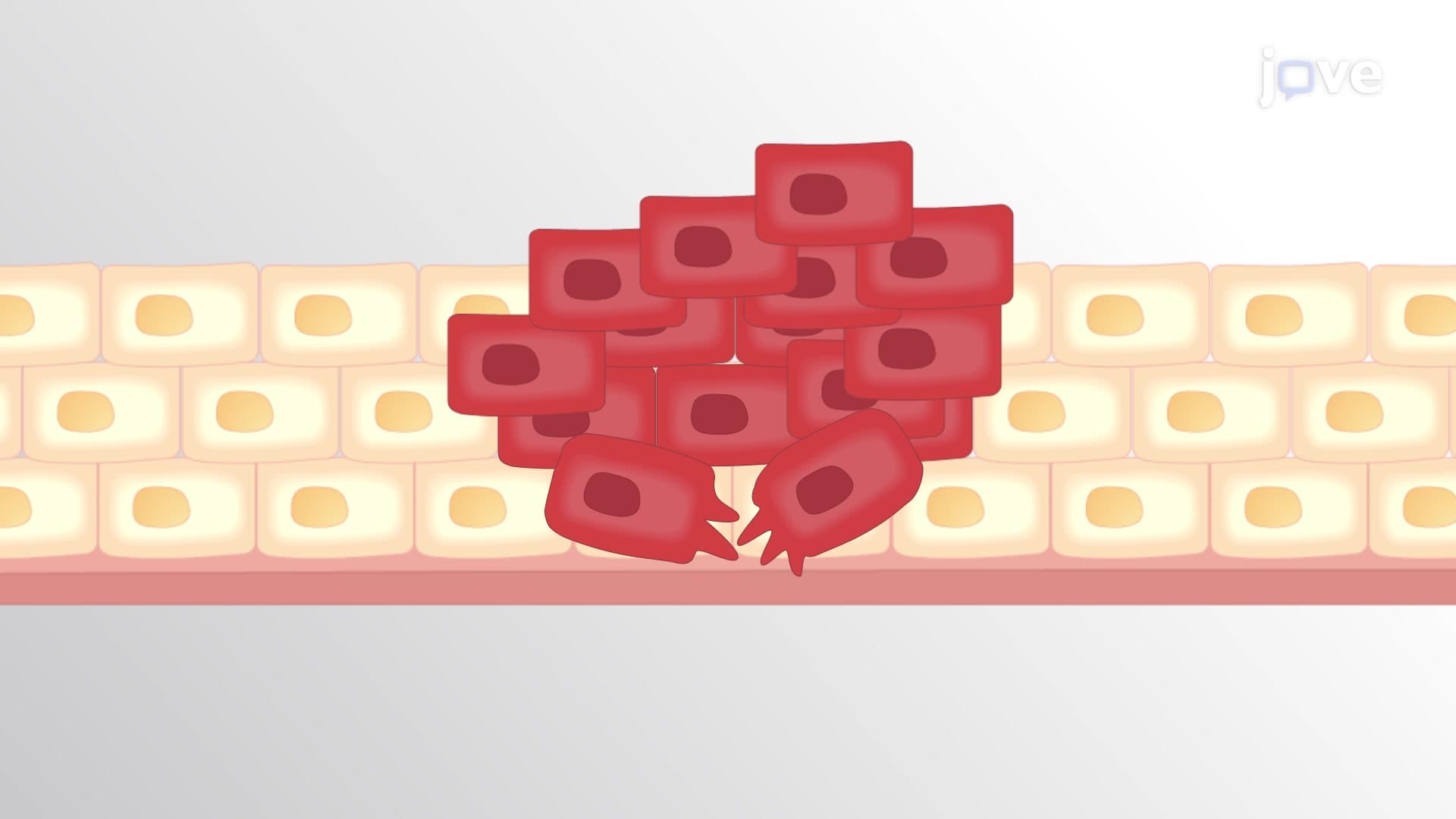
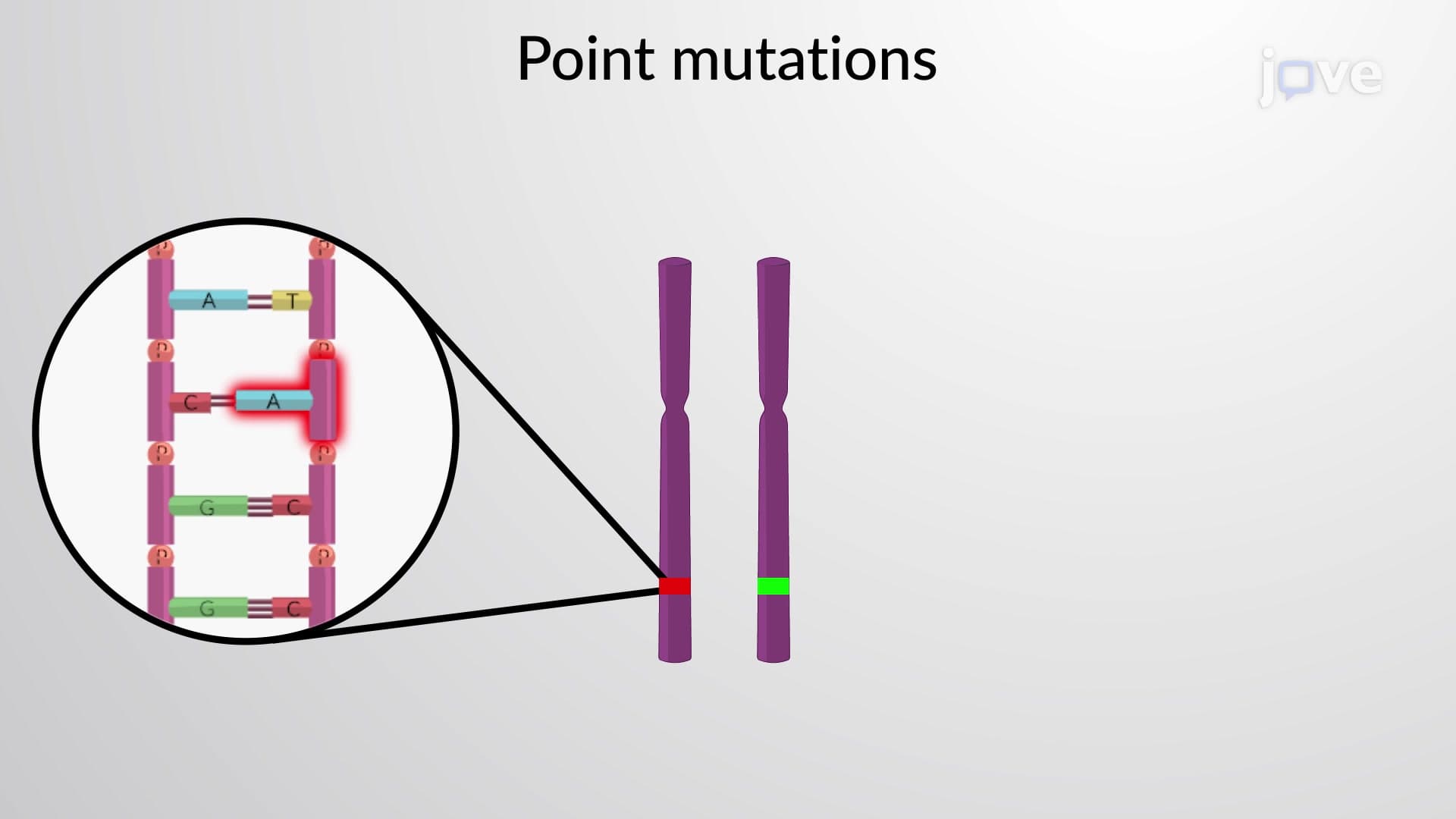
Insertional mutagenesis occurs when proviral integration disrupts tumor suppressor genes or activates proto-oncogenes. The viral promoter and enhancer sequences can inappropriately activate nearby cellular genes, leading to uncontrolled cell division. For instance, when HTLV-1 integrates near the c-myc oncogene, it drives excessive cell proliferation characteristic of T-cell leukemia.
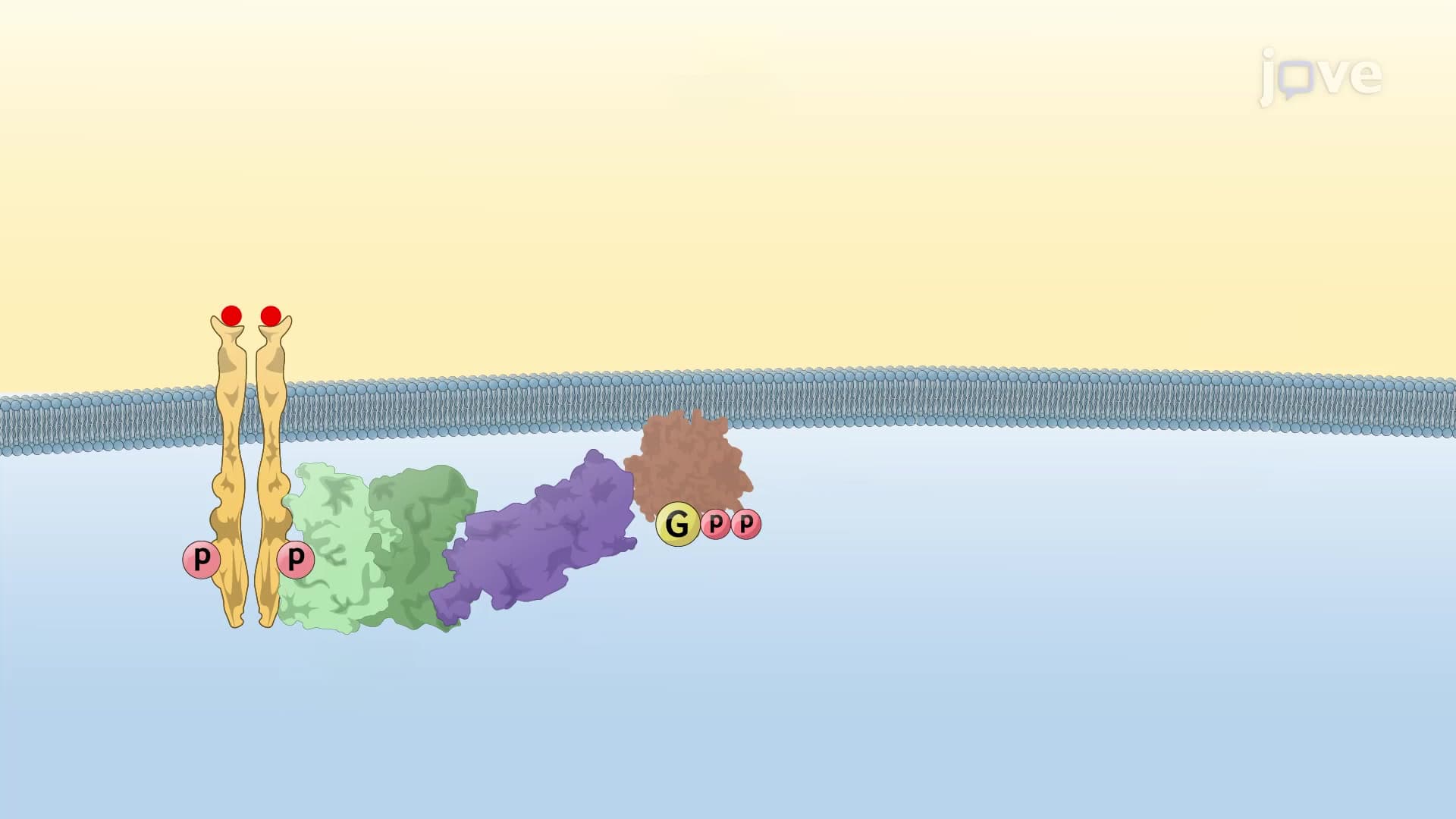
Viral oncoproteins represent another cancer-causing mechanism. Some retroviruses carry additional genes encoding proteins that directly interfere with cellular growth control. These viral proteins can bind to and inactivate tumor suppressor proteins like p53, essentially removing the cell's "brakes" on division.
Transactivation involves viral regulatory proteins that enhance the expression of cellular oncogenes without directly binding DNA. HTLV-1's Tax protein exemplifies this mechanism, activating numerous cellular pathways simultaneously and creating a pro-growth cellular environment.
Understanding retroviral oncogenesis proves crucial for MCAT preparation, particularly in virology and oncology sections. AP Biology students encounter these concepts when studying gene regulation and viral replication cycles. Medical students must grasp these mechanisms to understand diseases like adult T-cell leukemia/lymphoma (ATL) caused by HTLV-1, which affects approximately 20 million people worldwide, with endemic areas in the southeastern United States, particularly among certain populations in Louisiana and Florida.
Related Micro-courses