Loading subject page…


146,122 views


Video Summary: Mtor Signaling and Cancer Progression Explained
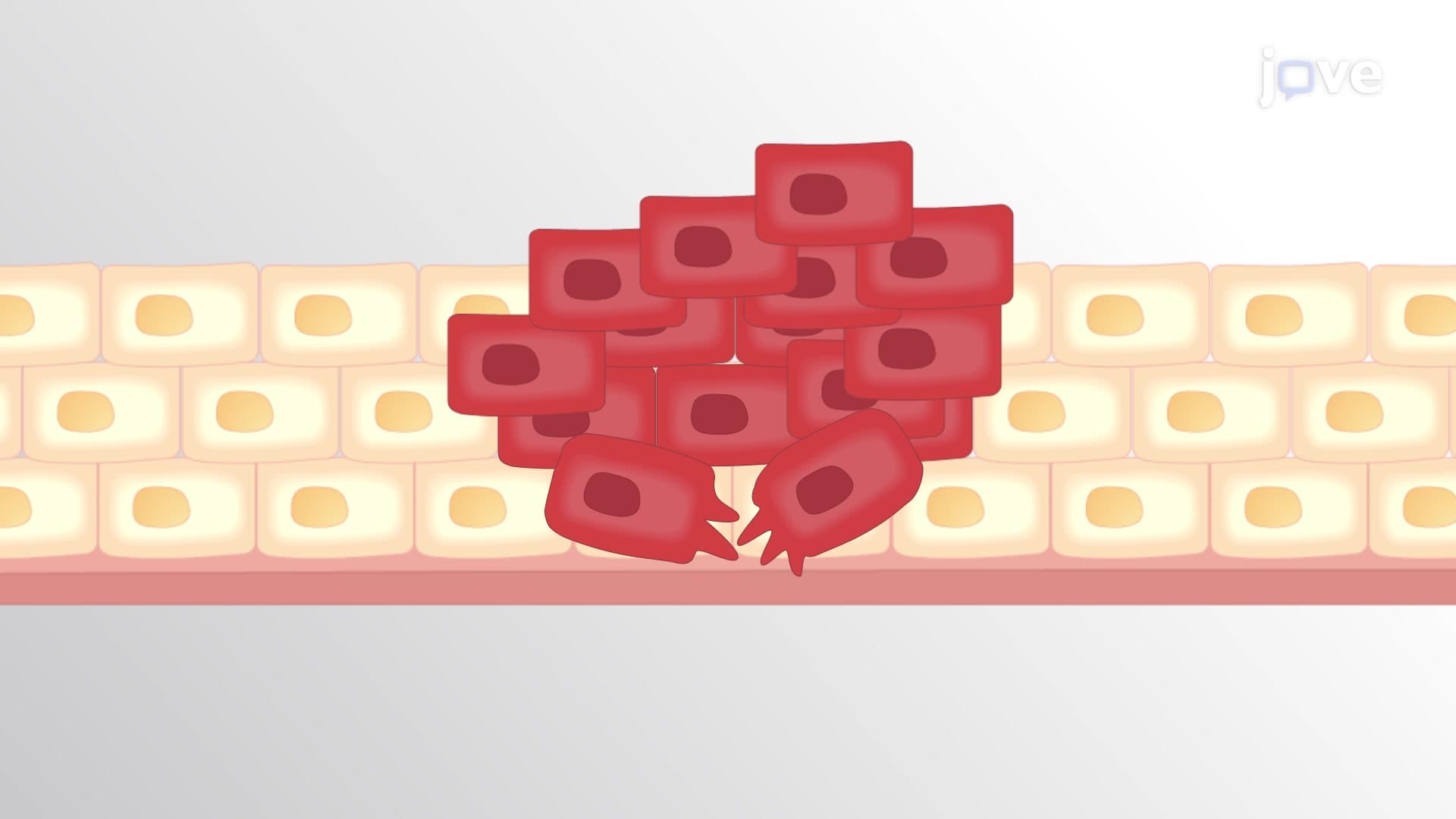
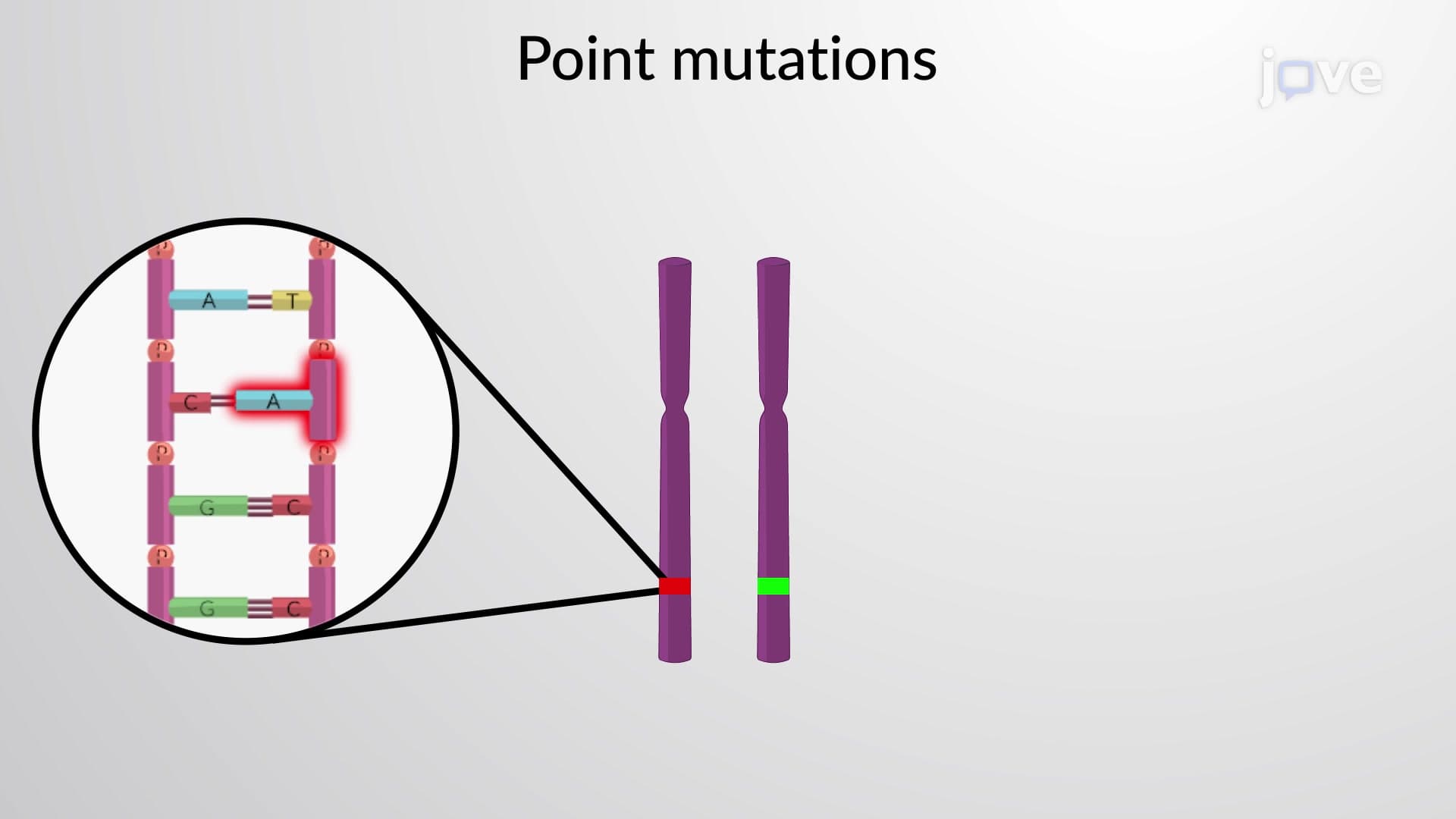
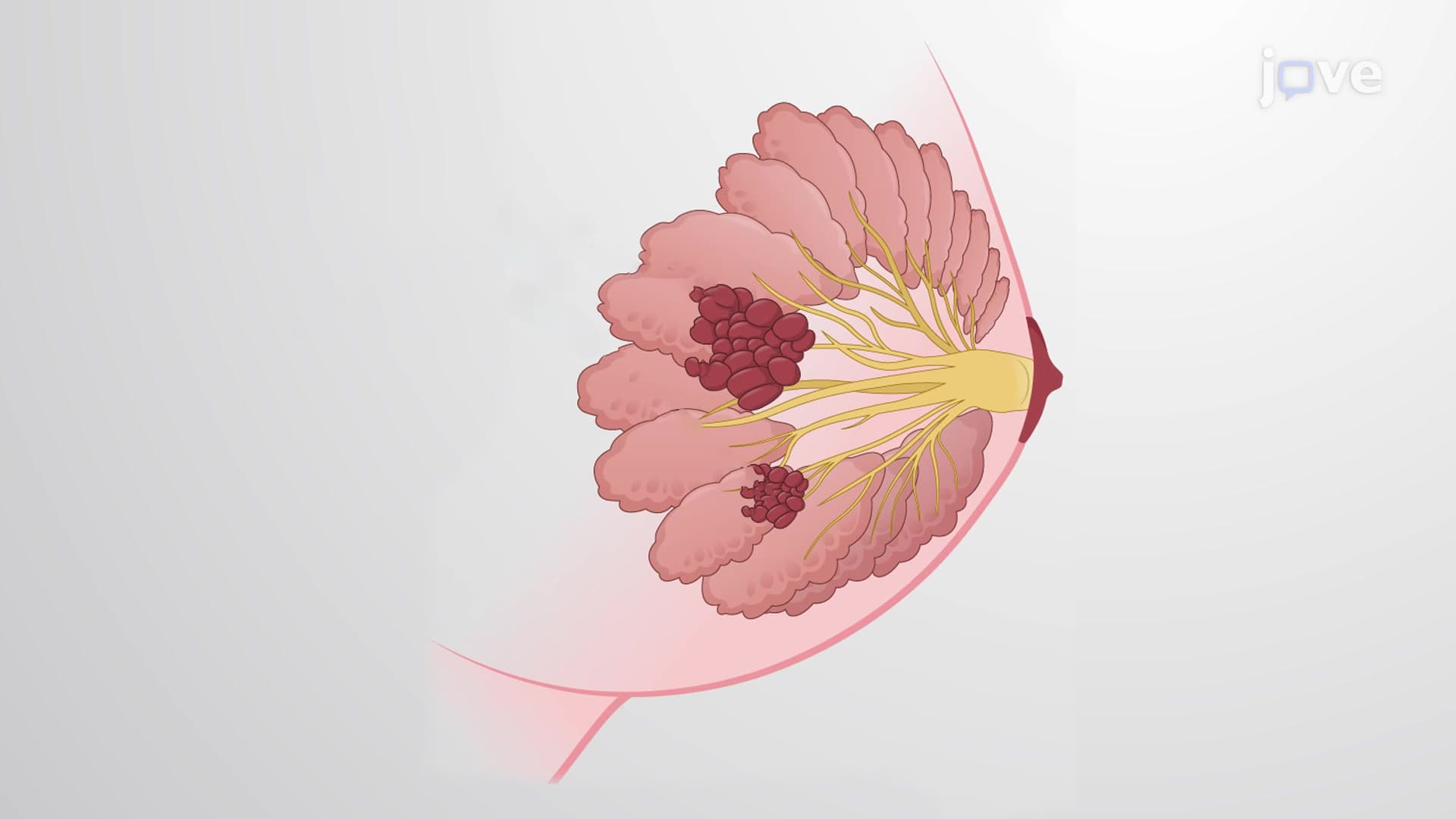
Did you know that cancer cells hijack the same cellular pathways that help healthy muscle grow after exercise? Mtor signaling and cancer progression involves a critical protein kinase that normally controls cell growth in response to nutrients and growth factors. When mutations occur in genes like mTOR, PI3K, or AKT-commonly seen in breast cancer patients at MD Anderson Cancer Center-cells can grow uncontrollably even without proper signals. This exploitation of Mtor Signaling And Cancer Progression Explained mechanisms allows tumor cells to bypass natural growth controls and fuel early cancer development. Watch the full video on JoVE Coach to master this concept with expert-led visuals and step-by-step explanations.
The mechanistic target of rapamycin (mTOR) serves as a master regulator that determines whether cells should grow, divide, or conserve resources. This ancient protein kinase evolved as a cellular "decision maker" that integrates multiple environmental signals-nutrient availability, growth factors, energy status, and stress levels-to control fundamental processes like protein synthesis, lipid production, and autophagy. Understanding this pathway is crucial for students preparing for AP Biology, college biochemistry courses, and medical school entrance exams like the MCAT.
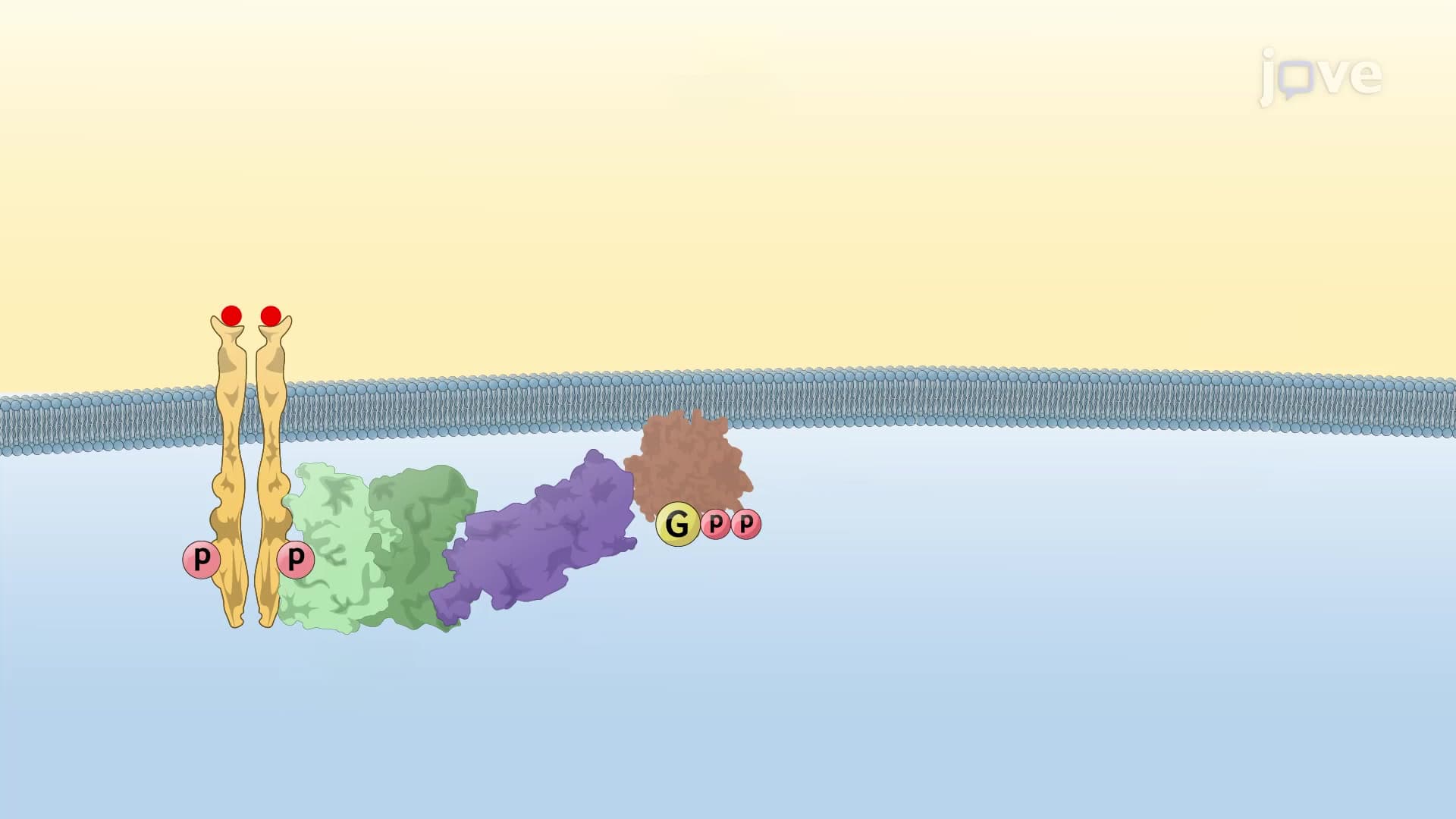
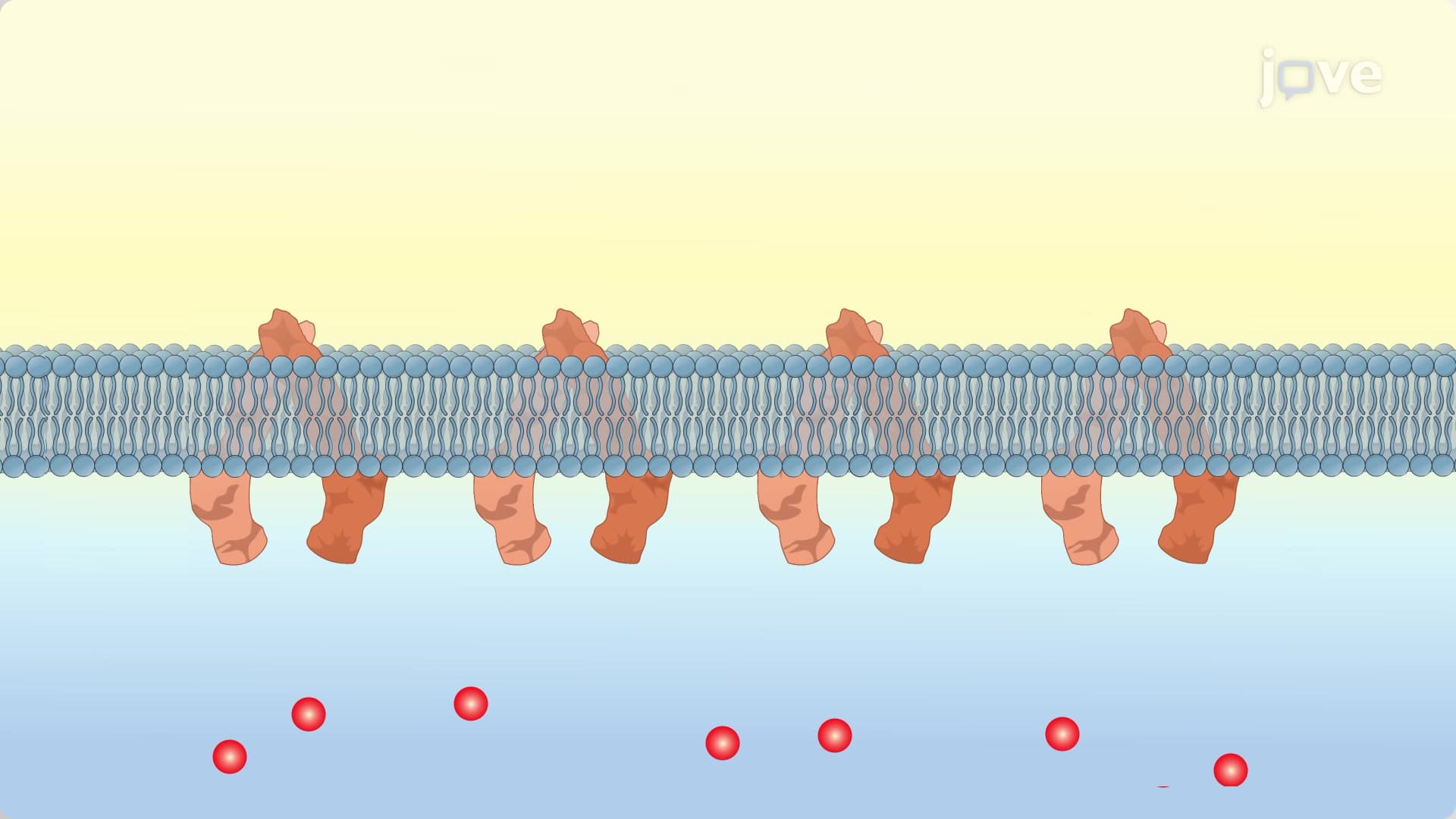
The most clinically relevant mTOR pathway begins when insulin or insulin-like growth factors bind to receptor tyrosine kinases on cell surfaces. This binding activates phosphatidylinositol 3-kinase (PI3K), which generates the lipid messenger PIP3. PIP3 then recruits and activates PDK1, which phosphorylates the critical protein AKT (also called PKB). Active AKT represents a pivotal branch point-it can phosphorylate over 100 different target proteins to promote cell survival and growth.
One of AKT's most important targets is the tuberous sclerosis complex (TSC), composed of TSC1 (hamartin) and TSC2 (tuberin). When AKT phosphorylates TSC2, it inactivates this tumor suppressor complex. Normally, active TSC acts as a GTPase-activating protein that keeps RHEB (a small GTPase) in its inactive GDP-bound state. When TSC is inactivated by AKT, RHEB accumulates in its active GTP-bound form and directly activates mTORC1.
Cancer cells frequently hijack this pathway through various mechanisms. PIK3CA mutations (encoding the PI3K catalytic subunit) occur in approximately 32% of breast cancers treated at major US cancer centers like Memorial Sloan Kettering. AKT amplification is found in ovarian, gastric, and pancreatic cancers. TSC1/TSC2 mutations cause tuberous sclerosis complex syndrome, leading to benign tumors in multiple organs. PTEN tumor suppressor loss-occurring in 10% of all human cancers-removes the "brakes" on PI3K signaling.
When these mutations occur, cancer cells gain several advantages. They can synthesize proteins and lipids even when nutrients are scarce, resist cell death signals, and avoid autophagy (cellular recycling). This creates a cellular environment optimized for rapid tumor growth and metastasis, explaining why mTOR pathway alterations correlate with poor patient outcomes in clinical studies.
Students studying for standardized tests should focus on pathway regulation, feedback mechanisms, and therapeutic targets. The mTOR pathway appears frequently on MCAT biochemistry sections, AP Biology FRQs about cell signaling, and college cell biology exams. Clinically, mTOR inhibitors like rapamycin and everolimus are FDA-approved cancer treatments, making this pathway directly relevant to future healthcare professionals preparing for USMLE Step 1 or pharmacy boards.
Related Micro-courses