Loading subject page…


146,122 views


Video Summary: Rous Sarcoma Virus Rsv and Cancer Explained
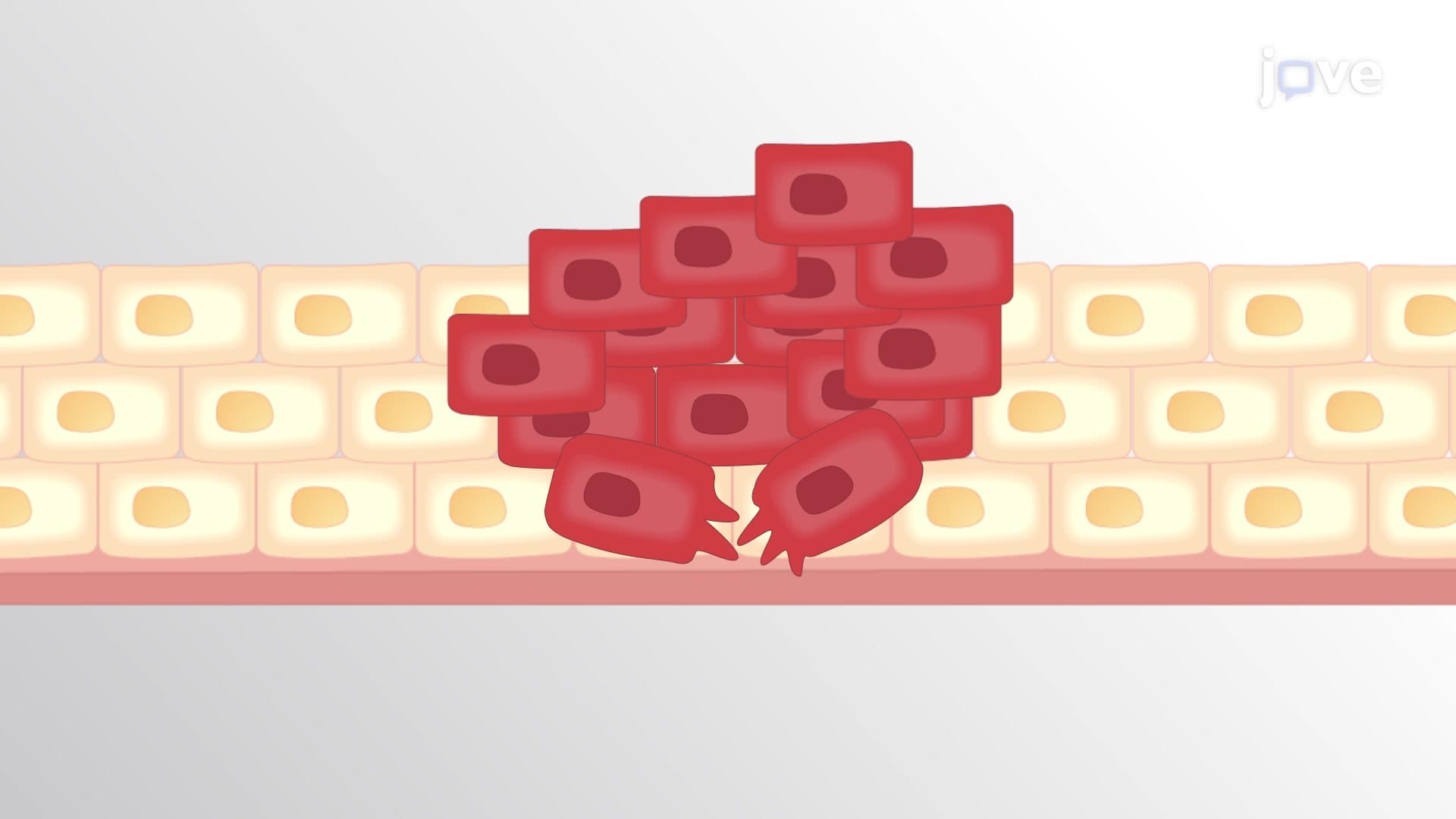
Did you know that a virus discovered in chickens over a century ago revolutionized our understanding of cancer? Rous sarcoma virus RSV and cancer research began when scientist Peyton Rous first observed tumors in poultry, leading to groundbreaking discoveries about how viruses can trigger cancerous cell growth. This retrovirus carries a mutated oncogene called v-Src that hijacks normal cellular functions, causing uncontrolled proliferation-similar to mechanisms seen in human cancers studied at institutions like the National Cancer Institute. Watch the full video on JoVE Coach to master this concept with expert-led visuals and step-by-step explanations.
Rous sarcoma virus represents a pivotal discovery in cancer biology that continues to influence modern oncology research. This retrovirus demonstrates how external pathogens can fundamentally alter cellular behavior, providing crucial insights into cancer development that apply far beyond poultry diseases.
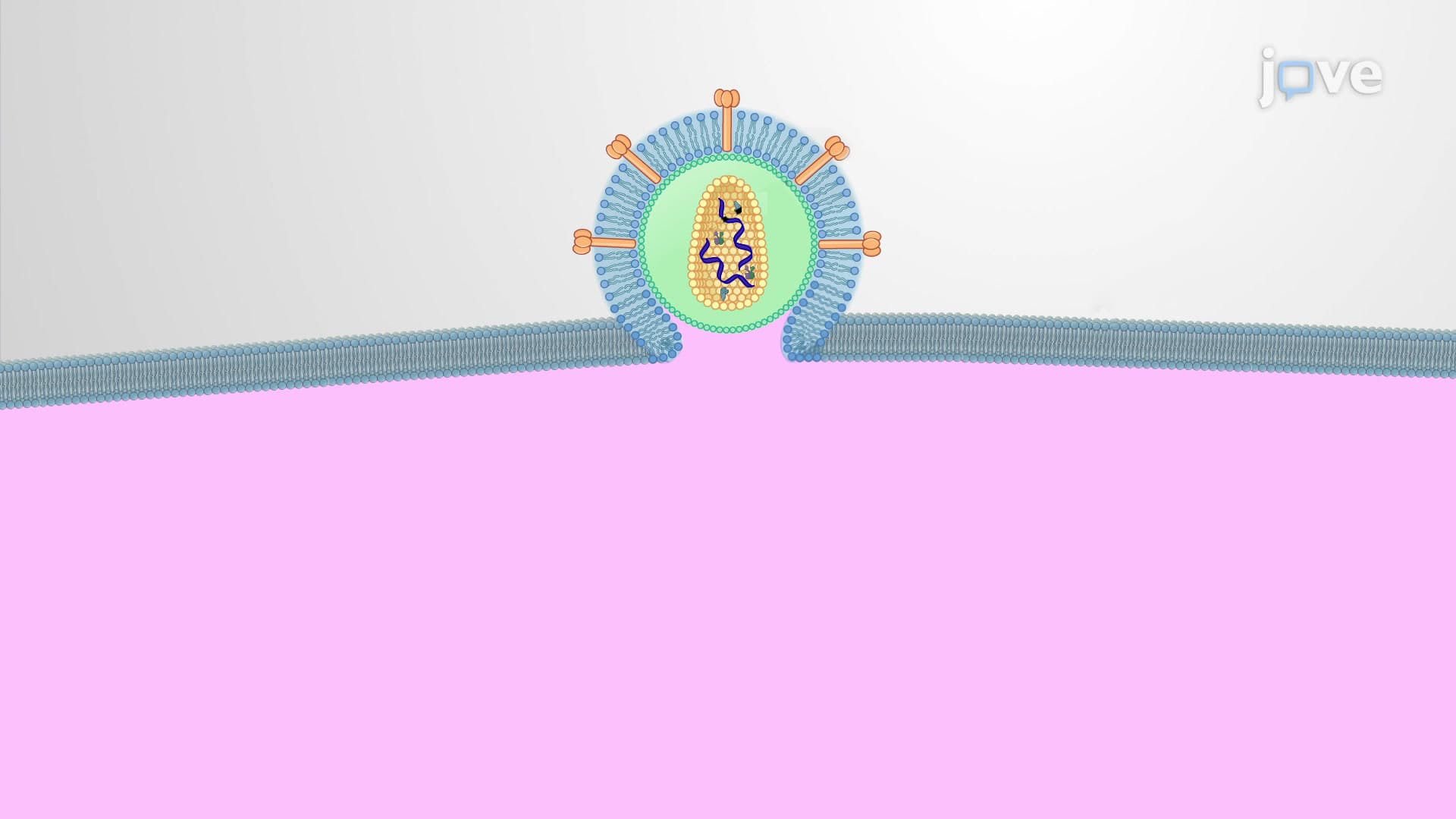
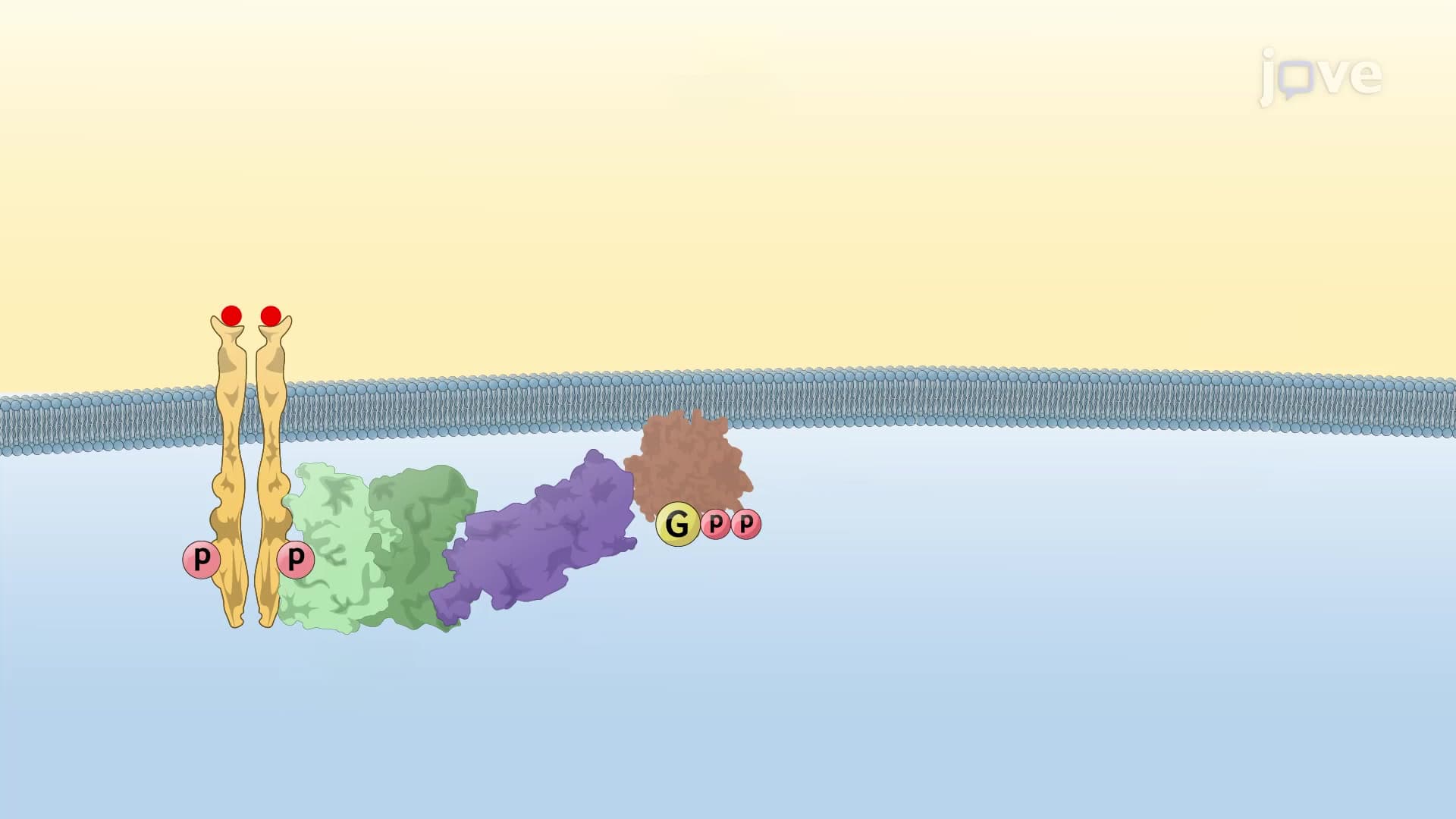
The sophisticated mechanism of RSV involves reverse transcription, where the virus converts its RNA genome into DNA that permanently integrates into the host cell's chromosomes. This integration process explains why viral infections can have lasting effects on cellular function. The viral Src gene (v-Src) produces a hyperactive protein kinase that phosphorylates numerous cellular targets, disrupting normal growth controls and leading to malignant transformation.
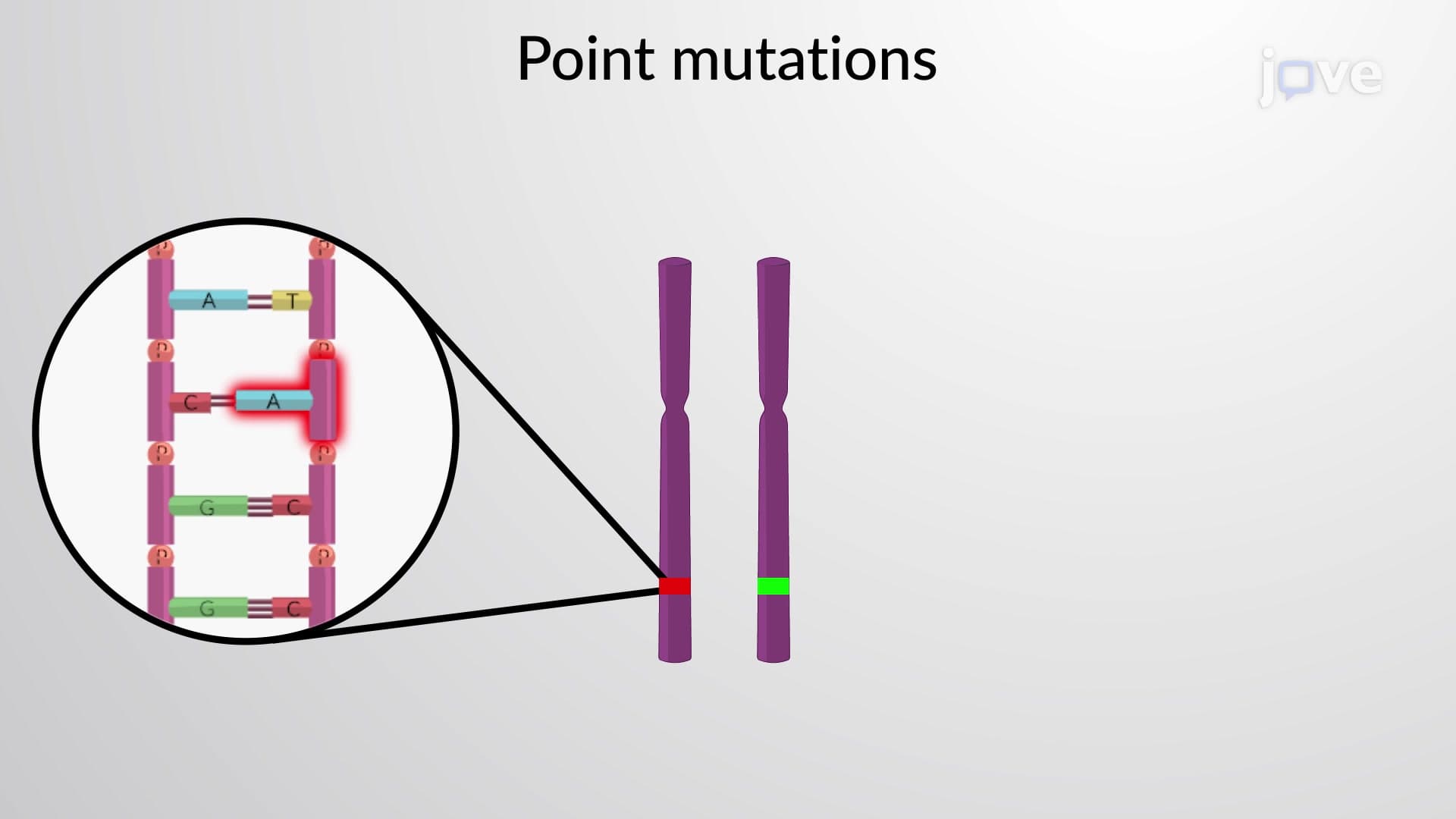
Students preparing for AP Biology or college-level cell biology courses should understand that this viral hijacking mechanism parallels many human cancer processes. The overexpression or mutation of cellular proto-oncogenes like c-Src occurs frequently in human malignancies, making RSV an excellent model system for understanding cancer biology principles tested on the MCAT.
Modern cancer research laboratories across the United States, including those at MD Anderson Cancer Center and Memorial Sloan Kettering, utilize RSV-derived knowledge to develop targeted therapies. The Src family of kinases has become an important therapeutic target, with FDA-approved drugs like dasatinib specifically designed to inhibit these proteins in human cancers.
The accidental acquisition of cellular genes by viruses illustrates fundamental evolutionary processes. RSV likely captured the Src gene from a previous host cell infection, and subsequent mutations enhanced its transforming ability while making it dispensable for viral replication. This evolutionary accident provided researchers with a powerful tool for studying cancer mechanisms and developing new treatment strategies that continue to benefit patients in American hospitals today.
Related Micro-courses