Loading subject page…


146,122 views

Video Summary: What are Cancer Therapies
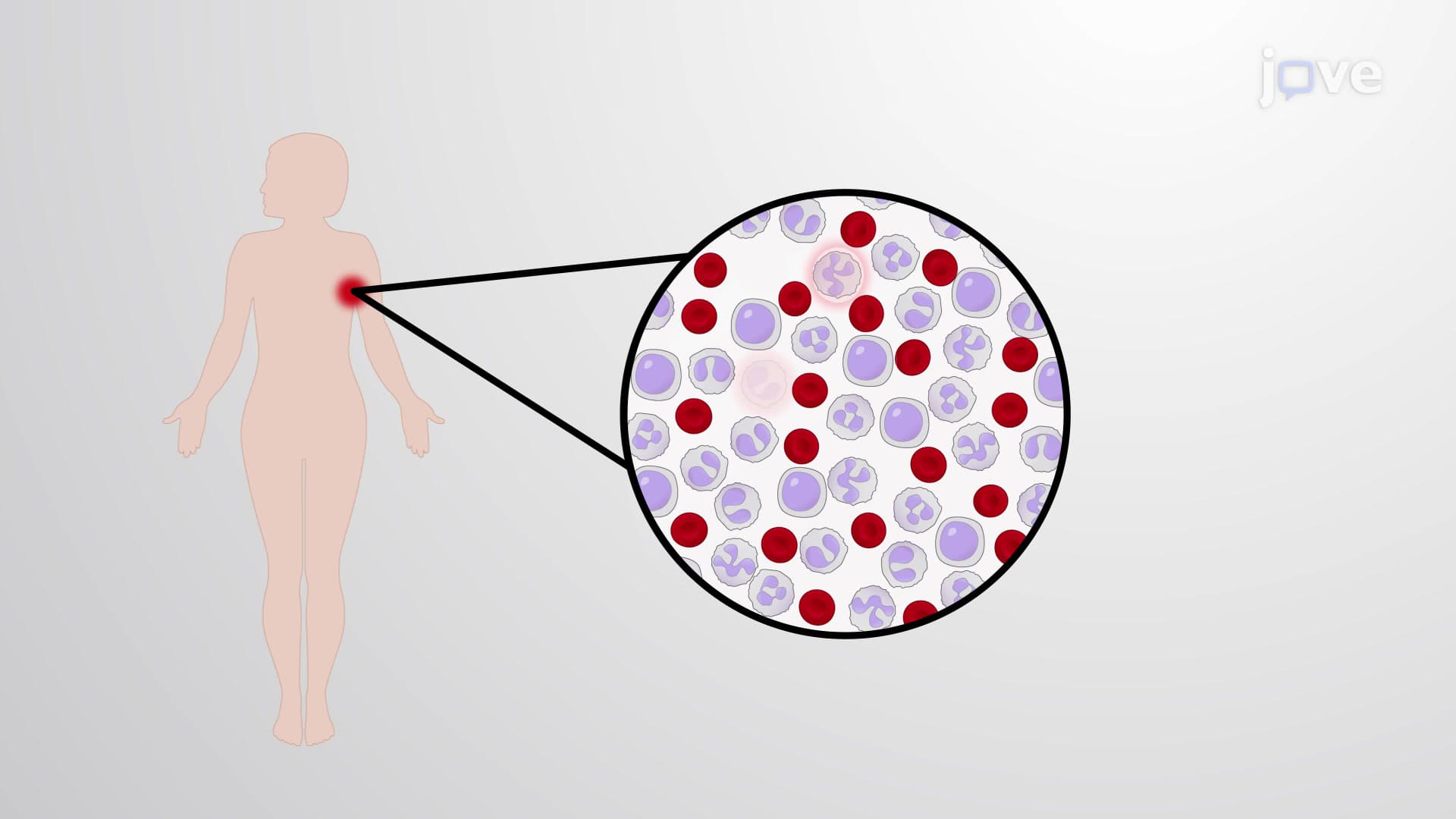
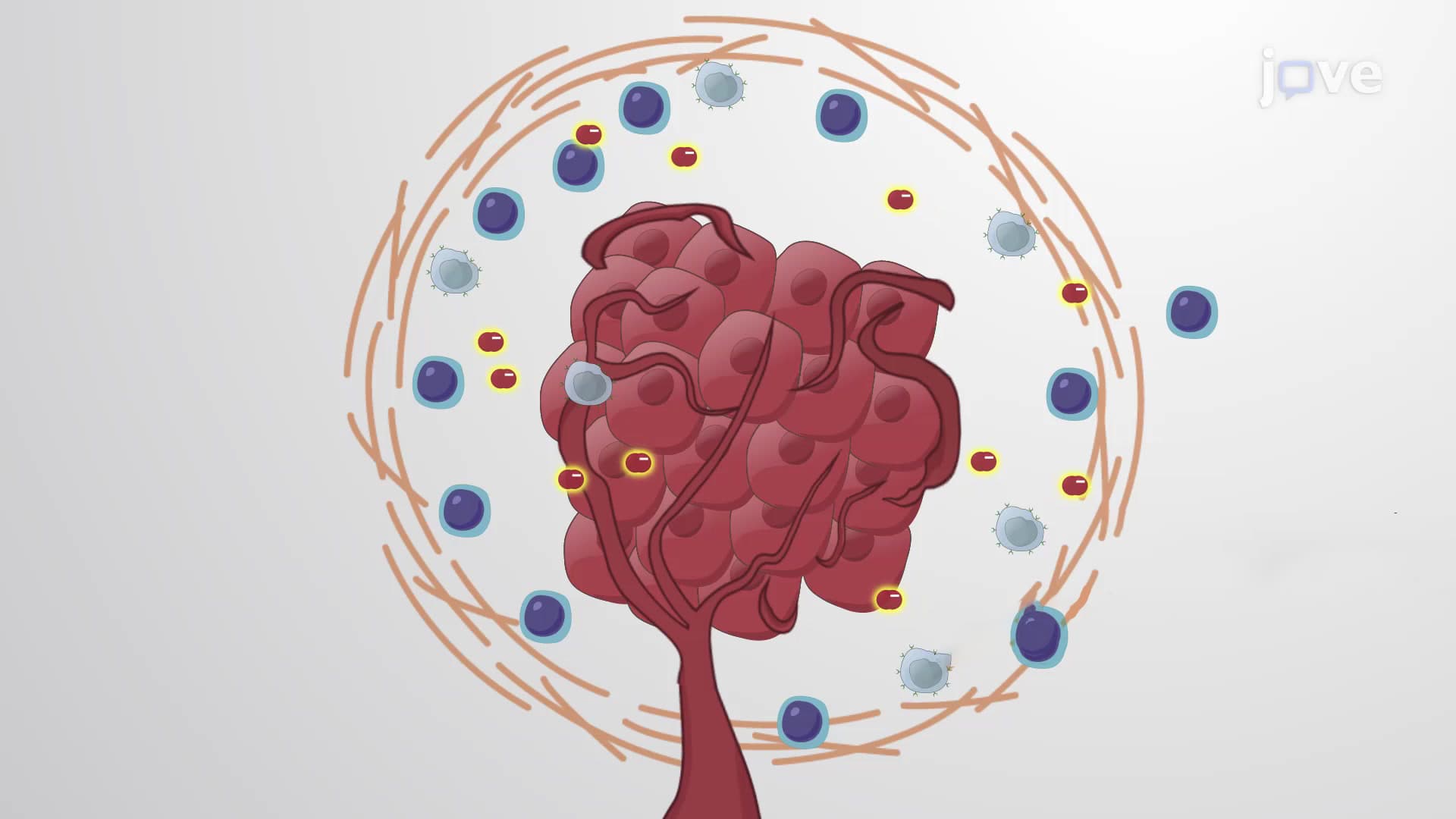
Every 90 seconds, someone in the United States is diagnosed with a blood cancer, making cancer therapies a critical topic in modern medicine. These life-saving treatments range from traditional surgery and chemotherapy to cutting-edge immunotherapy approaches. For instance, the FDA's recent approval of CAR-T cell therapy has revolutionized treatment for certain leukemias at major cancer centers like MD Anderson. Understanding what are cancer therapies helps students grasp how medical professionals combat one of humanity's greatest health challenges. Watch the full video on JoVE Coach to master this concept with expert-led visuals and step-by-step explanations.
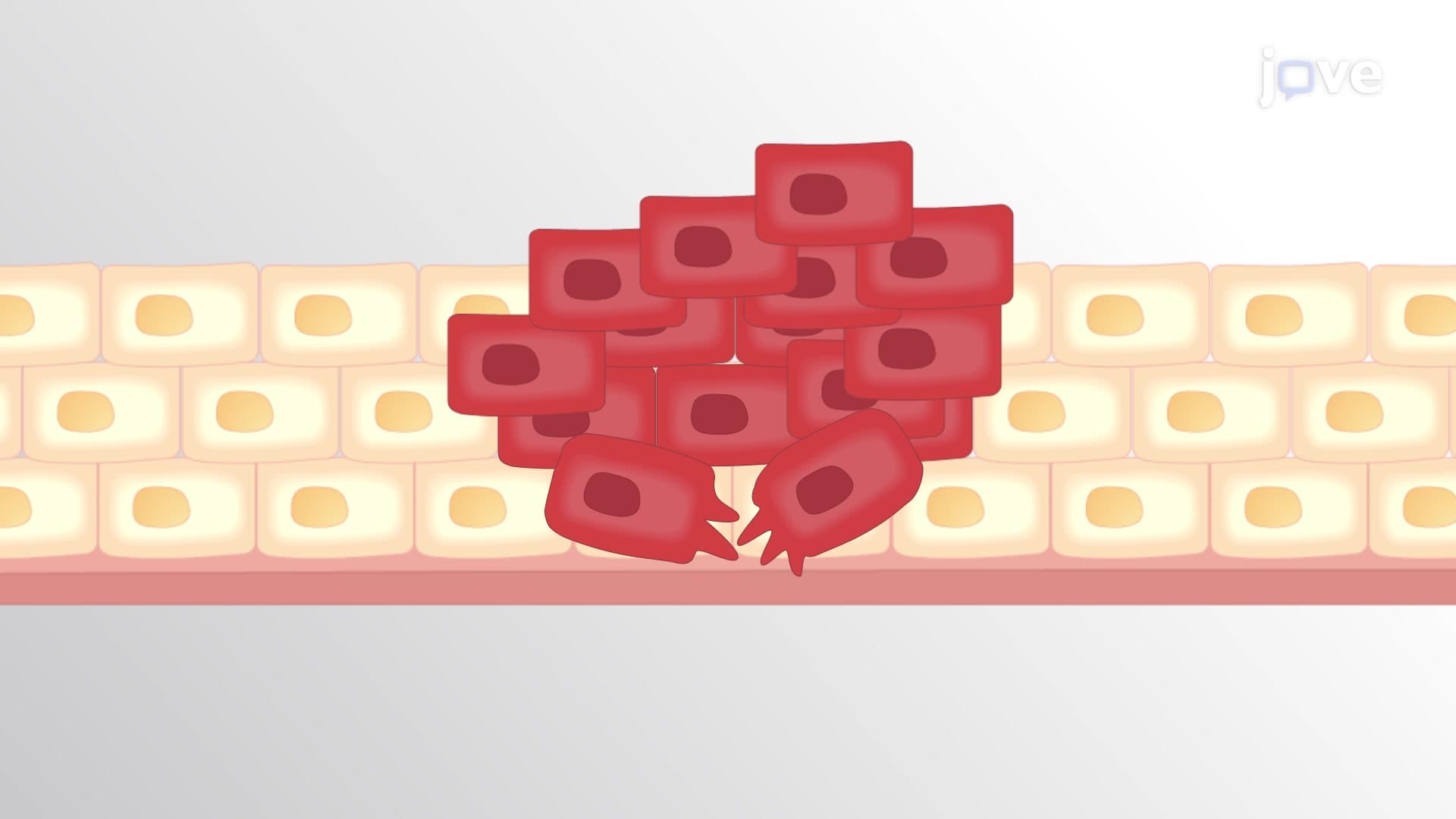
Cancer therapies represent the cornerstone of oncological medicine, encompassing diverse treatment strategies designed to eliminate malignant cells while preserving normal tissue function. These evidence-based approaches have evolved from crude surgical interventions to precision medicine protocols that target specific molecular pathways. For students preparing for the MCAT or advanced biology courses, understanding these therapeutic modalities provides essential context for cellular biology, pharmacology, and clinical decision-making.
Surgery remains the oldest and most definitive type of cancer therapy for solid tumors. Modern surgical oncology employs sophisticated techniques like Mohs micrographic surgery for skin cancers, where surgeons at institutions like Mayo Clinic remove tissue layer by layer while examining margins in real-time. This precision approach maximizes cancer removal while minimizing cosmetic impact. Students studying for AP Biology should understand that surgical success depends on tumor encapsulation, accessibility, and the surgeon's ability to achieve negative margins-concepts frequently tested in college-level anatomy and pathophysiology courses.
Radiation therapy exploits cancer cells' defective DNA repair mechanisms, delivering precisely calculated doses that overwhelm malignant cells while sparing healthy tissue. Linear accelerators at cancer centers like Memorial Sloan Kettering deliver targeted beams with millimeter precision. Chemotherapy, conversely, targets rapidly dividing cells throughout the body, explaining why patients experience hair loss and immunosuppression-side effects that affect healthy tissues with high turnover rates. Understanding these mechanisms proves crucial for students tackling MCAT biochemistry sections or nursing school pharmacology courses.
The revolutionary cancer therapies overview must include immunotherapy's breakthrough success. Checkpoint inhibitors like pembrolizumab (Keytruda) have transformed melanoma treatment, while CAR-T cell therapies represent personalized medicine at its pinnacle. These treatments harness the patient's immune system rather than directly poisoning cancer cells. Hormone therapy, exemplified by tamoxifen for estrogen-receptor-positive breast cancers, demonstrates how understanding tumor biology drives treatment selection. These concepts frequently appear in advanced biology coursework and medical school curricula, emphasizing the importance of molecular mechanisms in clinical applications.
Related Micro-courses