Loading subject page…


146,122 views


Video Summary: What are Targeted Cancer Therapies
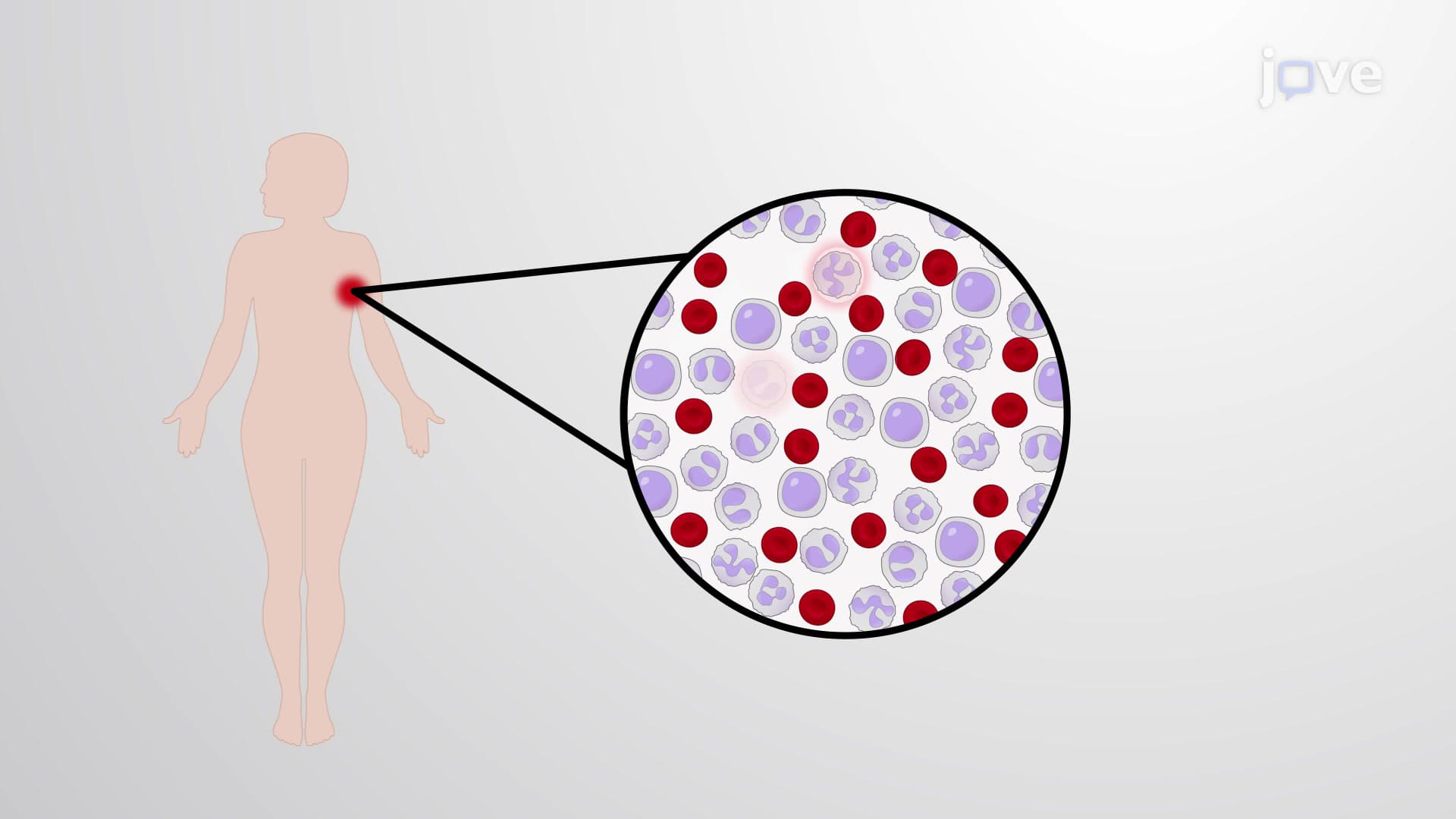
Did you know that some cancer treatments can target diseased cells with sniper-like precision while leaving healthy tissue largely untouched? Targeted cancer therapies represent a revolutionary shift from traditional chemotherapy, using drugs designed to attack specific molecular abnormalities found only in cancer cells. For instance, imatinib (Gleevec) has transformed treatment for chronic myeloid leukemia patients at leading US cancer centers like MD Anderson, achieving response rates up to 90%. Watch the full video on JoVE Coach to master this concept with expert-led visuals and step-by-step explanations.
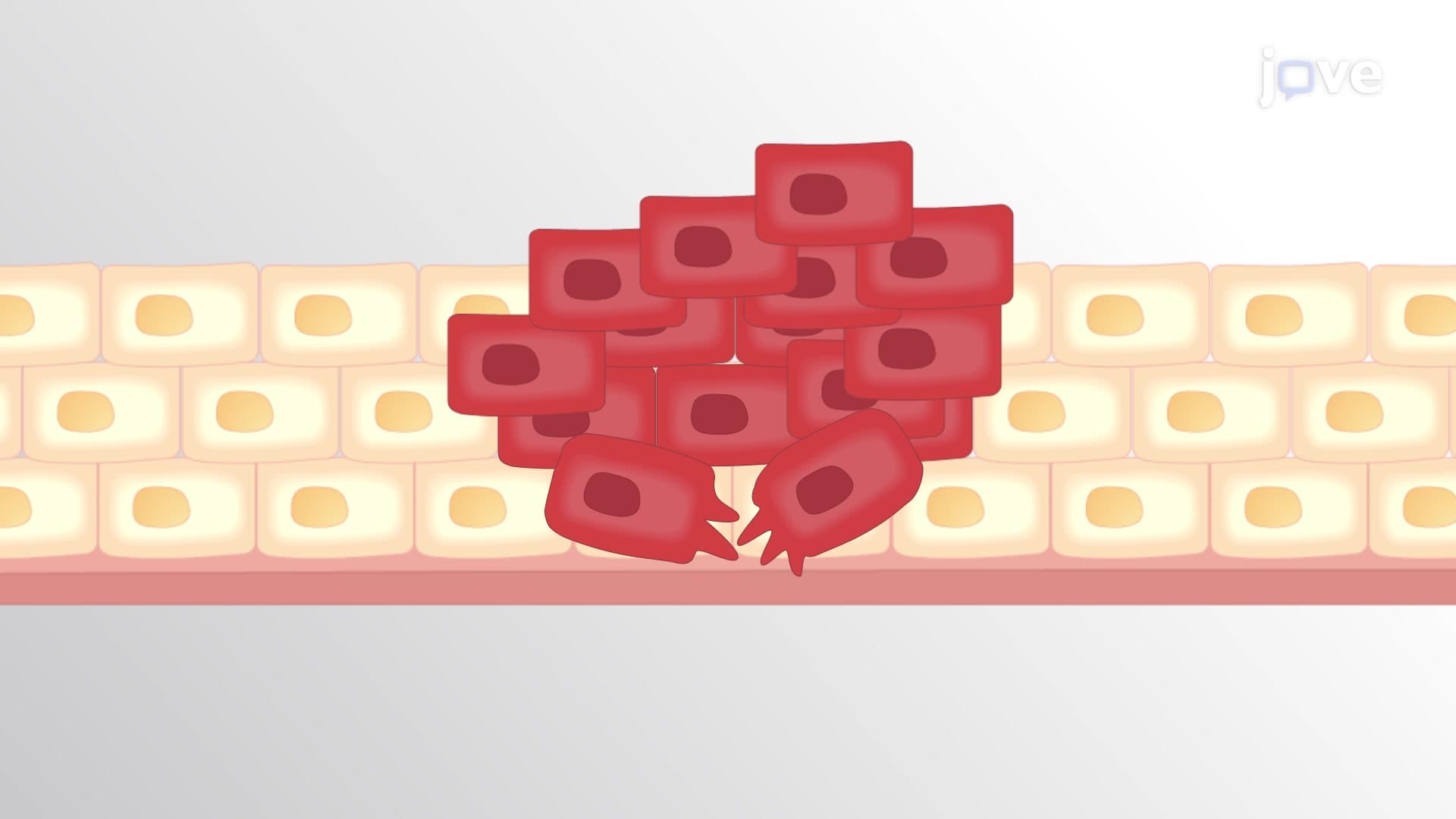
Targeted cancer therapies represent one of the most significant advances in modern oncology, fundamentally changing how we approach cancer treatment. Unlike traditional chemotherapy, which acts as a broad-spectrum assault on rapidly dividing cells, targeted therapies function like molecular guided missiles, seeking out and destroying cancer cells based on their unique genetic signatures.
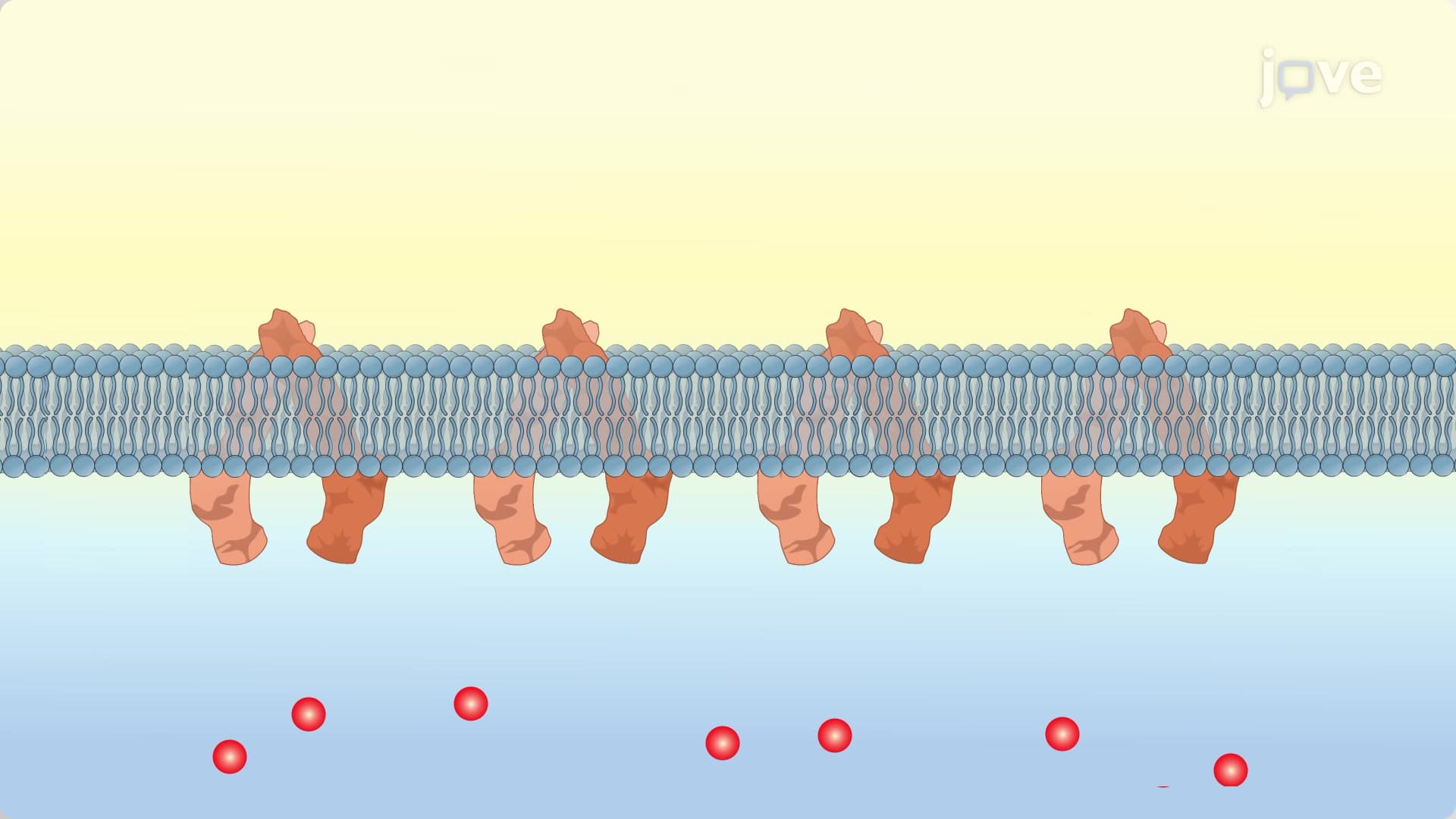
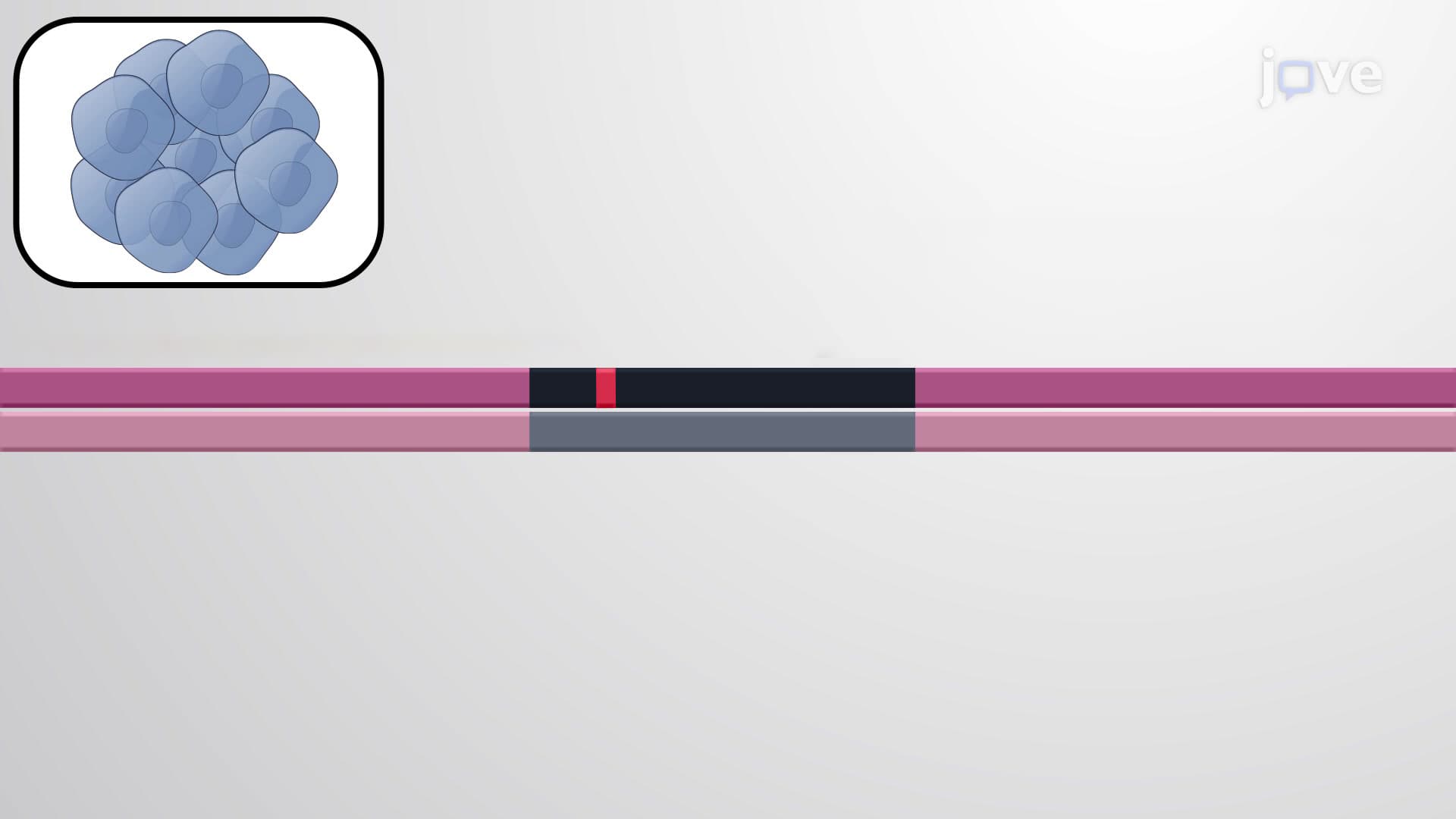
The foundation of targeted therapy lies in identifying molecular differences between cancer cells and healthy cells. These types of targeted cancer therapies fall into several major categories. Small molecule inhibitors, such as tyrosine kinase inhibitors, can penetrate cell membranes to block specific enzymes driving cancer growth. Imatinib (Gleevec), approved by the FDA in 2001, exemplifies this approach by targeting the BCR-ABL fusion protein in chronic myeloid leukemia patients treated at institutions like Memorial Sloan Kettering and Johns Hopkins.
Monoclonal antibodies represent another crucial category, functioning as engineered immune proteins that bind to specific targets on cancer cell surfaces. Trastuzumab (Herceptin) revolutionized HER2-positive breast cancer treatment, while newer antibody-drug conjugates like T-DM1 deliver chemotherapy directly to targeted cells.
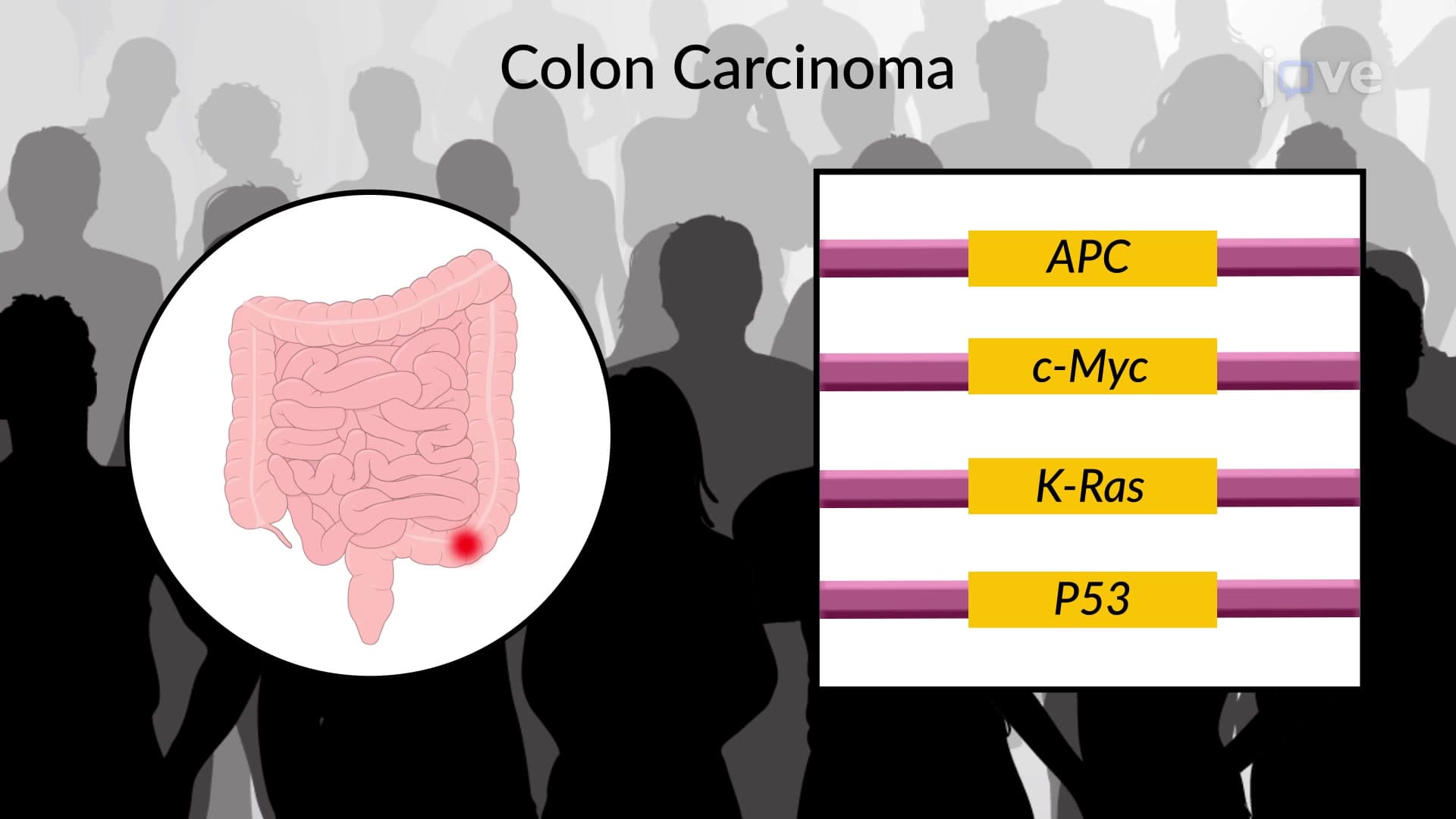
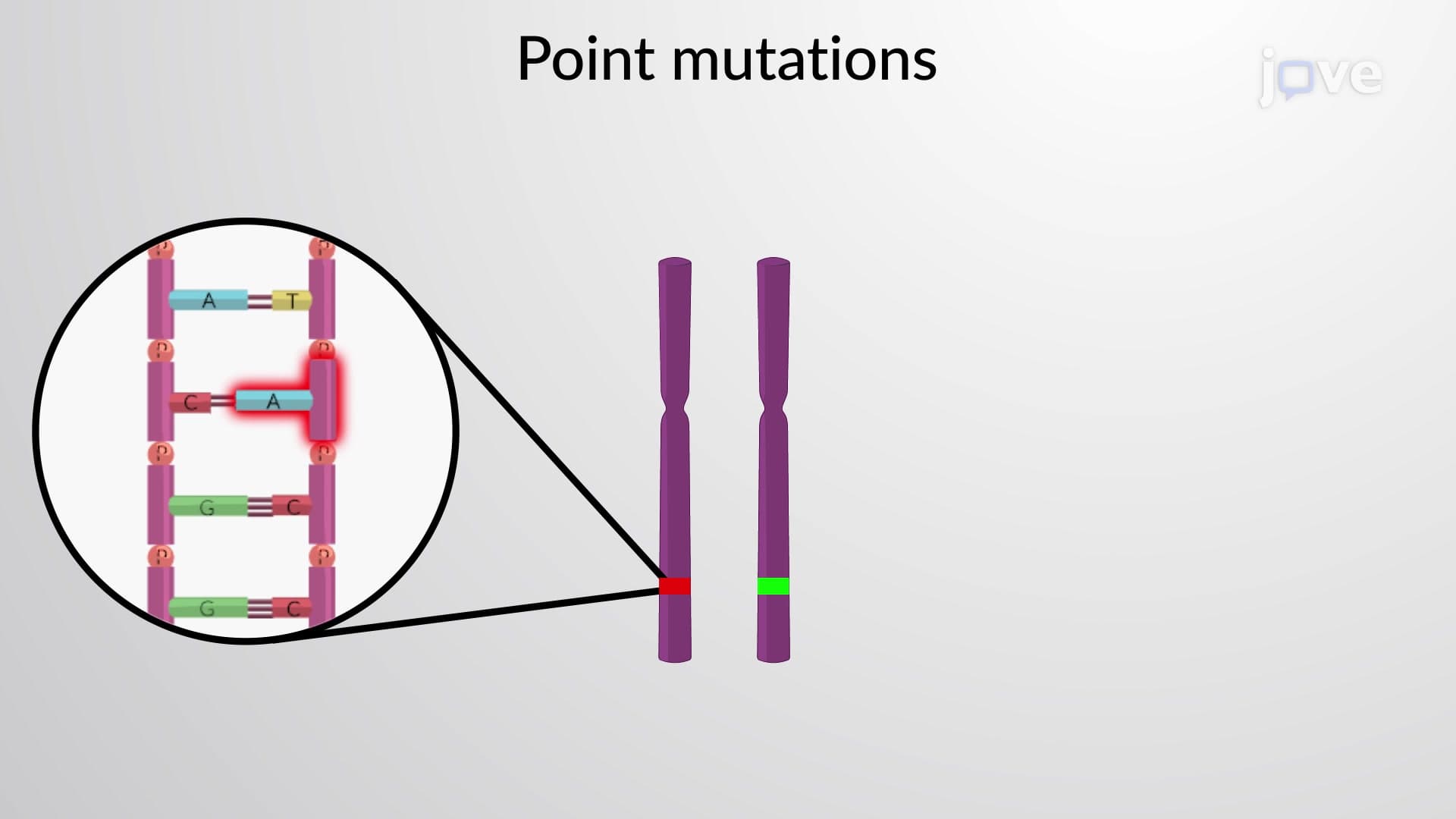
Modern cancer care increasingly relies on molecular profiling to determine treatment eligibility. At major US cancer centers, next-generation sequencing identifies actionable mutations in genes like EGFR, ALK, and ROS1 in lung cancer patients. This precision approach has particular relevance for students preparing for the MCAT, where understanding oncogenes, tumor suppressor genes, and cell cycle regulation forms essential background knowledge.
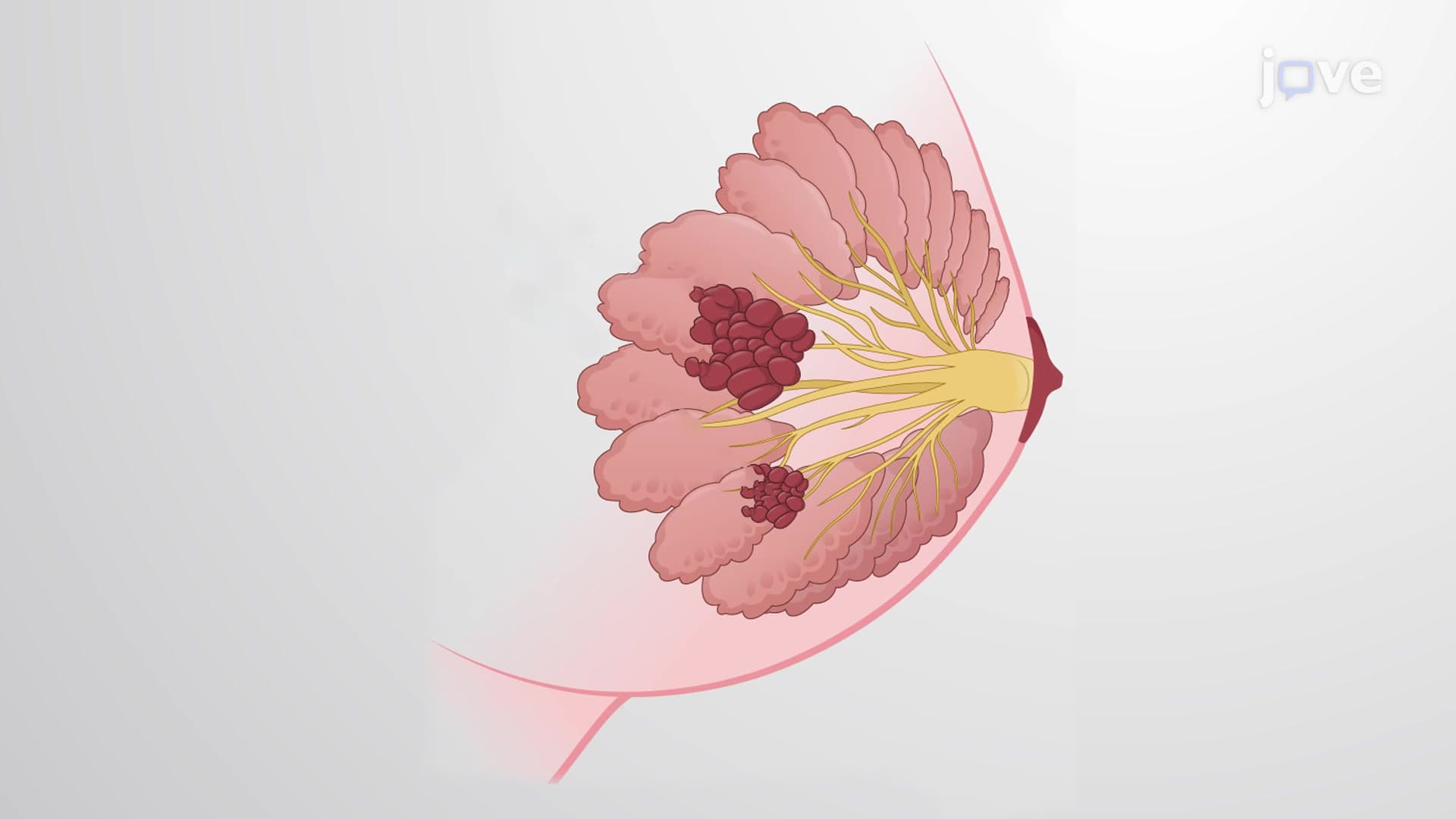
PARP inhibitors exemplify synthetic lethality-exploiting cancer cells' dependence on alternative DNA repair pathways when primary mechanisms fail. Olaparib (Lynparza) and other PARP inhibitors have shown remarkable efficacy in BRCA-mutated ovarian and breast cancers, concepts frequently tested in AP Biology and college-level biochemistry courses.
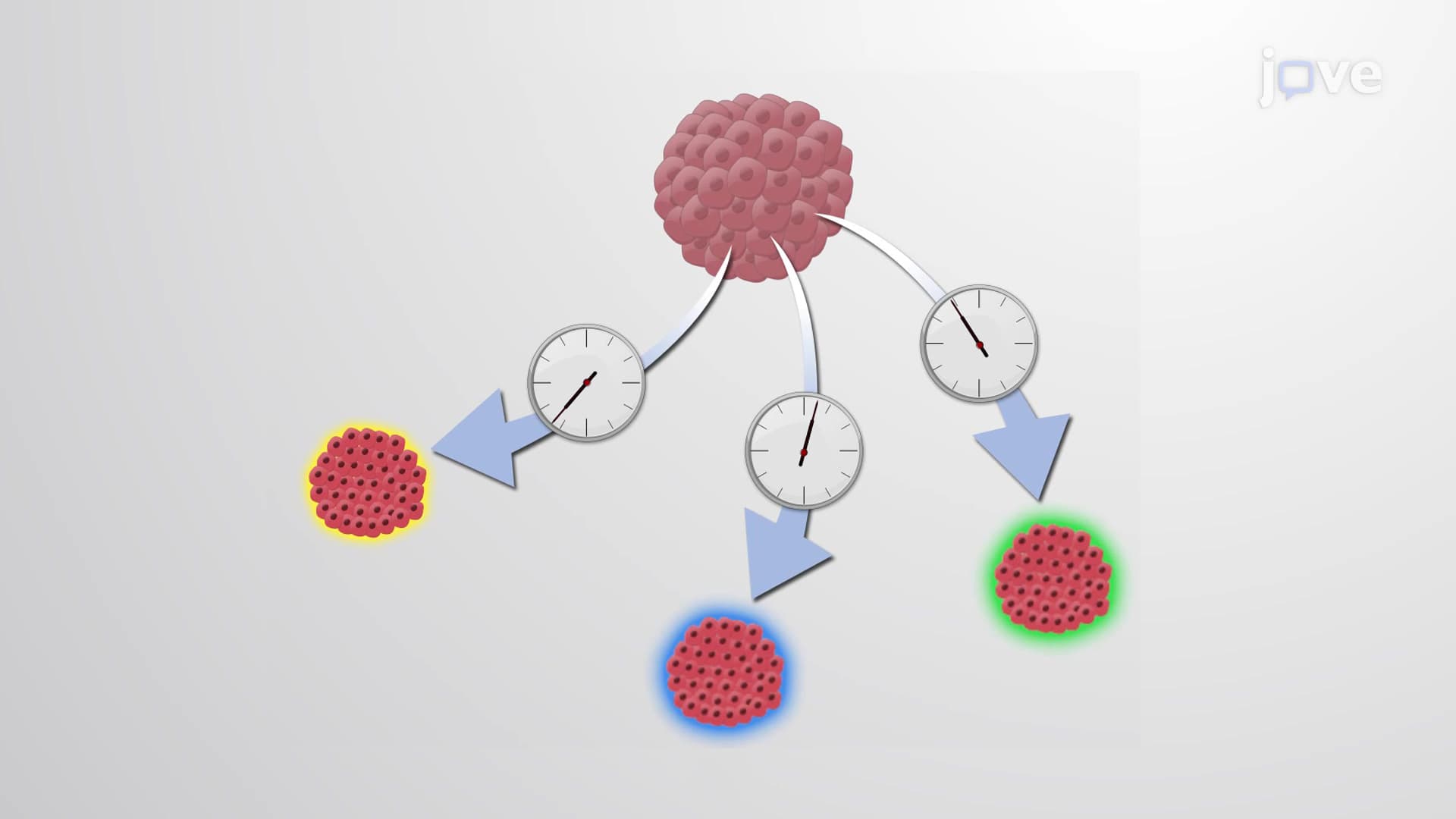
The success of targeted therapies has transformed cancer from a universally fatal diagnosis to a manageable chronic disease for many patients. Five-year survival rates for certain cancers have improved dramatically-chronic myeloid leukemia survival increased from 30% to over 90% following imatinib introduction. However, resistance mechanisms pose ongoing challenges, driving research into combination therapies and next-generation inhibitors.
Related Micro-courses