Loading subject page…


146,122 views

Video Summary: What are Treatment Resistant Cancers
Why do some cancer patients at MD Anderson Cancer Center see their tumors return even after successful initial treatment? Treatment resistant cancers develop when cancer cells evolve sophisticated mechanisms to survive chemotherapy and targeted therapies. These cellular "escape artists" use genetic mutations to outmaneuver drugs that once effectively killed them. For instance, leukemia cells can disable the very enzymes needed to activate cytosine arabinoside, rendering this critical chemotherapy drug useless. Watch the full video on JoVE Coach to master this concept with expert-led visuals and step-by-step explanations.
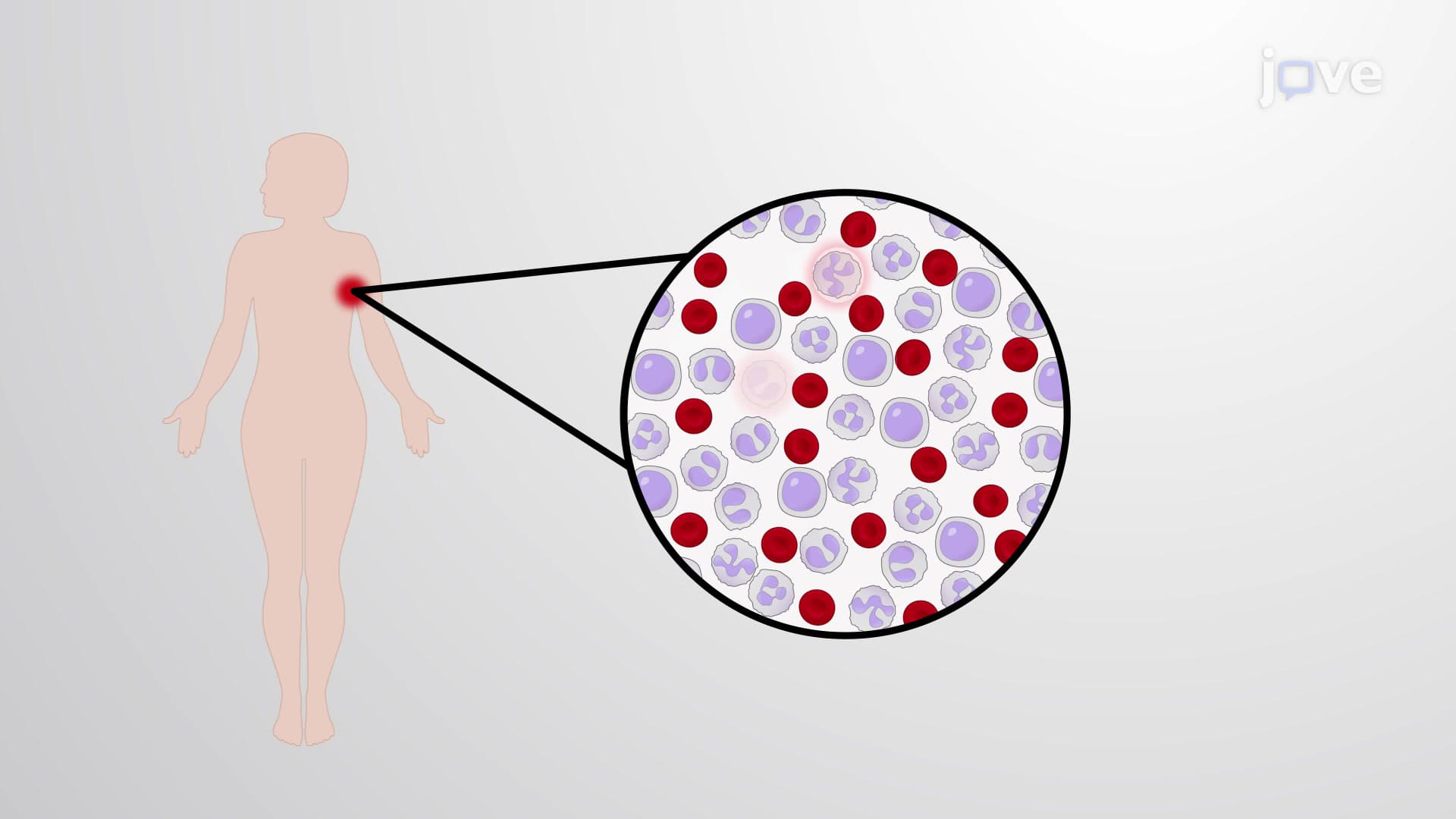
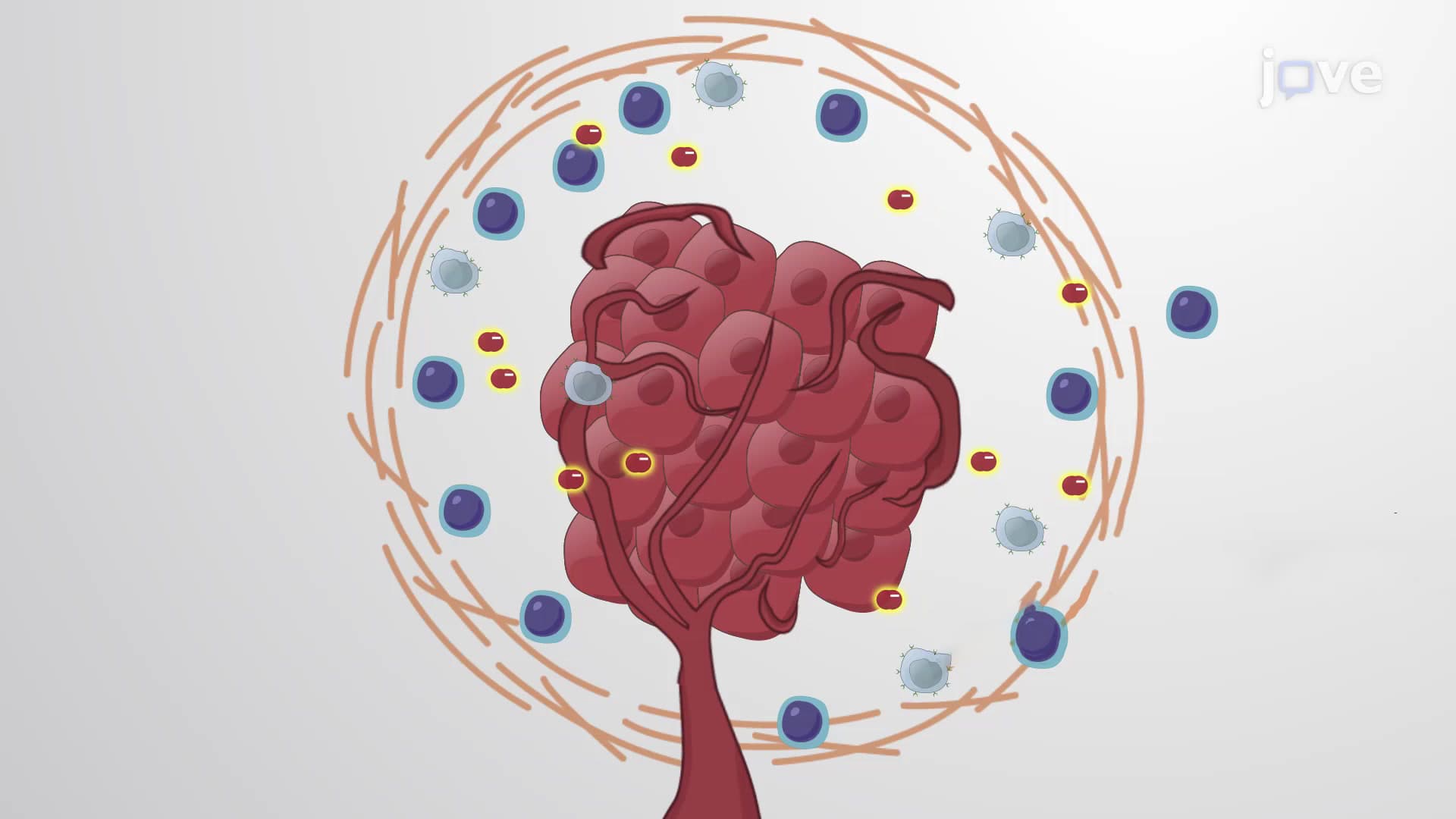
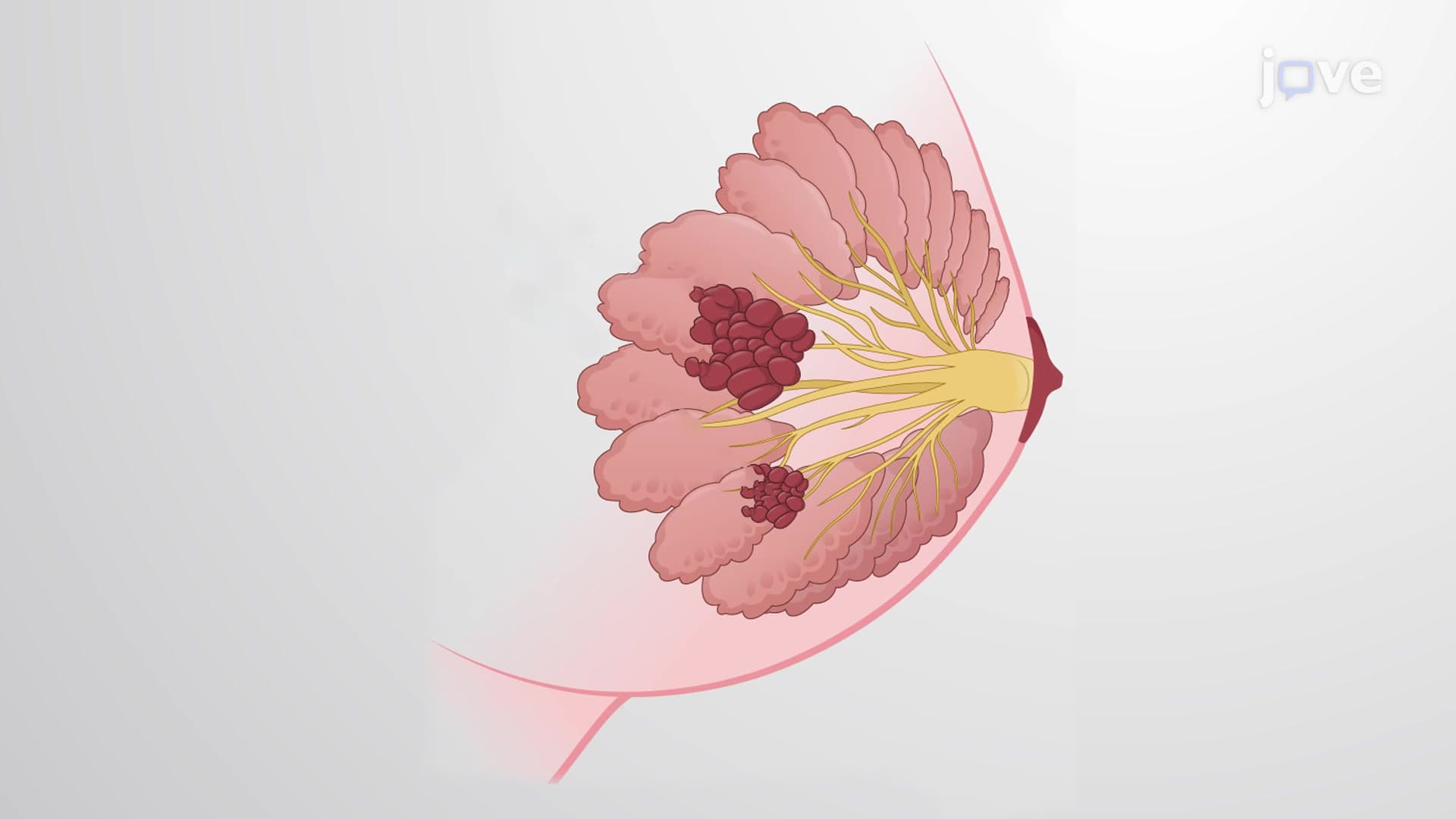
Treatment resistant cancers represent one of oncology's most formidable challenges, affecting thousands of patients across major US cancer centers annually. These malignancies develop sophisticated cellular mechanisms that allow them to survive and proliferate despite exposure to chemotherapy, radiation, or targeted therapies that initially showed promise.
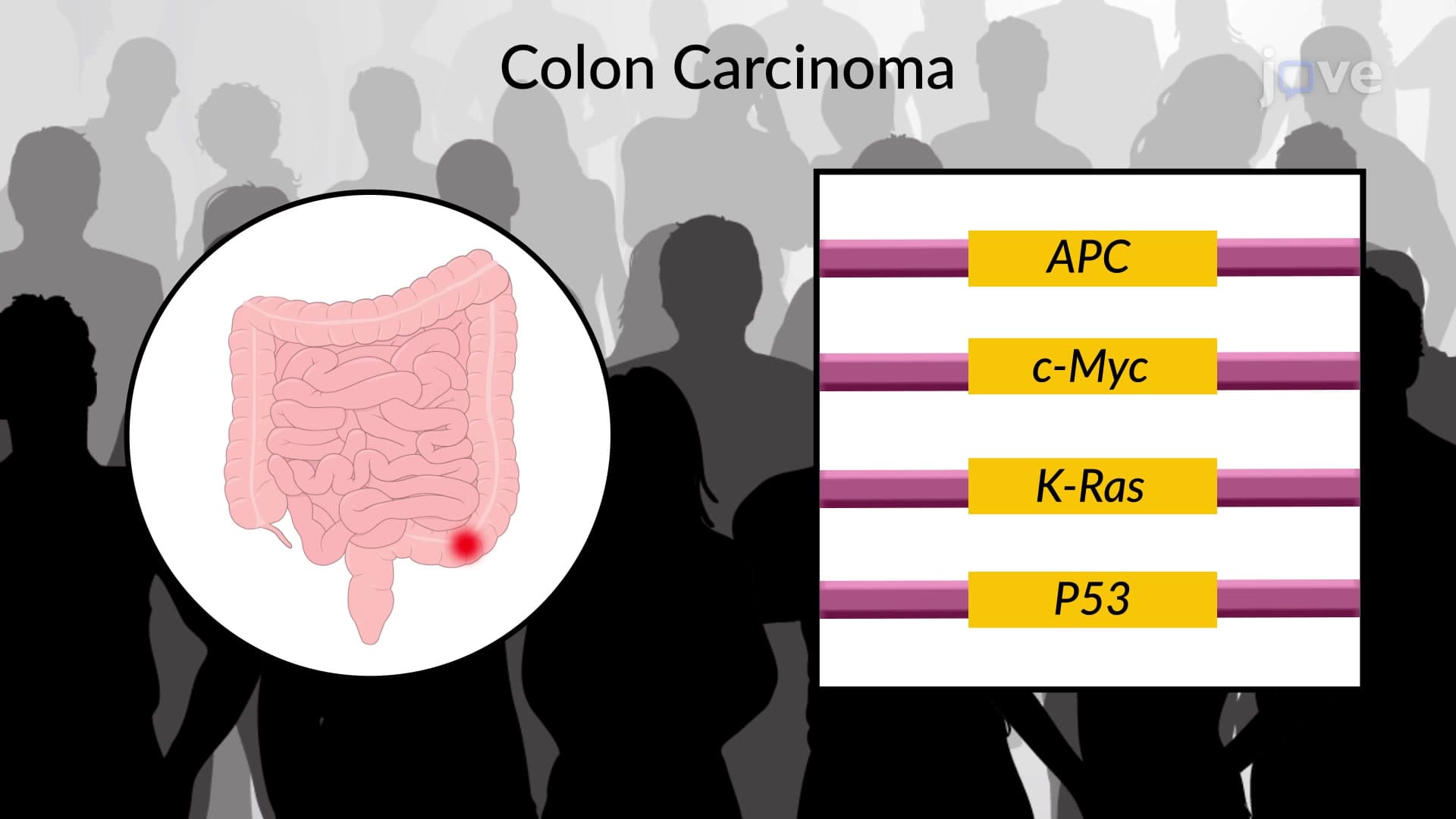
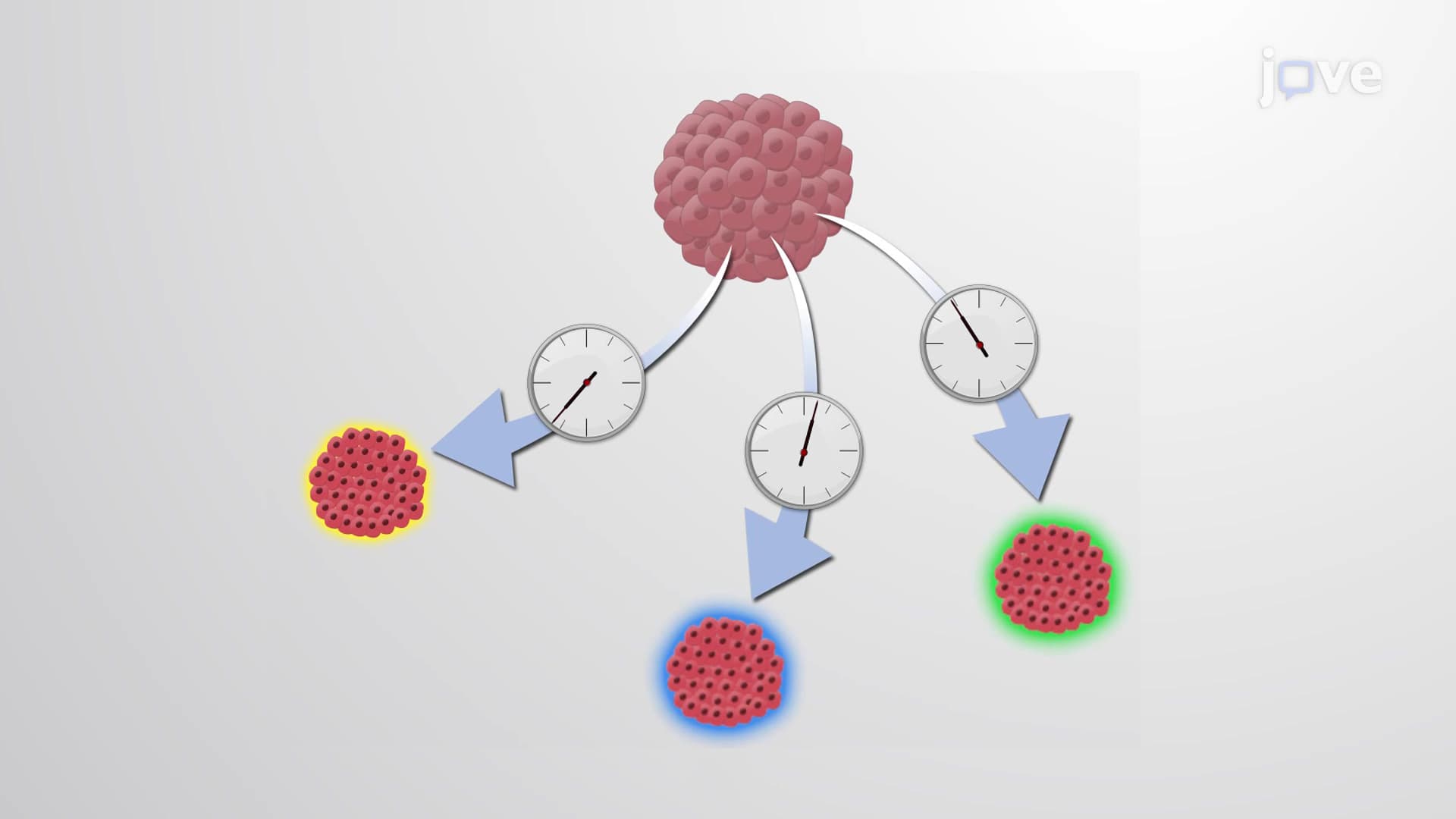
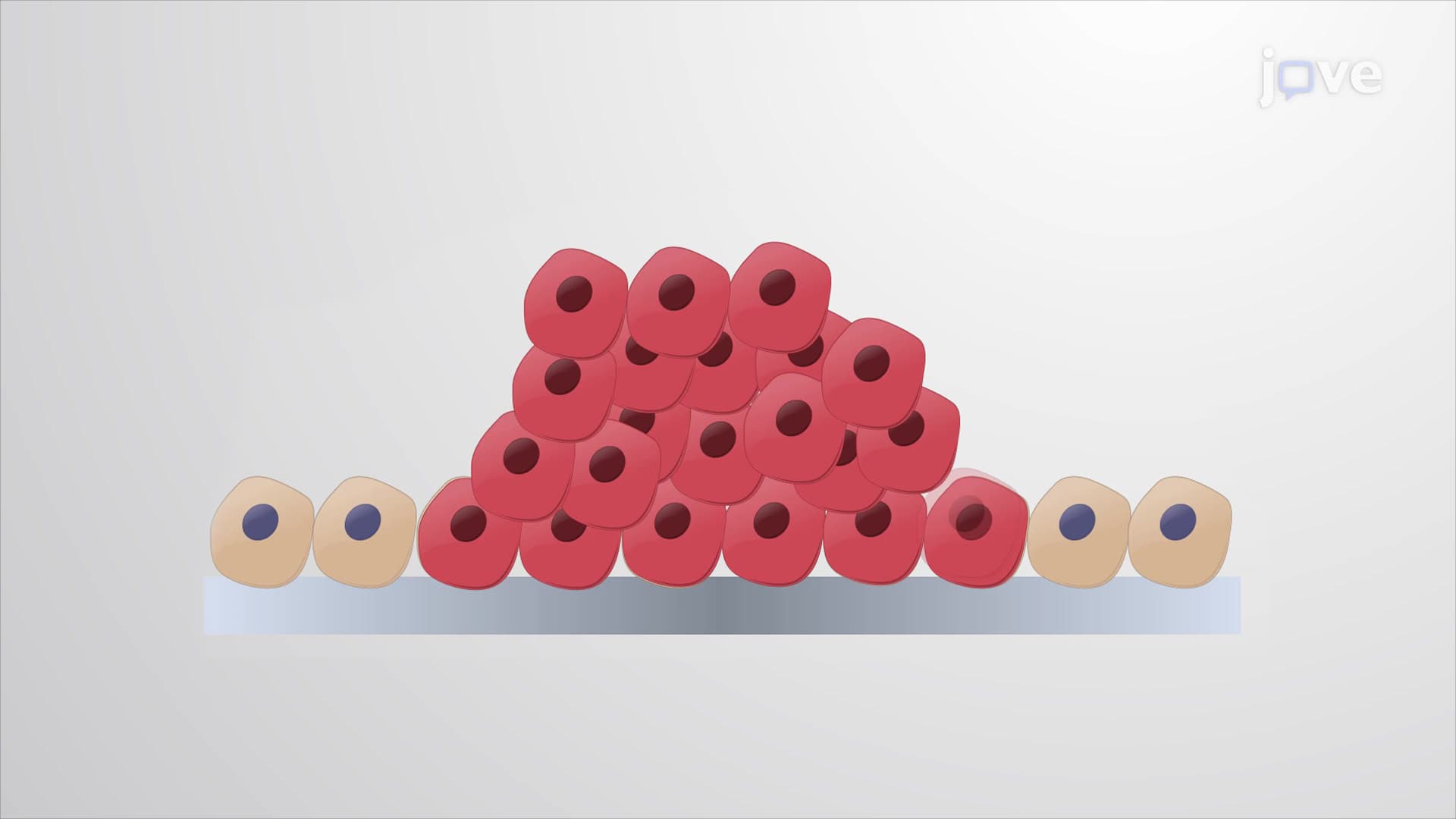
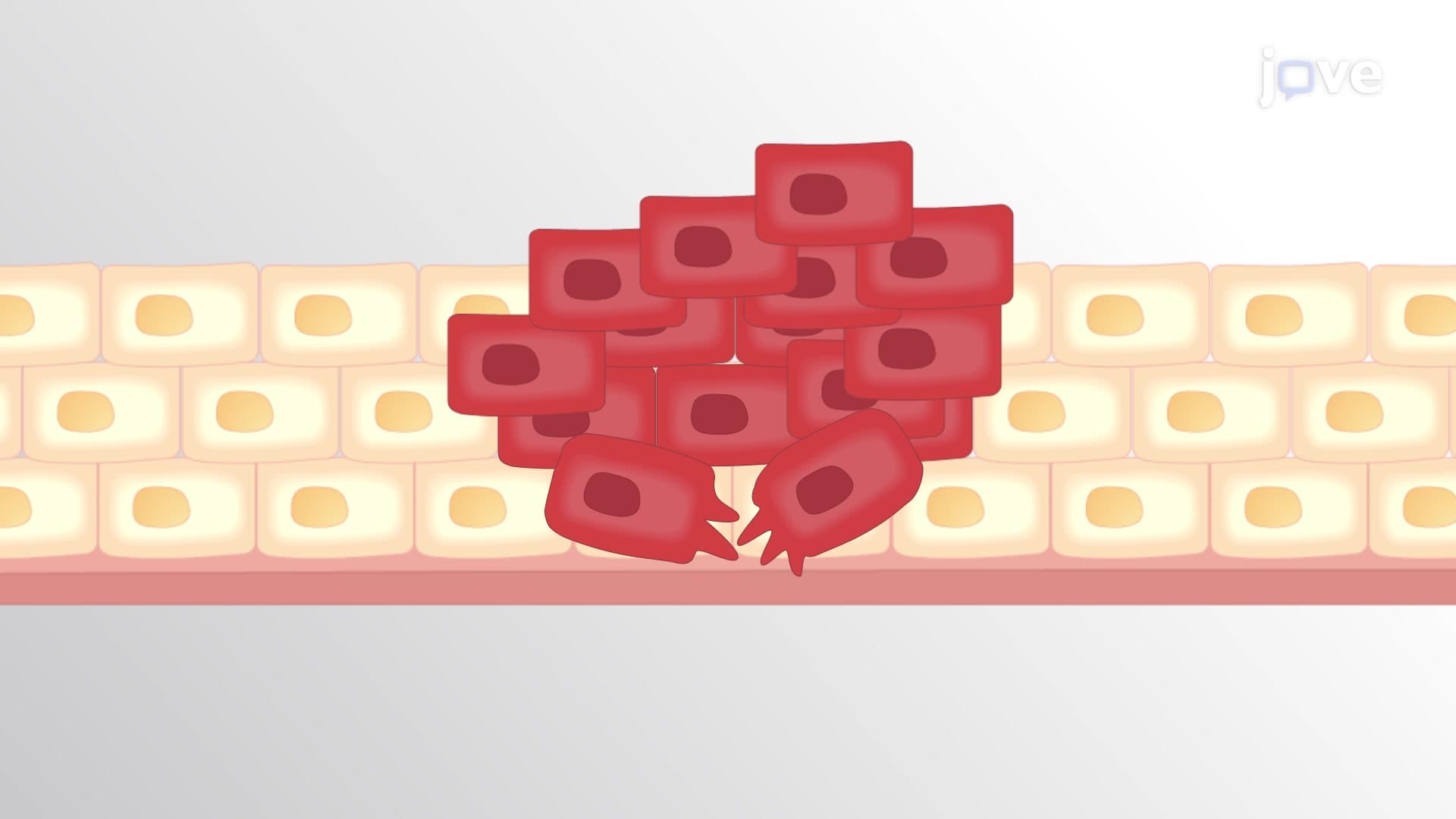
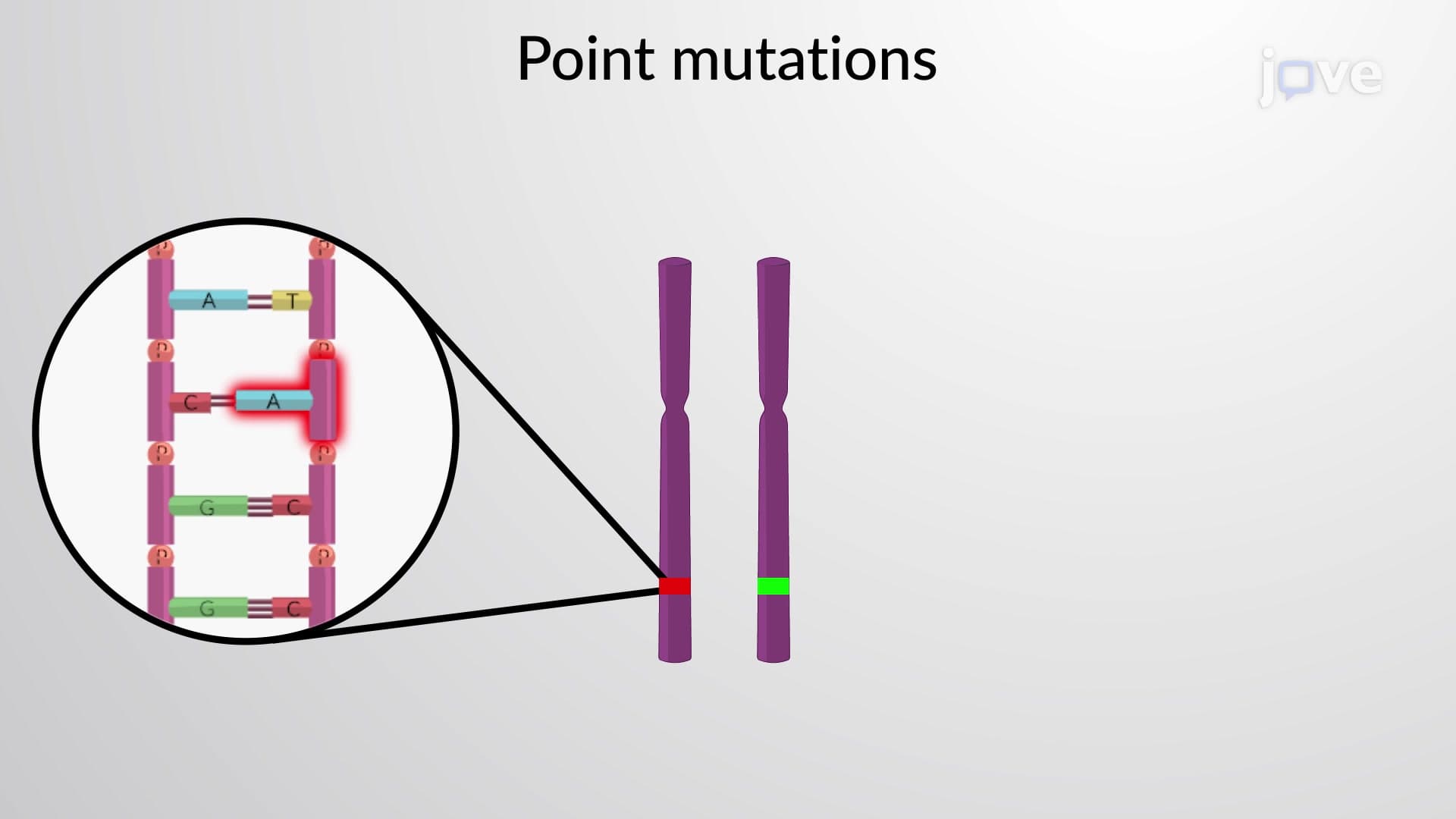
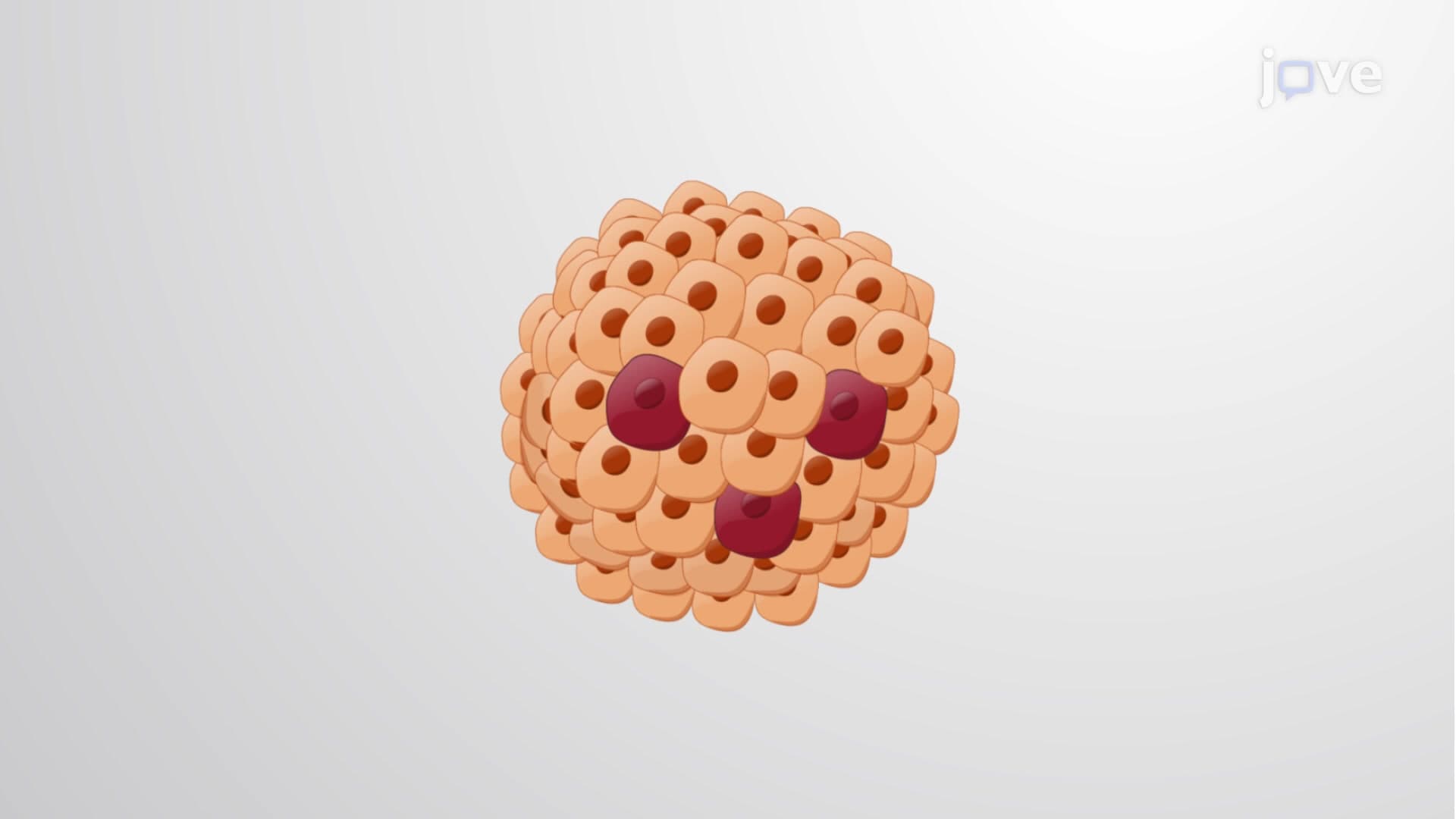
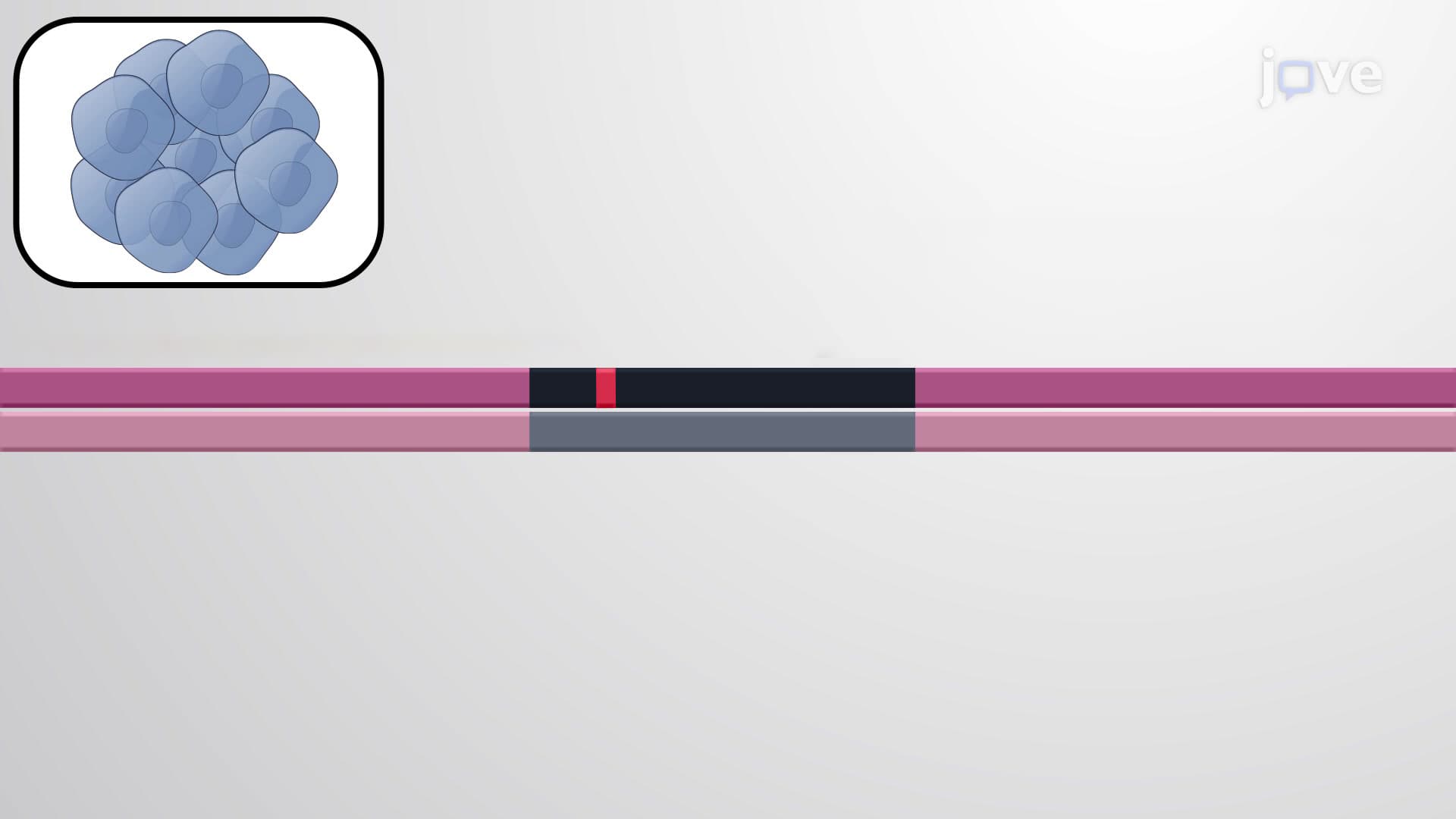
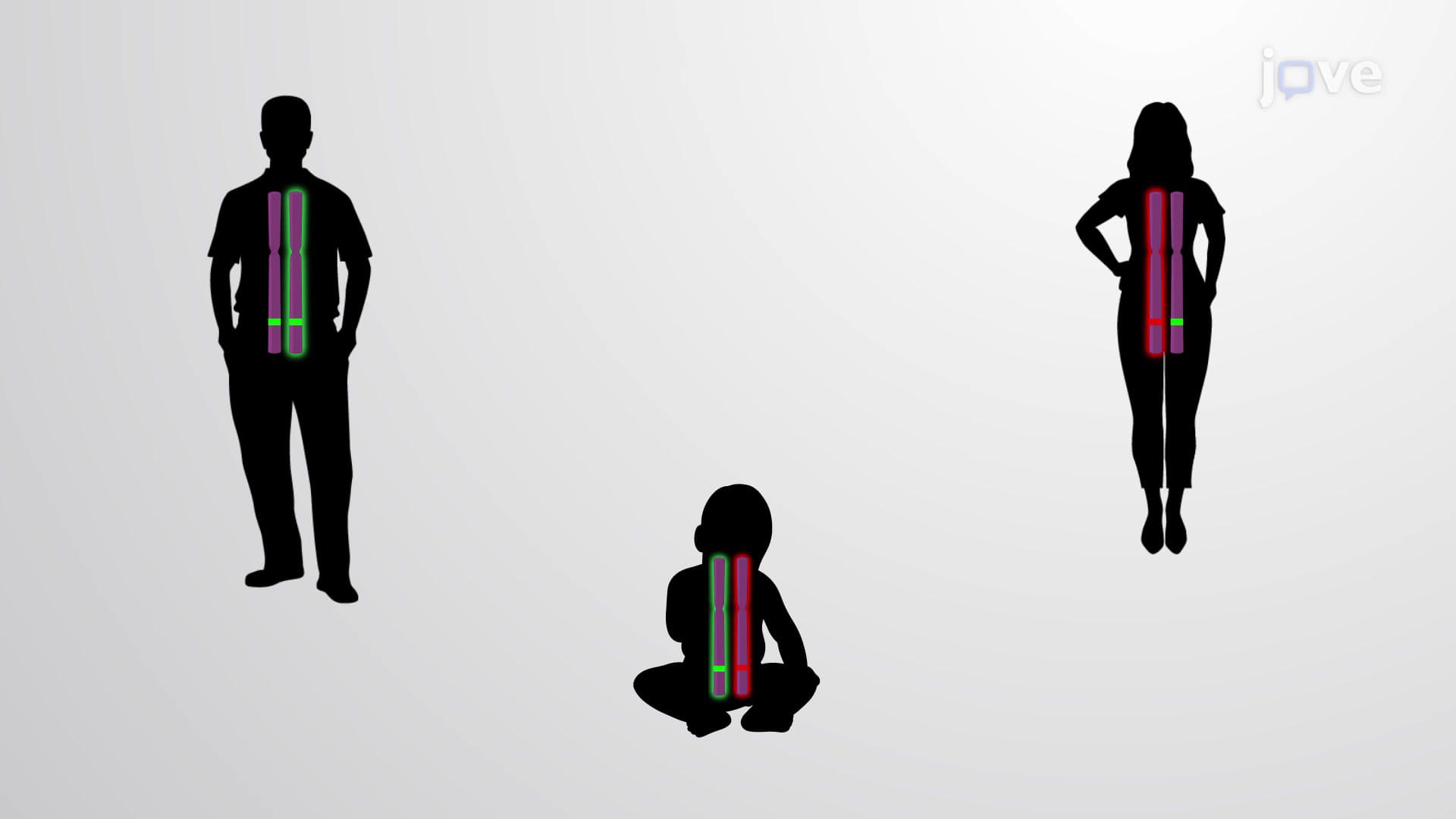
The phenomenon begins with cancer's inherent genetic instability. Unlike healthy cells, cancer cells accumulate mutations at accelerated rates, creating diverse cellular populations within a single tumor. When treatment eliminates the majority of sensitive cells, a small subset of "persister" cells-those harboring resistance mutations-survive and eventually repopulate the tumor with entirely resistant descendants.
Cancer cells employ four primary strategies to achieve treatment resistance, each representing a different biological pathway that students encounter in AP Biology and introductory college oncology courses.
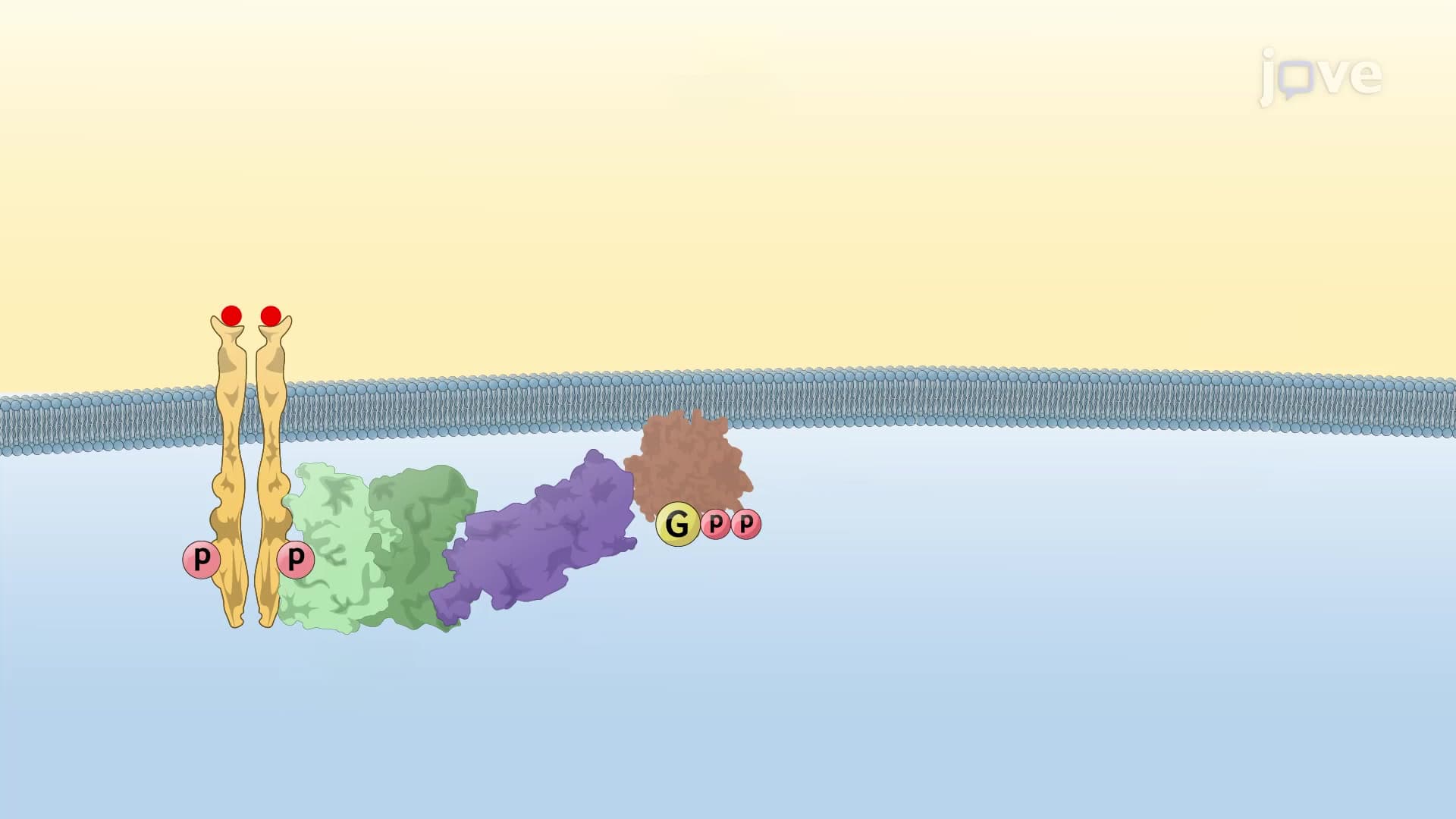
Drug Activation Inhibition occurs when cancer cells disable the cellular machinery needed to convert prodrugs into their active forms. Acute myelogenous leukemia cells demonstrate this by mutating phosphorylation pathways required for cytosine arabinoside activation. Without proper activation, the drug remains therapeutically inert despite reaching target cells.
Target Modification involves altering the specific proteins that drugs are designed to inhibit. Topoisomerase II inhibitors, commonly used in breast cancer treatment at institutions like Memorial Sloan Kettering, become ineffective when cancer cells mutate this essential DNA-processing enzyme. The altered protein can no longer bind the drug, maintaining its cellular function while rendering treatment useless.
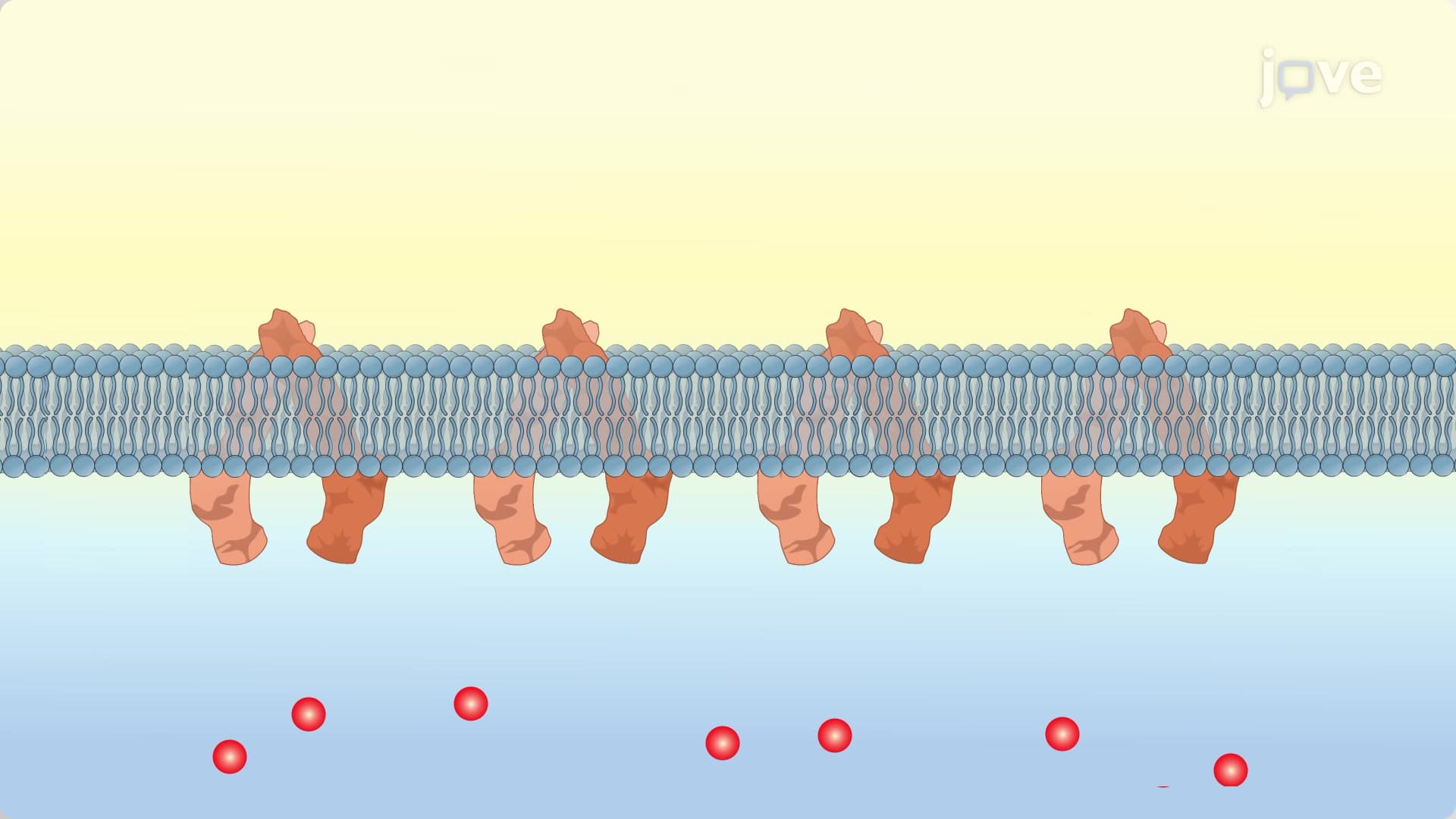
Enhanced Drug Efflux represents perhaps the most clinically significant resistance mechanism. Cancer cells overexpress ATP-binding cassette (ABC) transporters, particularly the MDR1-encoded P-glycoprotein, which actively pumps chemotherapy drugs out of cells. This mechanism creates multidrug resistance, affecting multiple therapeutic agents simultaneously and severely limiting treatment options.
Understanding these resistance mechanisms proves crucial for MCAT preparation and advanced coursework in molecular biology. Modern precision medicine approaches at leading US research hospitals increasingly focus on combination therapies designed to circumvent these cellular escape routes, representing the next frontier in cancer treatment strategy.
Related Micro-courses