Loading subject page…


146,122 views


Video Summary: What Is Adaptive Mechanisms
Did you know that cancer cells can rewire their entire metabolism to survive in oxygen-starved environments, similar to how athletes' muscles switch energy systems during intense exercise? Adaptive mechanisms represent the cellular processes that allow organisms to modify their behavior and physiology in response to environmental challenges. In cancer research at institutions like Johns Hopkins University, scientists study how tumor cells develop these survival strategies to overcome obstacles like contact inhibition and oxygen deprivation. Watch the full video on JoVE Coach to master this concept with expert-led visuals and step-by-step explanations.
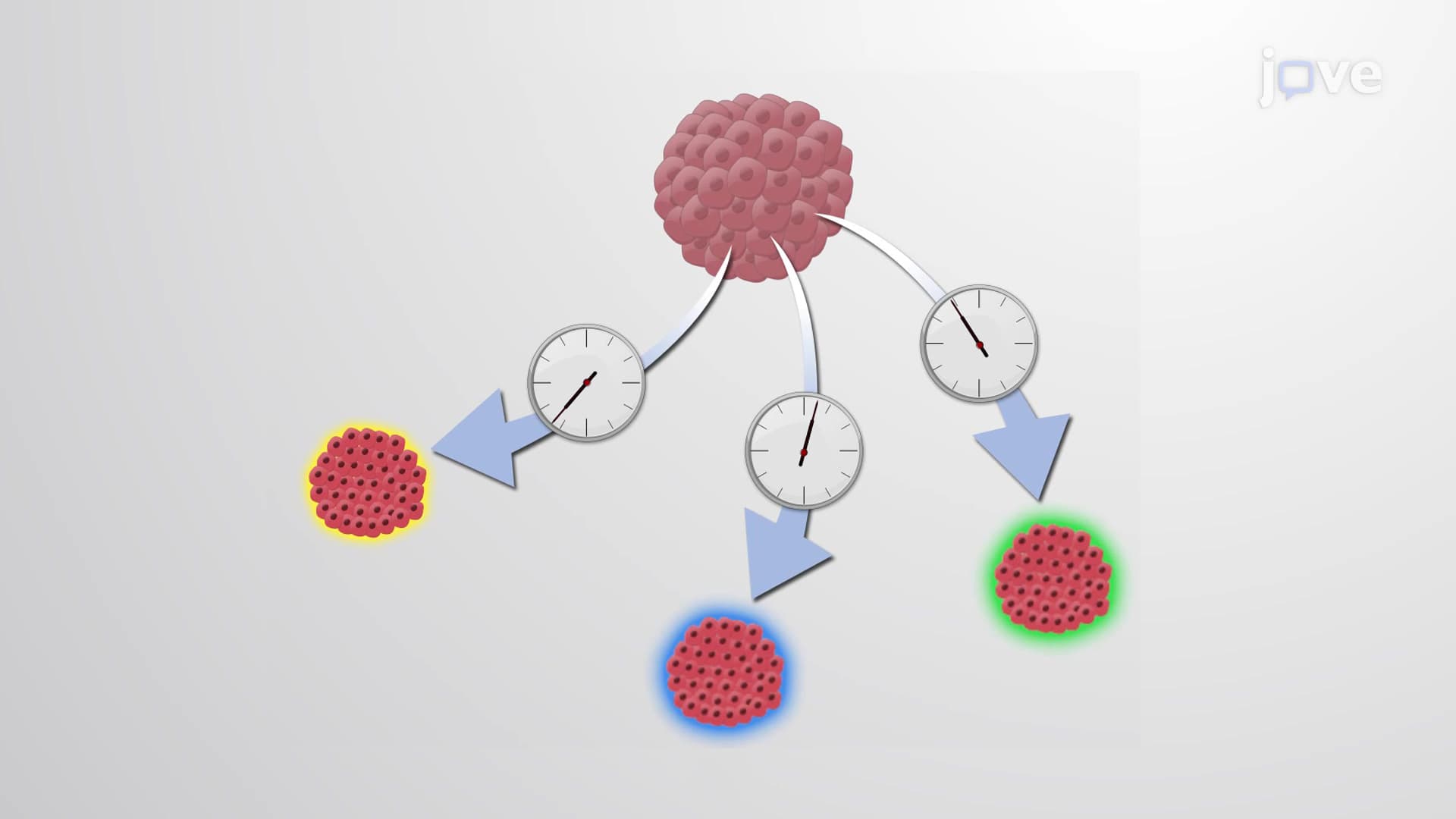
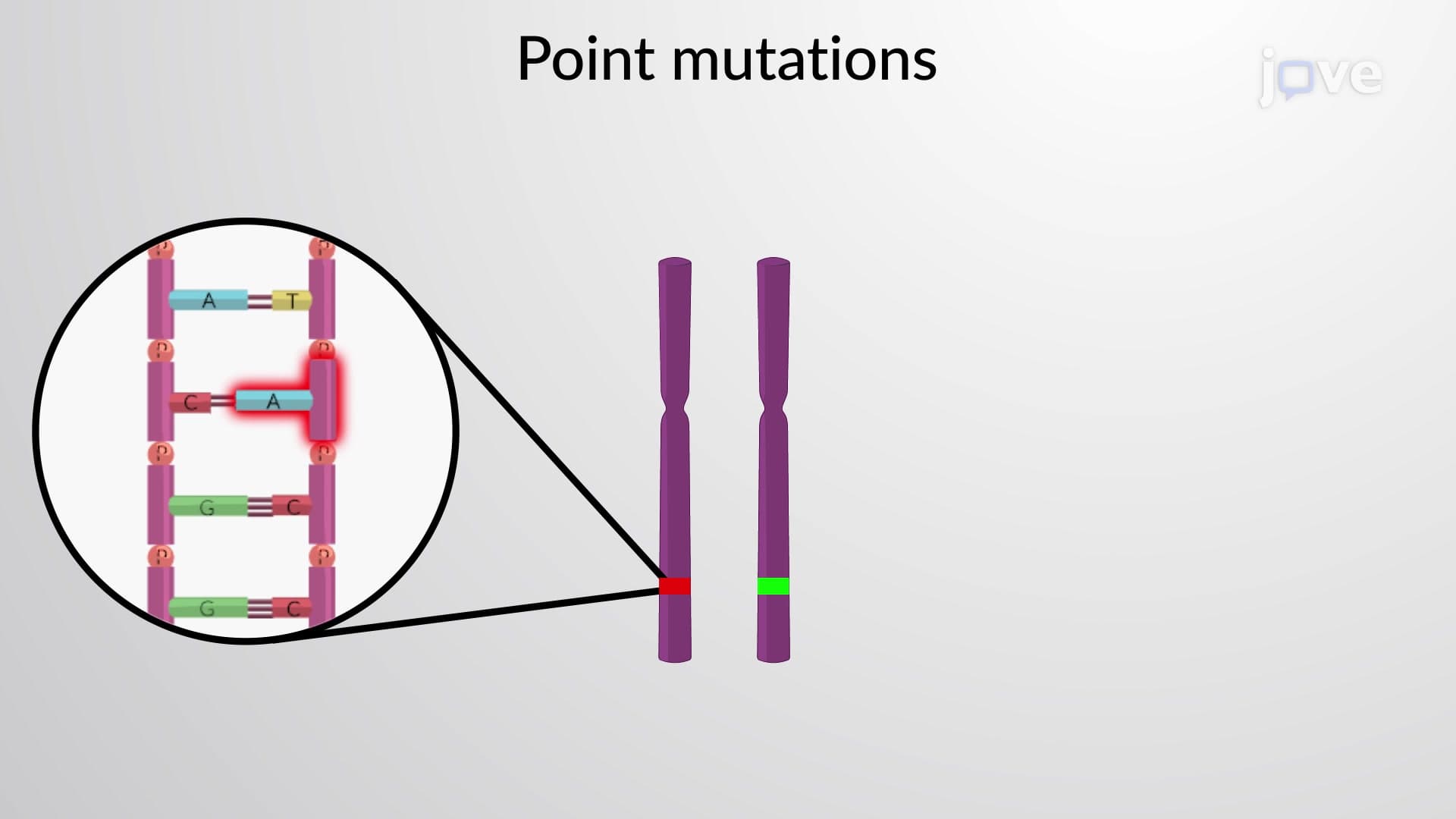
Adaptive mechanisms represent the fundamental cellular processes that allow organisms to modify their structure, function, or behavior in response to environmental pressures. In cancer biology, these mechanisms become hijacked, enabling malignant cells to survive and thrive under conditions that would normally eliminate them. Unlike normal cells that follow strict regulatory pathways, cancer cells develop a "mutator phenotype" - a condition where defective DNA repair systems actually become advantageous by generating the genetic diversity needed for survival.
The mutator phenotype exemplifies how adaptive mechanisms can be both beneficial and harmful. While healthy cells maintain stringent DNA repair systems to prevent mutations, cancer cells with compromised repair mechanisms gain access to rapid genetic variation. This increased mutation rate, typically viewed as detrimental, becomes a survival tool that allows cancer cells to quickly adapt to new challenges.
Consider how this applies to real-world cancer treatment: when oncologists at MD Anderson Cancer Center treat patients with chemotherapy, some cancer cells may initially die, but others with adaptive mutations survive and proliferate, leading to drug resistance. This concept frequently appears on AP Biology exams and MCAT questions, where students must explain how genetic instability paradoxically aids cancer progression.
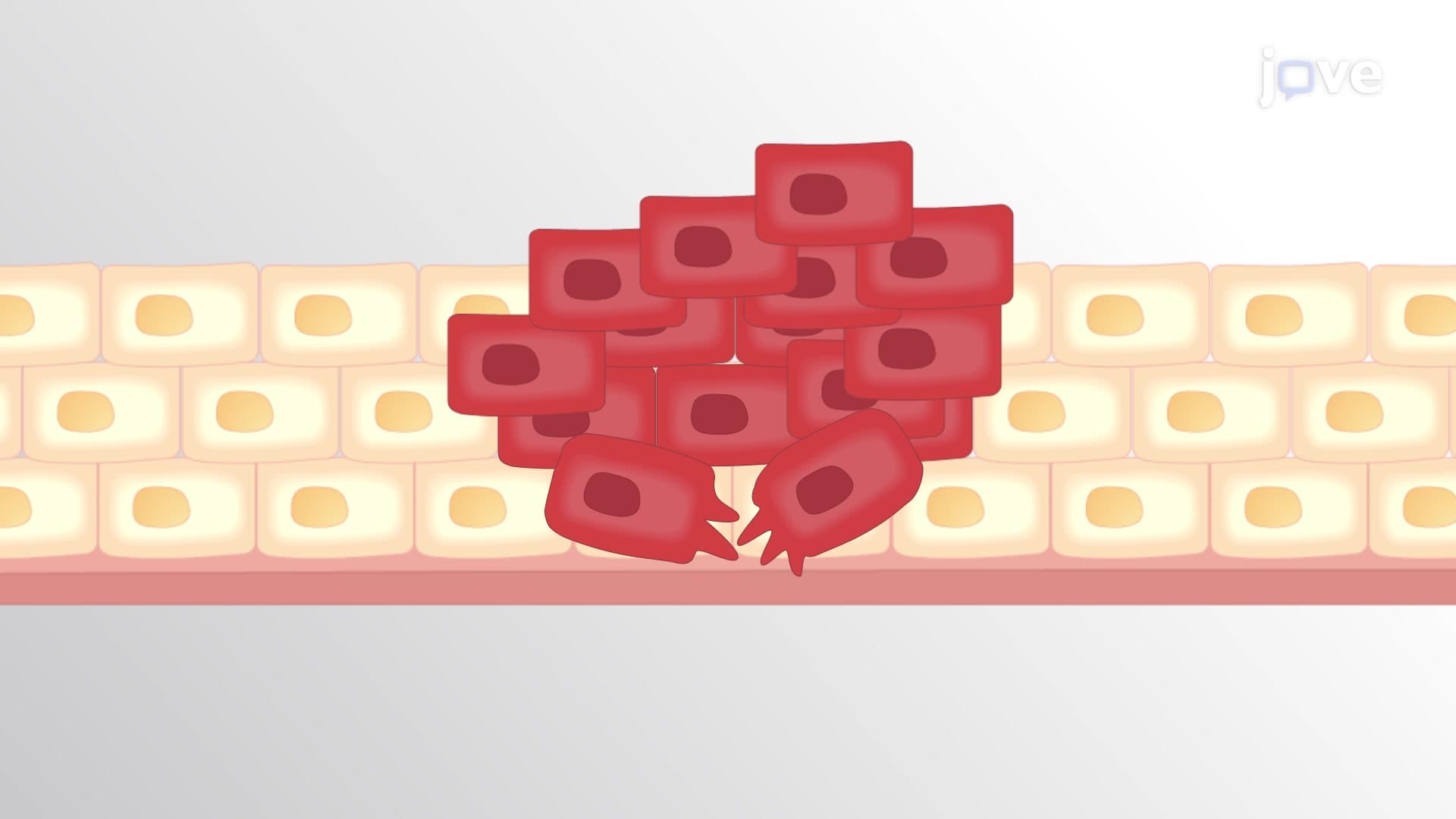
Normal cells possess built-in safety mechanisms that prevent uncontrolled growth. Contact inhibition stops healthy cells from dividing when they touch neighboring cells, while replicative senescence limits the number of times cells can divide. Cancer cells develop adaptive mechanisms to bypass these protective barriers.
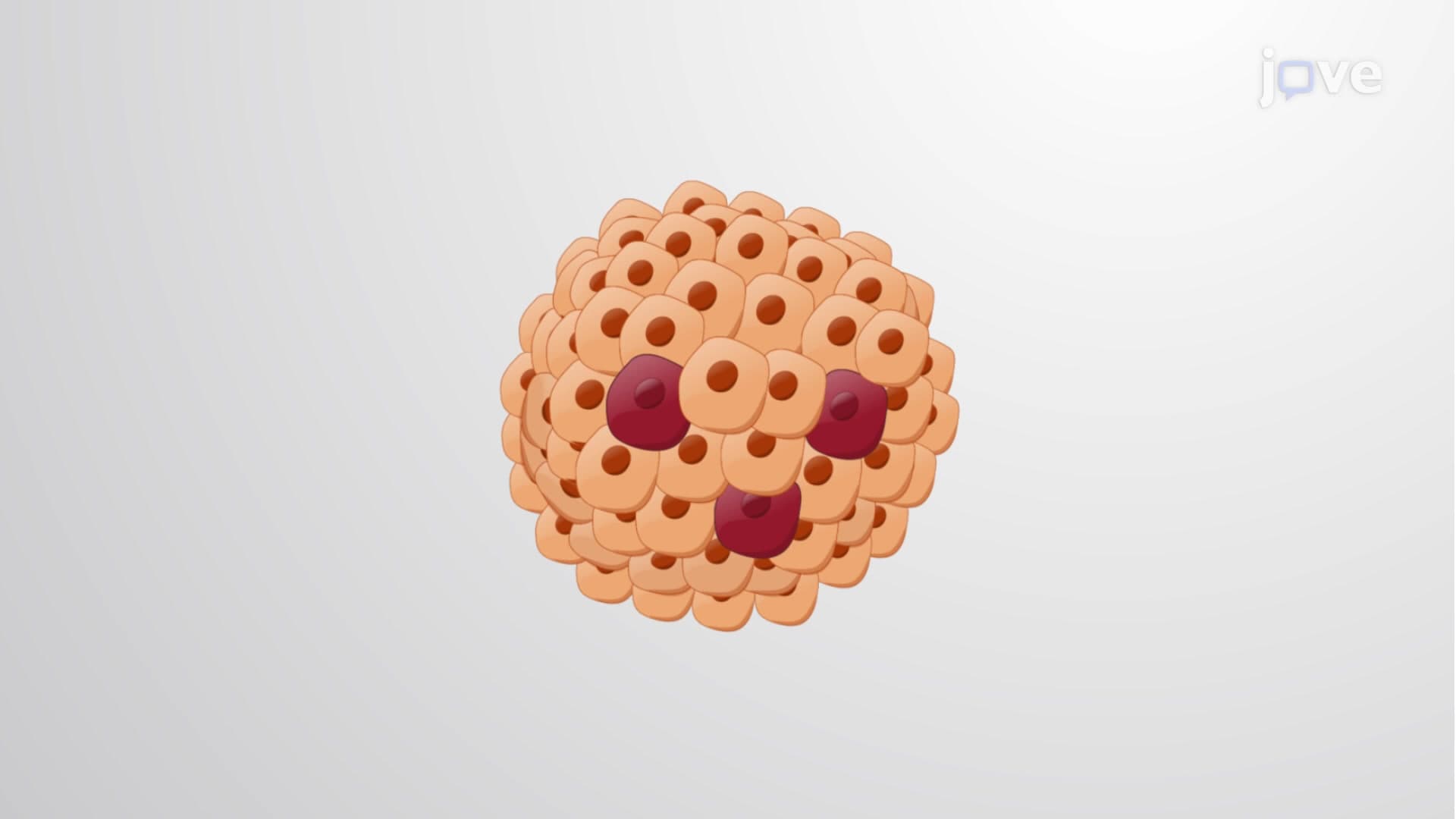
For instance, when studying tumor samples at the National Cancer Institute, researchers observe how cancer cells can form multilayered masses by ignoring contact inhibition signals. Additionally, many cancer cells activate telomerase enzymes to overcome senescence limitations, effectively becoming "immortalized." These concepts are crucial for understanding cancer biology in college-level courses and frequently appear in USMLE Step 1 examinations.
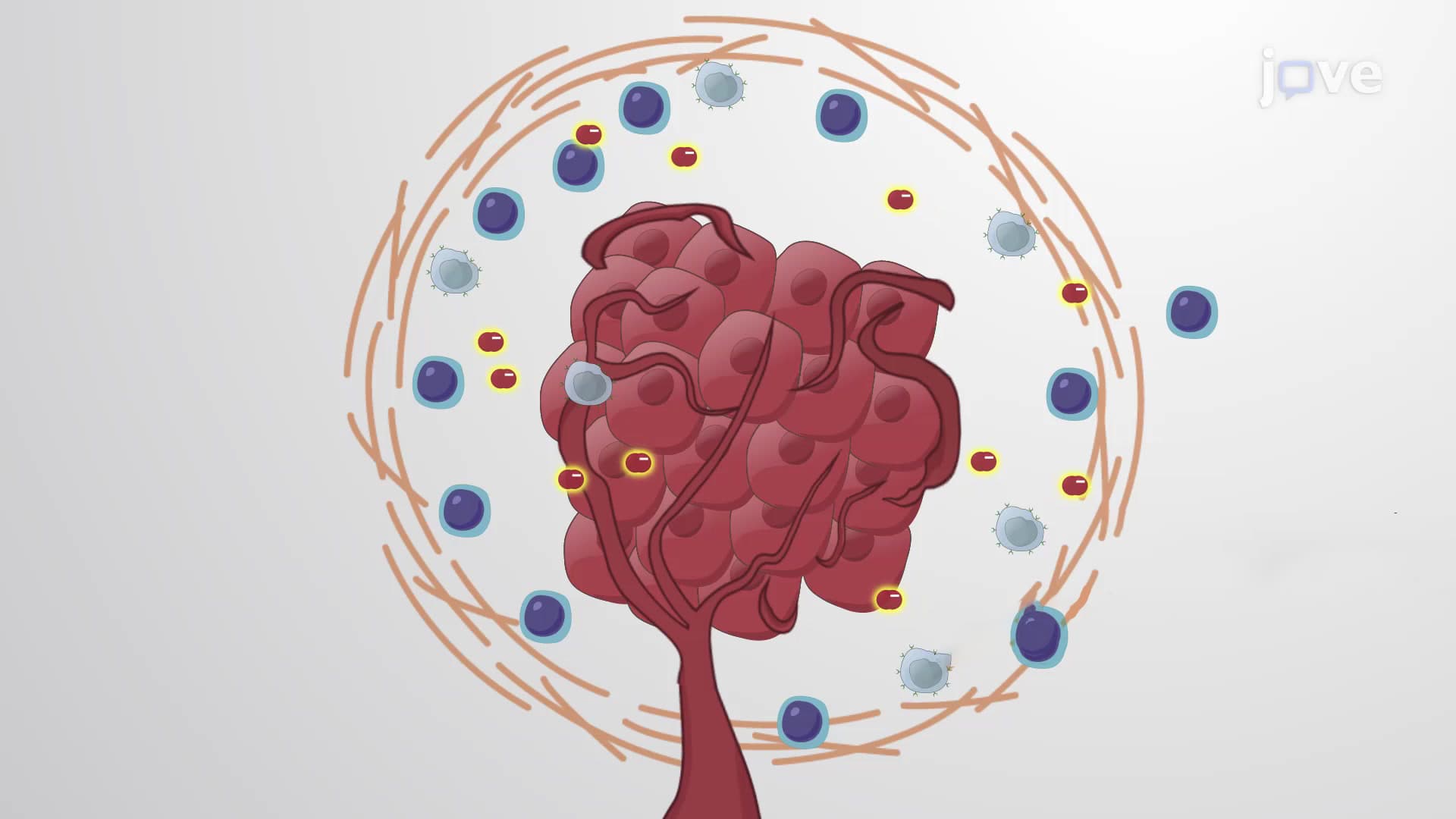
Perhaps the most striking example of adaptive mechanisms in cancer involves metabolic reprogramming. The Warburg effect demonstrates how cancer cells fundamentally alter their energy production systems to support rapid growth. While normal cells prefer efficient oxidative phosphorylation under oxygen-rich conditions, cancer cells consistently utilize less efficient glycolysis regardless of oxygen availability.
This metabolic switch serves multiple adaptive purposes: it provides rapid ATP bursts needed for quick proliferation, generates biosynthetic precursors for cell construction, and helps cancer cells survive in low-oxygen tumor interiors. Understanding this concept helps explain why PET scans, which detect glucose uptake, are effective cancer diagnostic tools used in hospitals across the United States.
Related Micro-courses