Loading subject page…


146,122 views

Video Summary: What Is Cancers Originate
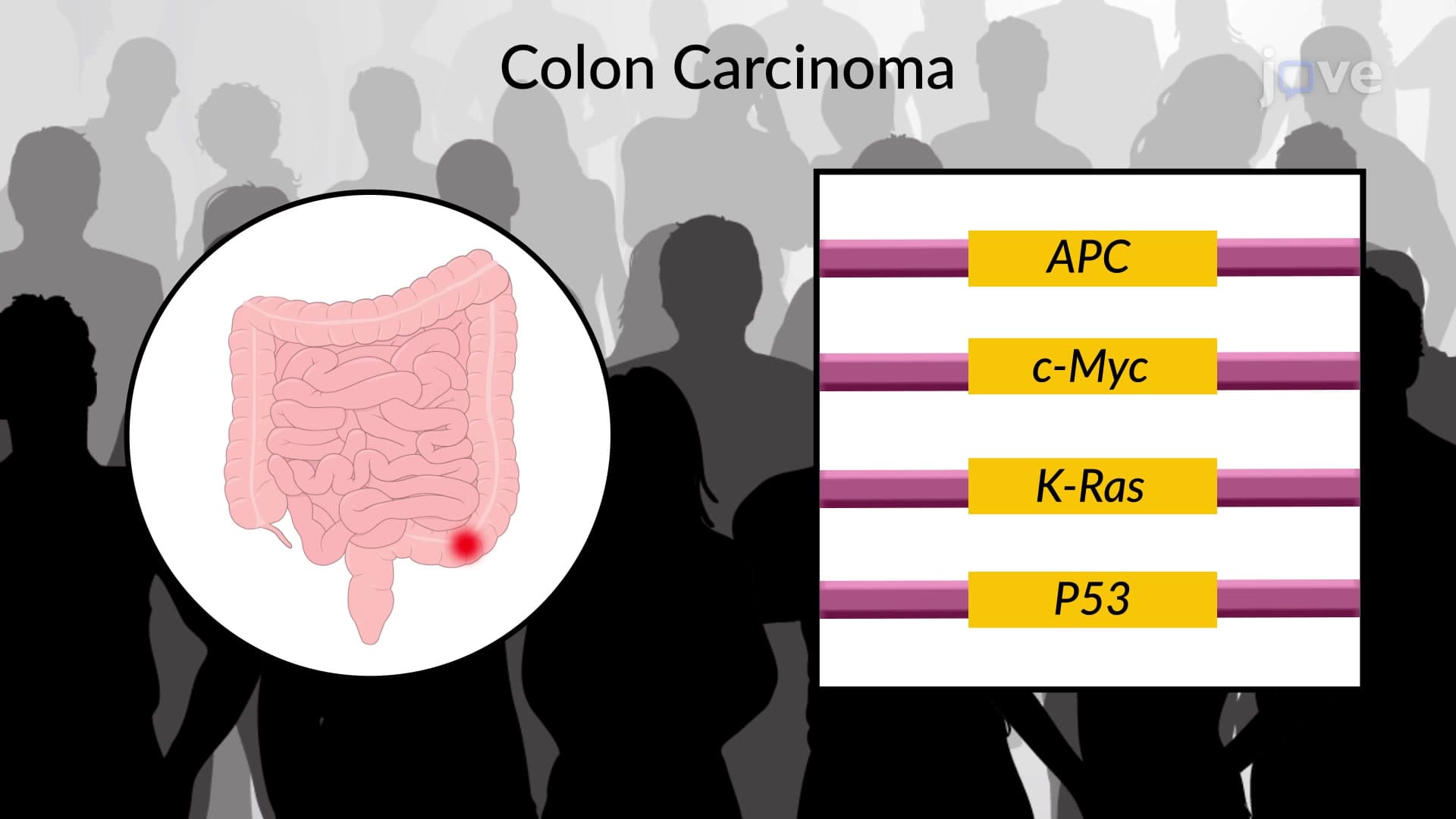
Did you know that the 600,000+ Americans diagnosed with cancer annually all started with just one faulty cell? Understanding how cancers originate reveals why a single genetic mistake isn't enough-it takes multiple "hits" over time to transform healthy cells into malignant tumors. The colon cancer cases at major US medical centers like Mayo Clinic demonstrate this multi-step process, where cells accumulate mutations in genes like APC and p53. Watch the full video on JoVE Coach to master this concept with expert-led visuals and step-by-step explanations.
The question of how cancers originate centers on understanding that cancer is fundamentally a genetic disease requiring multiple sequential mutations. Unlike infectious diseases that result from external pathogens, cancer develops through an internal cellular rebellion where normal growth controls fail systematically.
Cancer development follows the multi-hit hypothesis, which states that malignant transformation requires at least 5-6 independent genetic alterations occurring sequentially. This explains why cancer incidence increases dramatically with age-cells need time to accumulate these rare mutations. For example, colorectal cancer patients treated at institutions like MD Anderson Cancer Center typically show mutations in APC (85% of cases), followed by K-Ras (40%), and p53 (60%), demonstrating this stepwise progression.
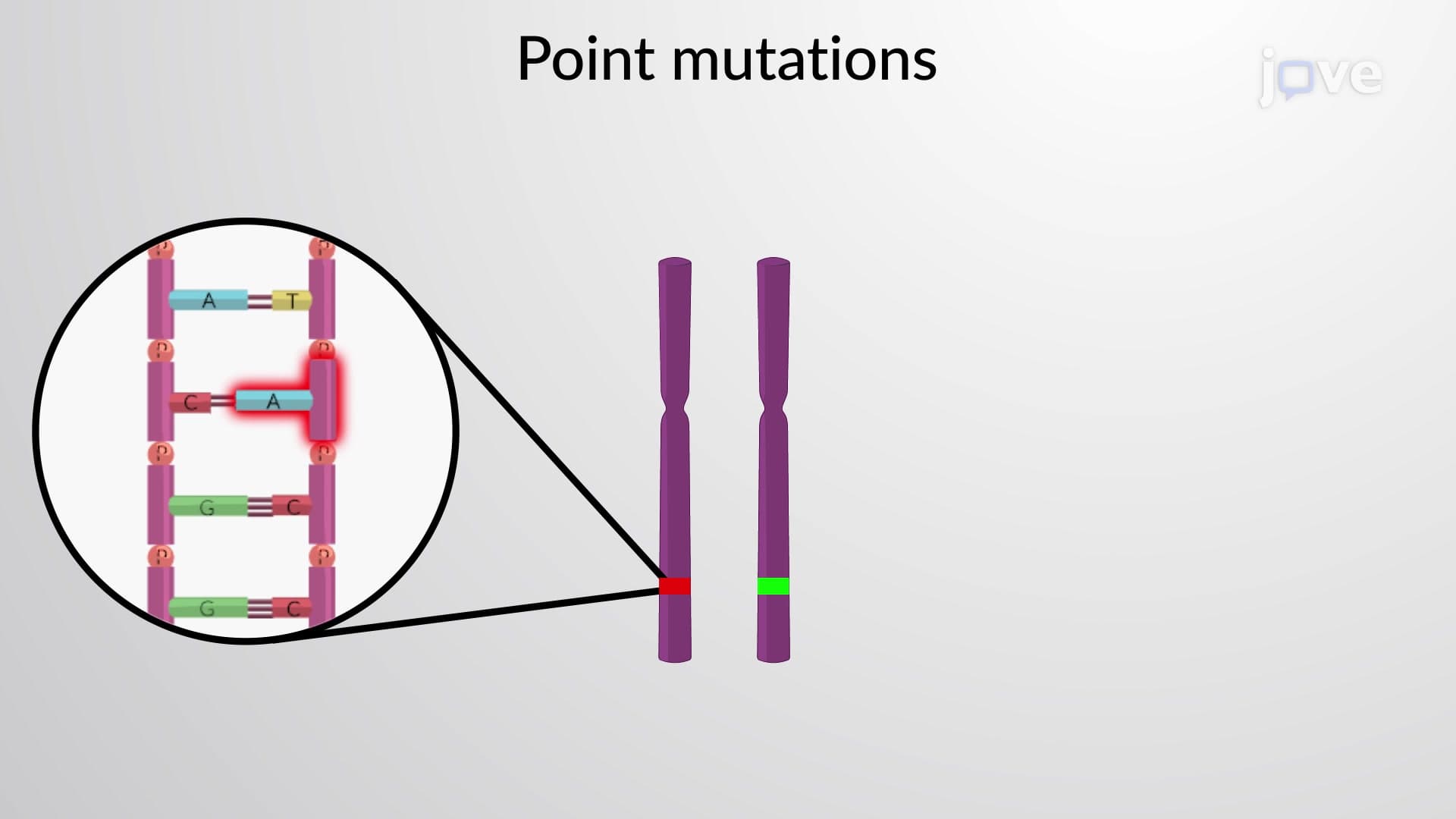
Over 95% of cancer-causing mutations are somatic, meaning they develop during a person's lifetime rather than being inherited. The remaining 5% represent hereditary cancer syndromes like BRCA1/BRCA2 mutations in breast cancer. This distinction is crucial for AP Biology students and pre-med undergraduates studying for the MCAT, as it explains why most cancers aren't directly passed from parents to children.
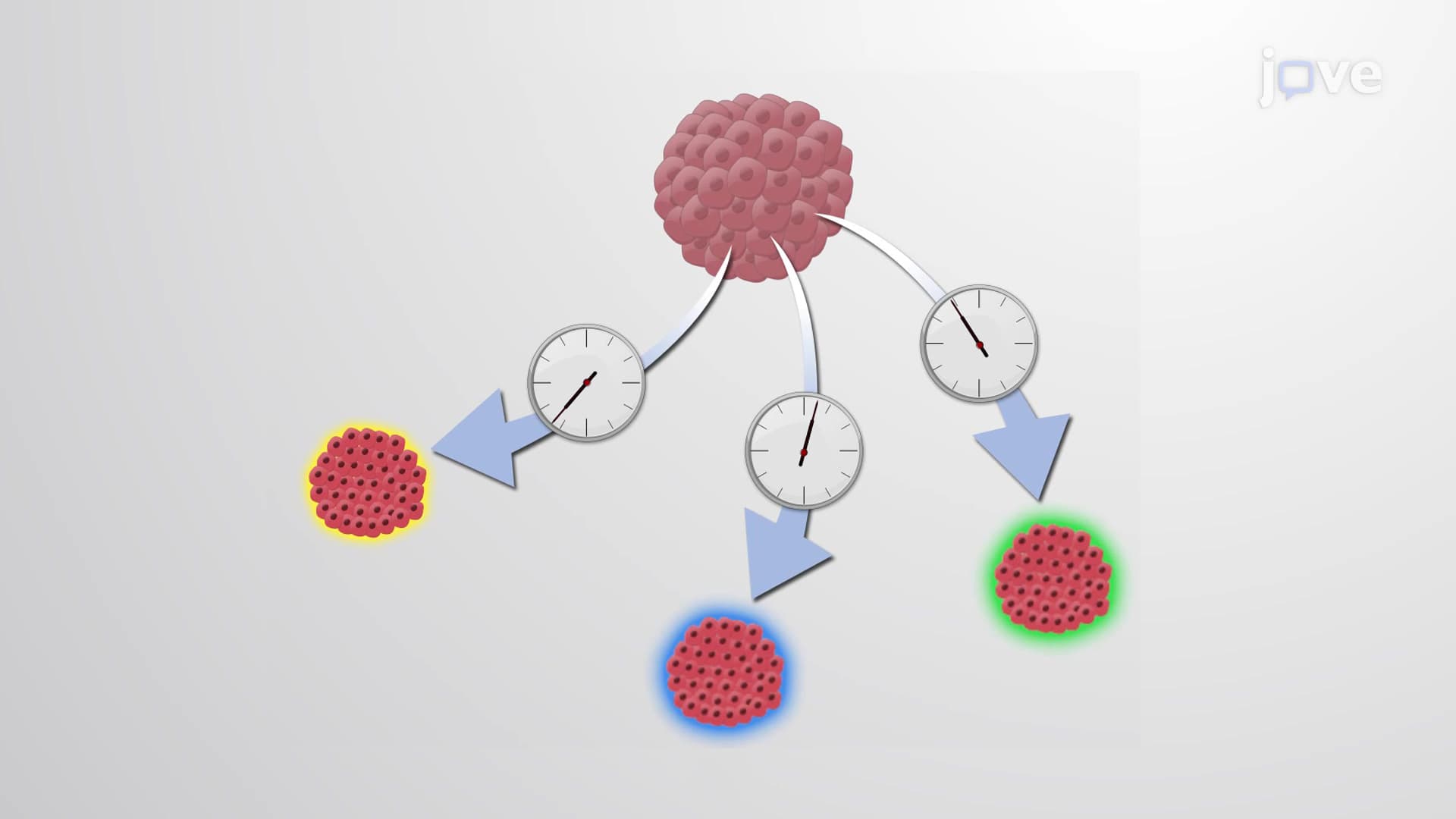
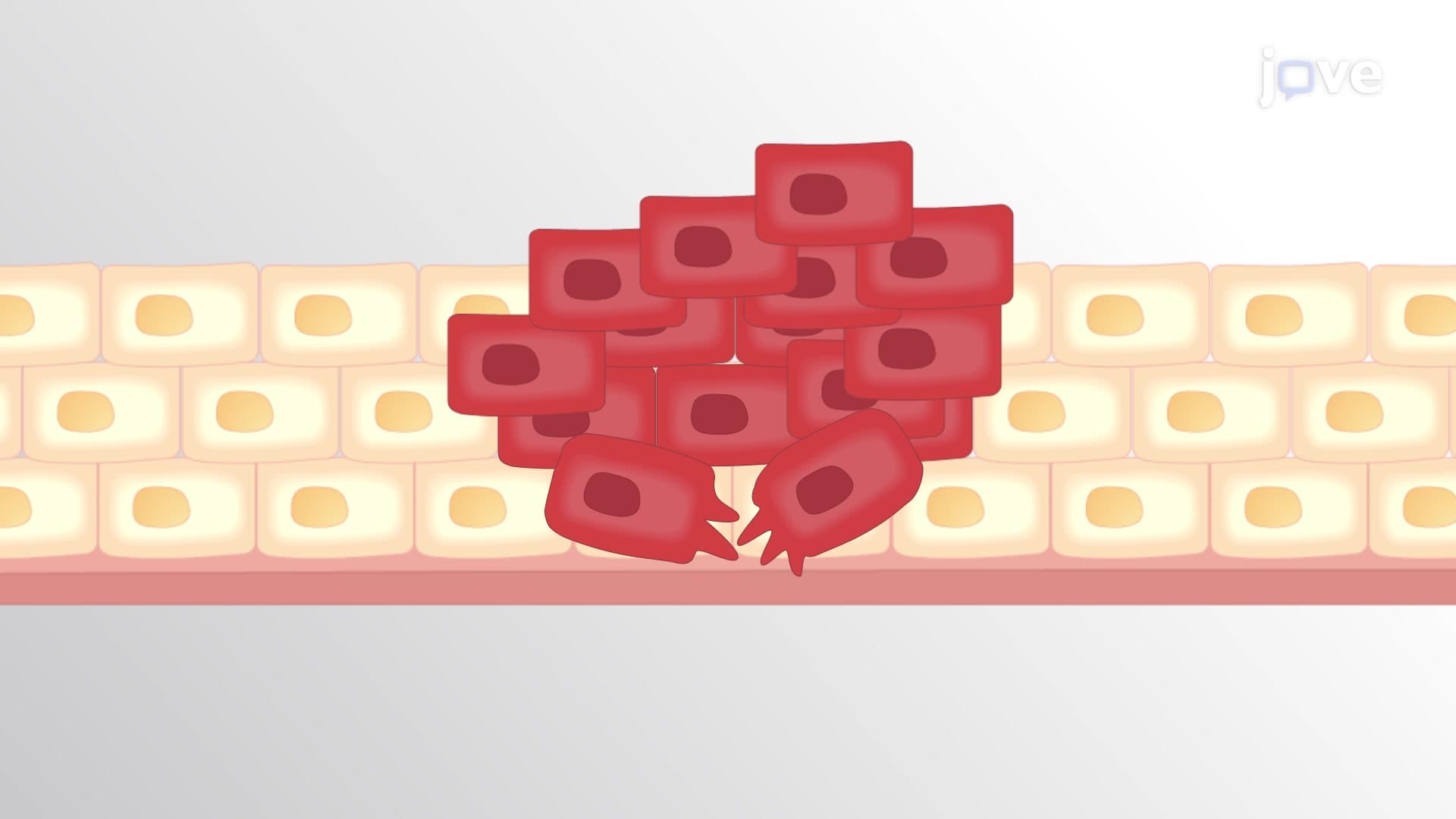
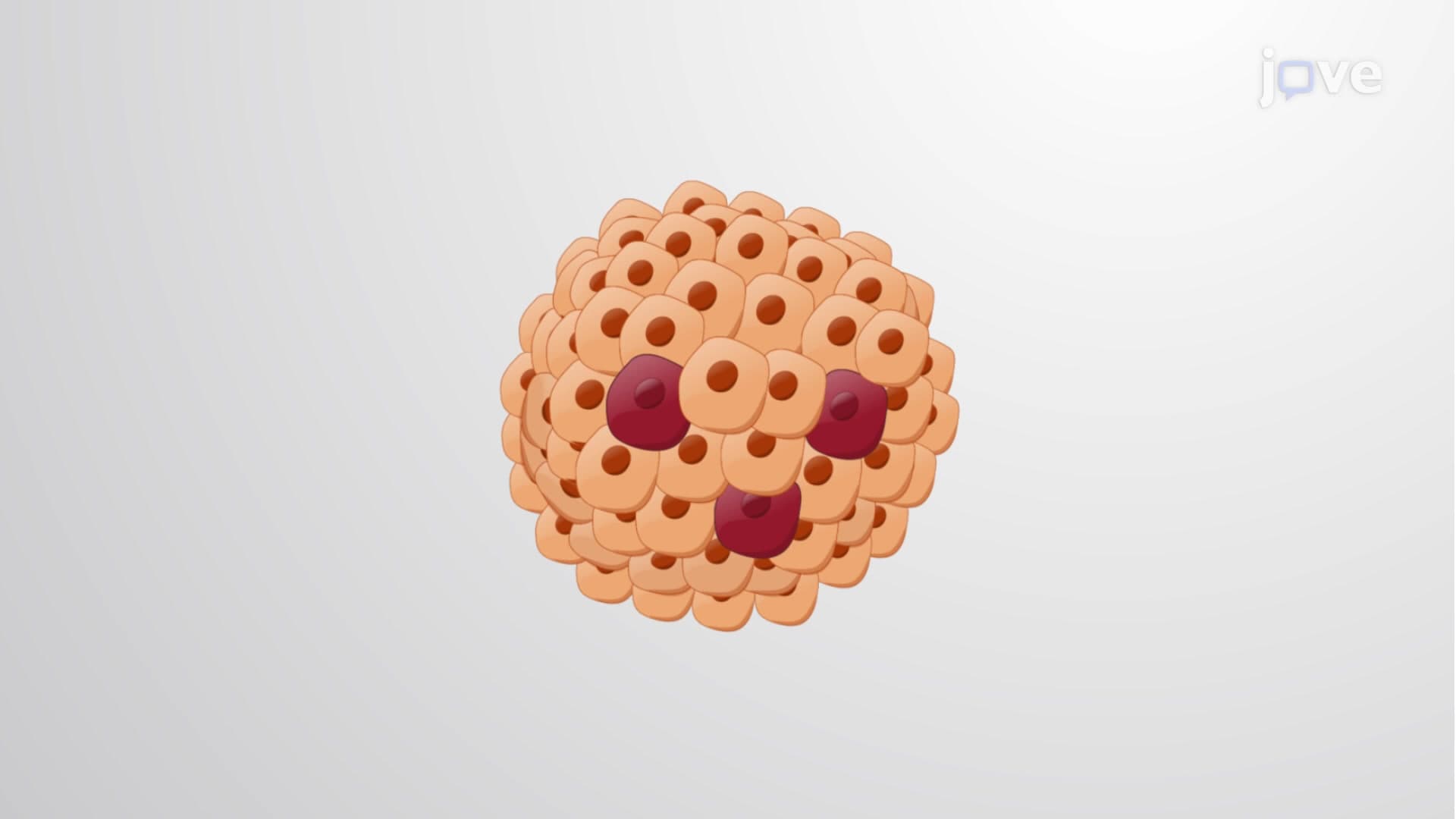
The cancer origination process begins when one cell acquires a growth advantage through mutation. Consider how this unfolds: Cell A mutates in a growth control gene, dividing faster than neighbors. Among its descendants, Cell B acquires a second mutation affecting DNA repair, accelerating future mutation rates. Cell C then gains a third mutation preventing normal cell death (apoptosis). This clonal evolution continues until a mass of abnormal cells forms, eventually becoming clinically detectable cancer.
Understanding this process helps students tackle challenging questions on standardized tests like the AP Biology exam, where cancer genetics frequently appears in free-response sections. Medical school applicants studying for the MCAT will encounter similar concepts in their biochemistry and biology sections.
Related Micro-courses