Loading subject page…


146,122 views

Video Summary: What Is Metastasis
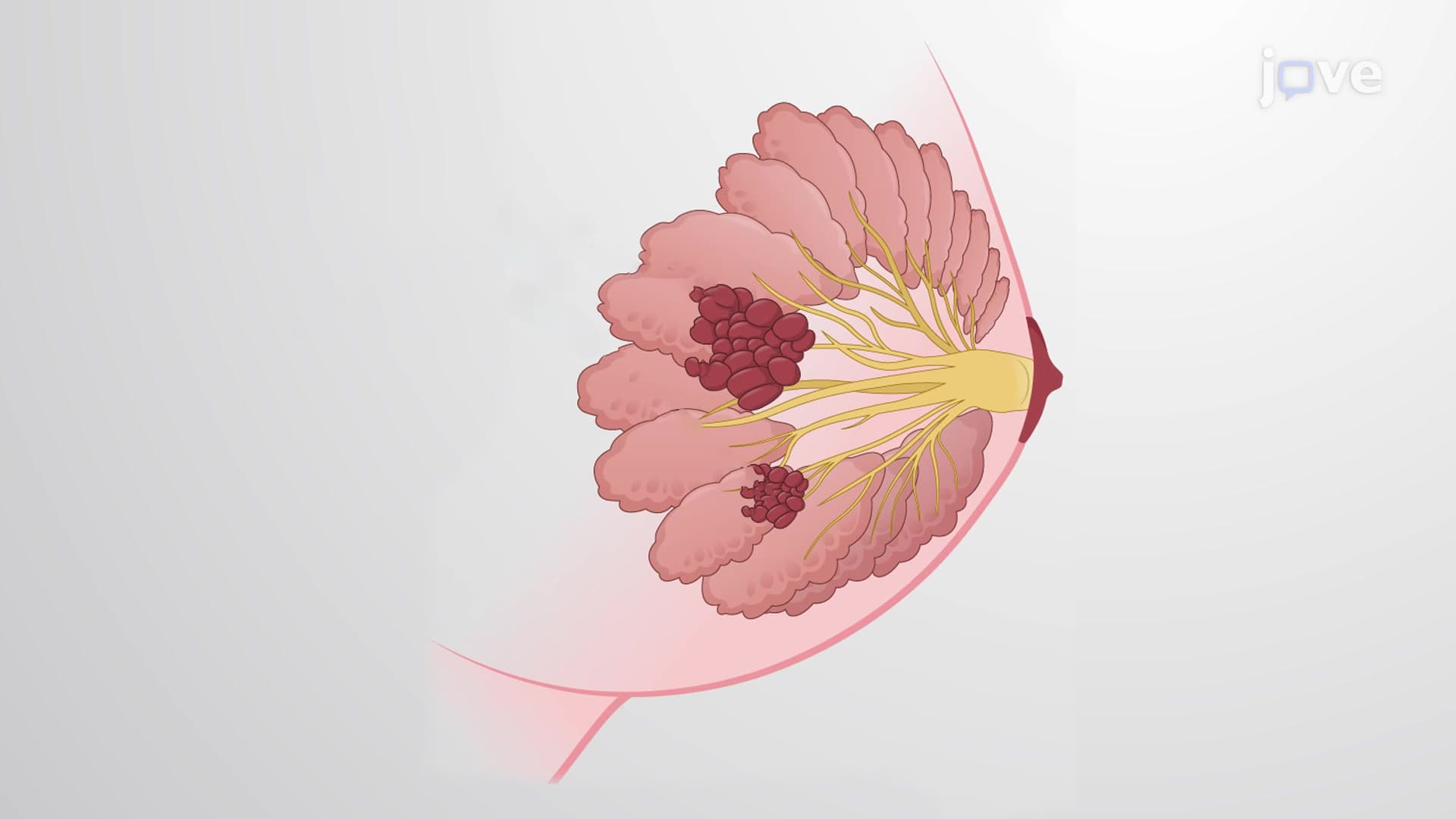
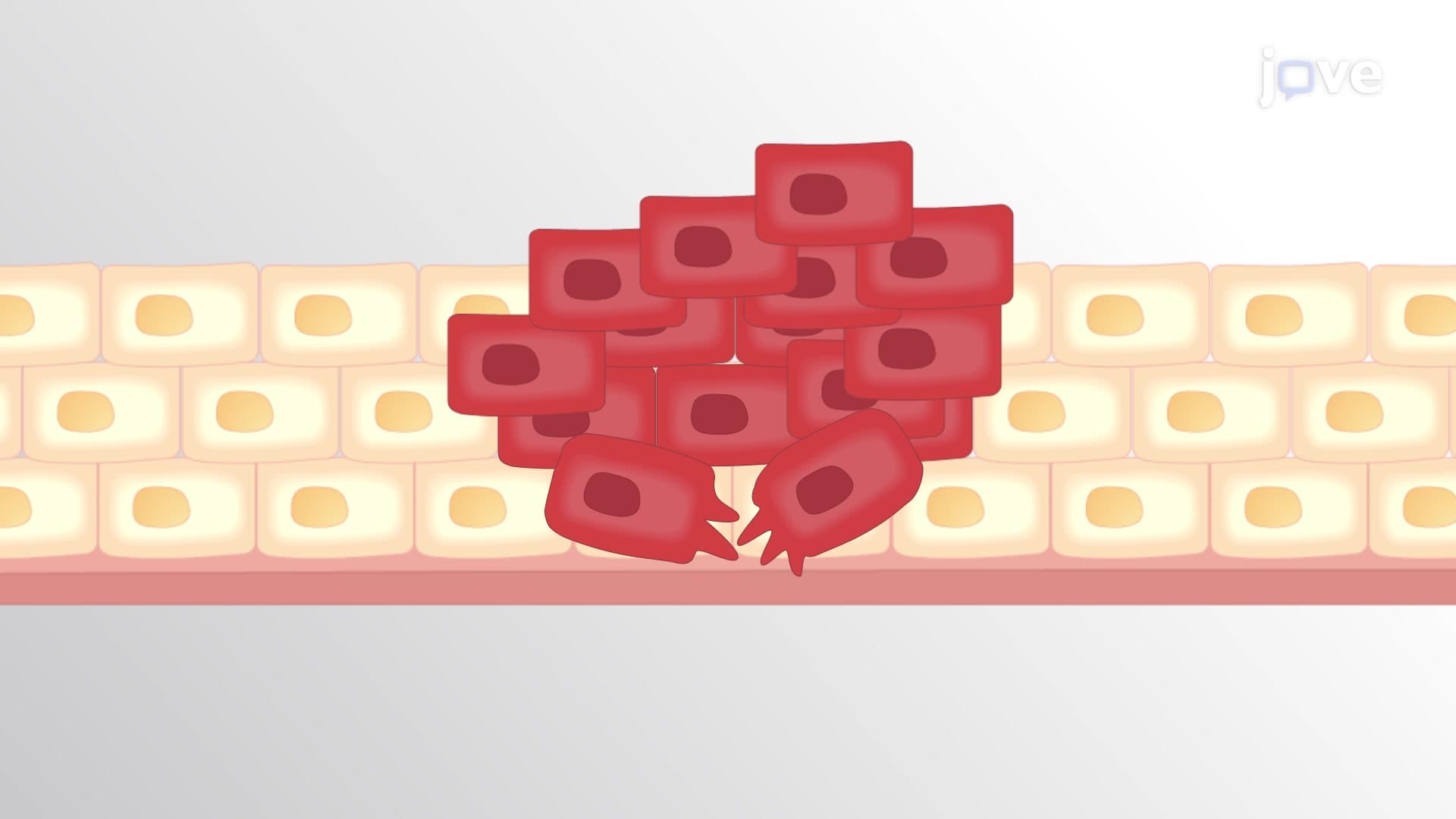
Did you know that only one in a million cancer cells successfully spreads to other parts of the body? Metastasis, the process by which cancer cells break free from their original tumor and establish secondary tumors elsewhere, represents one of biology's most complex cellular journeys. Consider how breast cancer cells can travel from the breast to establish tumors in bones, liver, or brain-a process that requires overcoming multiple biological barriers. This intricate multi-step process involves cellular transformation, invasion, circulation survival, and colonization of distant tissues. Watch the full video on JoVE Coach to master this concept with expert-led visuals and step-by-step explanations.
What is metastasis represents a fundamental question in oncology that every pre-med and biology student must master. Metastasis describes the complex biological process where cancer cells spread from their primary tumor site to establish secondary tumors in distant organs. This process distinguishes benign tumors from malignant cancers and represents the leading cause of cancer-related deaths in the United States.
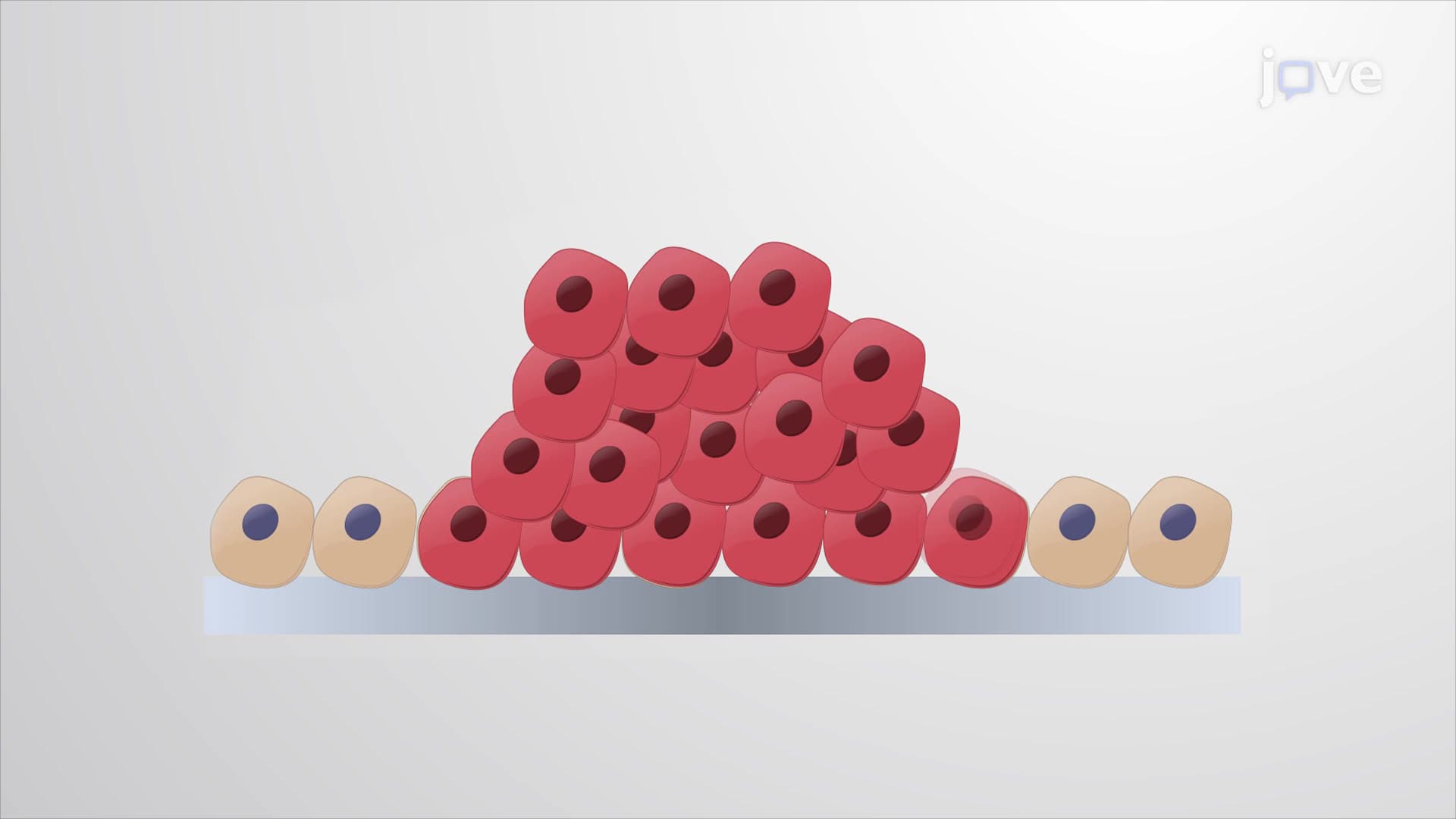
The metastatic process involves several critical steps that students often encounter on AP Biology exams and college-level assessments. First, cancer cells undergo epithelial-mesenchymal transition (EMT), where they lose their adherent properties and gain migratory capabilities. Key transcription factors like Snail and Twist orchestrate this transformation by suppressing E-cadherin expression-a concept frequently tested on the MCAT.
During invasion, cancer cells extend specialized protrusions called invadopodia that secrete matrix metalloproteinases (MMPs). These enzymes digest the basement membrane, allowing cells to penetrate surrounding tissues. Students studying for medical school entrance exams should note how this process mirrors normal developmental processes but occurs aberrantly in cancer.
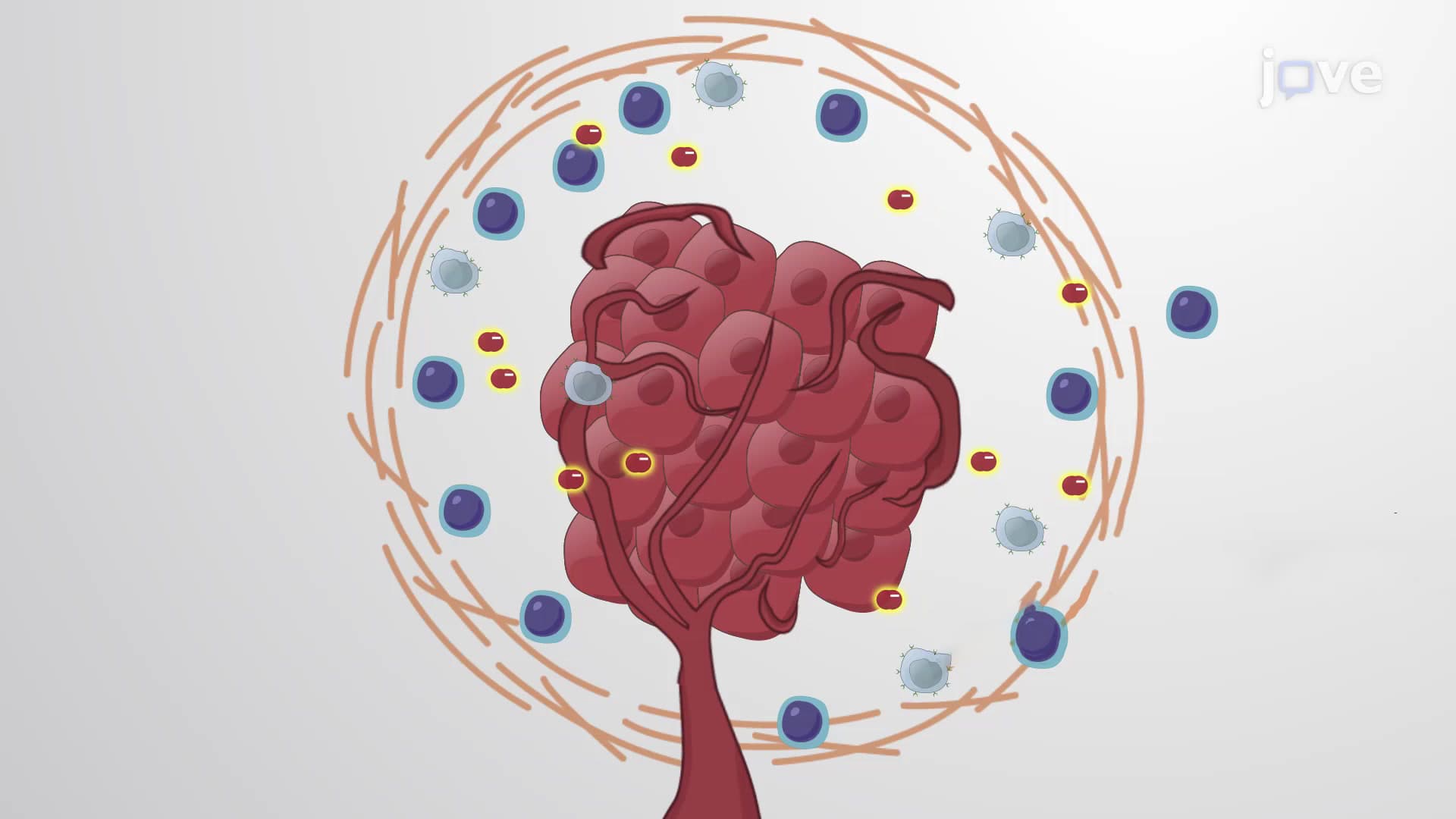
Once cancer cells enter blood circulation through intravasation, they become circulating tumor cells (CTCs). The vast majority of CTCs die from mechanical stress and immune attack-explaining why metastasis is relatively rare despite billions of cells being shed from tumors. Surviving CTCs employ fascinating survival strategies, including platelet coating through thrombin secretion and expression of survivin proteins that resist natural killer cell attacks.
Understanding metastasis helps explain why lung cancer commonly spreads to the brain and bones, or why prostate cancer frequently metastasizes to bone tissue. The MD Anderson Cancer Center and Memorial Sloan Kettering have extensively studied these organ-specific metastatic patterns, known as organotropism. This knowledge directly impacts treatment decisions and patient prognosis in American healthcare settings.
For students preparing for medical careers, recognizing metastatic patterns helps in diagnostic reasoning and treatment planning-skills essential for USMLE success and clinical practice.
Related Micro-courses