Loading subject page…


146,122 views

Video Summary: What Is the Ras Gene
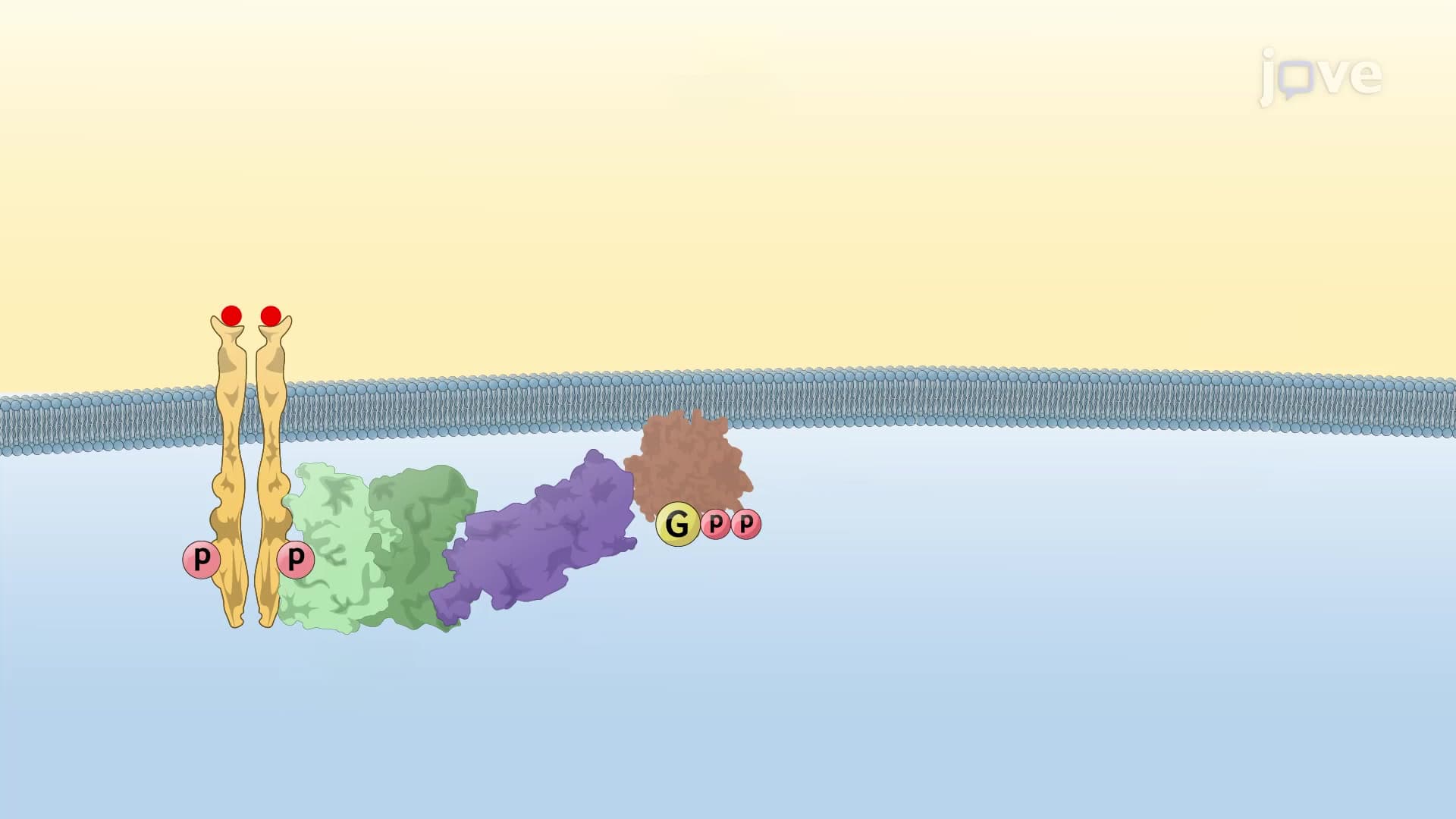
Did you know that mutations in the ras gene are found in approximately 30% of all human cancers? The ras gene encodes proteins that act like molecular switches, controlling when cells should grow and divide. When functioning normally, these proteins help regulate cell growth in response to signals, but mutations can cause them to become permanently "stuck" in the "on" position, leading to uncontrolled cell proliferation seen in cancers like colorectal carcinoma. Watch the full video on JoVE Coach to master this concept with expert-led visuals and step-by-step explanations.
The ras gene represents one of the most critical regulatory elements in human cellular biology, encoding proteins that serve as master controllers of cell growth and division. Named after the rat sarcoma virus where it was first discovered, the Ras protein family consists of small GTPases that function as molecular switches in signal transduction pathways. These proteins are essential components tested extensively on the MCAT and featured prominently in AP Biology curricula across American high schools.
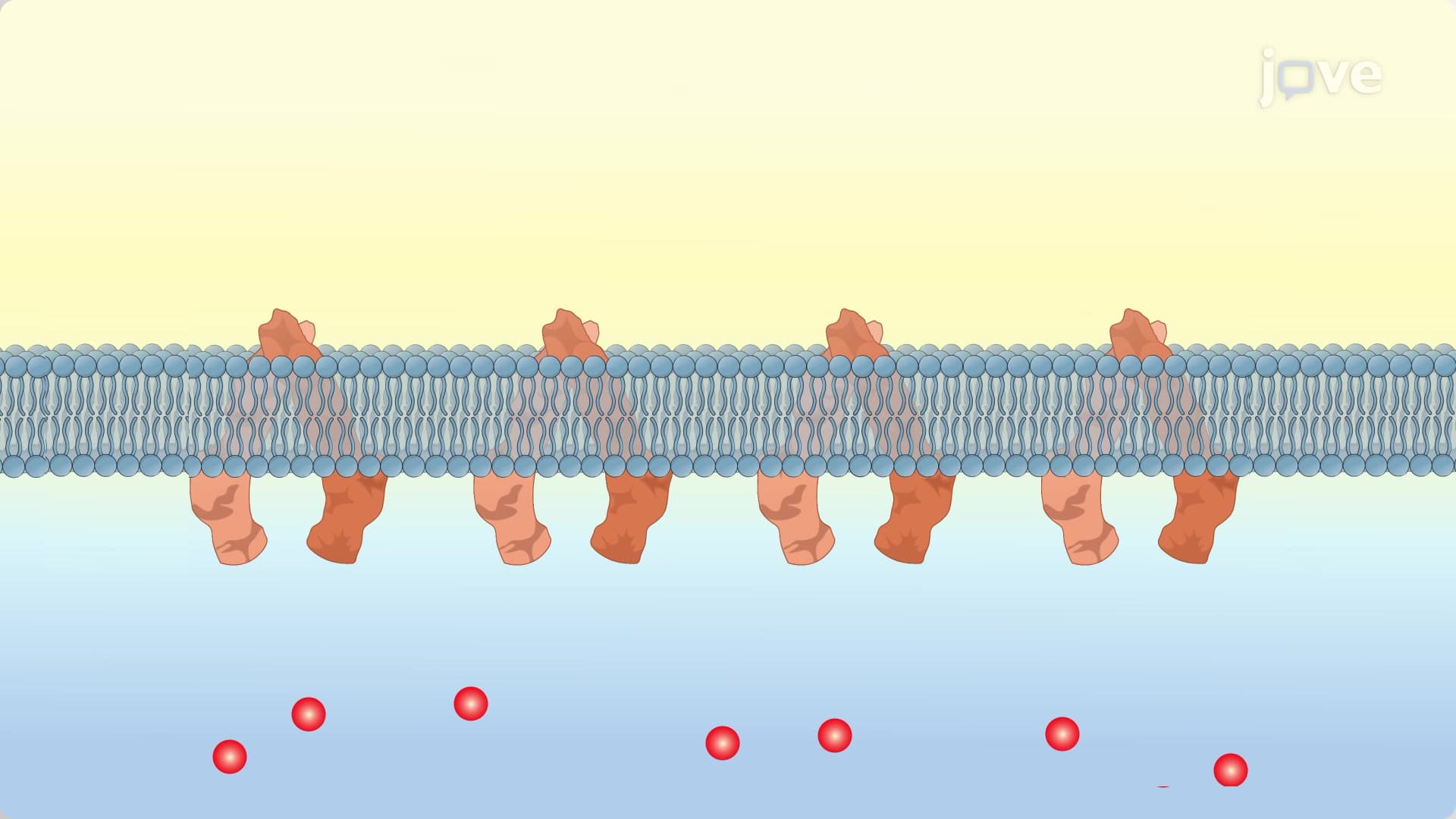
The Ras proteins operate through a sophisticated on-off mechanism that depends on which nucleotide is bound to them. In the active state, Ras binds guanosine triphosphate (GTP), enabling it to interact with downstream signaling molecules. When Ras binds guanosine diphosphate (GDP), it becomes inactive and cannot transmit growth signals. This binary switching system allows cells to respond precisely to external growth factors and internal regulatory cues.
The transition between these states involves two key regulatory proteins: Ras guanine nucleotide exchange factors (GEFs) and GTPase-activating proteins (GAPs). GEFs act like accelerator pedals, promoting the exchange of GDP for GTP and activating Ras. Meanwhile, GAPs function as brake pedals, enhancing the intrinsic GTPase activity of Ras to hydrolyze GTP back to GDP, thereby inactivating the protein.
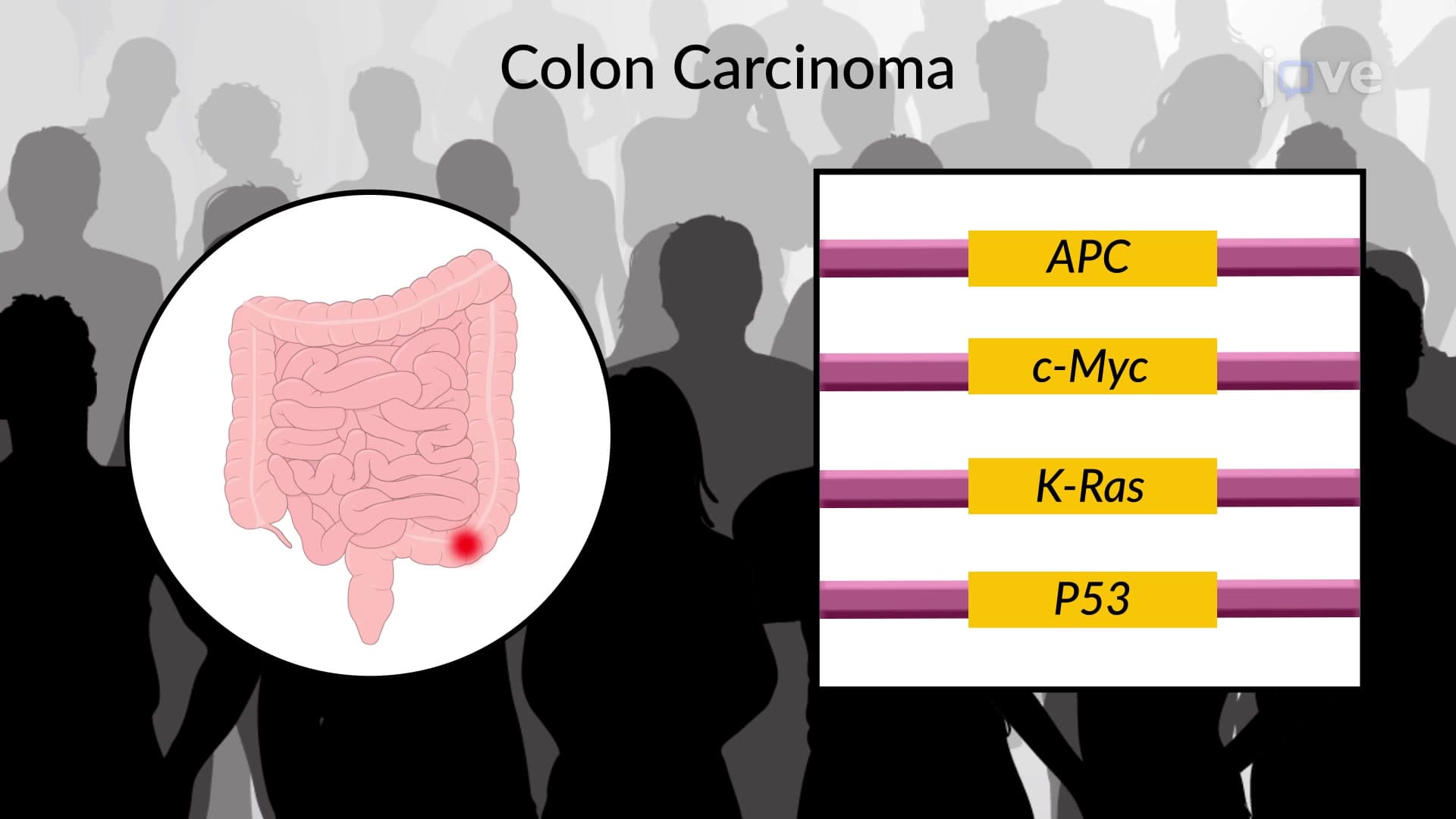
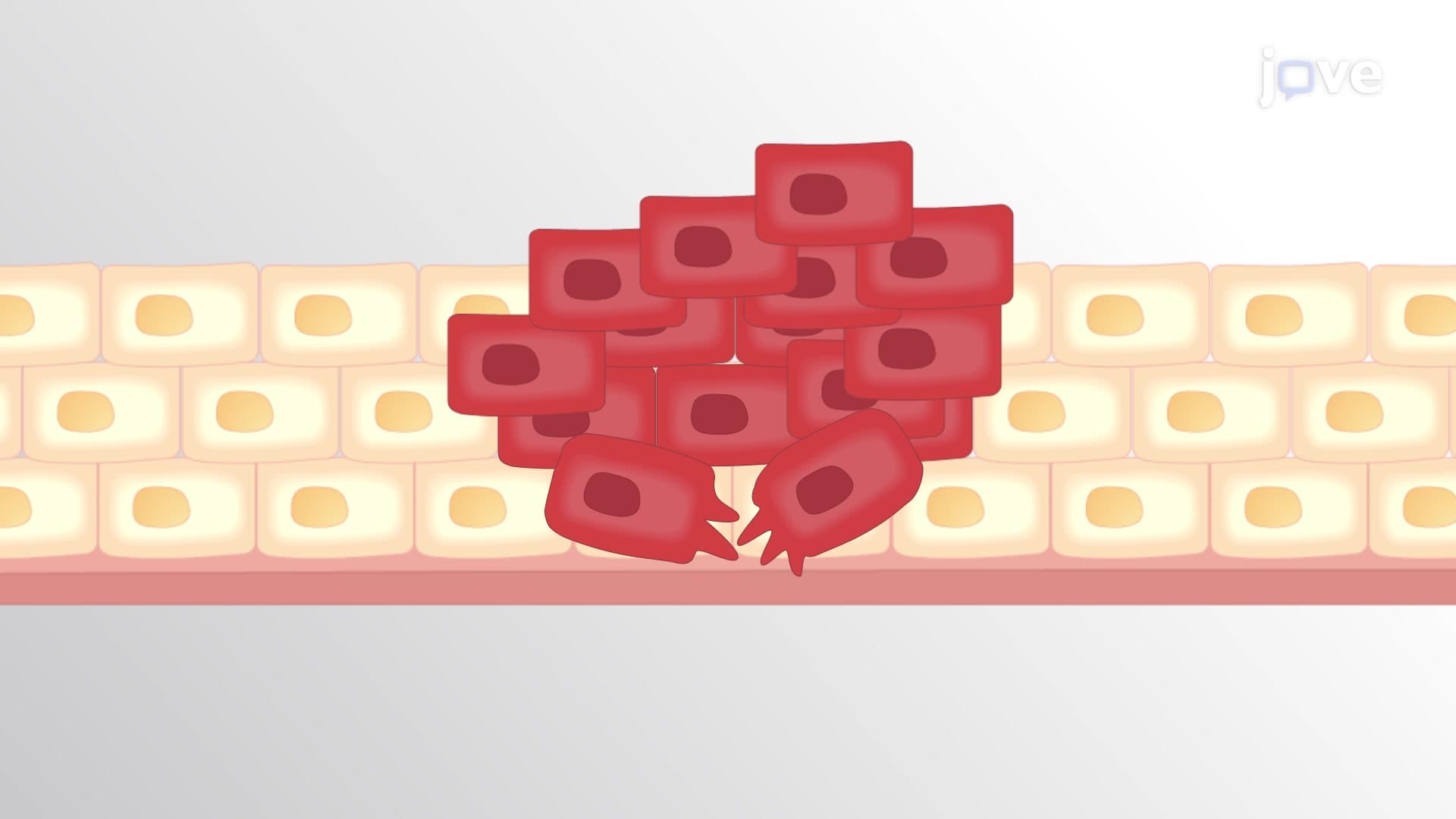
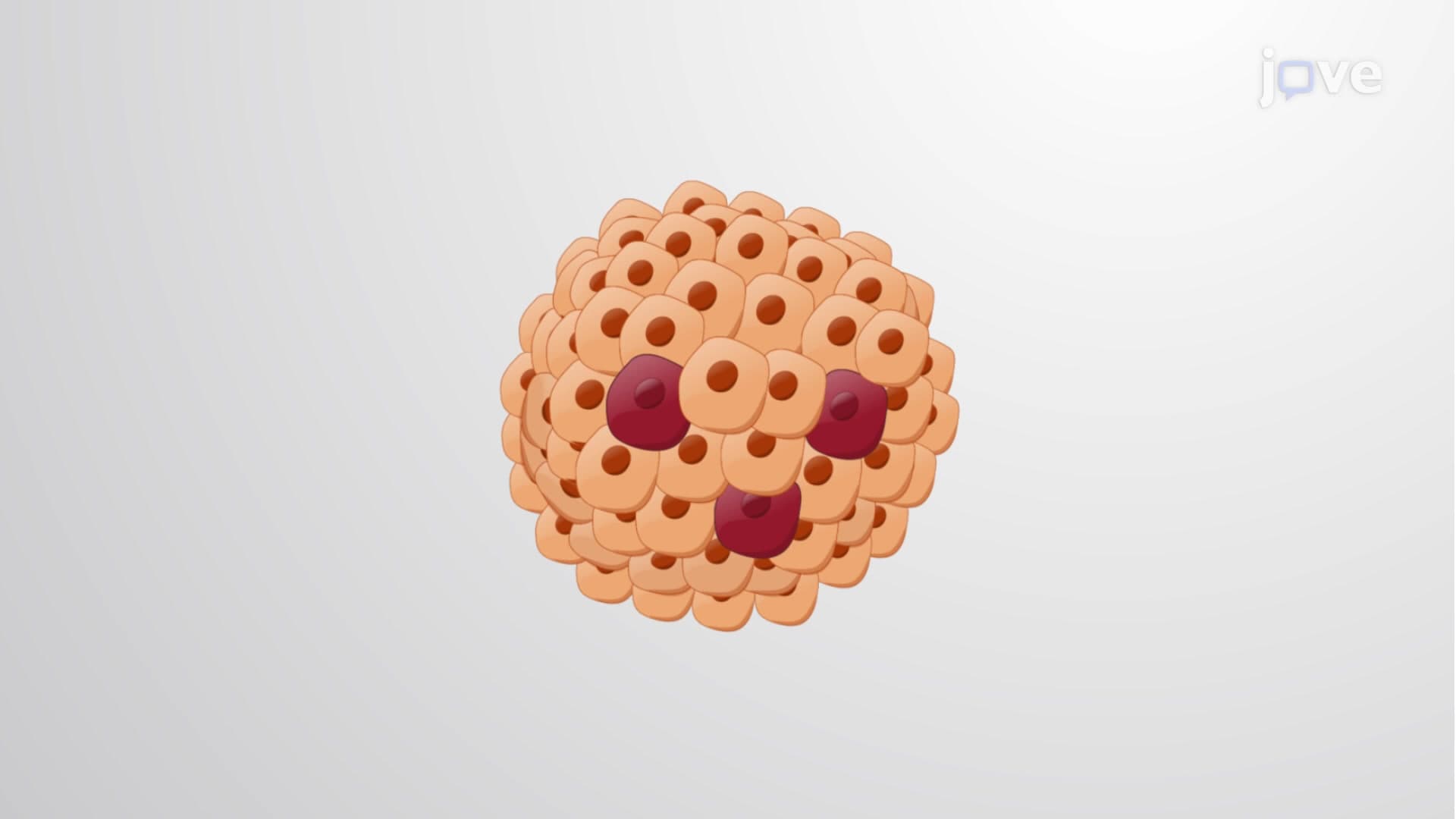
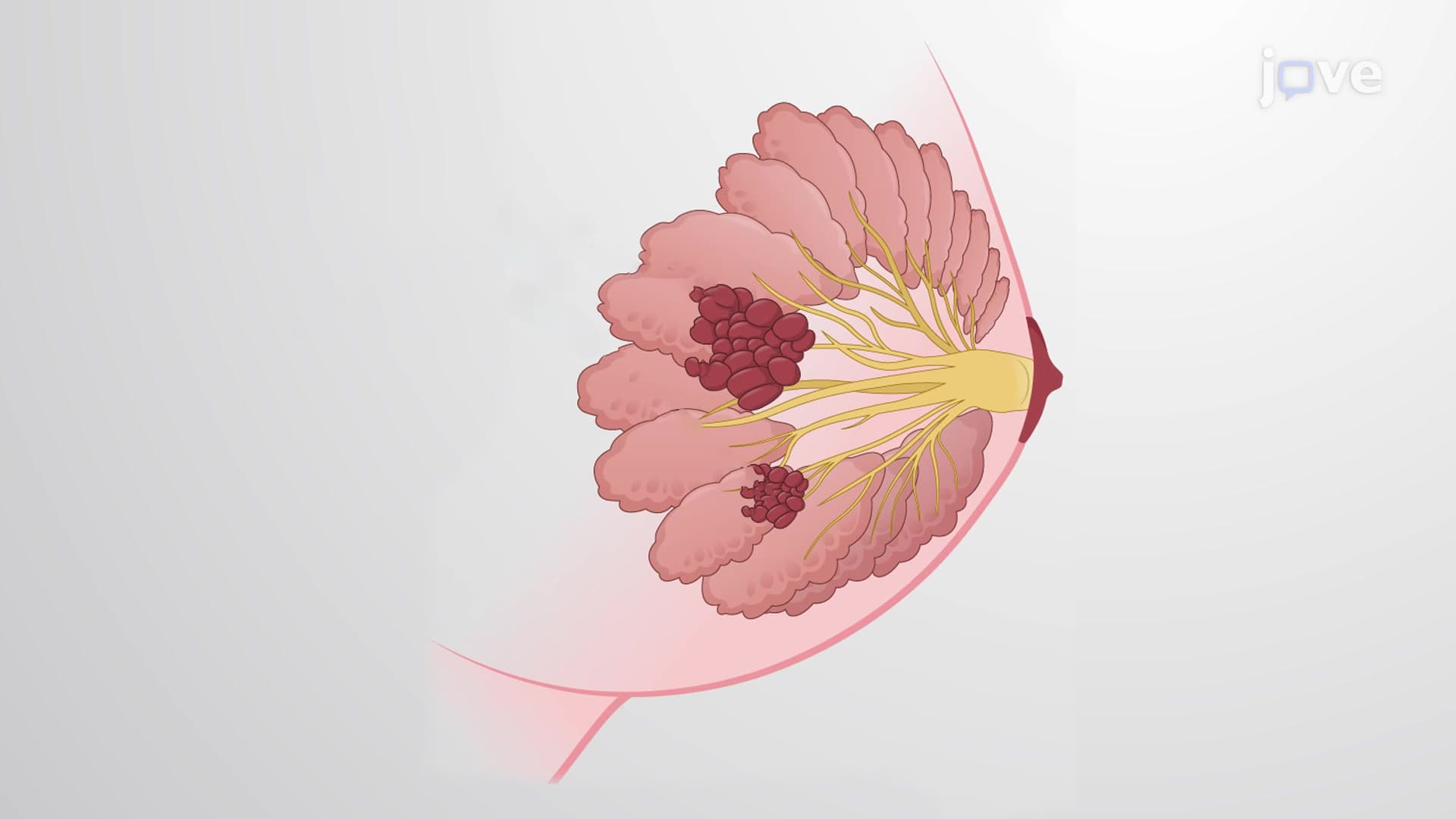
Mutations in the ras gene have profound implications for human health, particularly in oncology. Approximately 30% of all human cancers harbor Ras mutations, with some cancer types showing even higher frequencies. Pancreatic adenocarcinoma demonstrates Ras mutations in over 90% of cases, while colorectal cancers show mutations in about 50% of patients treated at major US cancer centers like MD Anderson and Memorial Sloan Kettering.
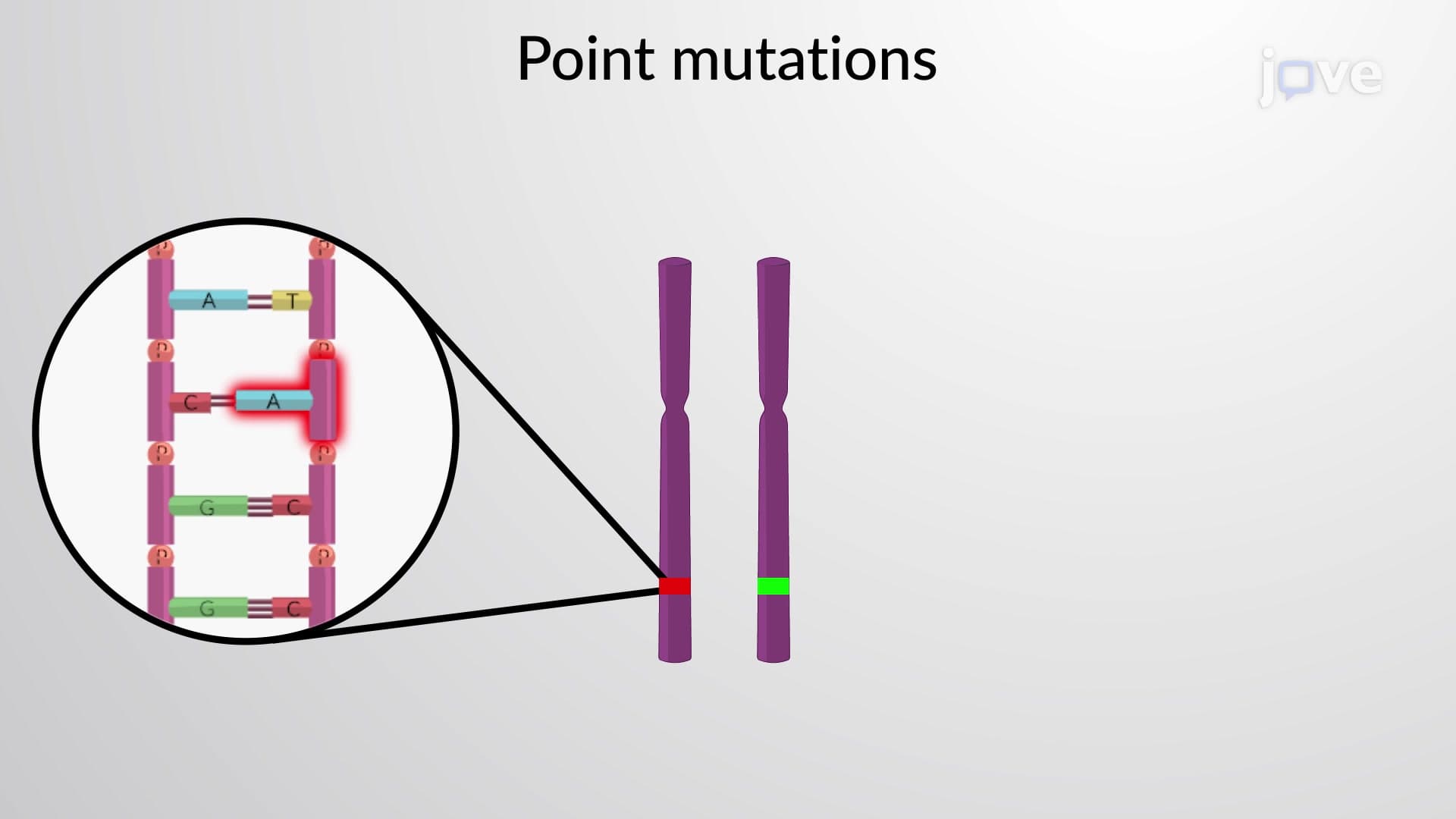
These mutations typically impair the protein's ability to hydrolyze GTP, effectively trapping Ras in a permanently active state. This constitutive activation leads to continuous growth signals being sent to the nucleus, bypassing normal cellular checkpoints that prevent uncontrolled proliferation. Understanding this mechanism is crucial for students preparing for medical school entrance exams and forms the foundation for targeted cancer therapies currently in clinical trials across American research institutions.
Students encounter Ras proteins in multiple academic contexts, from high school AP Biology courses covering signal transduction to undergraduate cell biology classes and medical school pathology courses. The concept frequently appears on standardized exams, where students must demonstrate understanding of normal versus pathological cellular signaling. MCAT questions often test the ability to predict consequences of specific Ras mutations or identify therapeutic targets in the Ras signaling pathway.
Related Micro-courses