Loading subject page…


146,122 views

Video Summary: What Is the Retinoblastoma Gene
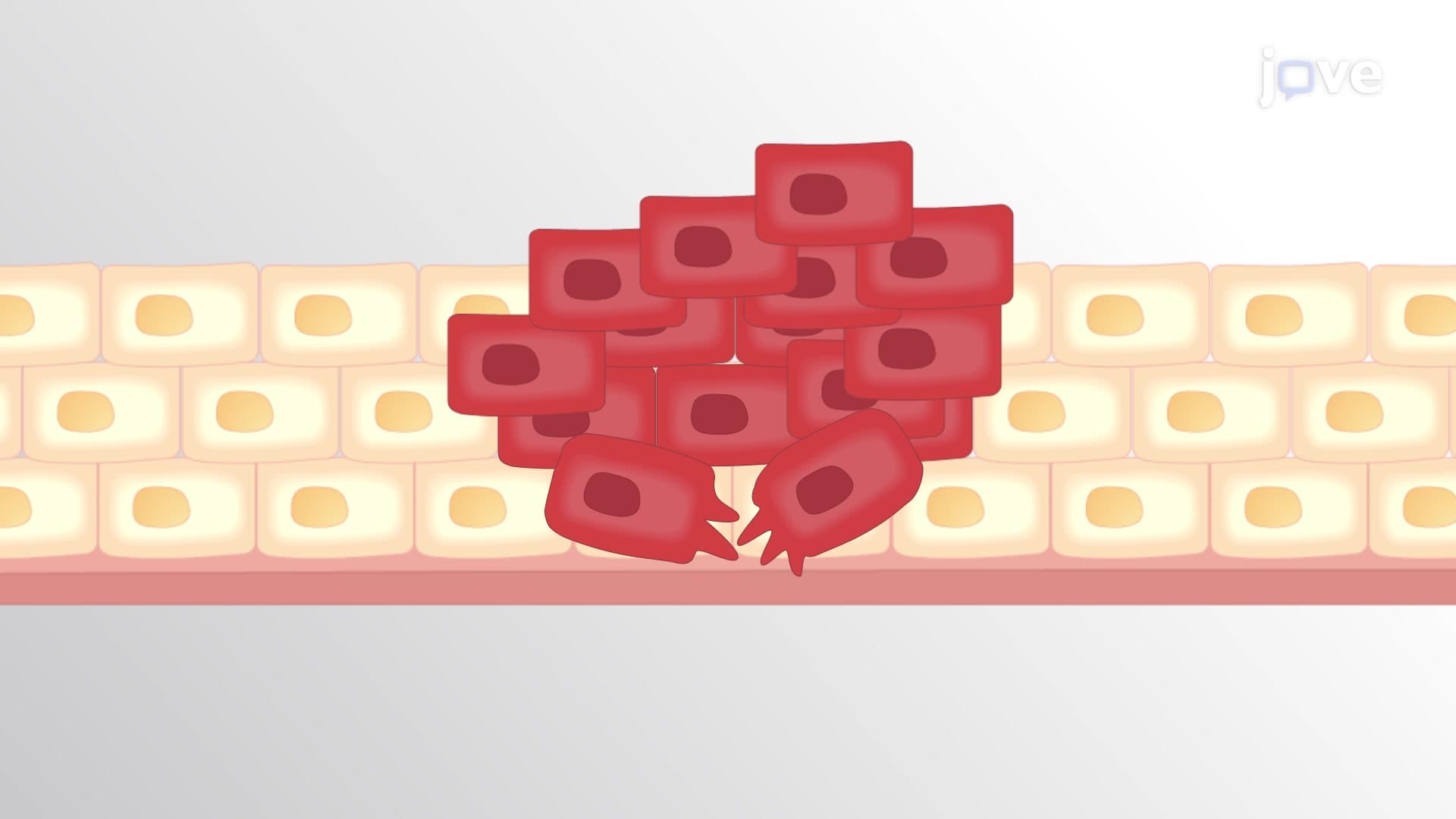
Did you know that the first tumor suppressor gene ever discovered protects your eyes from cancer? The retinoblastoma gene (Rb) serves as a critical cellular "brake pedal," preventing uncontrolled cell division in retinal tissue. When this gene malfunctions, it can lead to retinoblastoma, a serious eye cancer that affects approximately 300 children annually in the United States. Watch the full video on JoVE Coach to master this concept with expert-led visuals and step-by-step explanations.
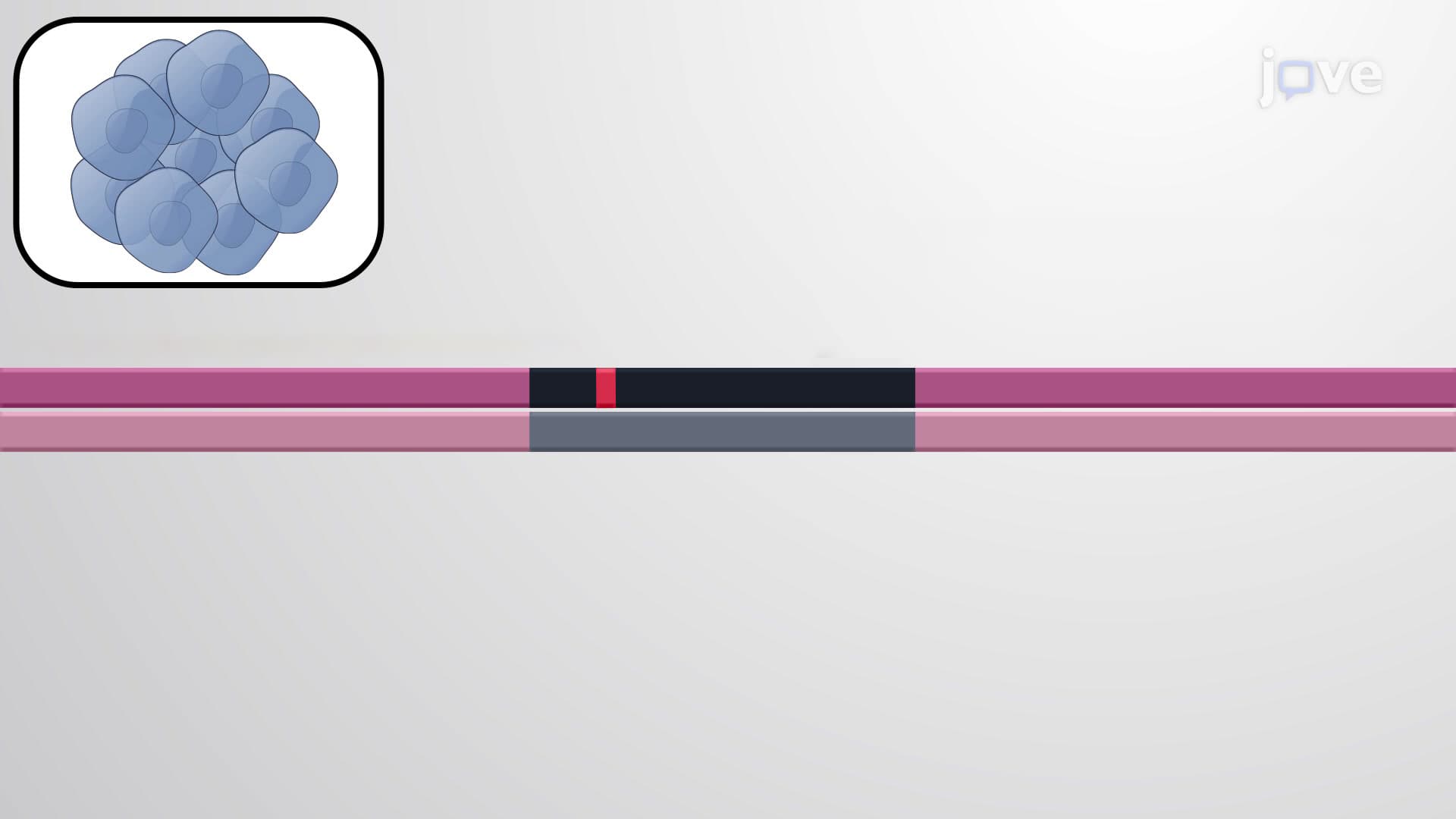
The retinoblastoma gene represents a landmark discovery in cancer biology, serving as the prototype for understanding tumor suppressor genes. Located on chromosome 13, this gene produces the Rb protein, which acts as a molecular guardian of the cell cycle. The retinoblastoma gene's discovery revolutionized our understanding of cancer genetics and established the foundation for the "two-hit hypothesis" proposed by Alfred Knudson in 1971.
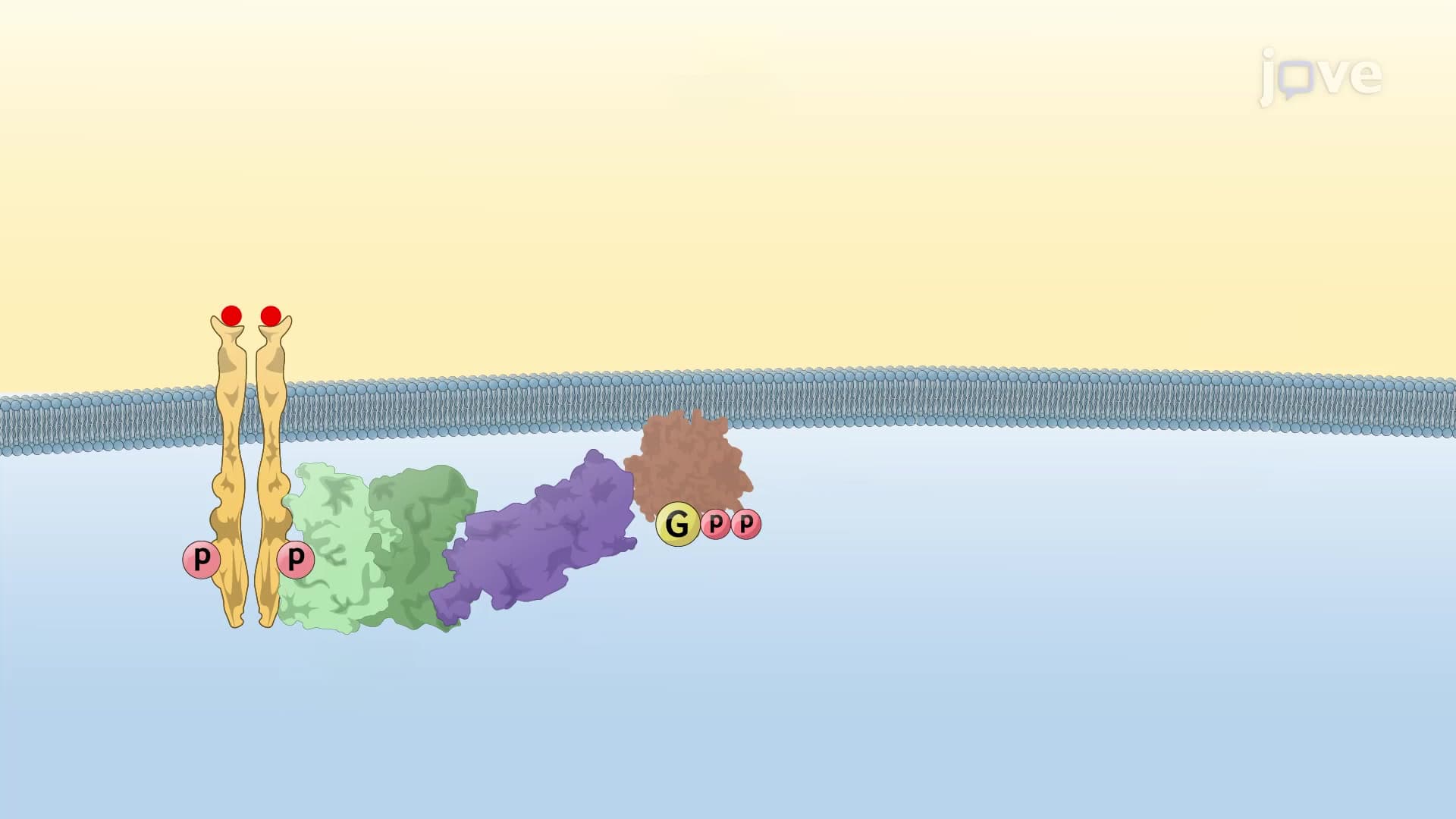
The Rb protein functions as a critical checkpoint controller during the G1/S phase transition of the cell cycle. In healthy cells, Rb protein binds to E2F transcription factors, preventing them from activating genes necessary for DNA replication. When cells receive appropriate growth signals, Rb protein becomes phosphorylated and releases E2F, allowing cell division to proceed. This mechanism ensures that cells only divide when appropriate conditions are met, preventing uncontrolled proliferation that characterizes cancer.
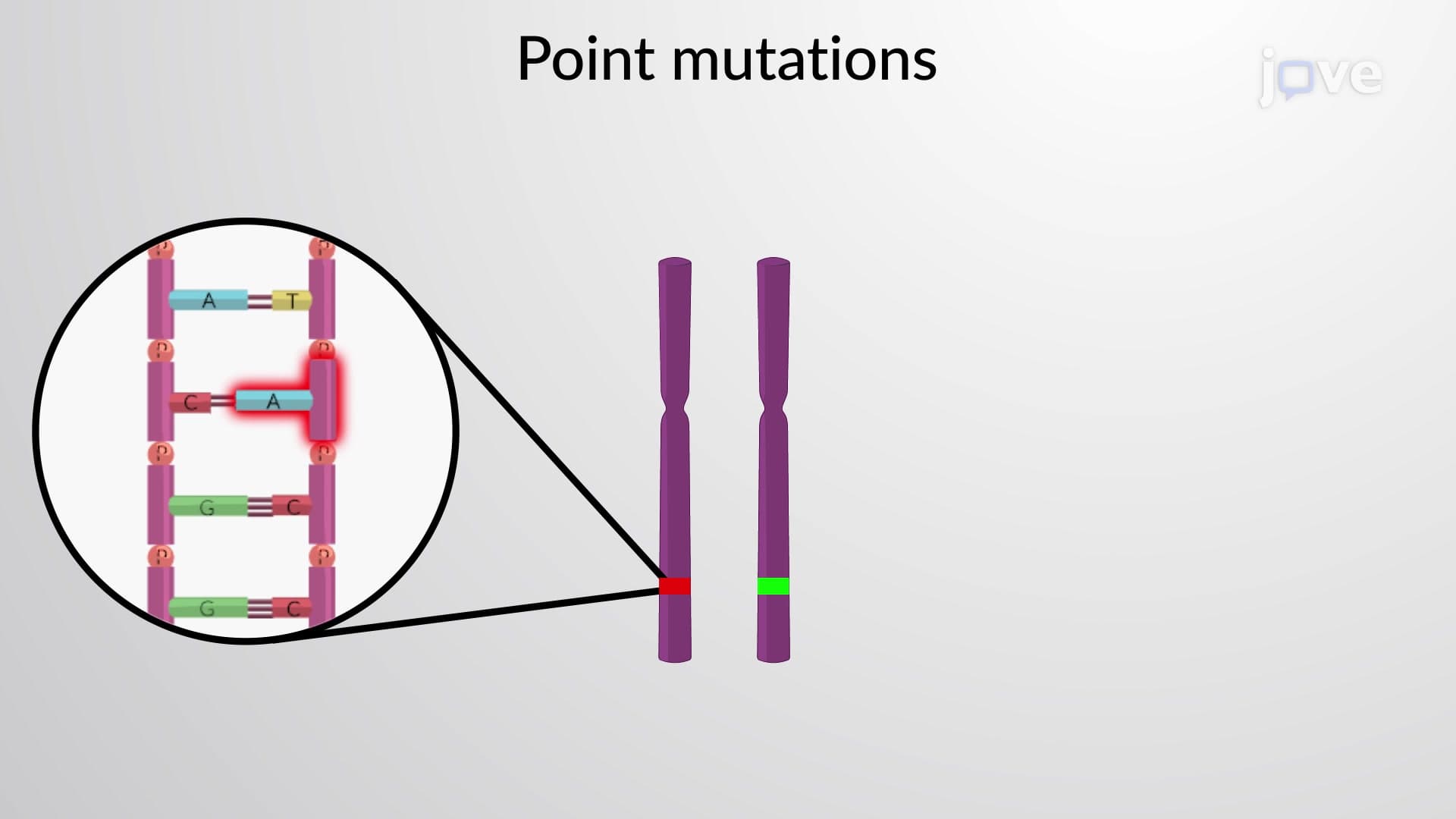
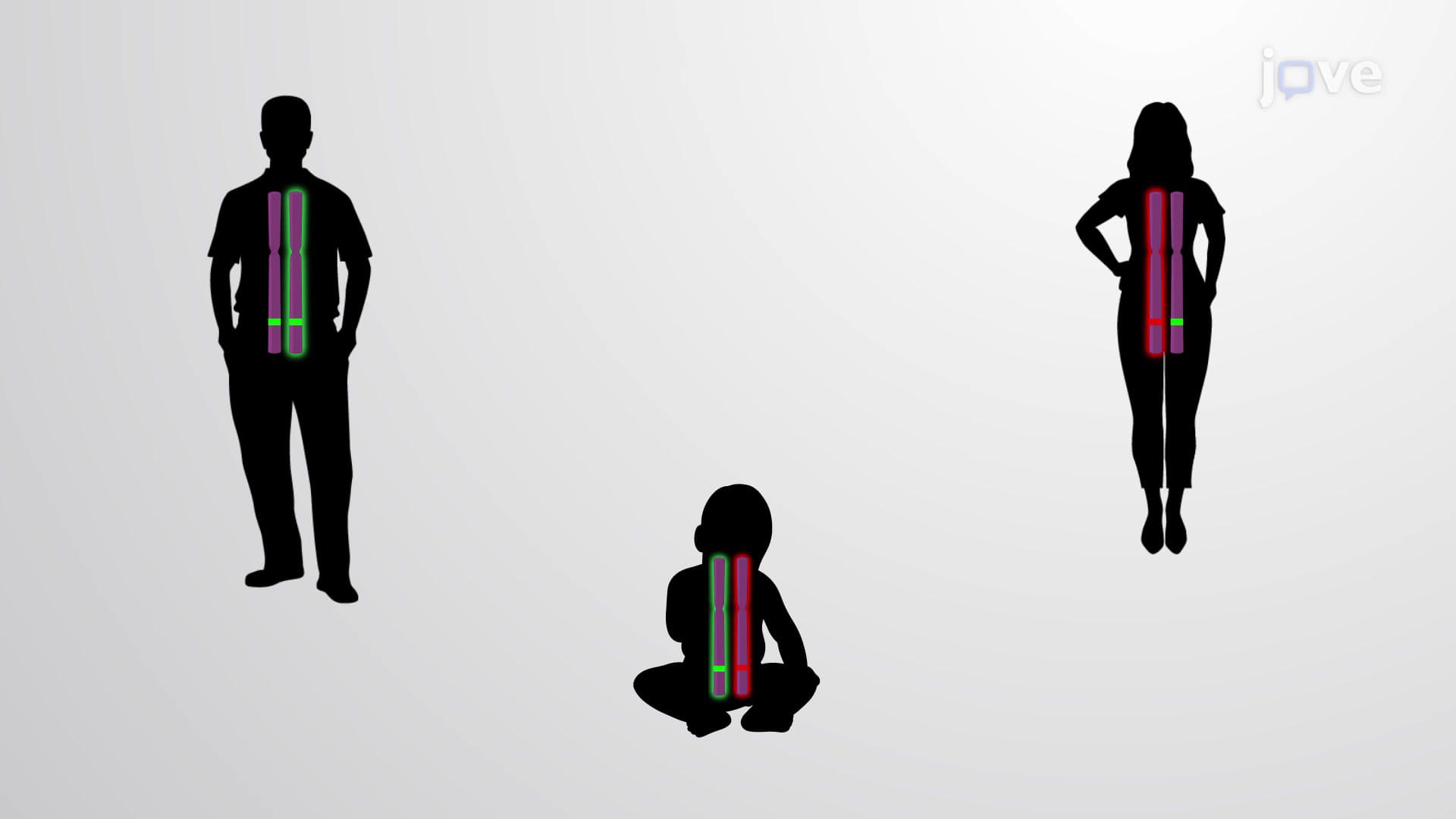
Hereditary retinoblastoma occurs when children inherit one mutated copy of the Rb gene from a parent. These individuals carry this mutation in every cell of their body (germline mutation). Since they only need to lose function of their remaining normal copy to develop cancer, hereditary retinoblastoma typically appears earlier in childhood and often affects both eyes. The Children's Hospital of Philadelphia reports that hereditary cases account for about 40% of all retinoblastoma diagnoses in the United States.
Sporadic retinoblastoma develops when both copies of the Rb gene become inactivated within the same retinal cell through independent mutation events. This double-hit process is much less likely to occur, explaining why sporadic cases typically affect only one eye and appear later in childhood. This distinction is crucial for genetic counseling and family planning decisions.
Understanding the retinoblastoma gene has profound implications beyond eye cancer. The principles established through Rb research apply to many other cancers and appear frequently on standardized exams like the MCAT and AP Biology. Medical schools across the United States, including Harvard Medical School and Johns Hopkins, use retinoblastoma as a teaching model for cancer genetics. Students preparing for the USMLE Step 1 should understand how loss of tumor suppressor function contributes to oncogenesis, using retinoblastoma as the classic example.
Related Micro-courses