Loading subject page…

- Molecular Biology
- Biochemistry of the Cell
- The Periodic Table and Organismal Elements
Micro-course: Biochemistry of the Cell
320,100 views
Learn key concepts and earn your certificate.


The Periodic Table and Organismal Elements

00:00
00:57
Video Summary: The Periodic Table and Organismal Elements Explained
Did you know that just six elements make up 99% of your body mass? Periodic table organismal elements like carbon, hydrogen, oxygen, nitrogen, phosphorus, and sulfur form the backbone of every protein, DNA strand, and cell membrane in living organisms. Consider how calcium strengthens bones in US athletes while iron carries oxygen in their blood during competitions. The Periodic Table And Organismal Elements Explained reveals why certain elements are essential for life while others remain biologically inert. Watch the full video on JoVE Coach to master this concept with expert-led visuals and step-by-step explanations.
- Understand how The Periodic Table And Organismal Elements relates atomic structure to biological function in living systems
- Identify the major biologically important elements (C, H, O, N, P, S) and explain their unique chemical properties
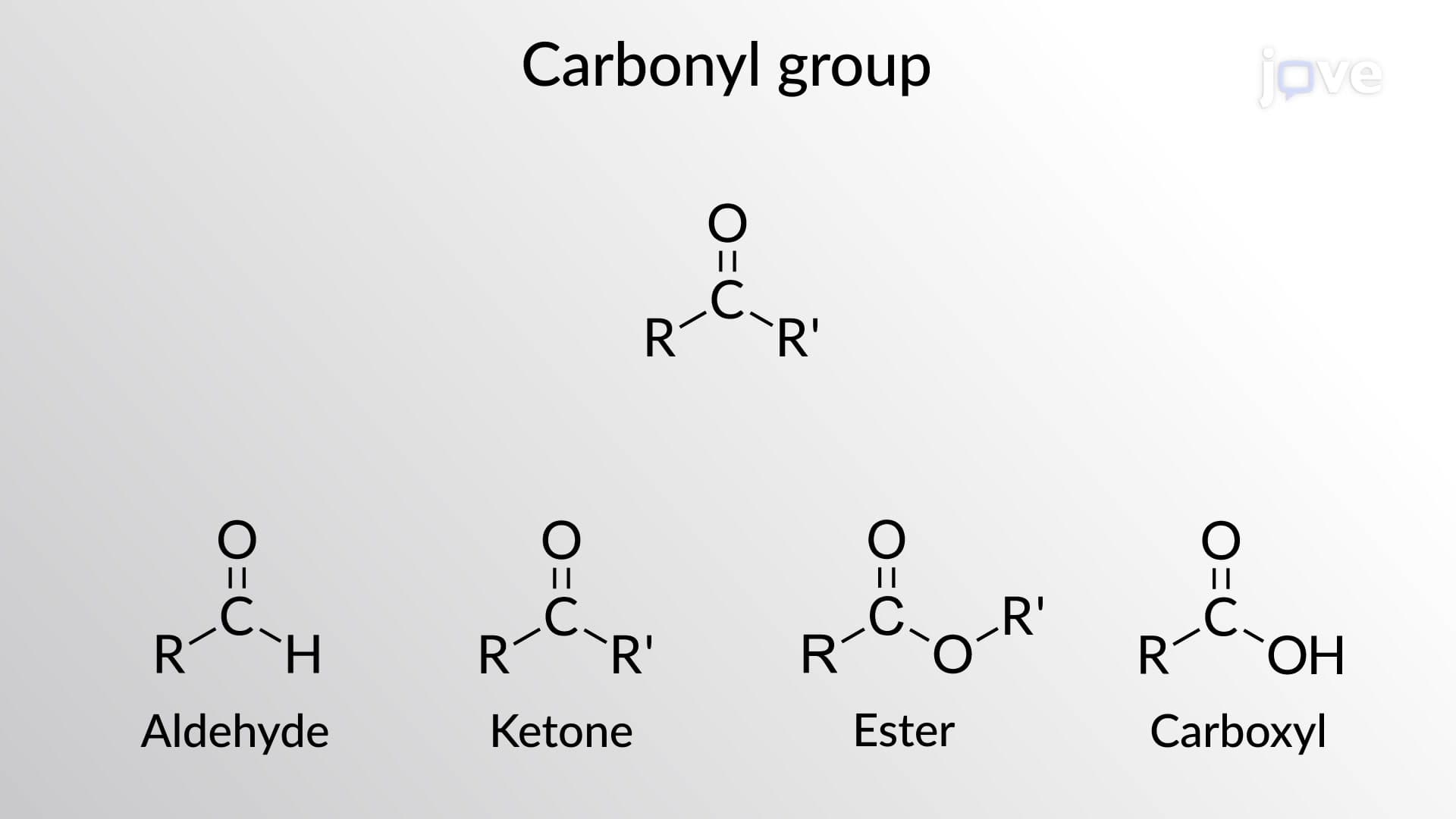
- Analyze how valence electron configurations determine which elements form stable covalent bonds in biomolecules
- Compare trace elements like iron, magnesium, and zinc to bulk elements in terms of biological roles and abundance
- Evaluate the relationship between electronegativity differences and bond formation in organic compounds
- Apply knowledge of periodic trends to predict which elements can participate in biological processes
- Recognize isotope applications in medical diagnostics and biological research techniques
- Explore how understanding elemental properties aids in comprehending metabolic pathways and enzyme function
The Periodic Table And Organismal Elements: Foundation of Life Chemistry
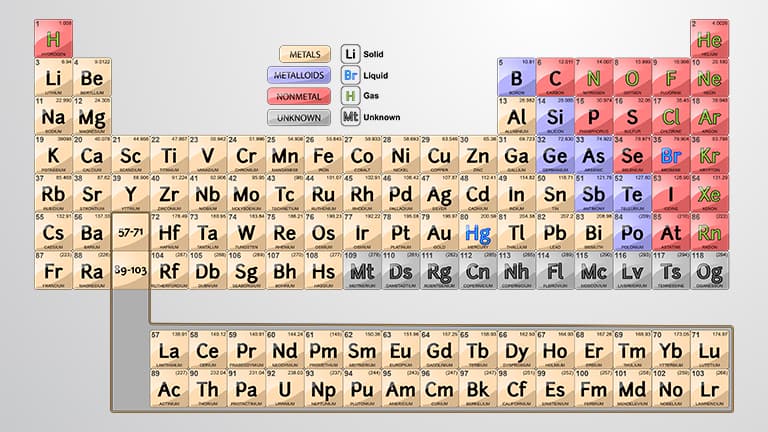
Living organisms exhibit remarkable selectivity when utilizing elements from the periodic table. While 118 elements exist, only about 25 are essential for life, and just six-carbon, hydrogen, oxygen, nitrogen, phosphorus, and sulfur-constitute the vast majority of biological mass. This selectivity isn't random; it reflects fundamental chemical principles that govern how atoms interact to form stable, functional biomolecules.
Essential Elements and Their Biological Roles
The elements in the periodic table biology students must master fall into distinct categories. Carbon serves as the backbone element, forming four stable covalent bonds that create the diverse molecular frameworks of proteins, carbohydrates, lipids, and nucleic acids. Hydrogen, the simplest element, participates in hydrogen bonding-crucial for DNA double helix stability and protein folding. Oxygen's high electronegativity makes it ideal for forming polar bonds in water and functional groups, while nitrogen's ability to form three bonds enables amino acid and nucleotide base construction.
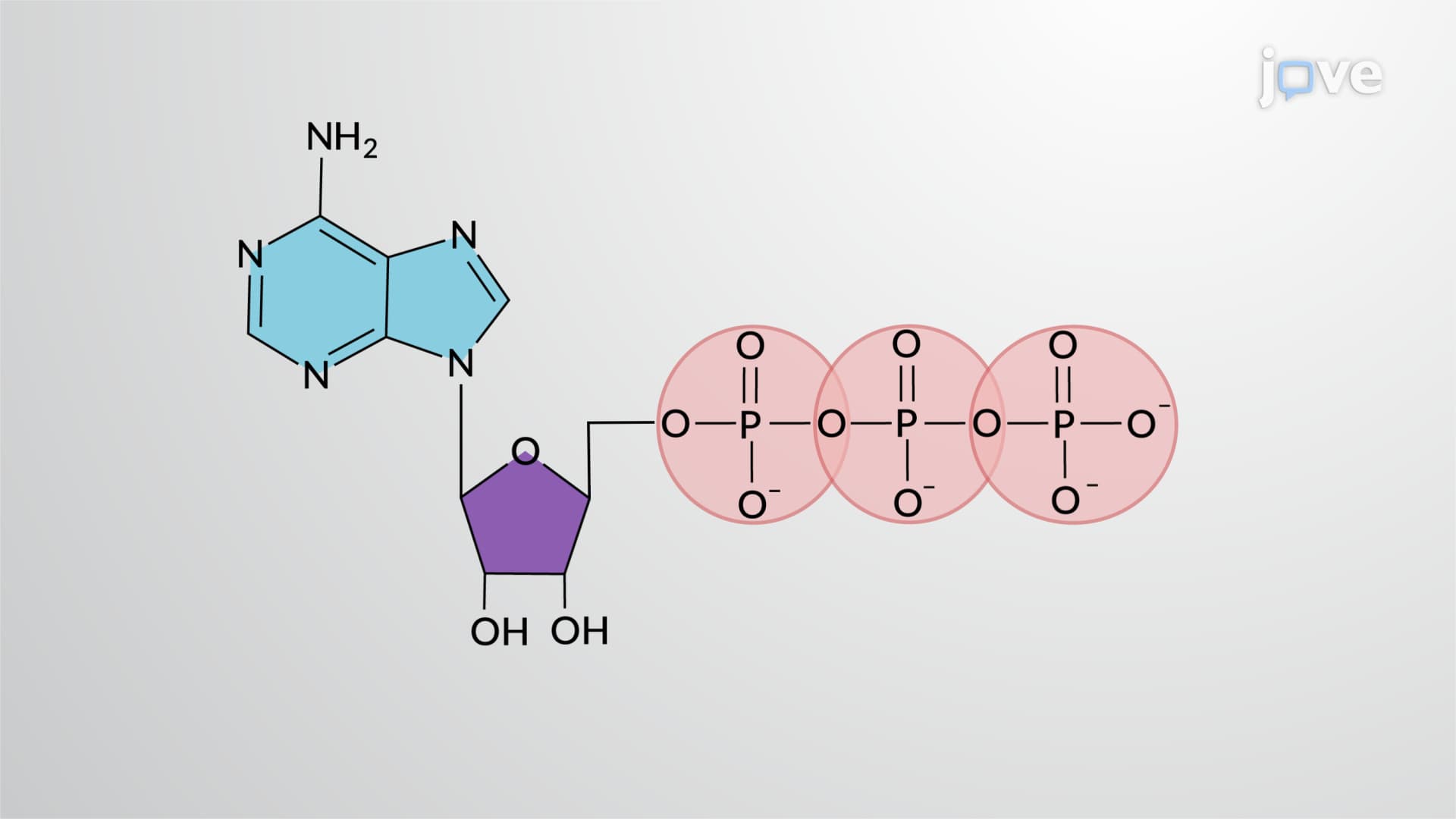
Phosphorus and sulfur complete the essential six. Phosphorus creates energy-rich bonds in ATP and provides structural integrity to DNA through phosphodiester linkages. Sulfur forms disulfide bridges that stabilize protein structure, as seen in insulin and antibodies. Students preparing for AP Biology or college biochemistry courses should understand that these elements' positions on the periodic table directly correlate with their biological functions.
Trace Elements: Small Quantities, Major Impact
What are organismal elements in the periodic table extends beyond bulk elements to include trace elements that serve specialized functions. Iron sits at the heart of hemoglobin, enabling oxygen transport-a concept crucial for MCAT preparation. Magnesium acts as a cofactor in over 300 enzymatic reactions, including those in photosynthesis that feed entire ecosystems. Zinc stabilizes protein structures and participates in gene regulation.
These trace elements demonstrate how organisms have evolved to exploit specific chemical properties. Iron's multiple oxidation states enable electron transfer reactions in cellular respiration. Magnesium's size and charge make it ideal for stabilizing negatively charged DNA and RNA during transcription and translation.
Clinical and Research Applications
Understanding periodic table biological elements proves essential in medical diagnostics and treatment. Radioactive isotopes like carbon-14 enable dating biological samples, while technetium-99m provides imaging in US hospitals. Calcium channel blockers treat hypertension by targeting calcium's role in muscle contraction. Students entering healthcare fields through programs at institutions like Johns Hopkins or UCLA will encounter these applications regularly.
The knowledge also informs nutritional science. Deficiencies in essential elements-iron-deficiency anemia, calcium-deficient osteoporosis, or iodine-deficient goiter-demonstrate how elemental properties translate into physiological consequences. This understanding proves vital for nursing students taking the NCLEX or medical students preparing for USMLE Step 1.
Frequently Asked Questions
The Periodic Table And Organismal Elements describes how living organisms selectively use specific elements based on their chemical properties and position in the periodic table. Organisms primarily use elements from periods 2-4 that can form stable covalent bonds, with carbon, hydrogen, oxygen, nitrogen, phosphorus, and sulfur comprising 99% of biological mass. These elements' electron configurations enable the complex molecular architectures necessary for life processes.
AP Biology emphasizes the six essential elements (C, H, O, N, P, S) plus key trace elements like calcium, iron, magnesium, and potassium. Students should understand how these elements' properties enable biomolecule formation and cellular processes. The exam frequently tests knowledge of how elemental composition affects protein structure, enzyme function, and membrane transport. Focus on connecting periodic trends to biological function.
MCAT Biological and Biochemical Foundations sections often present scenarios involving elemental deficiencies, isotope applications, or enzyme cofactor requirements. Questions may ask students to predict biological effects based on elemental properties or explain why certain elements substitute for others in biological systems. Understanding electronegativity, atomic radius, and bonding capacity helps answer these application-based questions successfully.
Medical students should focus on elements directly relevant to human physiology and pathology. Beyond the essential six, prioritize calcium (bone health, neural signaling), iron (oxygen transport, electron transport), sodium and potassium (membrane potential), and iodine (thyroid function). Understanding these elements' roles helps explain disease mechanisms tested on USMLE exams and encountered in clinical practice.
US hospitals routinely monitor blood levels of essential elements through comprehensive metabolic panels and complete blood counts. For example, Cleveland Clinic tracks iron levels to diagnose anemia, calcium levels for bone health assessment, and electrolyte balance during surgery. Radiologists use elemental isotopes for imaging, while oncologists employ radioactive elements for cancer treatment, demonstrating direct clinical applications of elemental knowledge.
Most high school students can master this concept with proper foundation in basic chemistry. If you understand atomic structure, electron configuration, and simple bonding from Chemistry I, you have the prerequisites needed. The key is connecting familiar chemical principles to biological examples you encounter daily. Start with the six essential elements, then gradually add trace elements as your confidence grows.
Create acronyms like "CHONPS" for the six essential elements, then use biological context for retention. Associate carbon with organic molecules, oxygen with respiration, nitrogen with amino acids, phosphorus with DNA/ATP, and sulfur with protein structure. For trace elements, link them to specific functions: iron (blood), calcium (bones), magnesium (enzymes). Practice with periodic table diagrams highlighting biological elements to reinforce spatial memory.
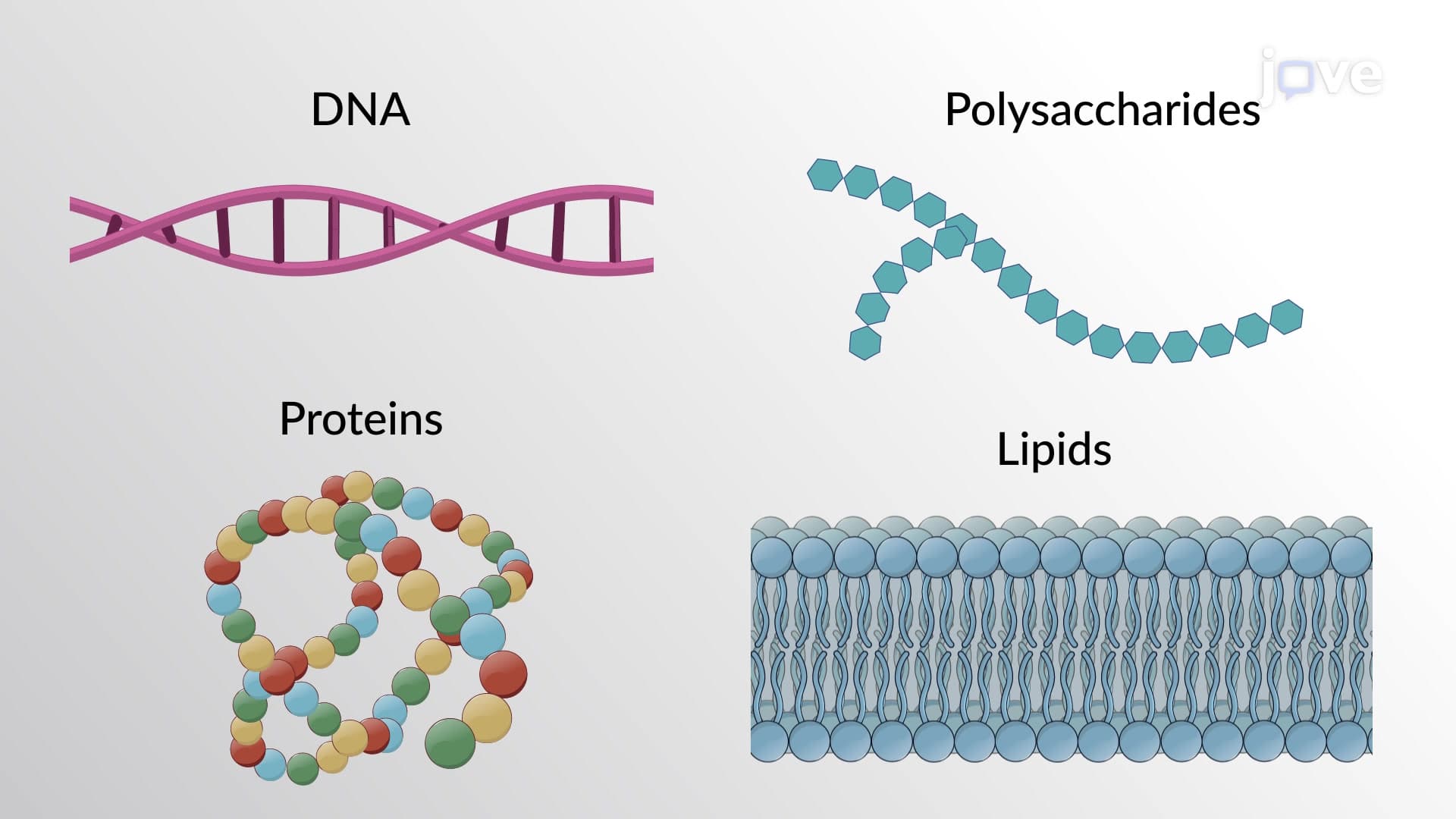
Advance to biomolecule structure and function, focusing on how these elements combine to form proteins, nucleic acids, carbohydrates, and lipids. Study enzyme kinetics and metabolic pathways to see these elements in action. For pre-med students, explore biochemical pathways like glycolysis and the citric acid cycle. Advanced students can investigate organometallic chemistry and its role in biological systems.
Related Micro-courses