Loading subject page…

Micro-course: Biochemistry of the Cell
320,100 views
Learn key concepts and earn your certificate.


Polymers

00:00
02:34
Video Summary: What are Polymers
Your smartphone screen, the DNA in your cells, and the proteins powering your muscles all share one fundamental similarity-they're built from polymers. These remarkable molecular giants form when smaller building blocks called monomers link together like beads on a string, creating everything from the plastic in medical devices to the complex macromolecules that make life possible. Understanding what are polymers reveals how nature and technology harness repetitive molecular patterns to build structures with extraordinary properties. Watch the full video on JoVE Coach to master this concept with expert-led visuals and step-by-step explanations.
- Understand what are polymers and how they form through the linking of monomer units via covalent bonds
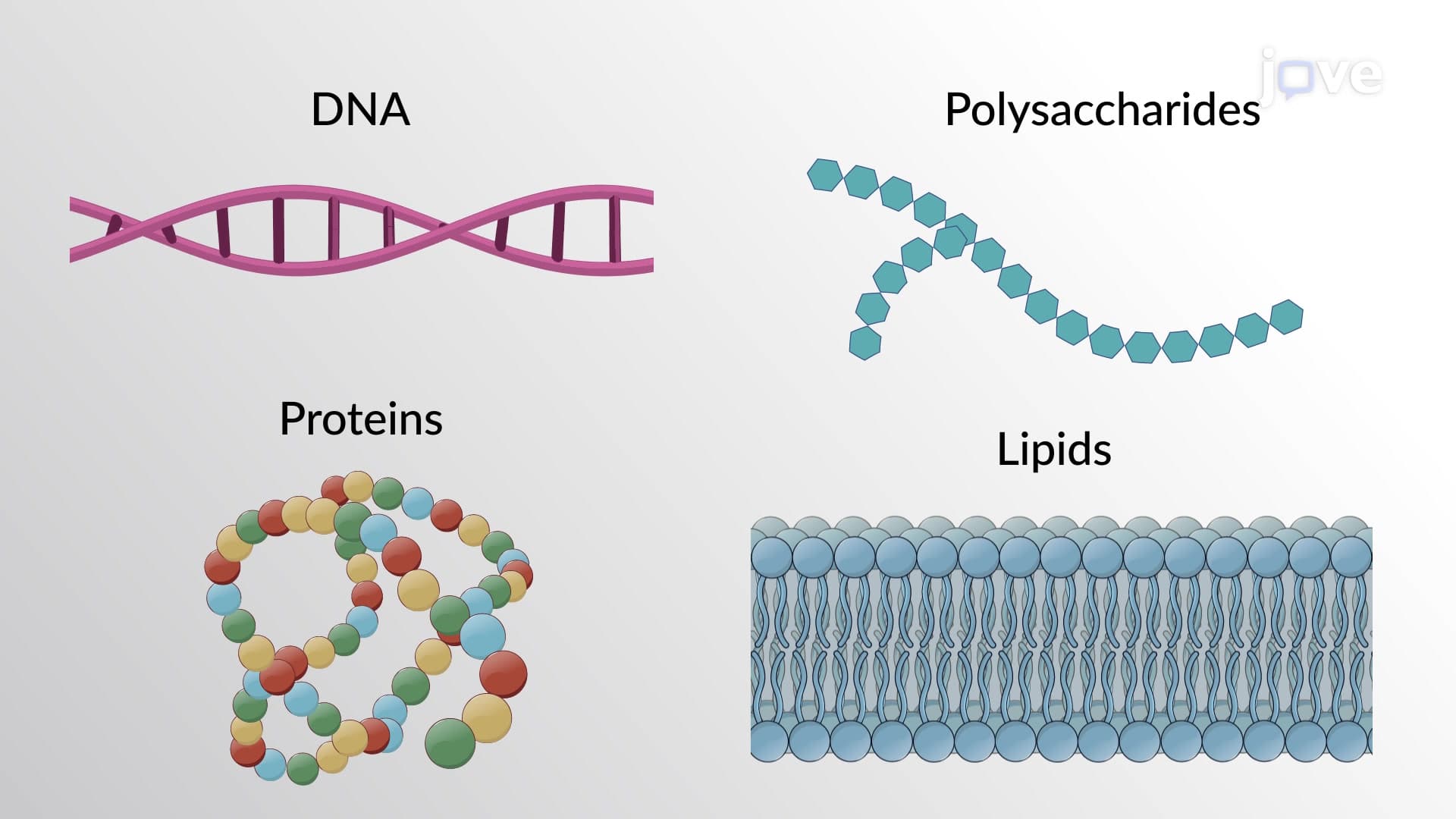
- Identify the three major classes of biological polymers: proteins, nucleic acids, and polysaccharides
- Analyze the process of dehydration synthesis and how it creates polymer chains from individual monomers
- Compare natural biopolymers with synthetic polymers used in materials science and medicine
- Evaluate the relationship between polymer structure and function in biological systems
- Apply polymer concepts to understand DNA replication, protein synthesis, and cellular metabolism
- Recognize real-world applications of polymers in biotechnology, drug delivery, and genetic engineering
- Explore how polymer directionality and specificity determine biological activity and material properties
Understanding What Are Polymers: The Foundation of Life and Technology
Polymers represent one of chemistry's most elegant solutions to building complexity from simplicity. At their core, polymers are large molecules formed by linking many smaller, repeating units called monomers through covalent bonds. This fundamental concept appears everywhere-from the cellulose in paper to the hemoglobin carrying oxygen in your bloodstream.
The term "polymer" literally means "many parts," reflecting how these macromolecules achieve their remarkable properties through repetition and organization. When students encounter polymer chemistry in AP Biology or introductory college courses, they're exploring the same principles that govern both living systems and cutting-edge materials science.
Biological Polymers: Nature's Master Builders
Living organisms rely on three primary classes of biological polymers, each serving distinct cellular functions. Proteins, formed from amino acid monomers, act as enzymes, structural components, and signaling molecules. The insulin produced by pharmaceutical companies like Genentech exemplifies how understanding protein polymers enables life-saving treatments for diabetes patients.
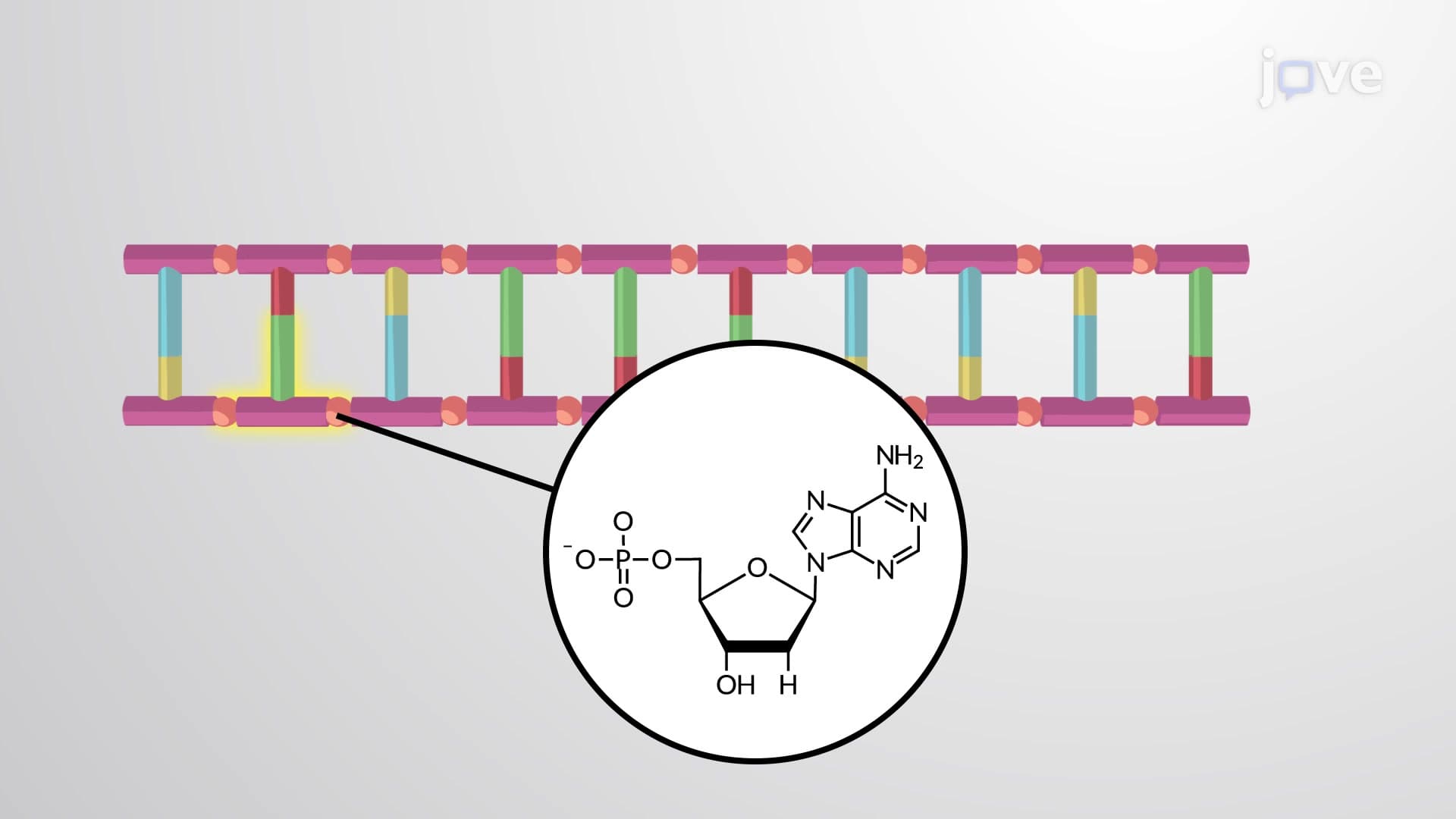
Nucleic acids-DNA and RNA-represent information-storing polymers built from nucleotide monomers. The Human Genome Project, completed by US institutions including the National Institutes of Health, demonstrated how these molecular chains encode the instructions for all biological processes. Students preparing for the MCAT will encounter numerous questions about DNA polymerization and its role in heredity.
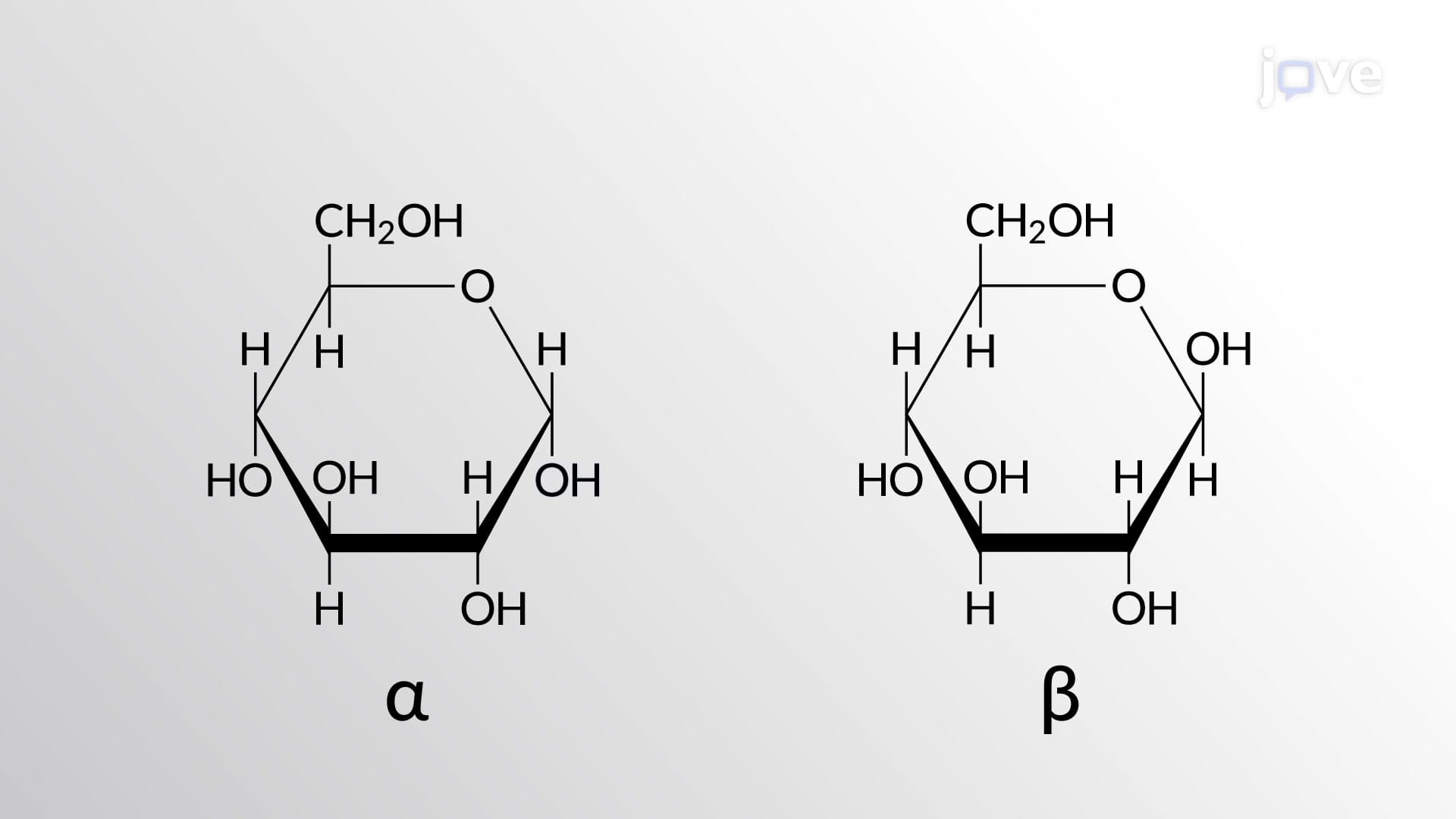
Polysaccharides, composed of sugar monomers, provide energy storage and structural support. Glycogen in human liver cells and cellulose in plant cell walls showcase how identical monomers can create polymers with vastly different properties through variations in bonding patterns.
Polymerization Process: Building Molecular Giants
The formation of polymers through dehydration synthesis represents a fundamental biochemical process tested extensively on standardized exams. During this reaction, monomers join by removing water molecules, forming covalent bonds that create increasingly long polymer chains. This process requires cellular energy and specific enzymes, highlighting the sophisticated machinery cells use to build essential macromolecules.
Understanding polymer directionality proves crucial for exam success and practical applications. DNA synthesis proceeds in a specific 5' to 3' direction, while protein synthesis follows the amino-to-carboxyl orientation. These directional requirements explain why genetic mutations can be so devastating and why biotechnology companies must carefully control polymerization conditions.
Real-World Applications in Medicine and Technology
Modern polymer science extends far beyond biology textbooks into practical applications transforming healthcare and industry. Biocompatible polymers in medical devices, from contact lenses to artificial joints, demonstrate how understanding molecular structure enables innovative solutions. Companies like Medtronic utilize specialized polymers in drug-delivery systems that release medications over controlled timeframes.
Students often encounter polymer applications in clinical settings during internships or advanced coursework. Hydrogel polymers in wound dressings, polymer-based sutures that dissolve safely in the body, and polymer coatings on medical implants all represent direct applications of fundamental polymer principles learned in introductory science courses.
Frequently Asked Questions
Polymers are large molecules made by connecting many smaller, identical units called monomers, like linking identical LEGO blocks to build a long chain. In biology, polymers include essential molecules like proteins, DNA, and starch that perform crucial cellular functions. Think of them as nature's way of building complex structures from simple, repeating components.
The AP Biology exam frequently tests polymer structure, formation, and function through multiple-choice questions and free-response problems. Students must identify monomer-polymer relationships, explain dehydration synthesis, and connect polymer structure to biological function. Practice questions often focus on protein folding, DNA structure, and carbohydrate diversity.
MCAT questions emphasize protein structure-function relationships, nucleic acid properties, and enzyme kinetics involving polymeric substrates. Test-takers encounter polymer chemistry in biochemistry passages, organic chemistry problems, and biological sciences sections. Strong understanding of polymer formation mechanisms and structural hierarchy proves essential for high scores.
Polymers bridge organic chemistry, biochemistry, and materials science, making them central to understanding both living systems and technological applications. College courses use polymers to teach reaction mechanisms, molecular interactions, and structure-property relationships. This foundation proves essential for pre-med students, engineering majors, and chemistry researchers.
Polymers enable countless medical advances, from biodegradable sutures and drug-delivery capsules to artificial organs and diagnostic materials. Insulin for diabetics, blood-clotting factors for hemophiliacs, and cancer chemotherapy drugs all rely on polymer science for effective delivery. Understanding polymers helps explain how modern medicine achieves precise therapeutic control.
Absolutely! Basic polymer concepts require only fundamental chemistry knowledge about atoms, bonds, and molecules typically covered in high school courses. Starting with biological examples like proteins and DNA makes abstract concepts concrete and relatable. Most students successfully master polymer basics through consistent practice and visual learning approaches.
Create visual diagrams showing monomer-to-polymer relationships, practice drawing structural formulas for common biological polymers, and use molecular modeling kits when available. Focus on understanding patterns rather than memorizing individual structures, and connect each polymer type to its biological function. Regular practice with exam-style questions reinforces key concepts effectively.
Advanced polymer topics include protein folding mechanisms, enzyme structure-function relationships, and polymer-based biotechnology applications. Students interested in research might explore polymer synthesis techniques, biomaterial design, or computational modeling of polymer behavior. These topics appear in upper-level biochemistry, materials science, and bioengineering courses.
Related Micro-courses