Loading video…


 11 Concepts
 320.1K views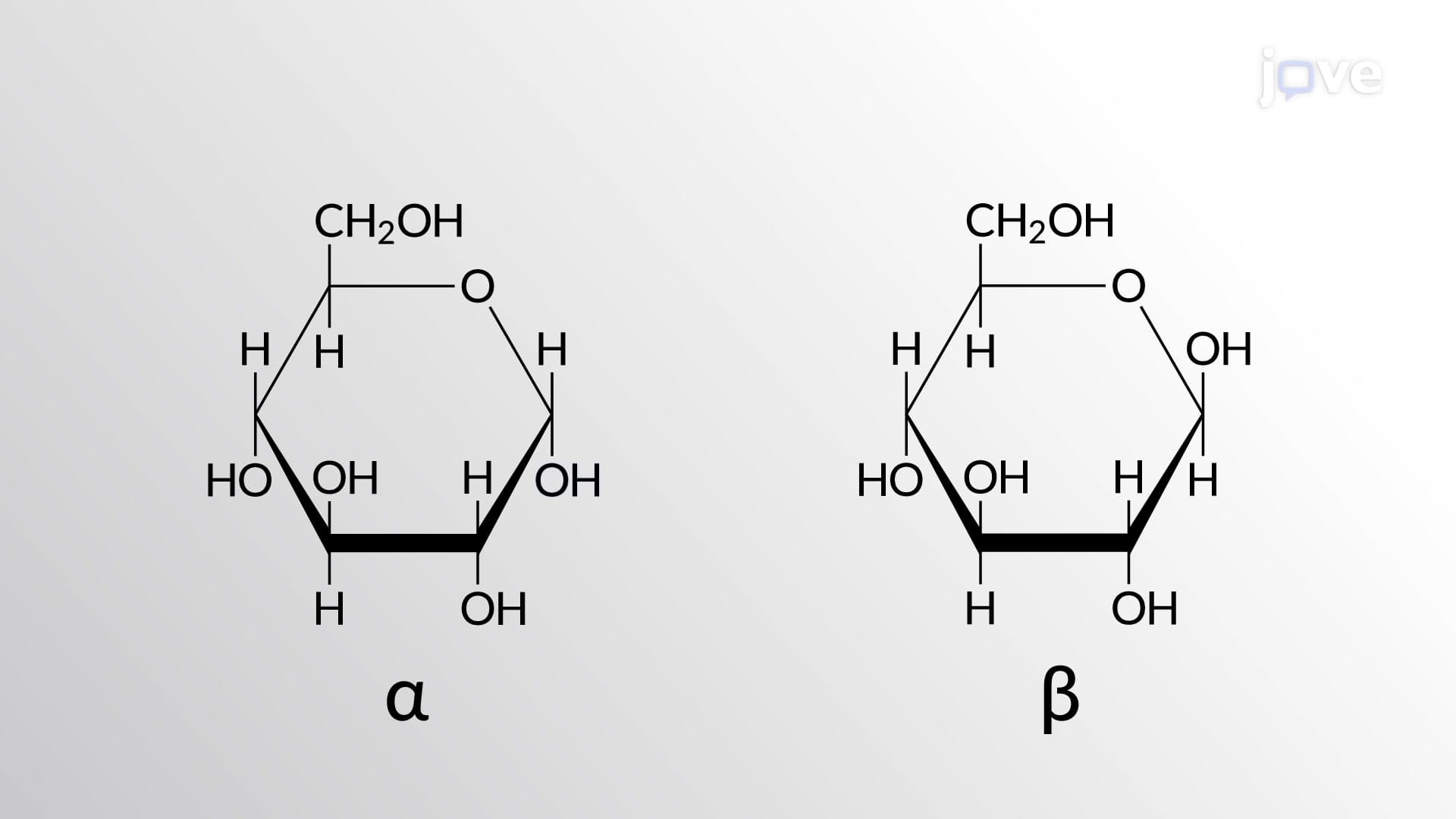

Video Summary: What Is Chemistry of Carbohydrates
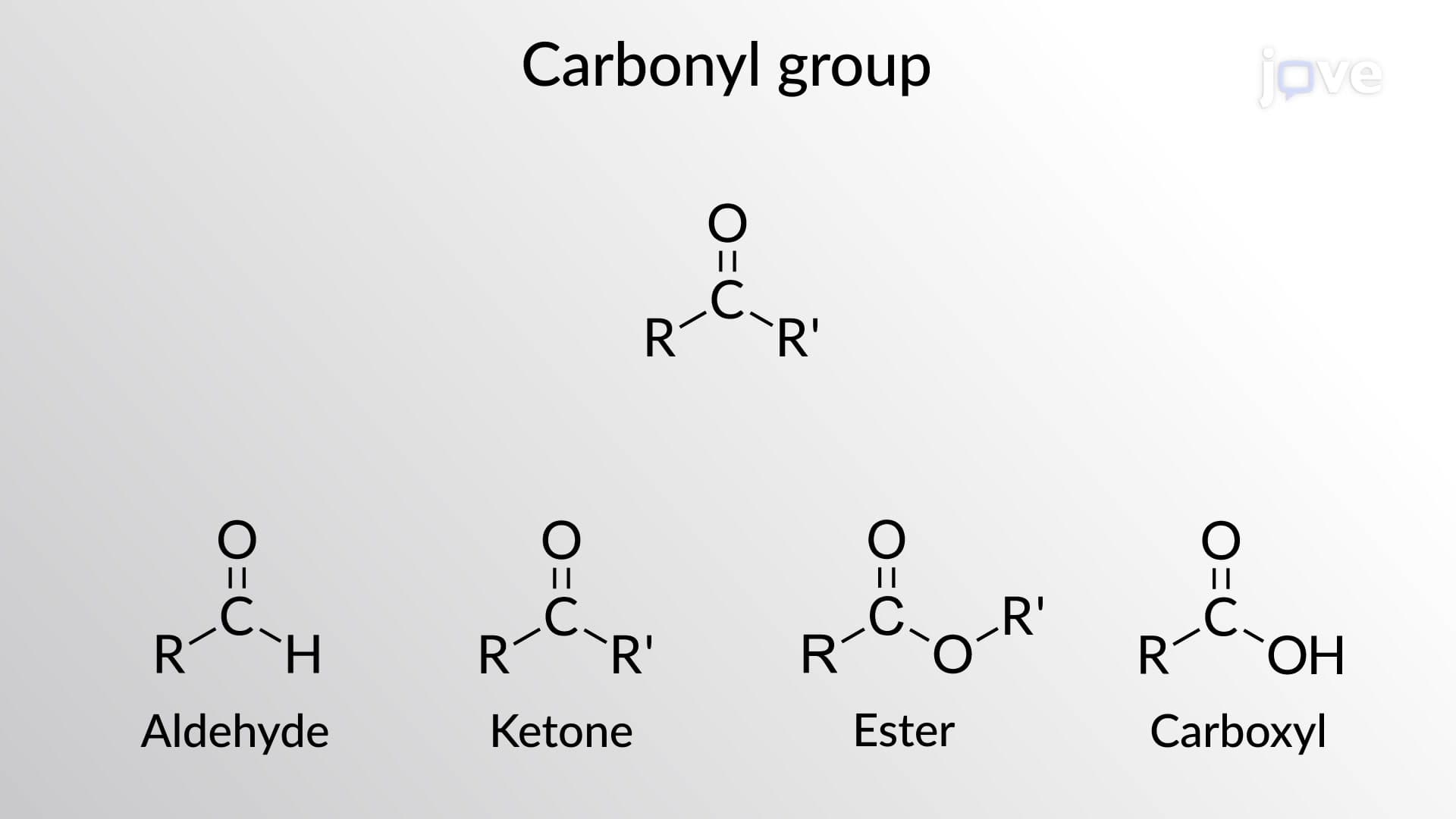
Did you know that the glucose in your morning orange juice follows the exact same chemical pathway as the starch in your breakfast cereal? Chemistry carbohydrates are polyhydroxy aldehydes and ketones that power everything from your brain cells to the cotton fibers in your clothes. Understanding what is chemistry of carbohydrates reveals how these versatile biomolecules serve as both rapid energy sources and structural building blocks in living organisms. Watch the full video on JoVE Coach to master this concept with expert-led visuals and step-by-step explanations.
Chemistry of carbohydrates represents one of biochemistry's most fundamental areas, focusing on organic compounds with the general formula Cn(H2O)n. These biomolecules are classified as polyhydroxy aldehydes (aldoses) or polyhydroxy ketones (ketoses). The simplest carbohydrates, monosaccharides, contain 3-7 carbon atoms, with glucose (C6H12O6) serving as the most biologically significant example. Students preparing for AP Chemistry or college biochemistry courses must master the D/L stereochemical nomenclature system, which determines how sugars interact with plane-polarized light and influences their biological activity.
Monosaccharides exist primarily in cyclic forms rather than their linear structures. When glucose forms a ring, the aldehyde group reacts with a hydroxyl group, creating either a six-membered pyranose ring or five-membered furanose ring. This cyclization creates anomeric carbons, leading to α and β configurations that significantly impact biological function. For instance, human digestive enzymes can break down α-1,4-glycosidic bonds in starch but cannot cleave β-1,4-glycosidic bonds in cellulose, explaining why humans can digest bread but not wood.
Common disaccharides demonstrate how glycosidic bonds link monosaccharides. Sucrose (table sugar) connects glucose and fructose via an α-1,2-glycosidic bond, while lactose (milk sugar) joins glucose and galactose through a β-1,4-glycosidic bond. Understanding these linkages proves crucial for MCAT preparation, as questions often focus on enzyme specificity and metabolic disorders like lactose intolerance, which affects approximately 68% of the global population but varies significantly among US ethnic groups.
Complex carbohydrates serve distinct biological roles based on their glycosidic linkages. Starch and glycogen function as energy storage molecules, with branching patterns optimized for rapid glucose release during cellular respiration. Cellulose provides structural integrity in plant cell walls, while chitin strengthens insect exoskeletons and fungal cell walls. These concepts frequently appear in college biology courses and standardized exams, particularly when discussing plant physiology or comparing prokaryotic and eukaryotic cell structures.
Related Micro-courses