Loading subject page…


320,103 views

Video Summary: What Is Noncovalent Attractions in Biomolecules
Why do proteins fold into specific shapes instead of collapsing into random tangles? The answer lies in noncovalent attractions biomolecules, weak but crucial forces that hold biological structures together. Unlike strong covalent bonds, these interactions include hydrogen bonds, ionic forces, and hydrophobic effects that stabilize everything from DNA double helixes to cell membranes in your body. Watch the full video on JoVE Coach to master this concept with expert-led visuals and step-by-step explanations.
Noncovalent attractions biomolecules represent the fundamental weak forces that govern how biological molecules interact, fold, and function. While covalent bonds form the backbone of molecules by sharing electrons, noncovalent interactions act like molecular velcro, individually weak but collectively powerful enough to maintain complex three-dimensional structures essential for life.
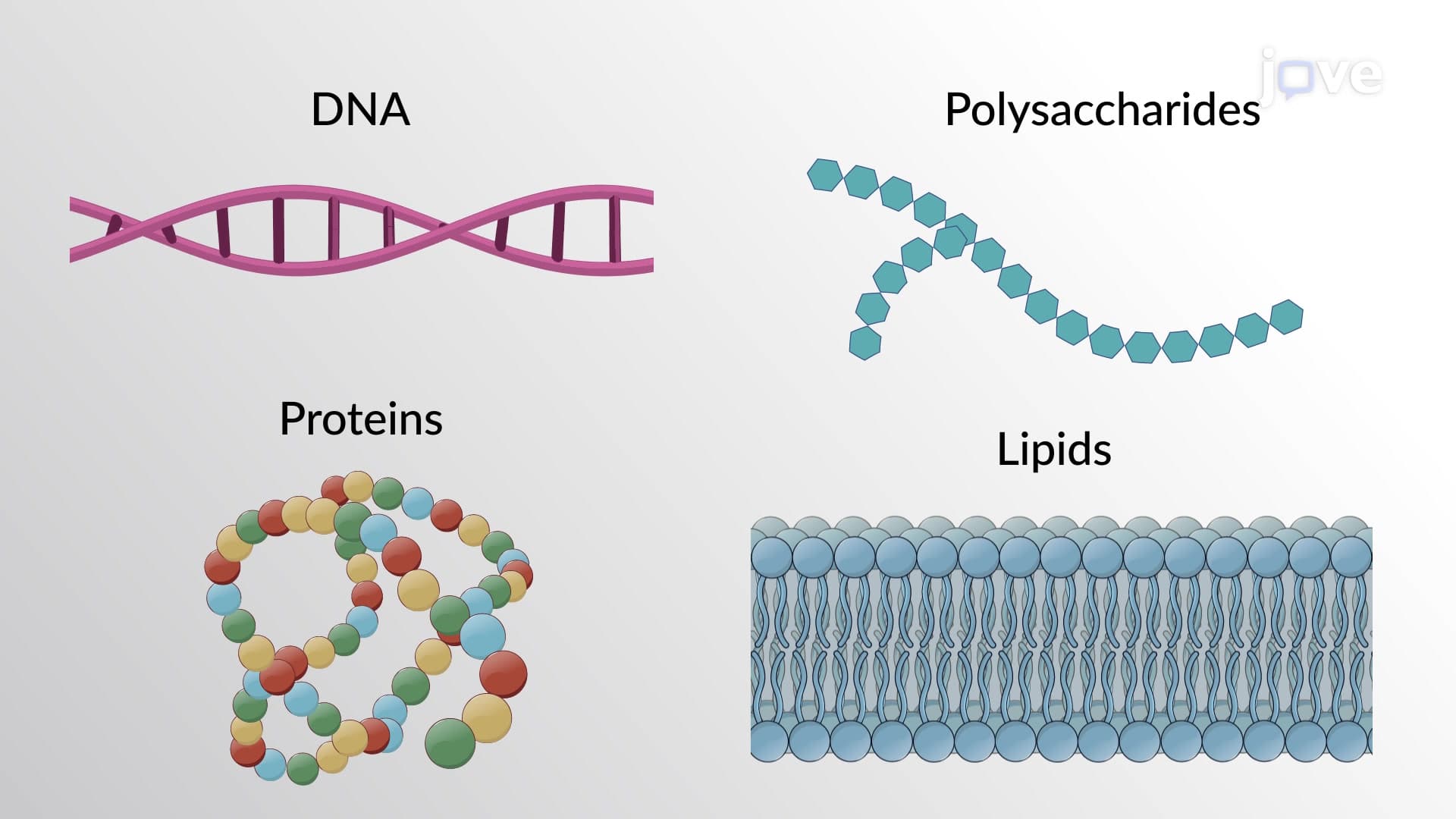
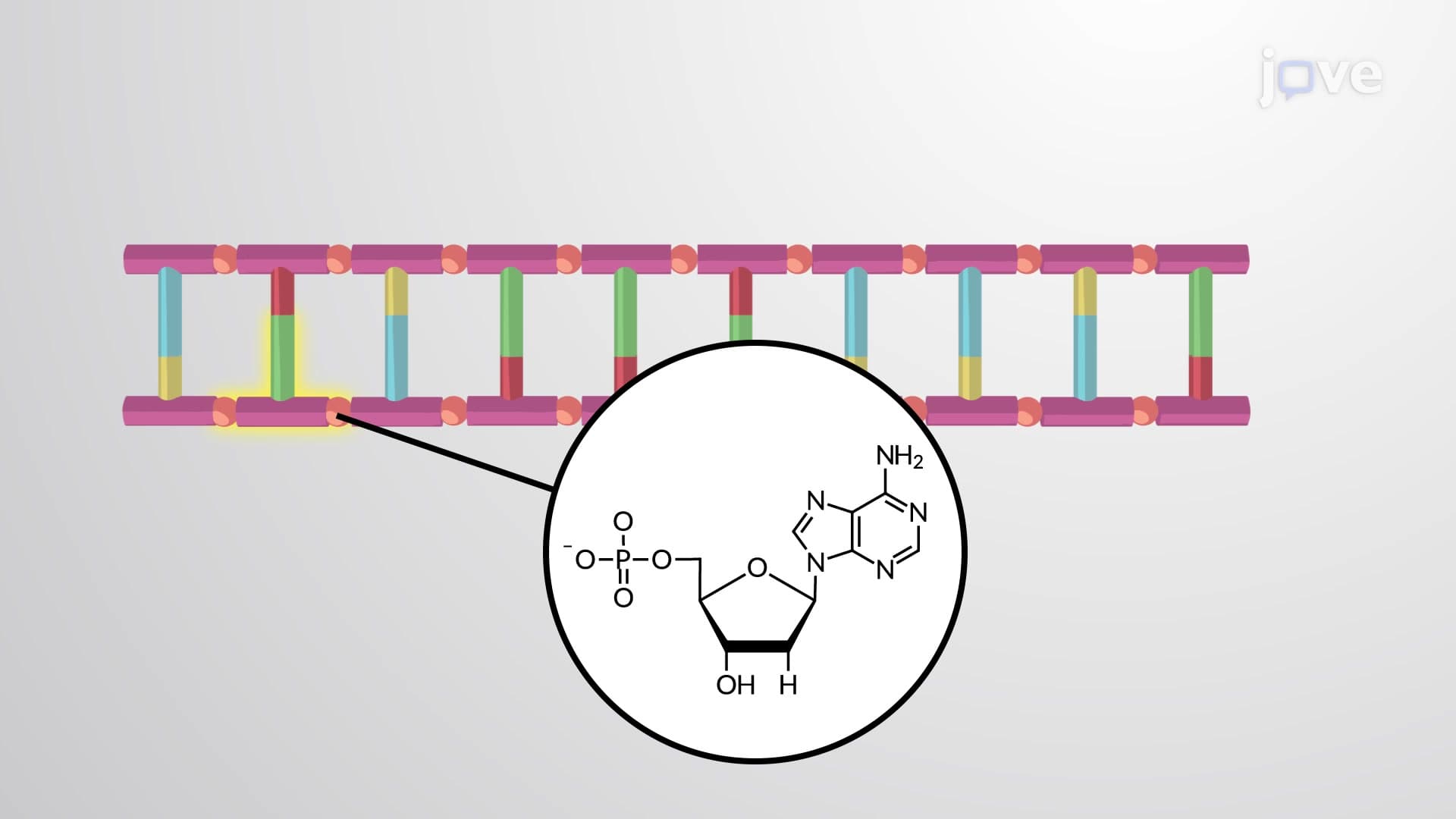
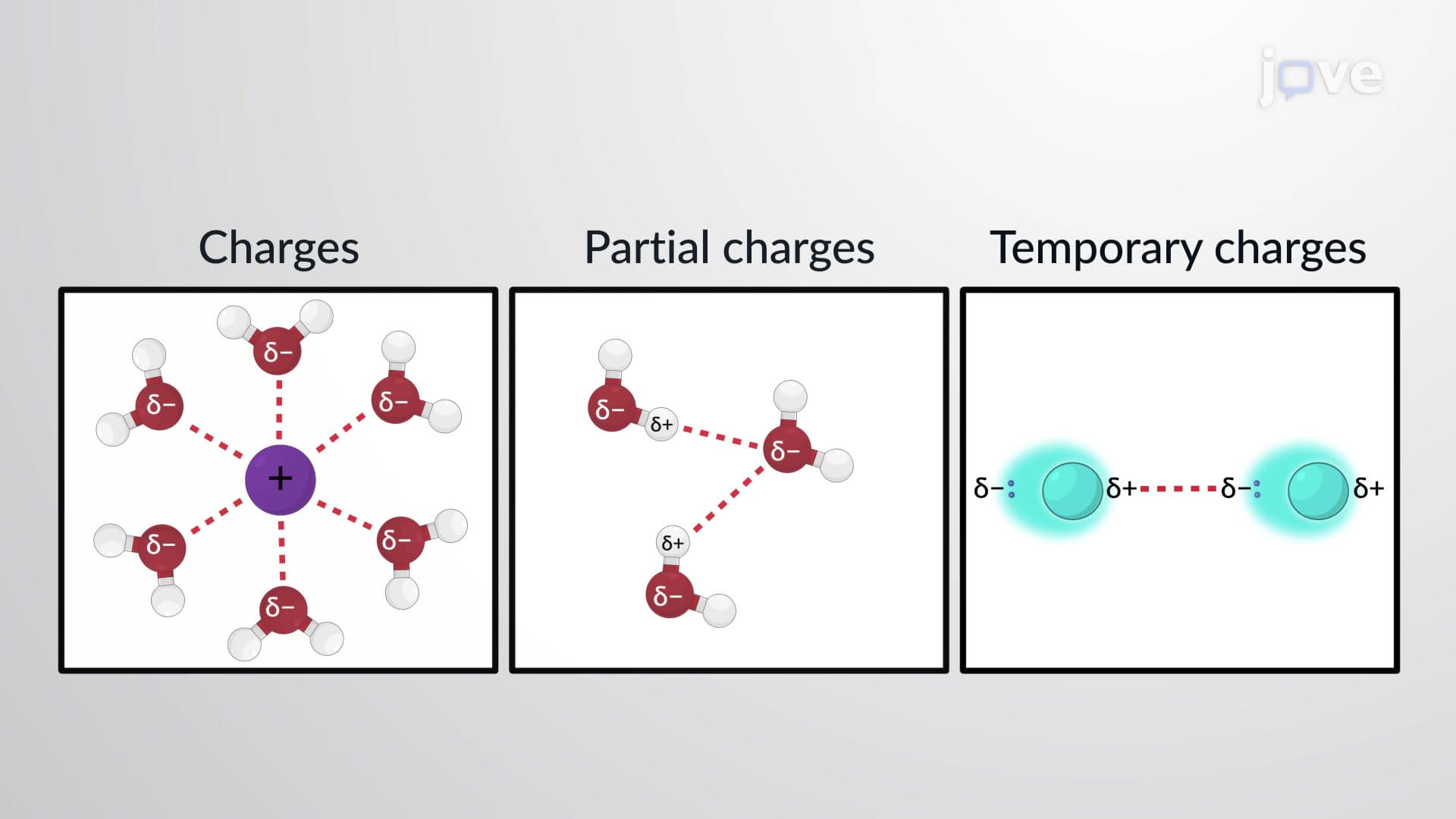
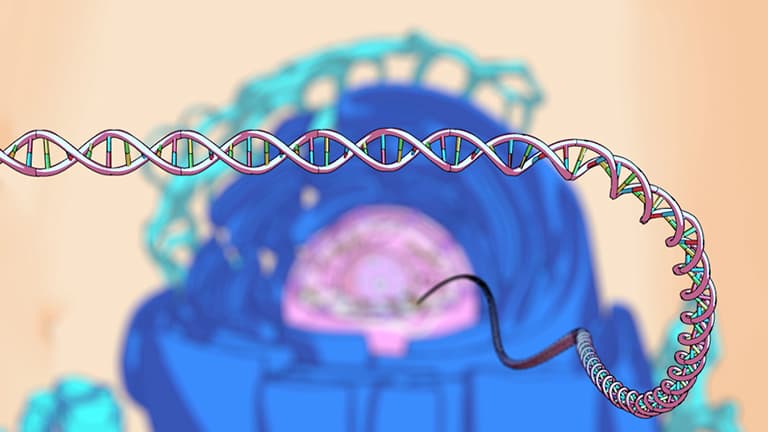
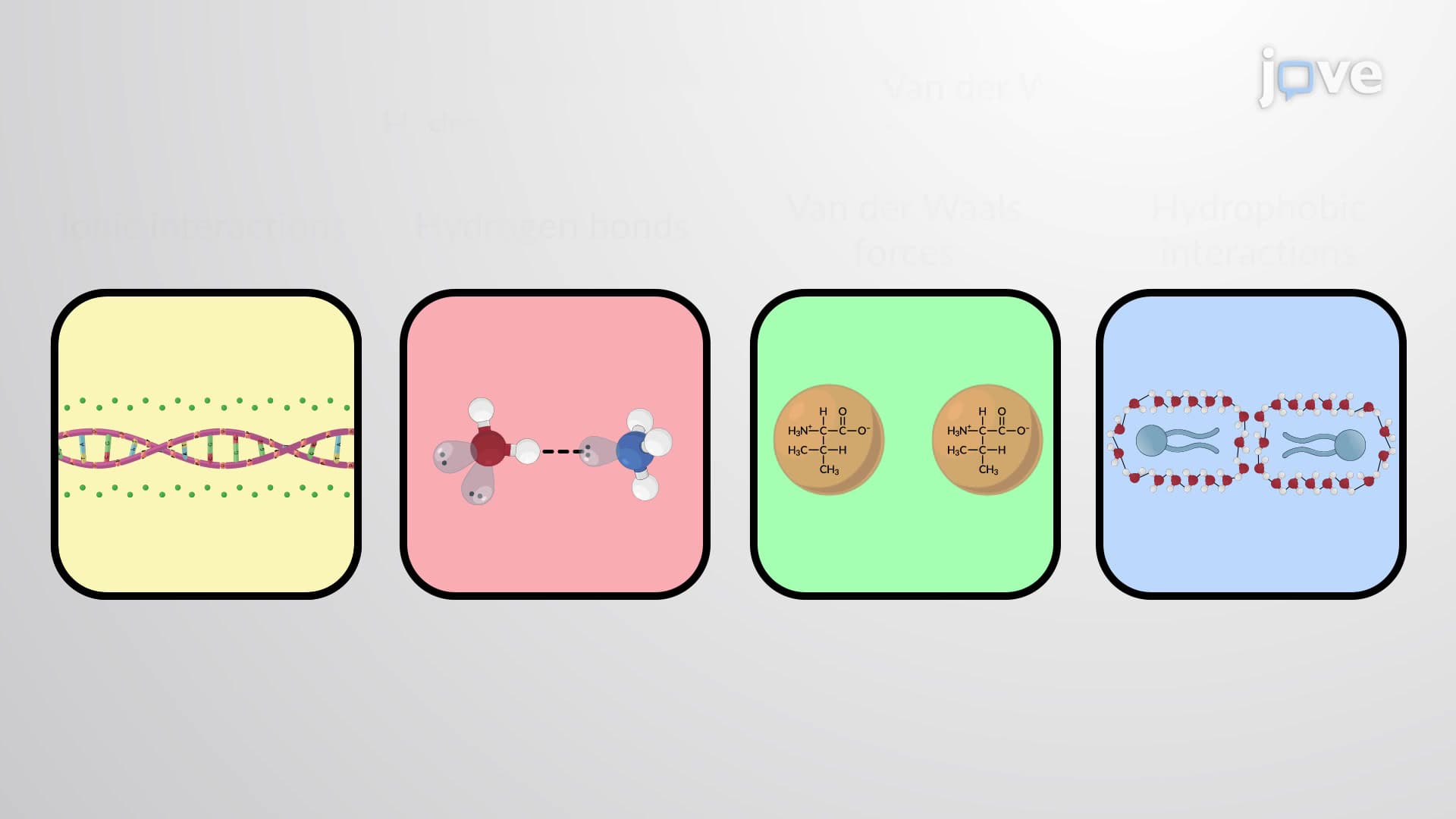
Ionic Interactions occur when oppositely charged groups attract each other. In the human body, this happens constantly, for instance, when sodium ions (Na+) and chloride ions (Cl-) interact in your blood plasma. In DNA, negatively charged phosphate groups would normally repel each other, but magnesium and other cations neutralize these charges, allowing DNA to maintain its stable double helix structure. Students preparing for the MCAT often encounter questions about how pH changes affect these ionic interactions in proteins.
Hydrogen bonds form the molecular handshakes of biology. These occur when hydrogen atoms covalently bonded to oxygen or nitrogen interact with lone electron pairs on nearby electronegative atoms. The classic example is DNA base pairing, adenine forms two hydrogen bonds with thymine, while guanine forms three with cytosine. This difference explains why G-C rich regions have higher melting temperatures, a concept frequently tested in AP Biology and college biochemistry courses.
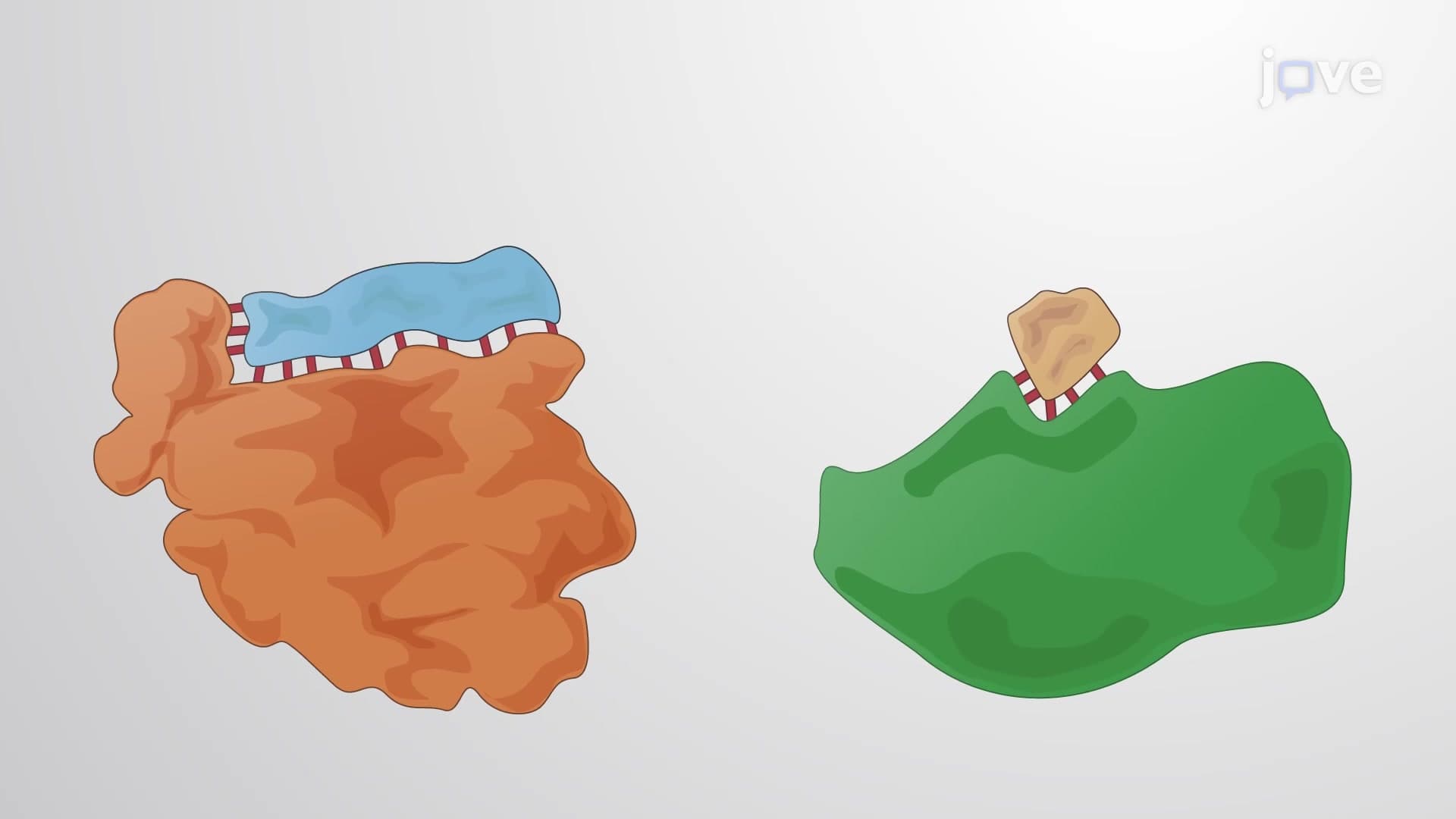
Van der Waals forces represent the weakest noncovalent interactions, arising from temporary electron distribution fluctuations. Though individually insignificant, they become crucial in molecular recognition, like how enzymes bind specifically to their substrates. The gecko's ability to walk on walls relies on millions of Van der Waals interactions between its toe hairs and surfaces.
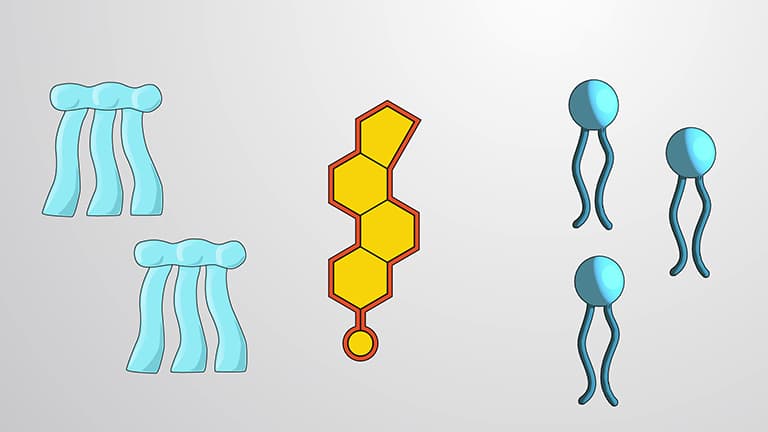
Hydrophobic interactions drive the formation of cell membranes and protein folding. When you mix oil and water, the oil molecules cluster together because water molecules prefer to hydrogen bond with each other rather than interact with nonpolar molecules. This same principle explains why phospholipids spontaneously form bilayers, the hydrophobic tails avoid water while hydrophilic heads interact with it. Pharmaceutical companies exploit this principle when designing drug delivery systems that must cross cellular membranes.
Understanding these concepts proves essential for students pursuing healthcare careers. MCAT questions frequently test knowledge of how pH changes affect noncovalent interactions, while nursing students taking the NCLEX must understand how medications interact with proteins through these forces.
Related Micro-courses