Loading subject page…

Micro-course: Biochemistry of the Cell
320,100 views
Learn key concepts and earn your certificate.


pH

00:00
01:24
Video Summary: What Is Ph
Ever wonder why your blood stays perfectly balanced while your stomach acid can dissolve metal? pH biology chemistry explained reveals this fascinating balancing act through the hydrogen ion concentration scale. What is pH governs everything from enzyme function in your liver to the acidic environment that helps digest your morning breakfast in your stomach. The pH scale ranges from 0 to 14, with human blood maintained at a precise 7.4 through complex buffer systems. Watch the full video on JoVE Coach to master this concept with expert-led visuals and step-by-step explanations.
- Understand what is pH as the negative logarithm of hydrogen ion concentration and its fundamental role in biological systems
- Identify the pH scale range from 0-14 and classify solutions as acidic, neutral, or basic based on their pH values
- Analyze the relationship between hydrogen ion concentration and pH using the mathematical formula pH = -log[H+]
- Compare acid-base balance in different body systems, including stomach acid (pH ~1.5) and blood (pH 7.4)
- Evaluate the role of buffer systems in maintaining physiological pH homeostasis using the Henderson-Hasselbalch equation
- Apply pH concepts to understand enzymatic activity and how pH changes affect protein structure and function
- Recognize pH measurement techniques and their applications in laboratory and clinical settings
- Explore the consequences of pH imbalances in human health, including acidosis and alkalosis conditions
Understanding What is pH: The Foundation of Acid-Base Chemistry
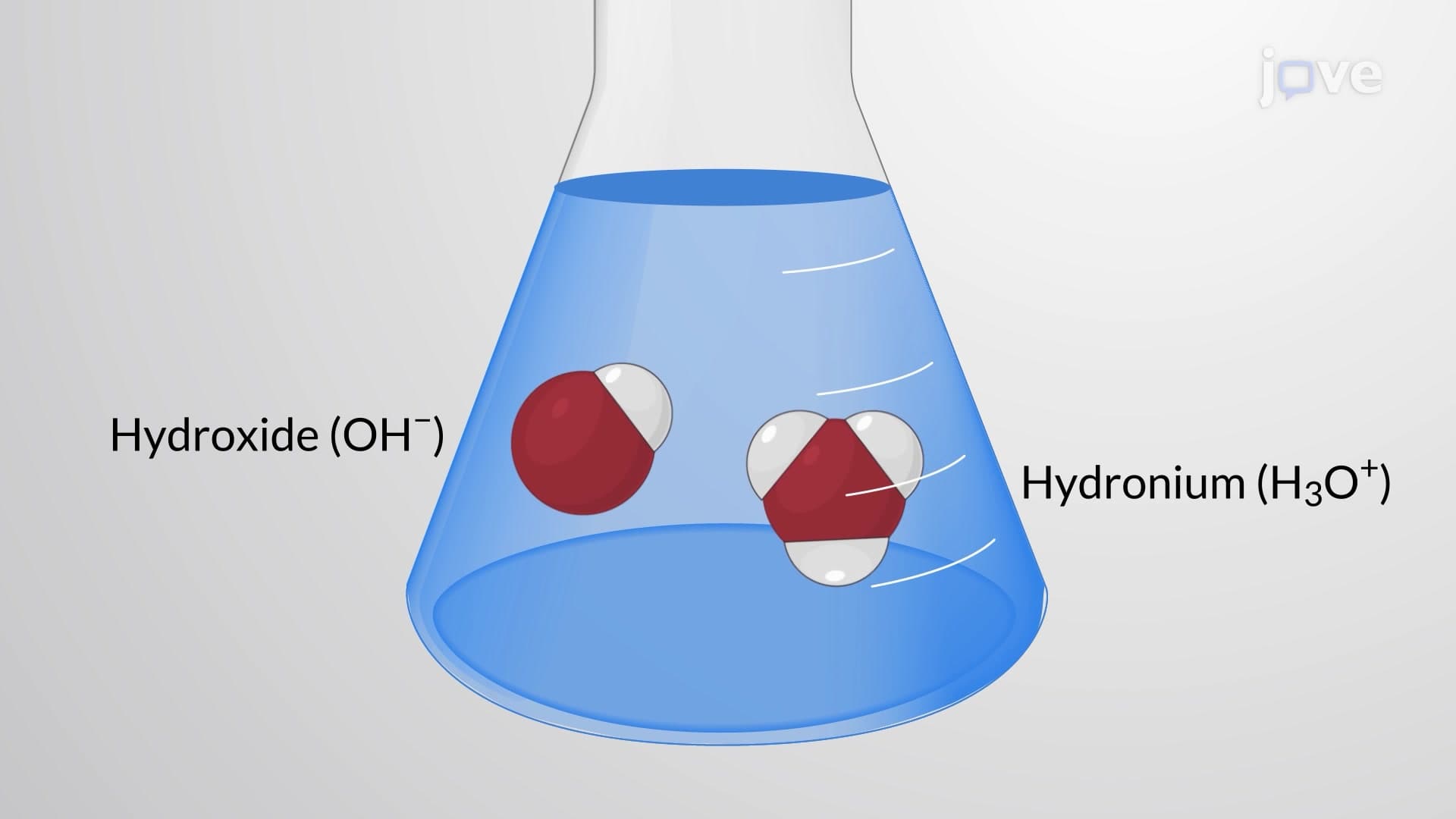
pH biology chemistry explained begins with understanding that pH measures the concentration of hydrogen ions (H+) in a solution. Developed by Danish chemist Søren Sørensen in 1909, the pH scale revolutionized our understanding of acid-base chemistry. The mathematical relationship pH = -log[H+] means that as hydrogen ion concentration increases, pH decreases, creating an inverse logarithmic relationship.
The pH Scale: From Stomach Acid to Household Ammonia
The acid base pH explained through the 0-14 scale provides a universal reference system. Battery acid registers at pH 0, while household ammonia reaches pH 11. Pure water at 25°C maintains neutrality at pH 7, where hydrogen and hydroxide ion concentrations are equal. This logarithmic scale means each unit represents a 10-fold change in acidity-lemon juice (pH 2) is 10 times more acidic than coffee (pH 3).
Biological pH Regulation: The Body's Balancing Act
What is pH in biology and chemistry becomes crucial when examining living systems. Human blood must maintain pH between 7.35-7.45 for optimal function. The bicarbonate buffer system (HCO3-/H2CO3) works with the lungs and kidneys to prevent dangerous pH shifts. Meanwhile, gastric acid maintains pH 1.5-2.0 for protein digestion and bacterial defense. Cellular enzymes like pepsin function optimally at pH 1.5, while pancreatic enzymes require pH 8.5.
pH Measurement and Clinical Applications
Hydrogen ion concentration pH measurement utilizes pH meters with glass electrodes or colorimetric indicators. In healthcare settings, arterial blood gas analysis monitors pH alongside oxygen and carbon dioxide levels. Environmental scientists measure soil pH to determine nutrient availability for crops, while food scientists control pH for preservation and flavor optimization. Understanding pH principles proves essential for AP Chemistry, MCAT preparation, and college-level biochemistry courses.
Frequently Asked Questions
pH measures hydrogen ion concentration using a 0-14 scale, determining whether solutions are acidic, neutral, or basic. It's crucial because most biological processes, from enzyme function to cellular metabolism, depend on specific pH ranges to operate properly.
MCAT questions often focus on physiological pH regulation, buffer systems, and the Henderson-Hasselbalch equation in biological contexts. AP Chemistry emphasizes pH calculations, titration curves, and acid-base equilibria using logarithmic relationships.
Common problems include calculating pH from hydrogen ion concentration, determining pH of weak acid/base solutions, analyzing buffer capacity, and solving Henderson-Hasselbalch equation problems involving conjugate acid-base pairs.
Hospitals monitor blood pH through arterial blood gas tests, especially in intensive care units. Diabetic ketoacidosis can lower blood pH below 7.3, while hyperventilation can raise it above 7.5, both requiring immediate medical intervention.
Basic logarithms and algebra are sufficient for most pH calculations. Focus on understanding the inverse relationship between pH and hydrogen ion concentration rather than complex mathematical derivations.
Create memory associations with familiar substances: stomach acid (pH 1-2), coffee (pH 5), blood (pH 7.4), and baking soda (pH 9). Practice converting between pH and hydrogen ion concentration using the formula pH = -log[H+].
Explore buffer system mechanisms, enzyme kinetics and pH dependence, acid-base titrations, and physiological pH disorders like respiratory and metabolic acidosis for deeper biochemistry understanding.
Related Micro-courses