Loading subject page…


320,103 views


Video Summary: What Is Structure of Lipids
Did you know that the human brain is nearly 60% fat? The structure of lipids determines everything from how medications cross cell membranes to why olive oil doesn't mix with water. These diverse biomolecules-including triglycerides, phospholipids, and steroids-feature unique hydrocarbon architectures that make cellular life possible, from energy storage in adipose tissue to forming the protective barriers around every cell in your body. Watch the full video on JoVE Coach to master this concept with expert-led visuals and step-by-step explanations.
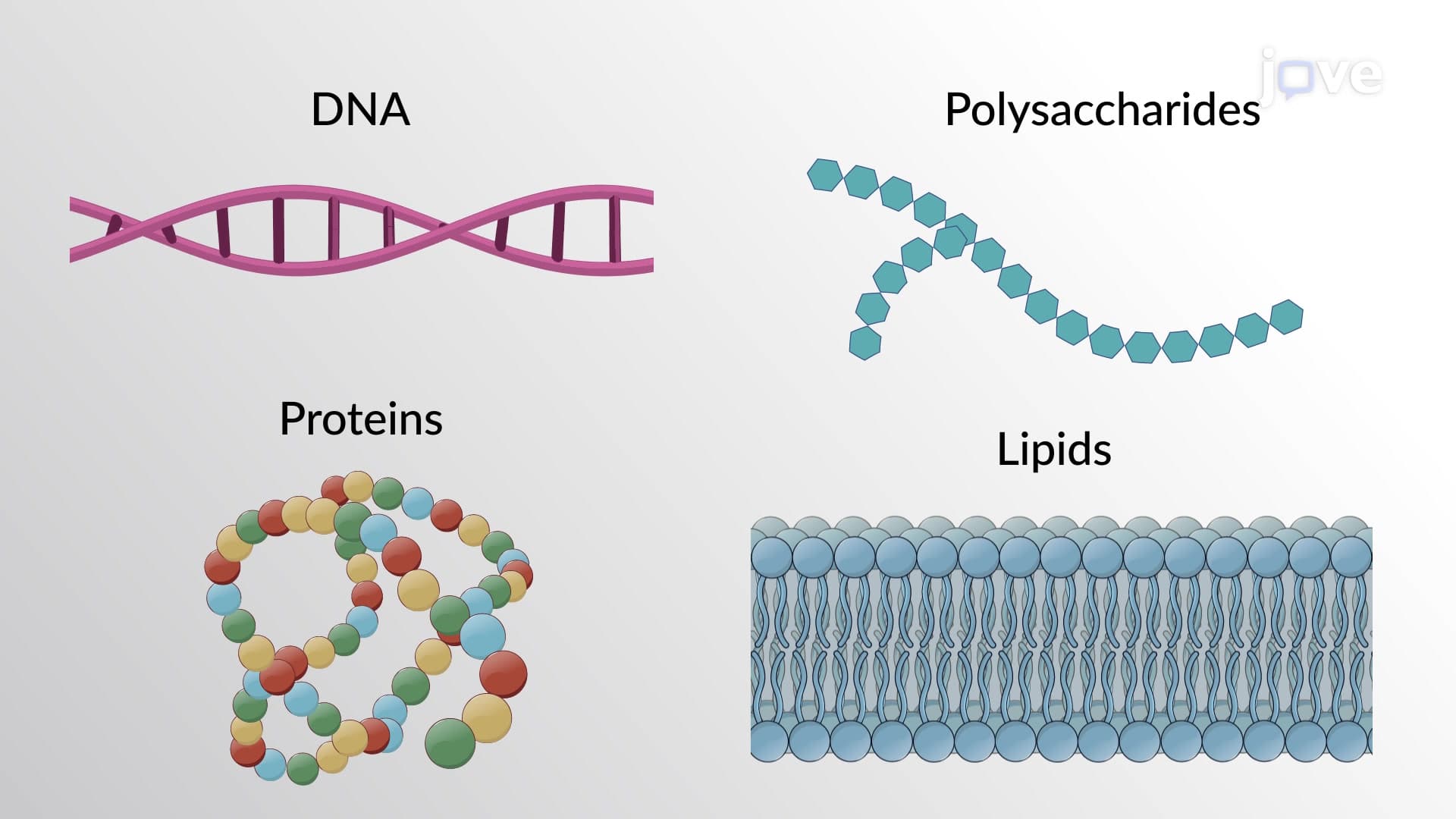
The structure of lipids represents one of biology's most elegant solutions to cellular organization challenges. Unlike proteins or nucleic acids, lipids are defined not by a common structural motif but by their shared hydrophobic nature-a property that emerges from their predominant hydrocarbon composition. This hydrophobic characteristic makes lipids insoluble in water while highly soluble in nonpolar solvents, a feature that underpins their biological roles.
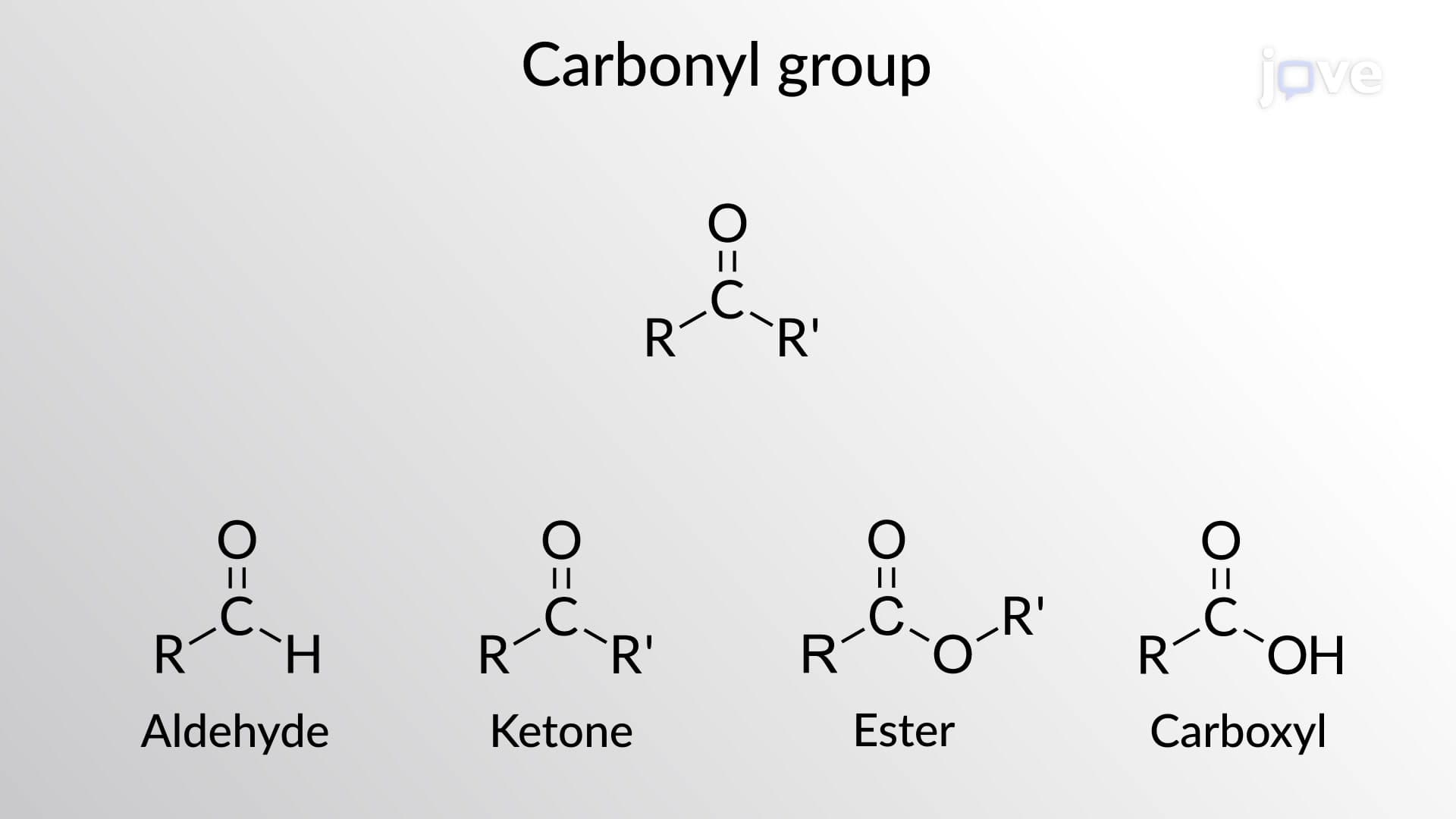
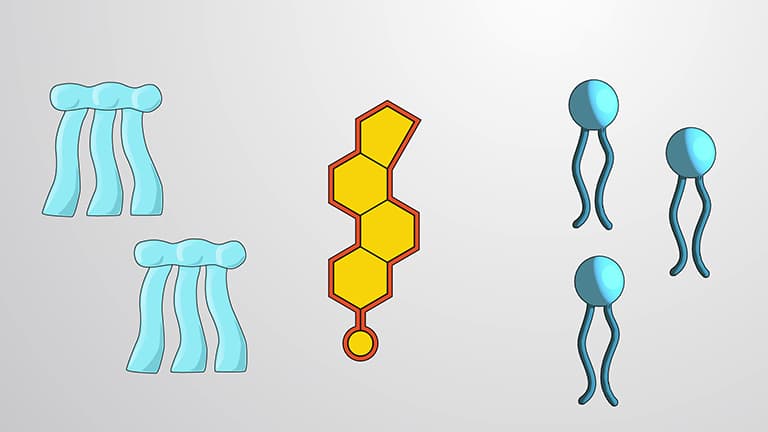
Triglycerides exemplify how molecular structure determines function. These molecules consist of a three-carbon glycerol backbone bonded to three fatty acid chains through ester linkages. The fatty acid chains, typically 12-18 carbons long, can be saturated (containing only single bonds) or unsaturated (containing one or more double bonds). This structural variation profoundly impacts properties: saturated fats like those in butter remain solid at room temperature, while unsaturated fats like olive oil stay liquid. For students preparing for the MCAT or AP Biology exam, understanding this structure-function relationship is crucial for questions about metabolism and cellular energy storage.
Phospholipids showcase amphipathic molecular design-possessing both hydrophilic (water-loving) and hydrophobic (water-fearing) regions. The basic structure includes a glycerol backbone, two fatty acid chains, and a phosphate group often linked to additional polar molecules like choline or serine. This dual nature enables phospholipids to spontaneously arrange into bilayers, with hydrophilic heads facing aqueous environments and hydrophobic tails clustering together. This self-assembly process creates the fundamental barrier that separates cellular contents from the external environment-a concept frequently tested in college biochemistry courses.
Steroid lipids, including cholesterol and hormones like testosterone and estrogen, feature a distinctive four-ring carbon skeleton. Cholesterol's rigid ring structure serves dual purposes: it modulates membrane fluidity and acts as a precursor for steroid hormones. Understanding these structural relationships helps explain clinical conditions-for instance, how cholesterol's structure enables its role in atherosclerosis development, a topic relevant for pre-med students studying for the MCAT.
The practical applications of lipid structure knowledge extend far beyond academic settings. Pharmaceutical companies exploit lipid properties to design drug delivery systems, while food scientists manipulate fatty acid structures to create healthier products. This foundational understanding proves essential for careers in medicine, nutrition, and biotechnology.
Related Micro-courses