Loading subject page…

- Molecular Biology
- Genomes and Evolution
- Multi-species Conserved Sequences
Micro-course: Genomes and Evolution
54,808 views
Learn key concepts and earn your certificate.

Multi-species Conserved Sequences

00:00
02:51
Video Summary: What are Multi Species Conserved Sequences
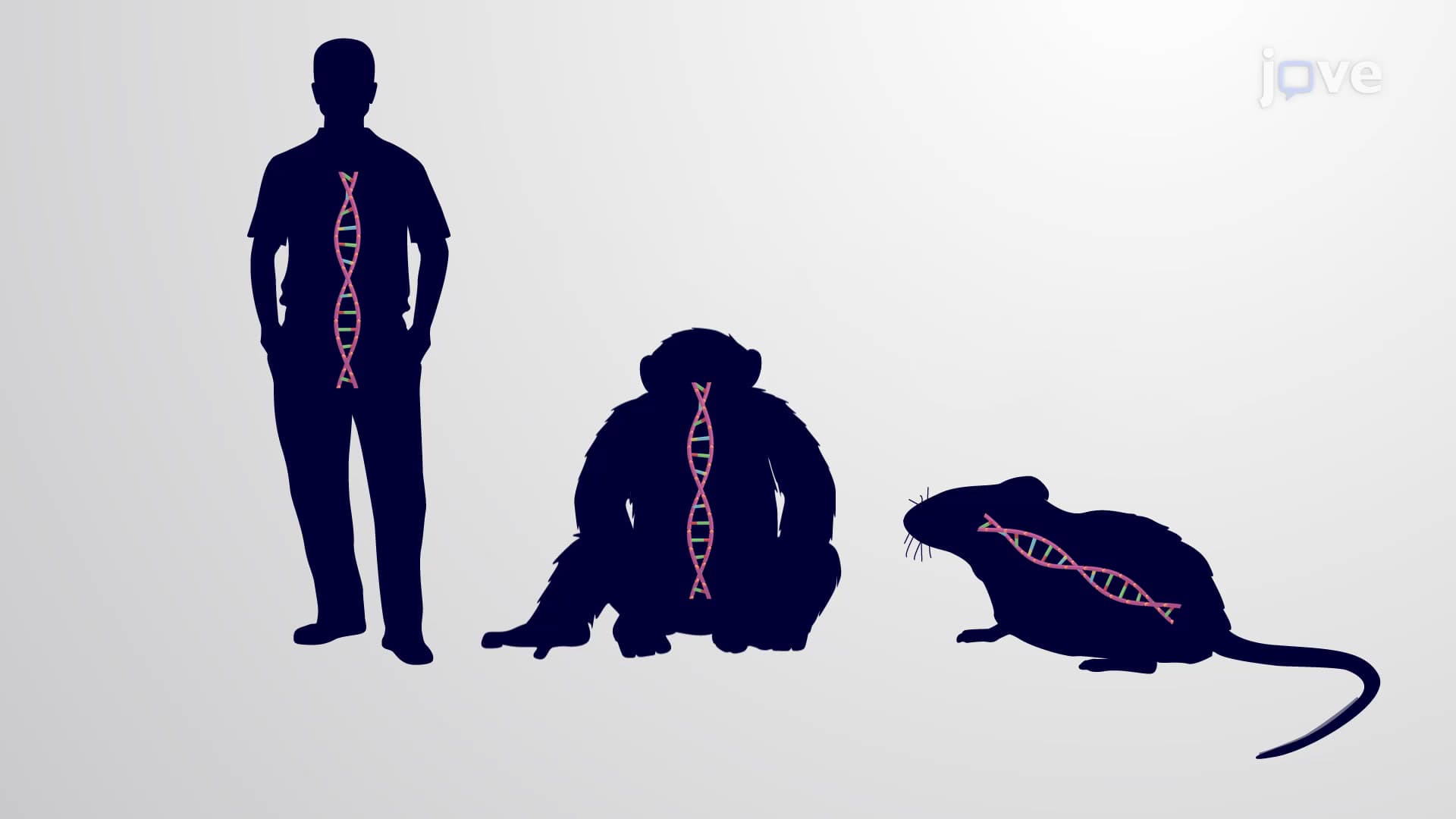
Did you know that humans share thousands of identical DNA segments with laboratory mice, despite millions of years of evolutionary separation? Multi species conserved sequences are nucleotide sequences that remain virtually unchanged across different species, providing crucial insights into evolutionary biology and genetic function. For example, researchers at Stanford University have identified over 5,000 ultra-conserved sequences shared between humans, rats, and mice. Understanding what are multi species conserved sequences reveals fundamental principles of genome organization and species evolution. Watch the full video on JoVE Coach to master this concept with expert-led visuals and step-by-step explanations.
- Understand what are multi species conserved sequences and their significance in comparative genomics
- Identify the difference between coding and non-coding conserved sequences (CNGs)
- Analyze the structural characteristics and locations of conserved sequences within genomes
- Compare ultra-conserved sequences with standard conserved sequences in terms of length and conservation level
- Evaluate potential functions of conserved non-genic sequences in gene regulation and chromosome organization
- Apply knowledge of Human Accelerated Regions (HARs) to understand human evolution and brain development
- Recognize the relationship between sequence conservation and evolutionary pressure across species
- Explore the role of conserved sequences in transcriptional regulation and chromatin structure
Understanding What are Multi Species Conserved Sequences
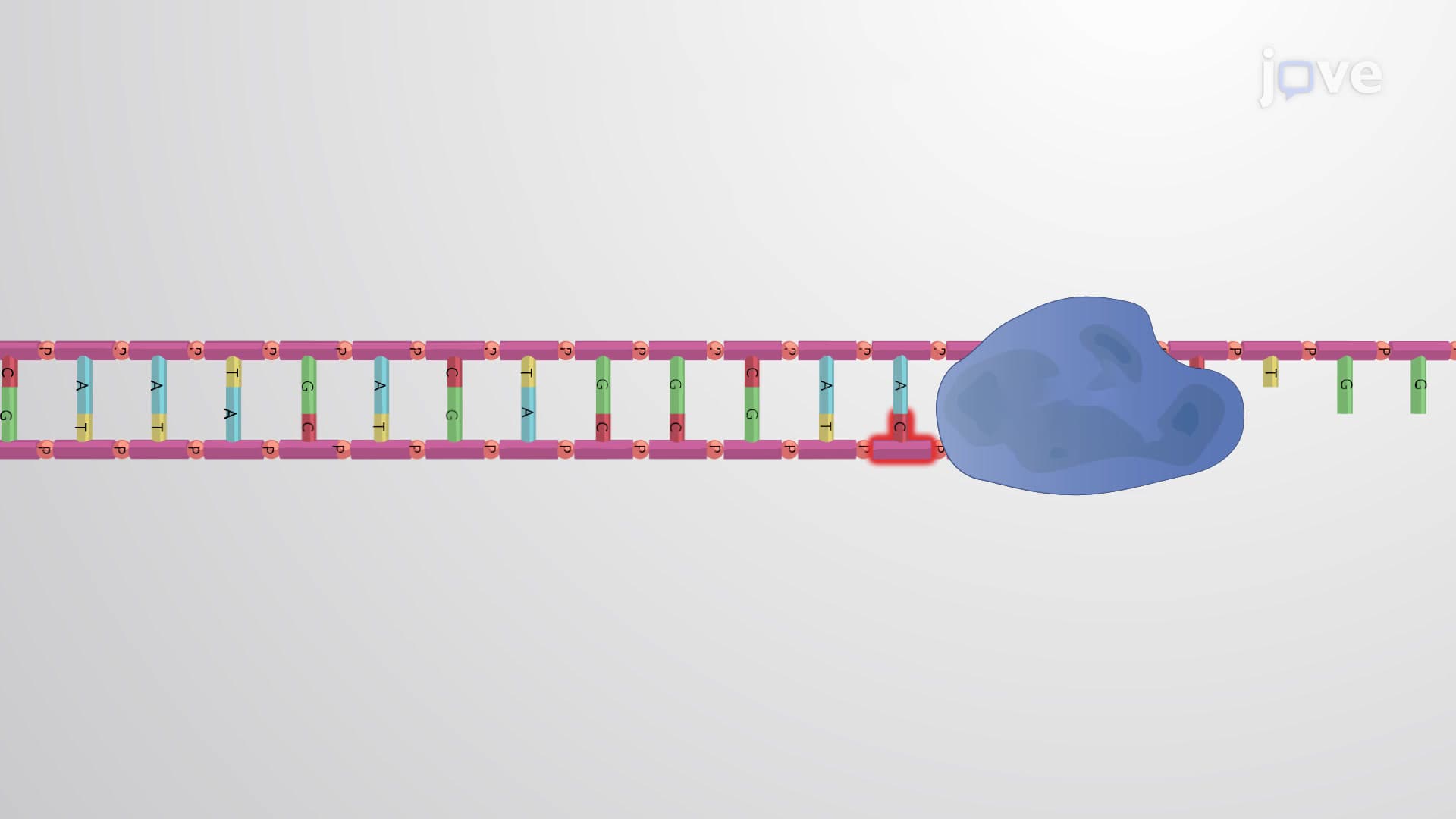
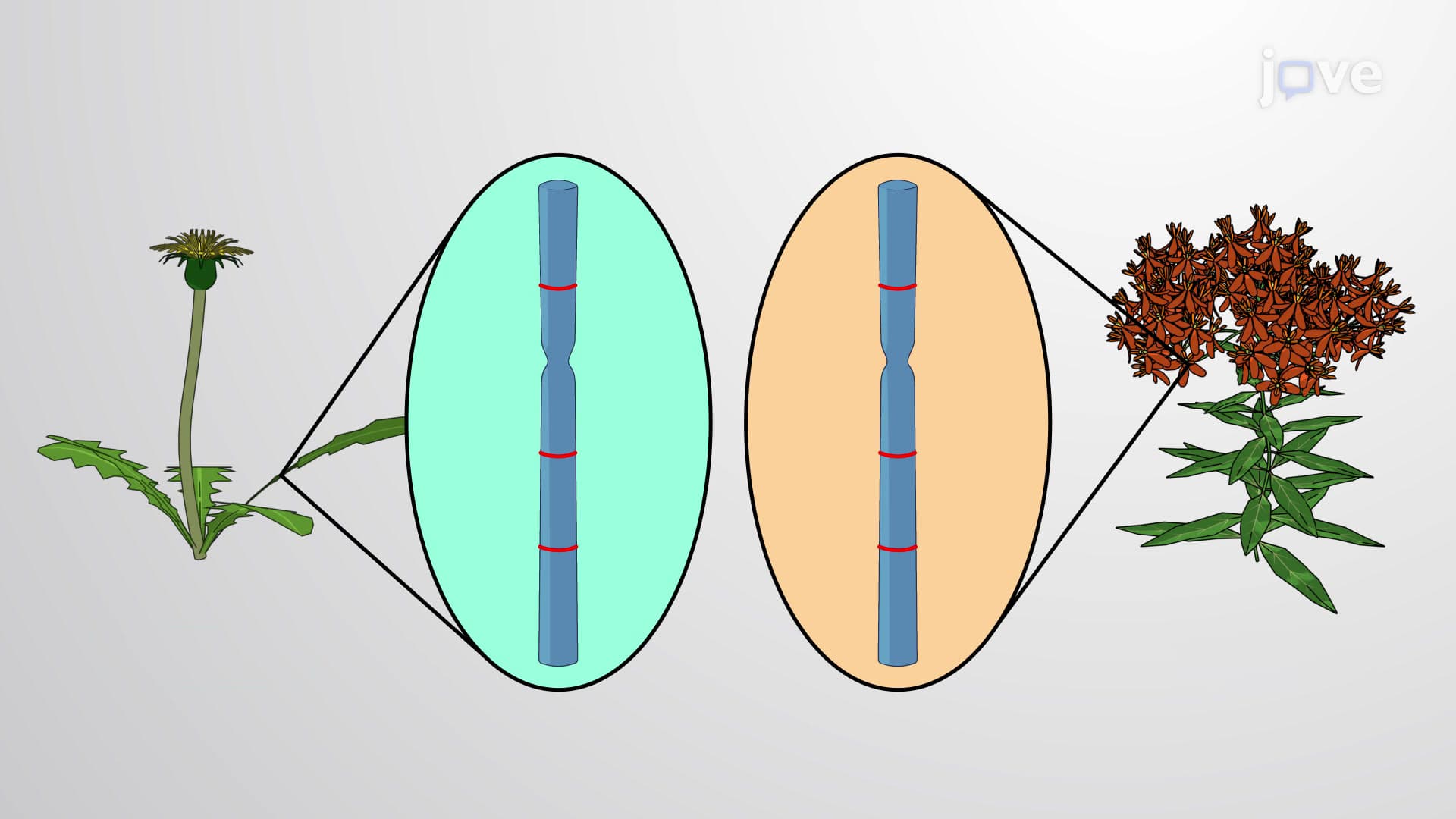
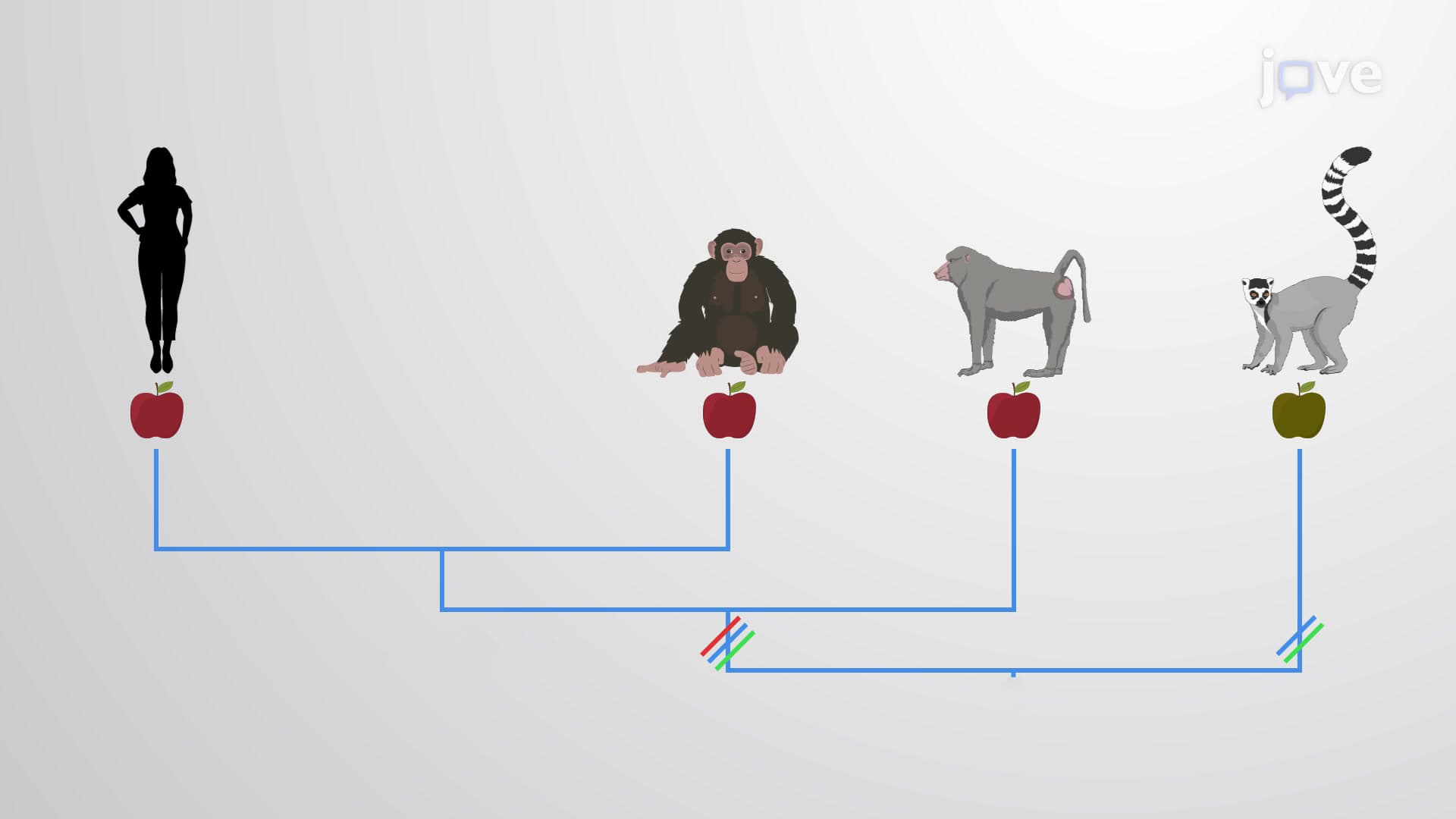
Multi species conserved sequences represent one of the most fascinating discoveries in modern genomics, revealing that evolution preserves critical DNA segments across vast evolutionary timescales. These sequences demonstrate remarkable stability, remaining virtually identical between species that diverged millions of years ago. The conservation of these sequences across multiple species strongly suggests they perform essential biological functions that are critical for survival.
Types of Multi Species Conserved Sequences and Their Classifications
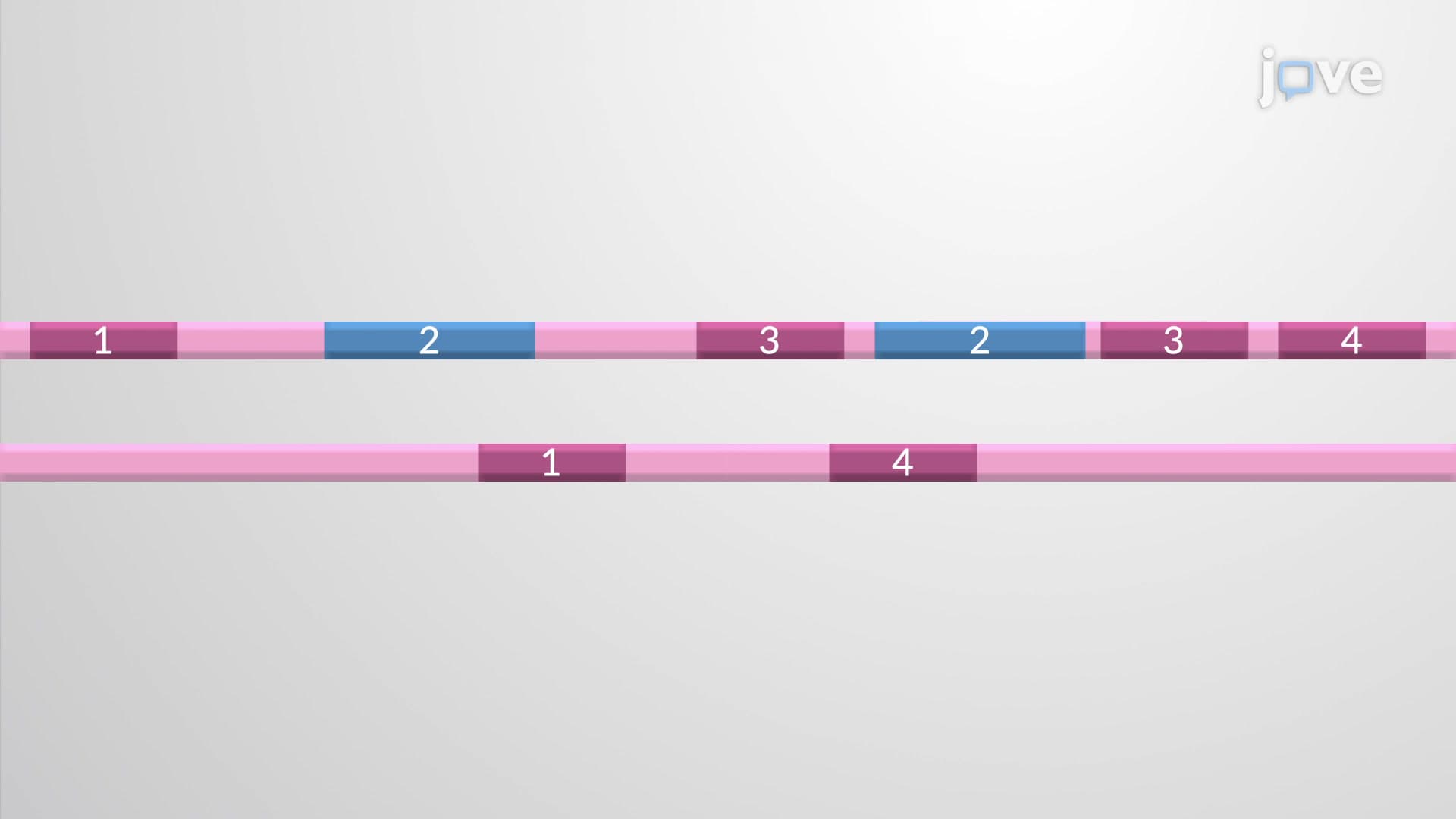
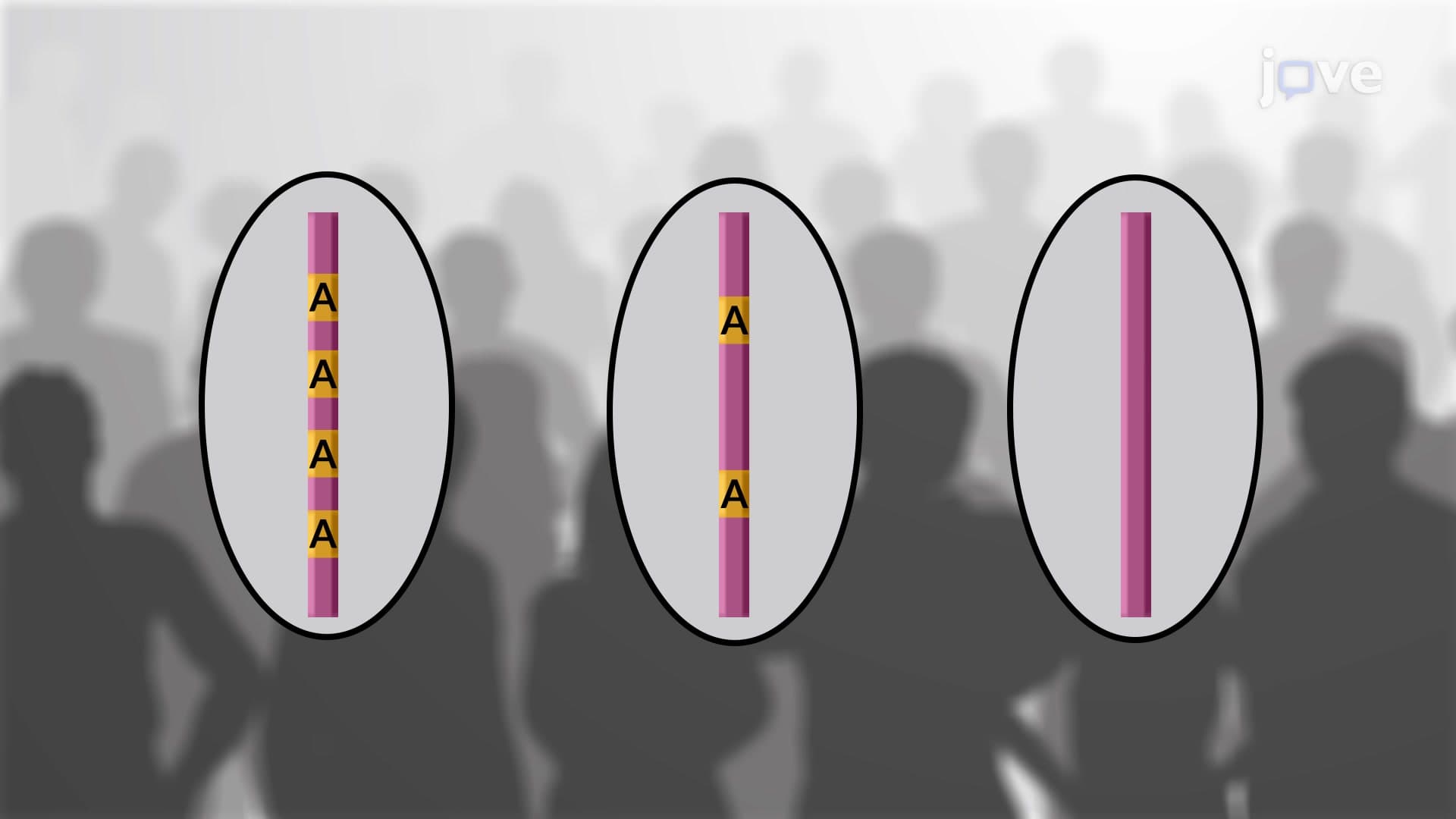
Scientists classify conserved sequences into several distinct categories based on their characteristics and functions. Coding conserved sequences represent approximately one-third of all conserved DNA and include genes that encode essential proteins and functional RNAs. However, the majority of conserved sequences are non-coding, termed Conserved Non-Genic sequences (CNGs). These CNGs typically span 50-200 nucleotides and occupy various genomic locations, including intergenic regions between genes, introns within genes, and untranslated regions of RNA transcripts.
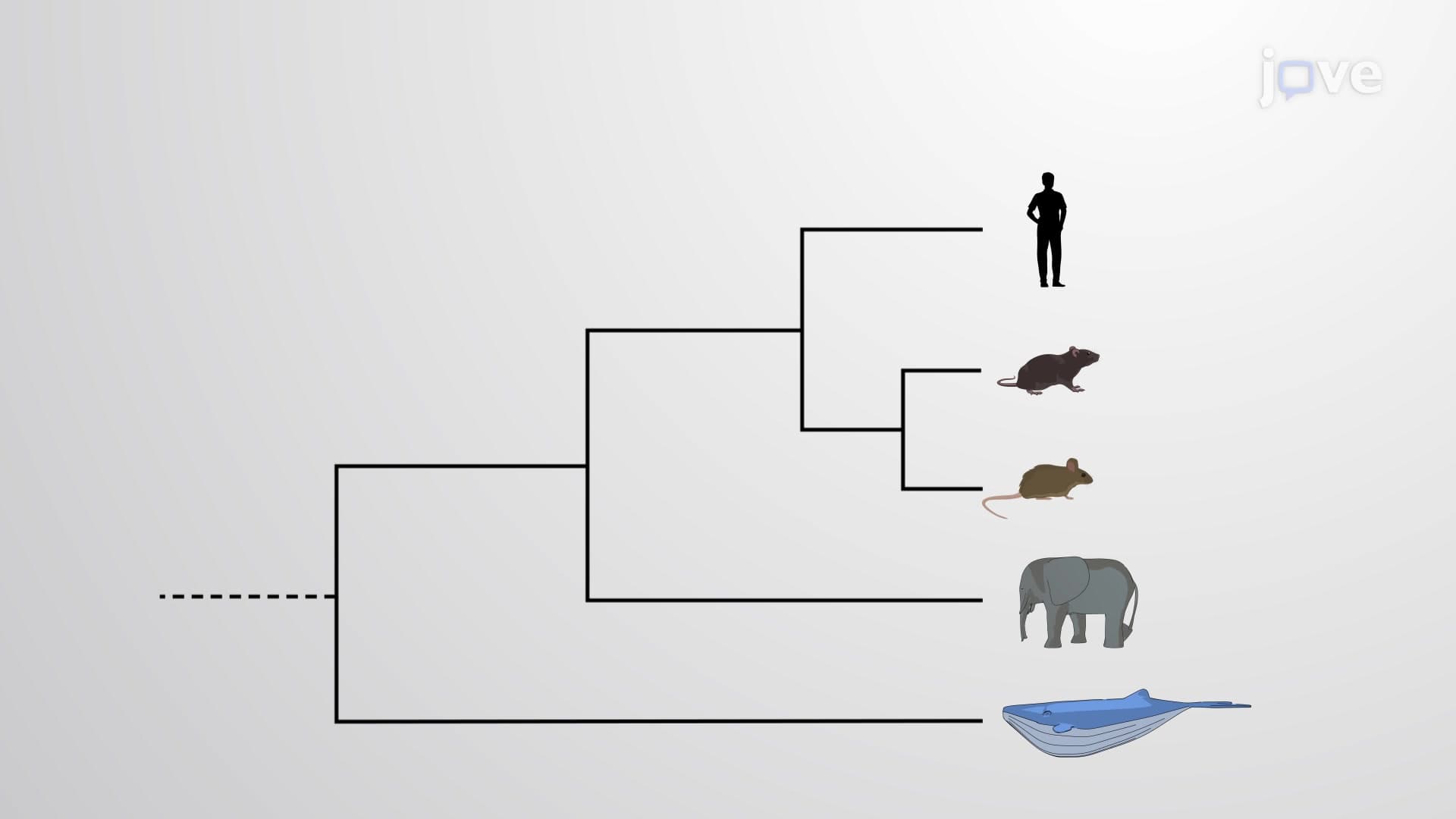
Ultra-conserved sequences represent the most extreme examples of conservation, with over 5,000 identified between human, rat, and mouse genomes. Each ultra-conserved sequence averages approximately 100 base pairs in length and shows perfect or near-perfect identity across species. These sequences undergo such strong selective pressure that even single nucleotide changes are extremely rare, highlighting their fundamental importance to cellular function.
Functional Roles and Biological Significance
The functions of conserved sequences, particularly CNGs, remain an active area of research with several compelling hypotheses. Many conserved sequences likely function as regulatory elements, acting as enhancers or silencers that control gene expression by binding transcription factors and other regulatory proteins. This regulatory function explains why mutations in these regions can have dramatic phenotypic effects despite not coding for proteins themselves.
Another significant function involves the production of long non-coding RNAs (lncRNAs) that regulate various cellular processes, including mRNA processing, stability, and localization. These regulatory RNAs play crucial roles in development, cell differentiation, and disease processes. Additionally, some conserved sequences may facilitate chromatin organization and chromosome interactions, helping establish distinct nuclear territories with specific gene expression patterns.
Evolutionary Implications and Human Accelerated Regions
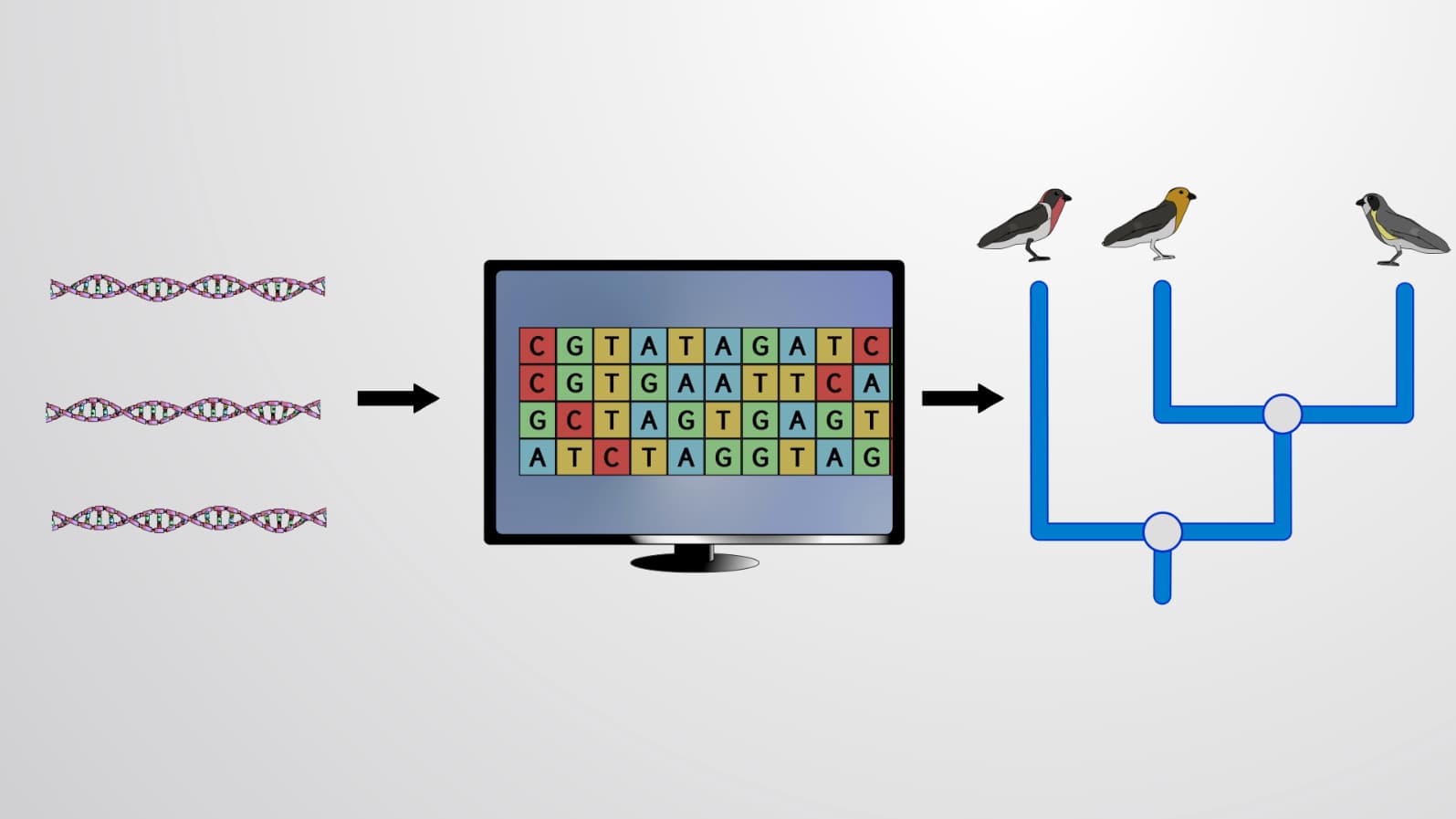
The study of conserved sequences provides unique insights into evolutionary processes and species divergence. Human Accelerated Regions (HARs) represent particularly interesting examples where highly conserved sequences underwent rapid evolutionary change specifically in the human lineage. These regions, often located near neural development genes, accumulated mutations at exceptional rates approximately 6 million years ago during human evolution. Research at institutions like the University of California, San Francisco, has shown that HARs contribute to enhanced cognitive abilities and brain development that distinguish humans from other primates.
For students preparing for Advanced Placement Biology or college-level genetics courses, understanding conserved sequences is crucial for grasping concepts of molecular evolution, comparative genomics, and gene regulation. These topics frequently appear on standardized tests like the MCAT, where questions may ask students to interpret phylogenetic data or explain the relationship between sequence conservation and functional importance.
Frequently Asked Questions
Multi species conserved sequences are DNA segments that remain nearly identical across different species over millions of years of evolution. These sequences are so important for survival that natural selection prevents them from changing. They include both protein-coding genes and regulatory sequences that control how genes are expressed.
These concepts frequently appear in questions about molecular evolution, comparative genomics, and gene regulation on both AP Biology and MCAT exams. Students might analyze phylogenetic trees, interpret conservation data, or explain why certain sequences remain unchanged across species. Understanding the relationship between conservation and function is essential for success.
College genetics courses typically emphasize ultra-conserved sequences, conserved non-genic sequences (CNGs), and Human Accelerated Regions (HARs). Students must understand the difference between coding and non-coding conserved sequences, their genomic locations, and potential regulatory functions. These topics commonly appear on midterm and final examinations.
Researchers at institutions like the National Institutes of Health use conserved sequences to identify disease-causing mutations and develop targeted therapies. For example, mutations in ultra-conserved sequences near developmental genes can cause congenital disorders. Pharmaceutical companies also target conserved regulatory sequences when designing drugs that modify gene expression.
No advanced background is required beyond basic high school biology concepts. Understanding DNA structure, genes, and evolution provides sufficient foundation. The key is grasping that important DNA sequences are preserved across species because they perform essential functions. Students can build complexity gradually as they progress through coursework.
Focus on creating comparison charts that contrast different types of conserved sequences, their locations, lengths, and functions. Practice interpreting conservation data and phylogenetic analyses. Use active recall techniques to memorize key examples like HARs and their role in human evolution. Connect conservation concepts to broader themes in evolution and gene regulation.
While memorizing specific sequences isn't necessary, understanding key examples enhances exam performance. Focus on Human Accelerated Regions for human evolution questions, ultra-conserved sequences for extreme conservation examples, and CNGs for non-coding regulatory elements. Knowing approximate lengths and genomic locations of different conserved sequence types is valuable.
Conserved sequences provide foundation for studying epigenomics, chromatin structure, developmental biology, and evolutionary genomics. Students can explore CRISPR gene editing applications, comparative genomics techniques, and personalized medicine approaches. These concepts also connect to advanced topics like systems biology and computational genomics in graduate-level coursework.
Related Micro-courses

15 Concepts

17 Concepts
19 Concepts